
Film
Seven Up!
Seven Up! is the modest forty-minute BBC film that quietly started the longest-running documentary experiment in television. Fourteen British seven-year-olds, plucked from wildly different backgrounds, are asked what they think about money, marriage, race and each other. It's plain, unhurried 1960s TV — no score, no flourish — but it's the seed everything else grew from, and it rewards patience more than spectacle.
If you liked this
56 Up2012
This is where the experiment finally pays off — the same faces at fifty-six, older, wearier, sometimes wiser, still recognisably the children you just met. Watching the accumulated weight of nine films land in one is genuinely moving.
But You'll want to have seen at least a few of the films in between, or you'll be watching strangers age rather than people you've grown fond of.
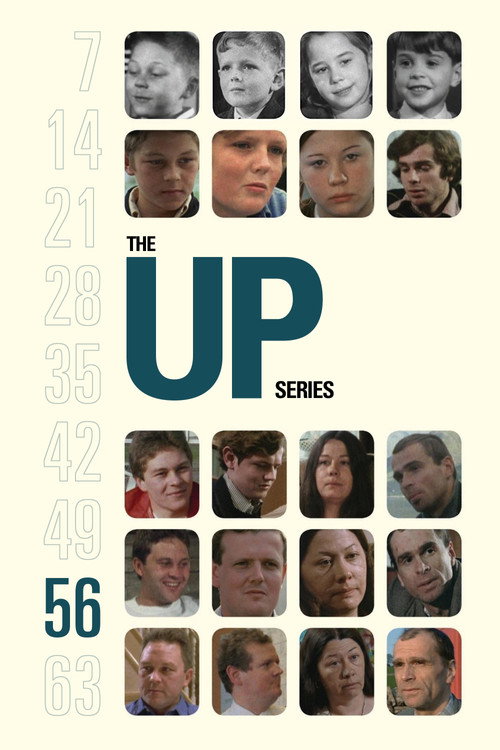
63 Up2019no page yet
The most recent instalment, filmed as the original subjects enter their sixties — it closes loops that opened in 1964 with unexpected tenderness and none of the sentimentality you'd fear.
But It's the end of something you haven't necessarily started; jumping here first skips the slow accumulation that makes the whole series work.
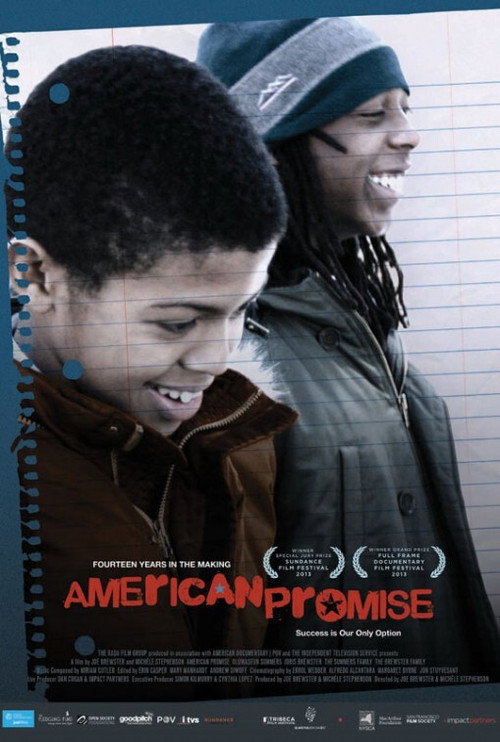
American Promise2013
Two documentary filmmakers turn the camera on their own son and his best friend for thirteen years, tracking two Black boys through an elite New York school. It's the Up method aimed squarely at race and class.
But At over two hours it's a much heavier sit than Seven Up!, and its focus is narrower — two boys, one city, one specific set of stakes.
The wildcard
Something you would not have found on your own.
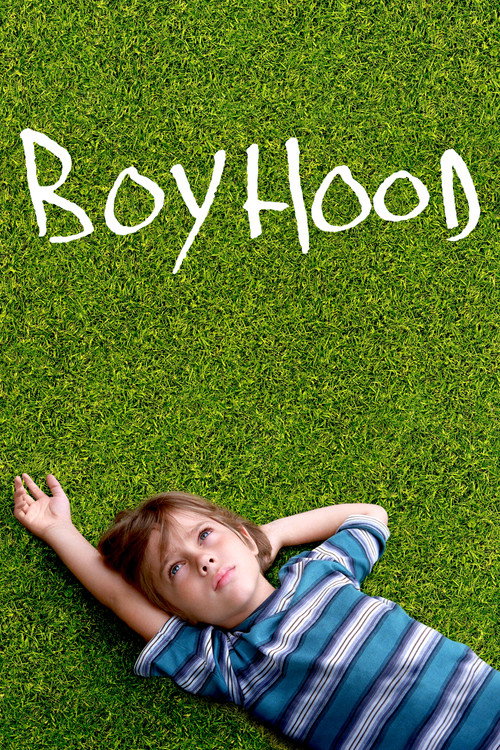
Boyhood2014
Both are built on the same impossible patience — filming a real child across years and letting time do the work no script could — except Boyhood turns the device into a story, while Seven Up! leaves it as raw evidence.
Richard Linklater filmed the same boy, growing up for real, over twelve years, then built a coming-of-age story around whatever happened to him along the way. It's Seven Up!'s trick smuggled into fiction.
But It's nearly three hours long and deliberately plotless; if you want the tension of real interviews and real stakes, a scripted version can feel oddly weightless.
More like this (8)
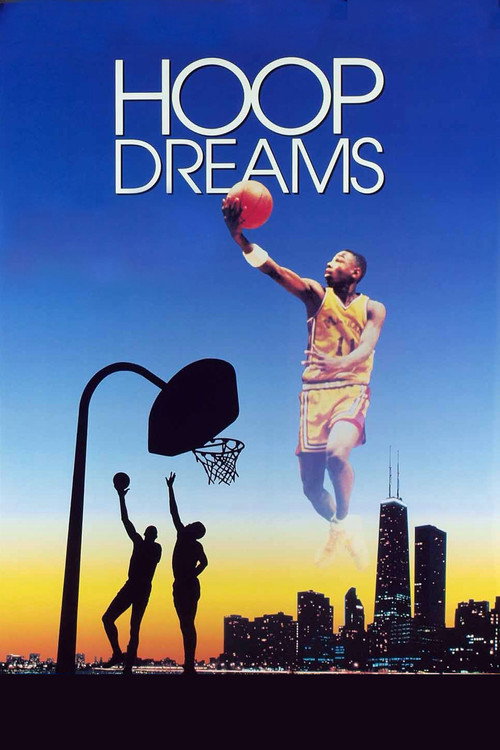
Hoop Dreams1994
Follows two Chicago teenagers chasing basketball scholarships over five years, and becomes, almost by accident, one of the great American documentaries about class. The patience is the same; the stakes feel higher.
But It's sports-adjacent in a way Seven Up! never is, and some of its power depends on caring about basketball, at least a little.
Child of Our Time2000no page yet
A BBC series that tracked British children born in 2000 from birth into adulthood, checking in, asking questions, watching what time does. If you liked the format, this is its direct descendant.
But It leans more on child psychology experts and voiceover than on the subjects simply talking, so it feels less raw and more produced.
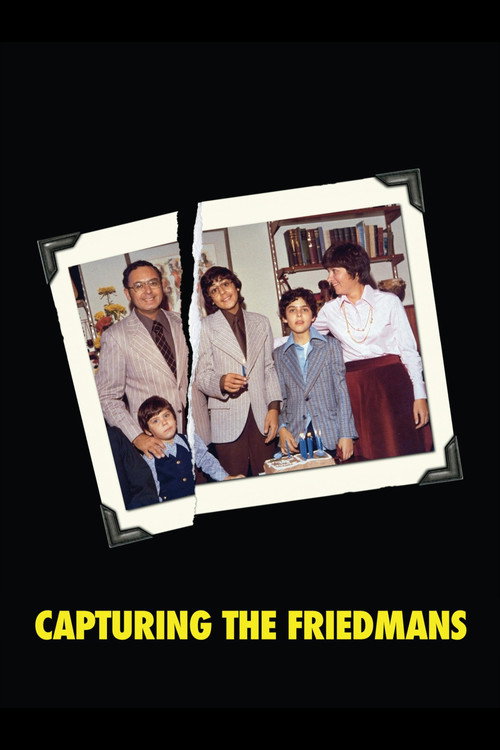
Capturing the Friedmans2003
A documentary built almost entirely from one family's own home movies, unravelling a devastating criminal case from the inside. Like Seven Up!, it trusts real people on camera to tell you more than any narrator could.
But The subject matter is far darker — this is about accusations of abuse, not the passage of ordinary life — so don't expect the same gentleness.
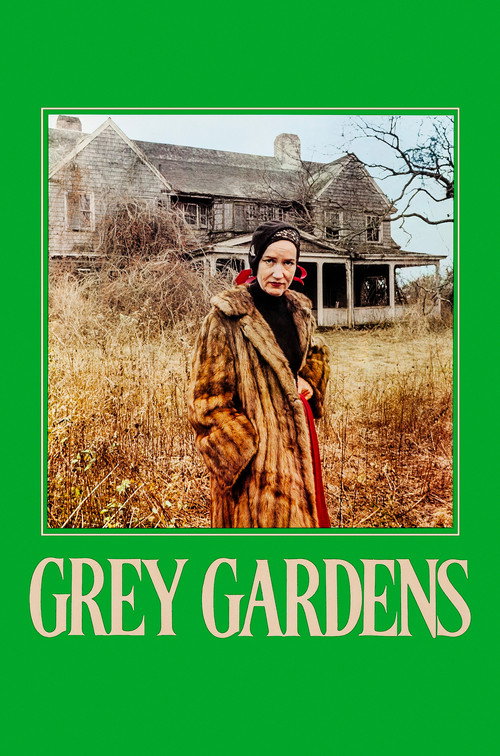
Grey Gardens1976
The Maysles brothers' portrait of a reclusive mother and daughter in a decaying East Hampton mansion, filmed with the same unblinking, non-judgmental camera that made Seven Up! feel so honest.
But It's stranger and more theatrical than anything in the Up series — closer to a character study than a social experiment.
Educating Yorkshire2013no page yet
A British classroom documentary that gets remarkably close to real teenagers navigating exams, friendships and family pressure — the same appetite for ordinary British lives, just compressed into one school year instead of decades.
But The stakes are smaller and the format leans more conventional reality TV; it lacks the accumulated weight of watching someone's whole life unfold.
The Staircase2022
A French documentary crew embeds with an American family through a murder trial that drags on for over a decade, and the patience pays off in a slow, unsettling character study.
But It's true crime, not social portraiture — if you came to Seven Up! for its gentleness, this is a much colder, more suspicious watch.
Big Brother2000
Both put ordinary Britons of different backgrounds in front of a camera and ask viewers to watch what emerges — Seven Up! did it with scientific patience across a lifetime, Big Brother does it for cash and gossip in twelve weeks.
The other British experiment in watching ordinary people on camera to see what happens — just compressed from decades into weeks, with a diary room instead of an interviewer's careful questions.
But It's engineered for drama and eviction twists in a way Seven Up! never was — this is entertainment first, sociology a very distant second.
Housing Problems1935no page yet
Seven Up!'s great innovation — pointing a camera at ordinary people and letting them speak for themselves about class and circumstance — didn't start in 1964. Housing Problems did it thirty years earlier, and the whole idea is already there in embryo.
A twenty-minute British short from three decades before Seven Up!, in which slum tenants in London's East End speak straight to camera about their own lives — one of the first films anywhere to let working people narrate themselves.
But It's a propaganda-adjacent piece made to campaign for slum clearance, not a neutral portrait, and its early-documentary style will feel primitive next to 1960s television.
People
Cast
- Lynn JohnsonSelf
 Tony WalkerSelf
 Bruce BaldenSelf
 Neil HughesSelf
 Nicholas HitchonSelf
 Susan SullivanSelf
 John BrisbySelf
 Peter DaviesSelf
 Suzanne DeweySelf
Directing
- Paul AlmondDirector
Production
- Derek GrangerExecutive Producer
- Tim HewatExecutive Producer
- Paul AlmondProducer
- Gordon McDougallResearcher
- Michael AptedResearcher
Recommended by
Boyhood, Till Death Us Do Part, Jonny Briggs, An American Family, The Royle Family, The Fast Show, The Likely Lads