
Film
42 Up
- Drama
- Slow-burning
The seventh installment in Michael Apted's four-decade longitudinal experiment, where the same British subjects are revisited at 42. It's mesmerizing precisely because nothing dramatic happens—just lives unfolding, marriages lasting or fracturing, children growing, ambitions realized or quietly abandoned. A profound meditation on time, choice, and the people we become.
Should you watch it?
Watch it if you have followed this series from the start, or you love watching real people age on screen and want to see how their choices have held up against the years.
Skip it if you came for slick pacing or a plot that unfolds, since this is talking heads for over two hours and it leans on earlier entries for its weight.
What it asks of you: Patience with long stretches of ordinary conversation, and a willingness to sit through two and a quarter hours of unscripted reflection at a measured pace.
Not sure? Find tonight's pick in a minute.
If you liked this
Seven Up!1964
The genesis of everything: Apted's original 1964 documentary follows seven-year-olds from across the British class spectrum. Watch this first to feel the shock of recognition when these same faces reappear, transformed, in later chapters.
But It's a short film by modern standards (40 minutes) and the children are, well, children—charming but not yet the complex adults their future selves will be.
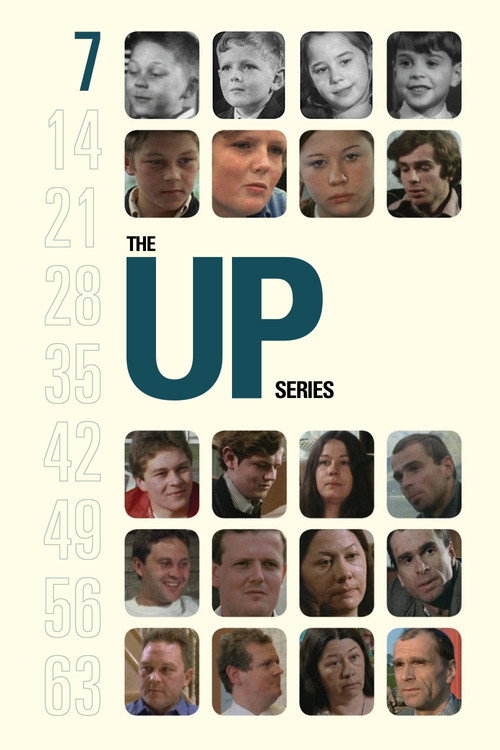
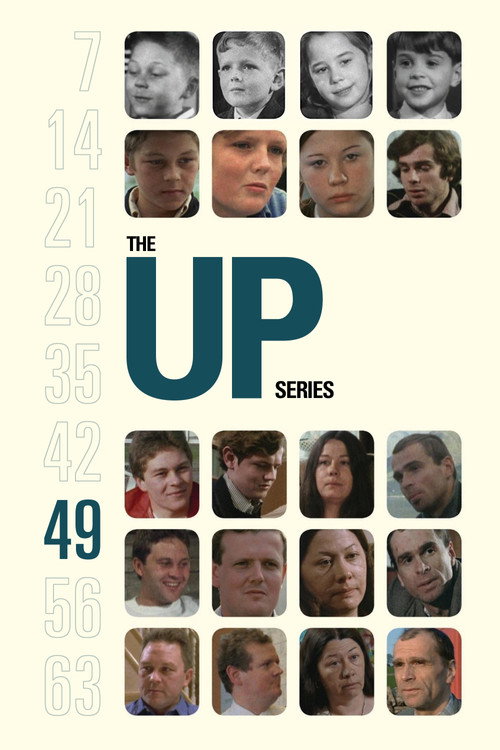
49 Up2006
If you're gripped by the 42 Up subjects, this sequel continues the story seven more years forward, deepening the patterns you'll notice and introducing new crises and revelations. It's the natural continuation.
But By this point the format is well-established; if you find the structure repetitive, another seven-year checkpoint may feel like retreading ground rather than discovering new terrain.
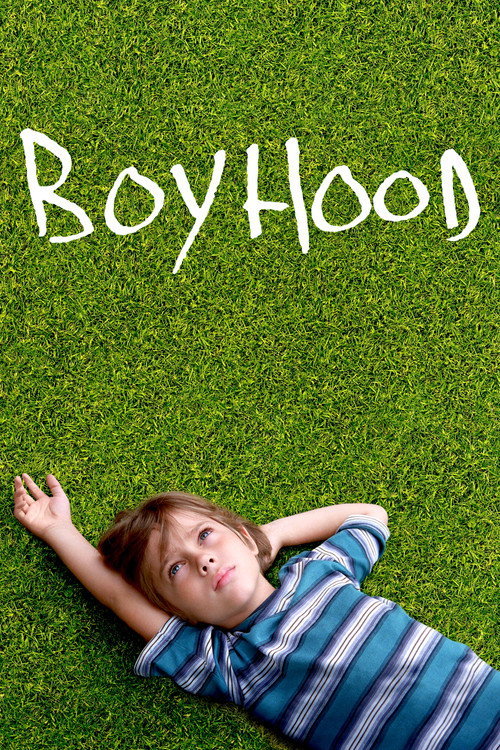
Boyhood2014
Richard Linklater filmed the same actors over 12 years, creating a narrative feature that mirrors Apted's documentary approach. It captures the same quiet accumulation of time, though with scripted drama rather than lived reality.
But It's a fiction film, not a documentary, and some find its slice-of-life pacing glacial—long conversations about nothing in particular that test your patience.
Not sure tonight? Get a pick in a minute, starting from 42 Up
The wildcard
Something you would not have found on your own.
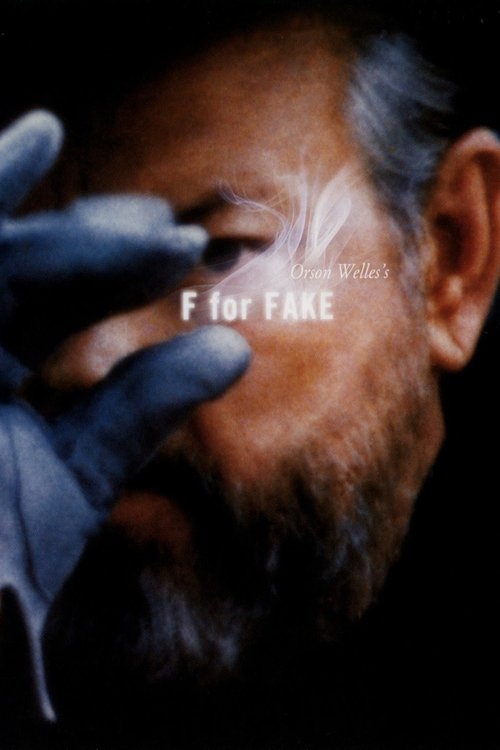
F for Fake1973
Both are documentaries that question the very medium they're using to tell their story—what can we really know from observation?
Orson Welles's essay on forgery, authorship, and documentary truth itself. Both films are obsessed with what it means to truly know someone over time—Welles interrogates the possibility; Apted demonstrates it's possible but humbling.
But It's a formal experiment that plays with chronology, footage, and truth in ways that can feel deliberately obscure. If you want clarity, this will frustrate you.
More like this (8)
The Act of Killing2012
Another profound documentary about reckoning with the past, though it puts subjects in active conversation with history rather than passively revisiting them. Morally urgent and formally inventive in ways that will deepen your thinking.
But It documents mass atrocity and the men who committed it. Watching people rationalize genocide is necessary and harrowing—not an easy evening.

Grey Gardens1976
The Maysles brothers' unsparing portrait of two eccentric women in a decaying mansion. Like 42 Up, it observes people in their actual habitat with patience and affection, finding grandeur in ordinary eccentricity.
But The subjects are challenging people living in filth and delusion. Some find it exploitative; others feel queasy watching mental illness and hoarding without intervention.

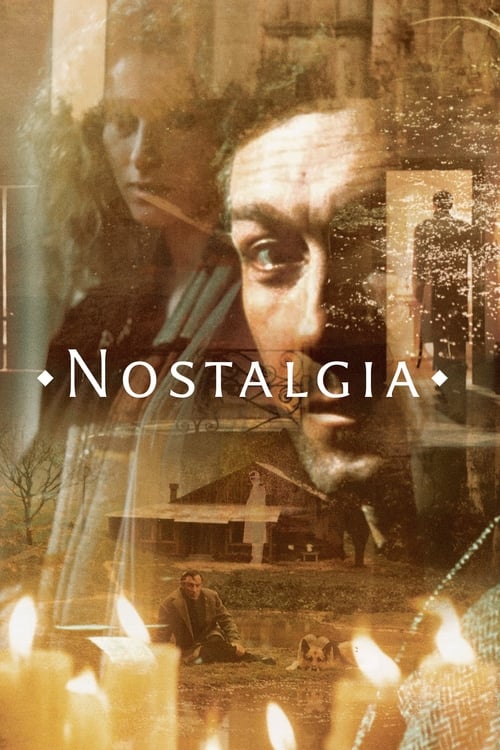
Nostalgia1983
Andrei Tarkovsky's meditative film moves through landscapes and memory with the same unhurried rhythm as the Up series. It's about time, choice, and what remains. Spiritually aligned with Apted's project.
But At 163 minutes, it's glacially slow, shot in long takes with minimal plot. Patience isn't just required; it's practically the entire experience.
Moonlight2016
Three chapters following the same man at different ages: a child, a teenager, an adult. Like the Up series, it's about how people change while remaining themselves, exploring identity and the weight of the past.
But It's slow-burn, formally experimental, and emotionally devastating. Some find its quietness alienating rather than moving.

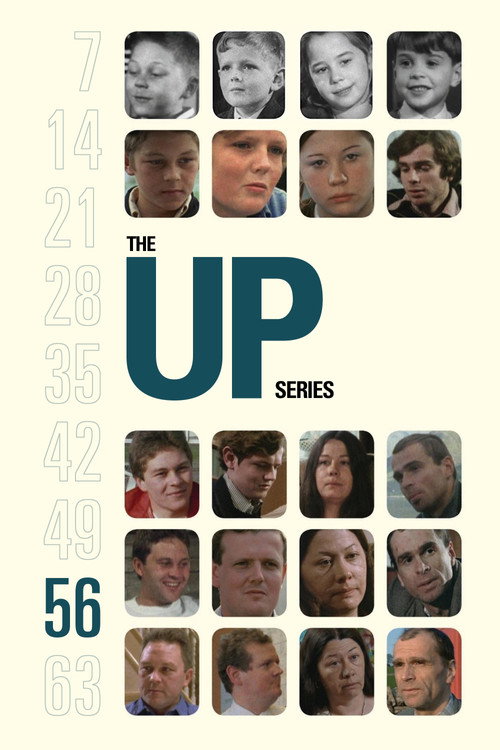
56 Up2012
If 42 Up captures you, the 2012 installment is worth tracking down to see these people at 56. New challenges, new losses, and the cumulative power of watching lives across five decades becomes almost unbearable.
But It's 190 minutes long and assumes you've watched the previous films. Jumping in here means missing the connective tissue that makes the emotional impact land.
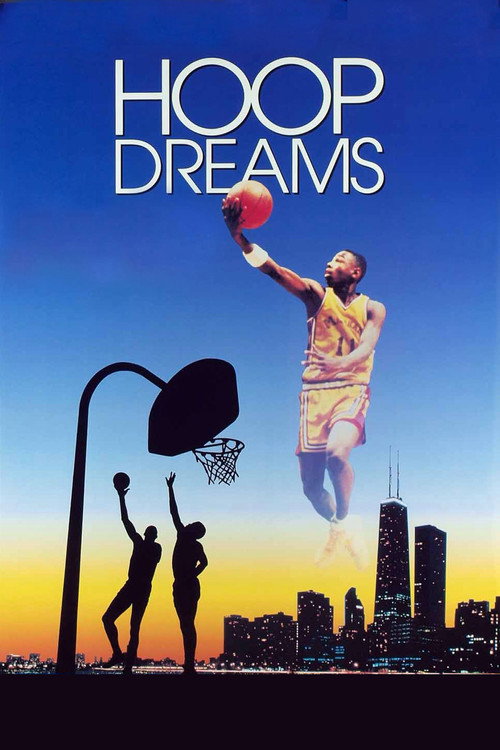
Hoop Dreams1994
A five-year documentary following two basketball players from high school into college and beyond. It has the same unflinching observation of lives shaped by circumstance and choice as the Up series.
But At 171 minutes, it's exhausting. Some feel the basketball element overshadows the human complexity, and others find the class analysis heavy-handed.
Stalker1979
Both use extreme patience and repetition to reveal truth—Apted through returning to the same people, Tarkovsky through returning to the same spaces.
Tarkovsky's science-fiction film about a man guiding others toward a room that grants wishes. Beneath the sci-fi premise, it's about the same thing as 42 Up: whether we ever truly become who we thought we'd be, and what we do with that knowledge.
But 163 minutes of walking through empty landscapes with minimal dialogue. If you hate slow cinema, this is torture; if you love it, this is prayer.

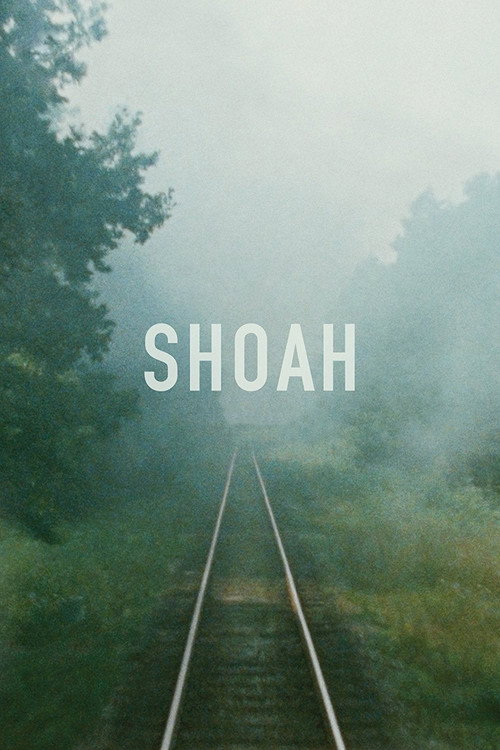
Shoah1985
Both films are built on the radical belief that patience and attentive listening across time reveals what cannot be captured any other way.
Claude Lanzmann's nine-hour oral history of the Holocaust, built entirely from interviews with survivors, perpetrators, and witnesses. Like the Up series, it believes that listening to a person speak at length, over time, is the closest we get to truth.
But It's nine hours of testimony about systematic murder. The length is the point—you must sit with the weight of it. Not everyone can or should.
People
Cast
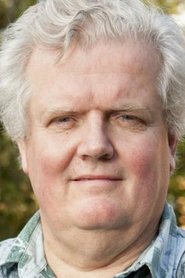 Bruce BaldenSelf
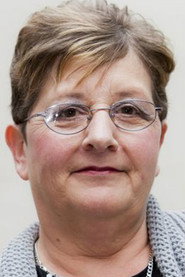
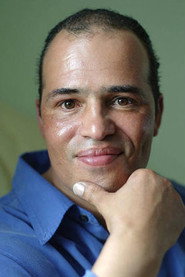
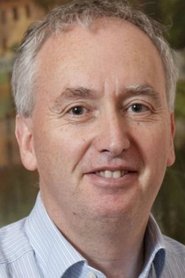
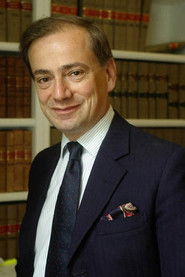 John BrisbySelf (archive footage)
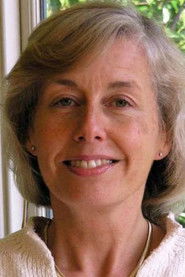 Suzanne DeweySelf
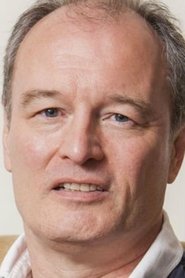 Nicholas HitchonSelf
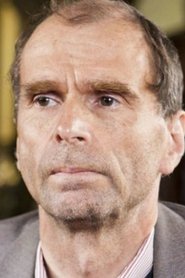 Neil HughesSelf
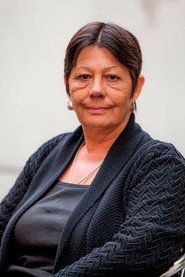 Lynn JohnsonSelf
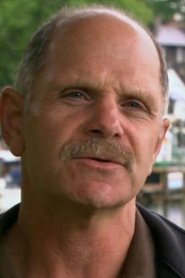 Paul KligermanSelf
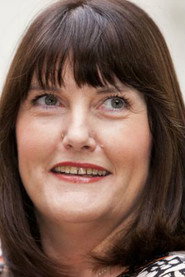 Susan SullivanSelf
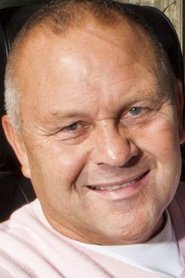 Tony WalkerSelf
Directing
- Michael AptedDirector
Production
- Claire LewisCo-Producer
- Ruth PittExecutive Producer
- Stephen LambertExecutive Producer
- Michael AptedProducer
- Jacki TurnerProduction Coordinator
- Jackie McKinneyProduction Coordinator
- Jeanney KimProduction Coordinator
- Melanie ArcherResearcher