
Film
28 Up
- Coming-of-age
- Slow-burning
Michael Apted's landmark documentary follows the same seven British people from childhood into adulthood, checking in every seven years. By 28, they're grappling with career choices, relationships, and whether life has matched their younger selves' expectations. It's a profound meditation on time, class, and the gap between who we thought we'd become and who we actually are. Mesmerizing and oddly intimate.
If you liked this
Seven Up!1964
The beginning of Apted's series, where it all starts—watching seven-year-olds answer simple questions about their futures is heartbreaking once you know what comes next. It's the foundation that makes the whole project sing.
But At 52 minutes, it's much shorter and lighter in tone than the later films. Some find the early segments feel more like curiosities than deep character study.
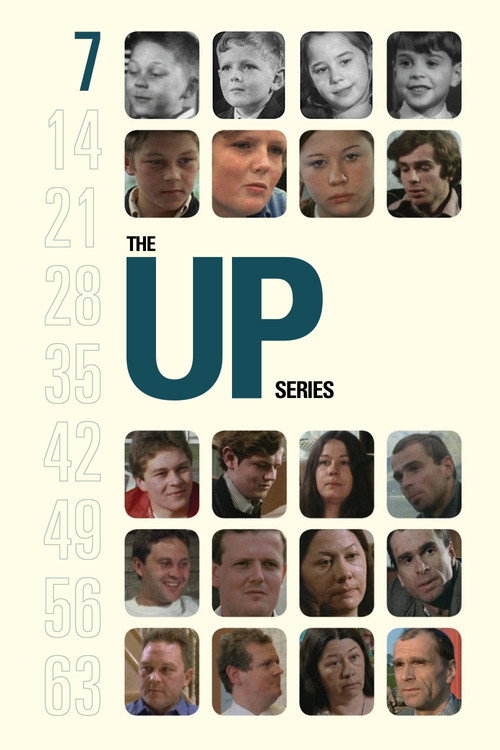
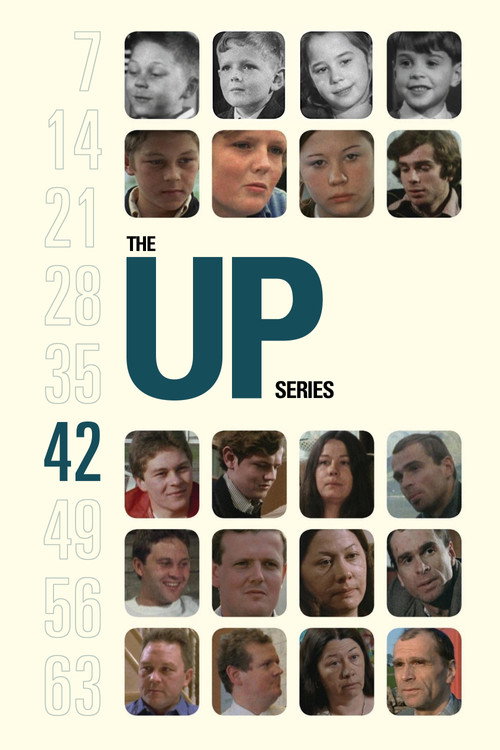
42 Up1999
By middle age, the participants are wrestling with divorce, parenthood, career regrets, and mortality in ways that hit different than the 28-year-old version. If 28 Up raises questions, this answers them—sometimes brutally.
But It's 3 hours 15 minutes and deliberately paced. Watching people process disappointment in real time can feel heavy without the novelty of the original premise carrying you.
Grey Gardens1976
Another landmark documentary about real people: two reclusive women, aunt and niece, living in decay in a crumbling East Hampton mansion. Like 28 Up, it's uncomfortable, compassionate, and utterly transfixing—a time capsule that feels alive.
But It's bleak and claustrophobic. The subjects' mental health struggles are on full display, which some find exploitative or just deeply sad to sit with.

Not sure tonight? Get a pick in a minute, starting from 28 Up
The wildcard
Something you would not have found on your own.
The Seventh Seal1957
Both are sustained meditations on time, identity, and whether we've found our place in the world—but one stretches across decades of real life, the other across one symbolic night.
Bergman's medieval knight confronts mortality and meaninglessness in a single night. Where 28 Up traces meaning across decades, this compresses the same existential reckoning into hours. Both films ask: what is a life? How do you live with what you find?
But It's 1950s Bergman—black and white, slow, extremely European. There's no plot momentum, only meditation. If you need narrative propulsion, you'll feel trapped.

More like this (6)
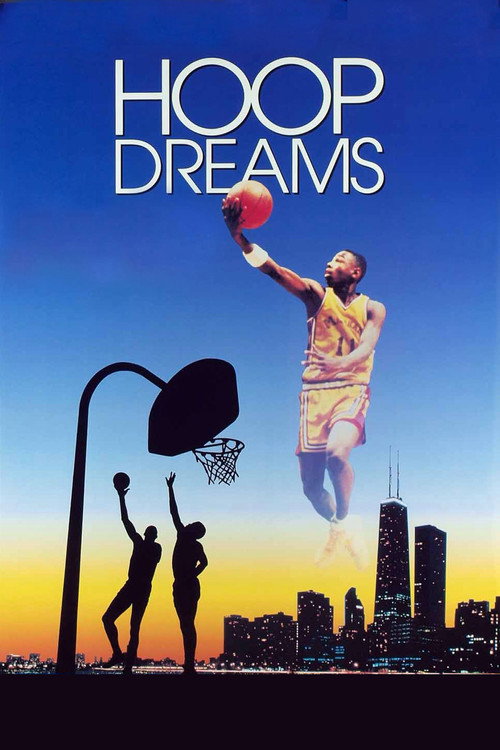
Hoop Dreams1994
Follows two Black teenagers pursuing basketball dreams over five years. It has the same DNA as 28 Up—long-form observation of real lives, the passage of time, systems that shape futures. Devastating and unforgettable.
But Nearly three hours, and deeply tied to American race and class politics. The basketball portions might feel slow if you're not invested in the sport itself.
Pumzi2009
A 15-minute science-fiction short set in a dystopian future where a woman risks everything to grow a plant. It shares 28 Up's quiet power—saying volumes with minimal dialogue, letting images and implications do the heavy lifting.
But At 15 minutes, it's barely a snack. Some find it more poetic metaphor than satisfying narrative. Not much dialogue to grab onto.

My Name Is Khan2010
Shah Rukh Khan plays a man with Asperger's navigating post-9/11 America, faith, family, and identity. It's quieter than typical Bollywood; the focus is on character study and how society shapes self-understanding—close kin to Apted's concerns.
But Some find it oversimplified in how it handles disability and religious tolerance. The emotional beats can feel manipulative if you're not with it.

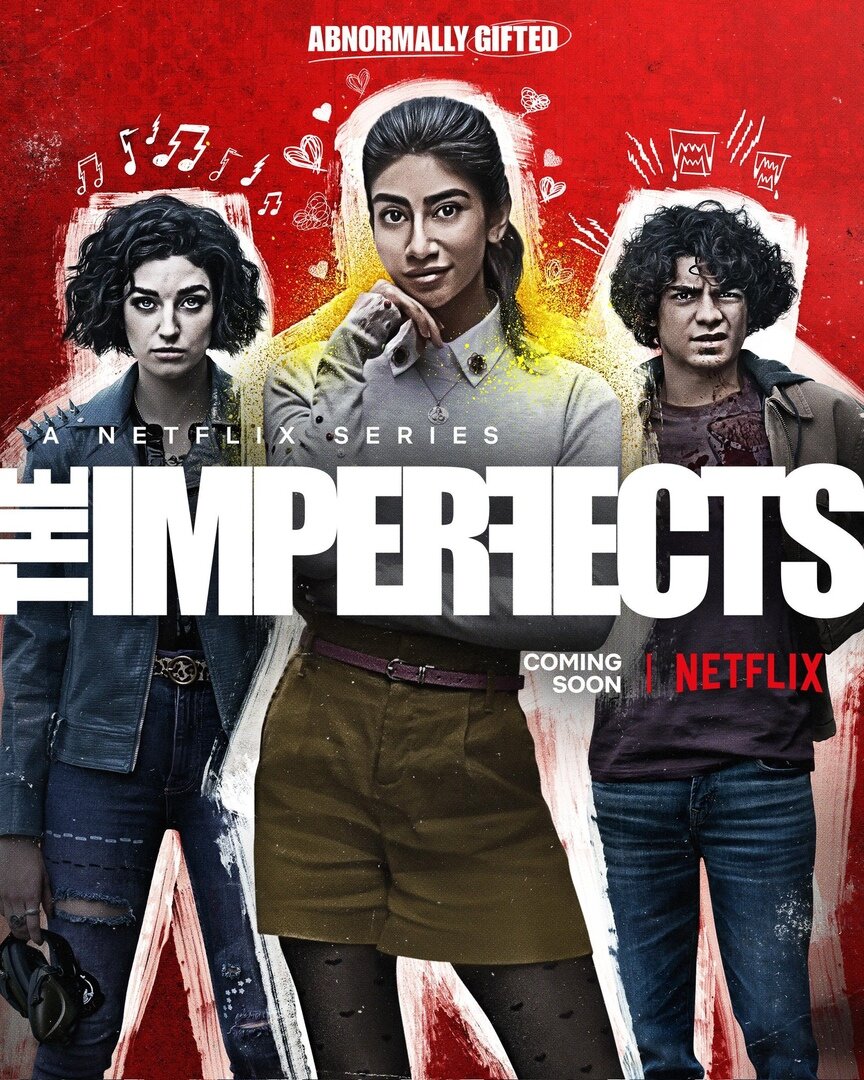
The Imperfects2022
A Korean drama that follows three women over weeks and months as they navigate careers, romance, and self-image after a transformation gone wrong. It's character-first storytelling with real investment in how people change and adapt.
But It's a Netflix series, so pacing and tone aren't always consistent. The fantasy element might feel at odds with the character work if you want pure realism.
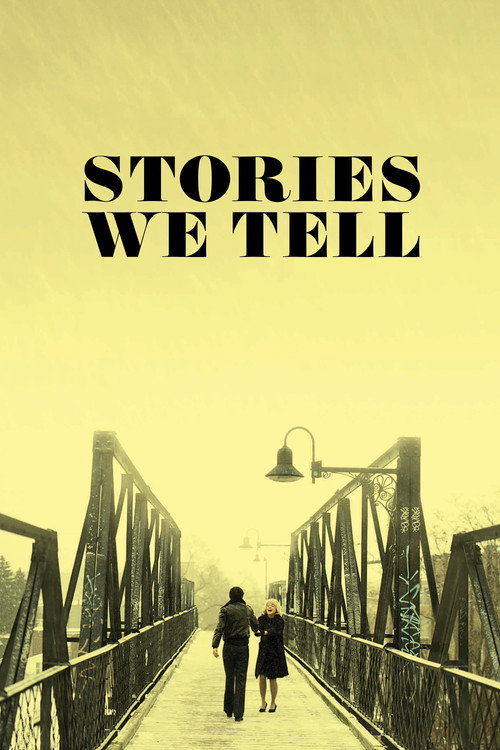
Stories We Tell2012
Michael Haneke's documentary about his own family history, told by multiple perspectives. It's a meditation on memory, truth, and how the stories we tell about ourselves shape identity—abstract but deeply personal, like 28 Up inverted.
But Very experimental and self-conscious about its own filmmaking. If you want clear narrative or emotional accessibility, this withholds both deliberately.
Boyhood2014
Both use the passage of real time as their central device. 28 Up documents a life; Boyhood dramatizes one. Same structure, opposite modes—one is documentary truth, the other is fiction that feels more true than the real thing.
Linklater filmed the same boy and his family in 12 short scenes over 12 years, released as a single 166-minute film. It's the fictional parallel to 28 Up—the same conceit applied to cinema, watching someone become themselves in real time. Warm, unglamorous, true-feeling.
But Long and deliberately undramatic. Things don't really happen; they accrue. If you need plot or clear character arcs, you'll find it slack and slow.

People
Cast
 Lynn JohnsonSelf
 Tony WalkerSelf

 Bruce BaldenSelf

 Paul KligermanSelf

 Neil HughesSelf
 Peter DaviesSelf
 Suzanne DeweySelf
 Susan SullivanSelf
 John BrisbySelf (archive footage)
Directing
- Michael AptedDirector
Production
- Steve MorrisonExecutive Producer
- Michael AptedProducer