Television series
Jonny Briggs
Jonny Briggs is early-'80s British children's television at its most unpretentious: a scruffy Manchester terrace, a loudly opinionated family, and a boy just trying to get through school bullies, sibling teasing and Sunday dinners intact. It's kitchen-sink realism shrunk down for kids — no fantasy, no gimmicks, just ordinary working-class life played gently for laughs. Best suited to the nostalgic or the curious about pre-digital, hyper-local BBC comedy.
Should you watch it?
Watch it if you enjoy kitchen-sink realism told plainly, where small domestic upsets and the noisy chaos of a big working-class household loom large through a child's eyes.
Skip it if you want fast plots or modern polish; the stories are small, unhurried and built on school squabbles and family rows, which only works if you enjoy the everyday.
What it asks of you: Short episodes of roughly twenty-five minutes, one at a time, with a slow observational rhythm; it wants patience with ordinary moments rather than constant payoff.
Not sure? Find tonight's pick in a minute.
If you liked this
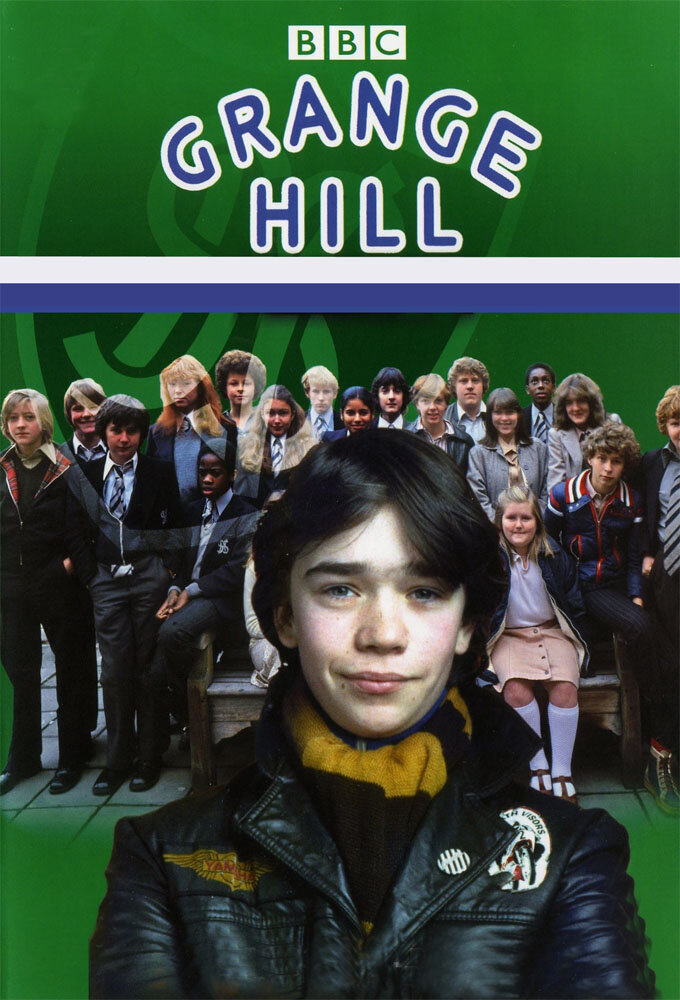
Grange Hill1978
The originator of British school-set kids' drama — scruffy, funny, occasionally quite dark, and never condescending to its young audience. If Jonny Briggs is home life, this is the other half of the day.
But Early seasons are slow-paced and the fashions date it hard; some episodes lean into after-school-special moralising.
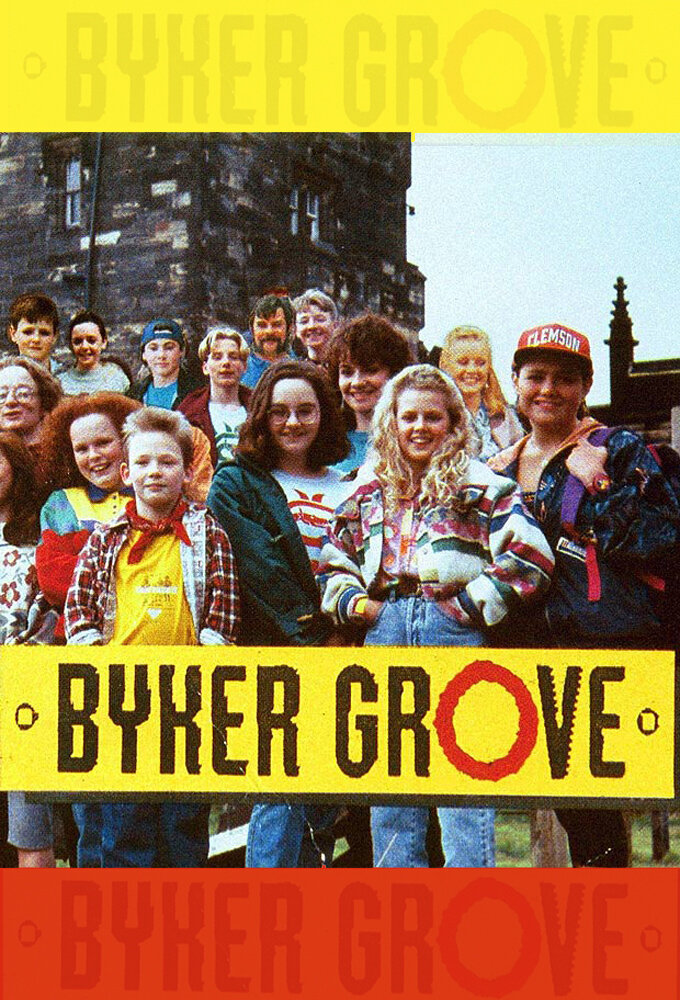
Byker Grove1989
Newcastle youth-club comedy-drama with the same unpretentious regional voice, plus the bonus of spotting Ant and Dec years before fame. Warm, scrappy, proudly working-class.
But Slightly older target audience means less family-kitchen chaos and more teenage social drama.
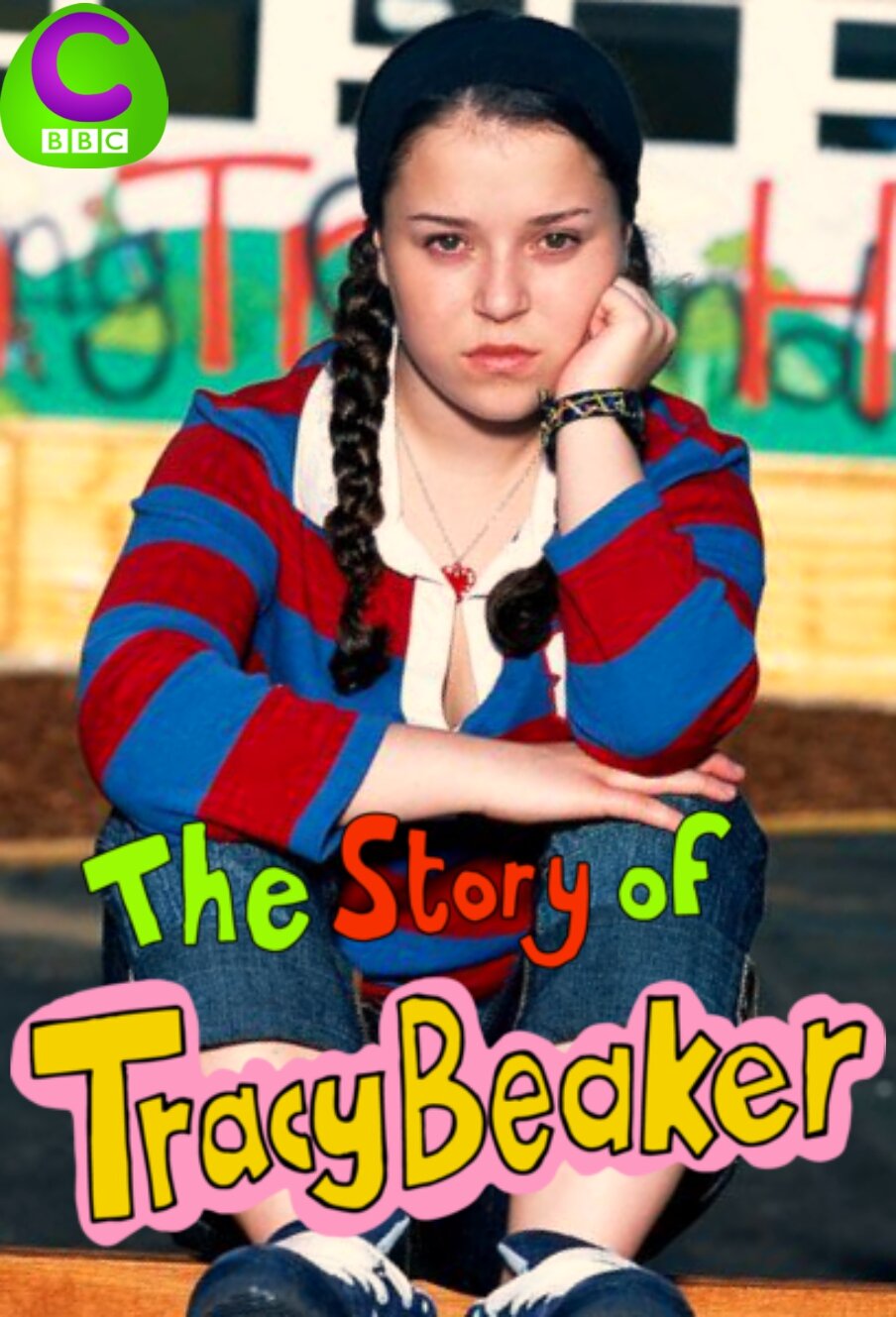
The Story of Tracy Beaker2002
A loud, funny, occasionally heartbreaking portrait of a kid narrating her own chaotic life with total confidence — the direct descendant of shows like this, just with a sharper emotional edge.
But Care-home setting brings heavier themes than Jonny Briggs ever touched, and the tone swings further into sadness.
Not sure tonight? Get a pick in a minute, starting from Jonny Briggs
The wildcard
Something you would not have found on your own.
Kes1970
Same Northern English working-class terraces, same school bullies and stretched family, same eye for the ordinary — but played entirely straight, as tragedy instead of comedy.
Ken Loach's masterpiece about a bullied boy and his kestrel is the serious, heartbreaking mirror image of Jonny Briggs' world — same streets, none of the jokes.
But Bleak, slow, and genuinely upsetting in places; nothing here is played for laughs and there's no comfort at the end.

More like this (8)
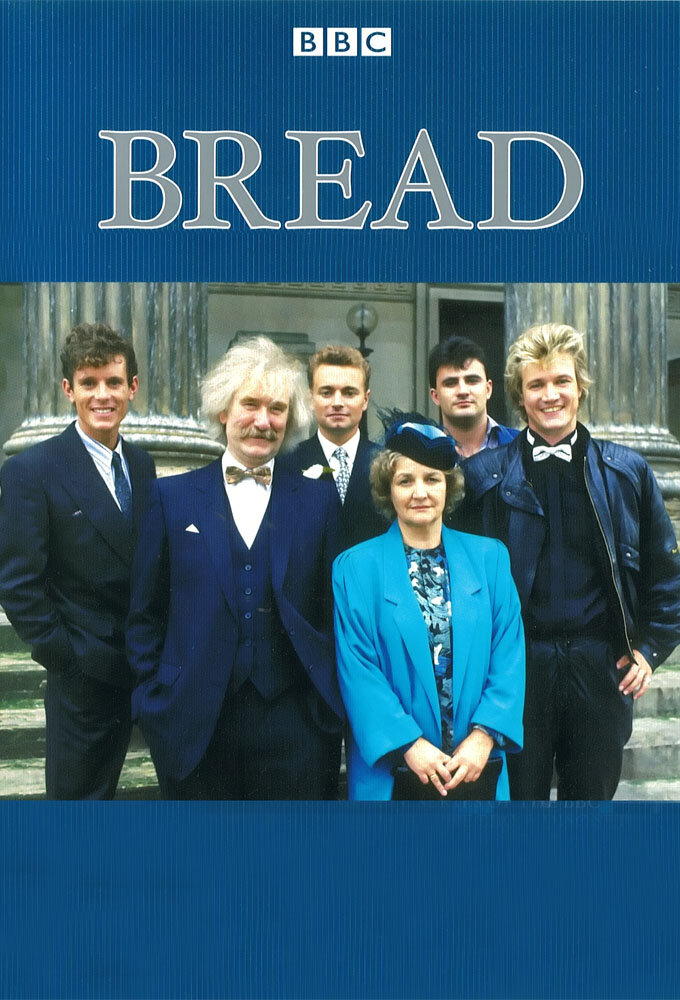
Bread1986
Same city, same decade, same big loud working-class family bickering round a kitchen table — just aimed at grown-ups, with sharper jokes and a scheming mam running the show.
But Adult sitcom rhythms and innuendo mean it's not remotely a kids' show despite the family setup.
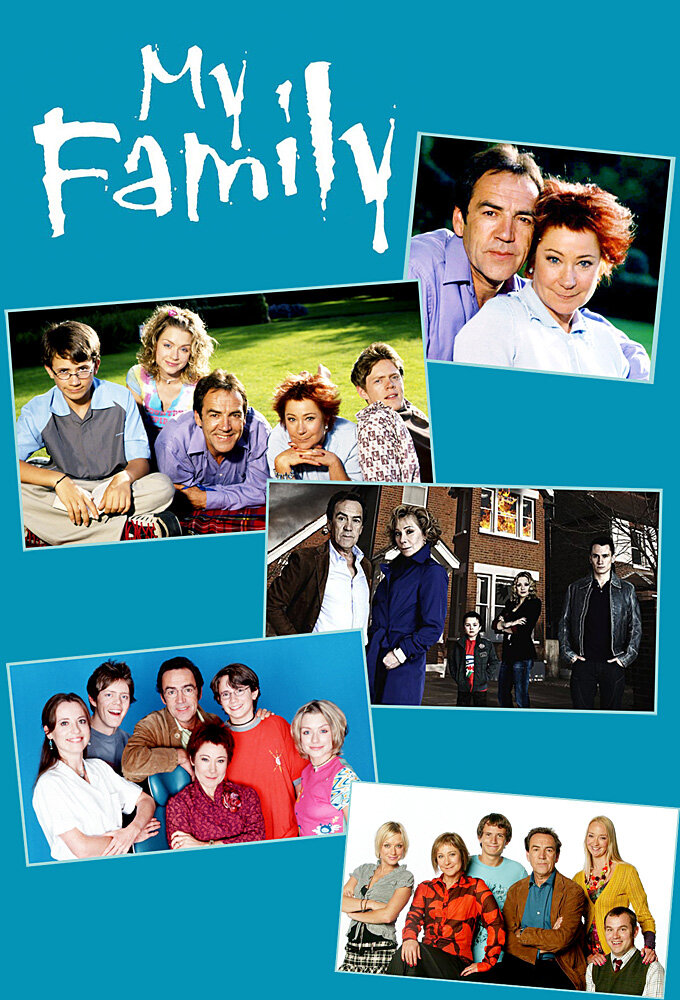
My Family2000
Multi-camera sitcom built entirely on domestic bickering and sibling rivalry, filmed with the same cosy, studio-audience warmth. Comfort food television, easy to dip into anywhere.
But Broader, more sitcom-y jokes than Jonny Briggs' gentle realism; the laugh track can feel dated.
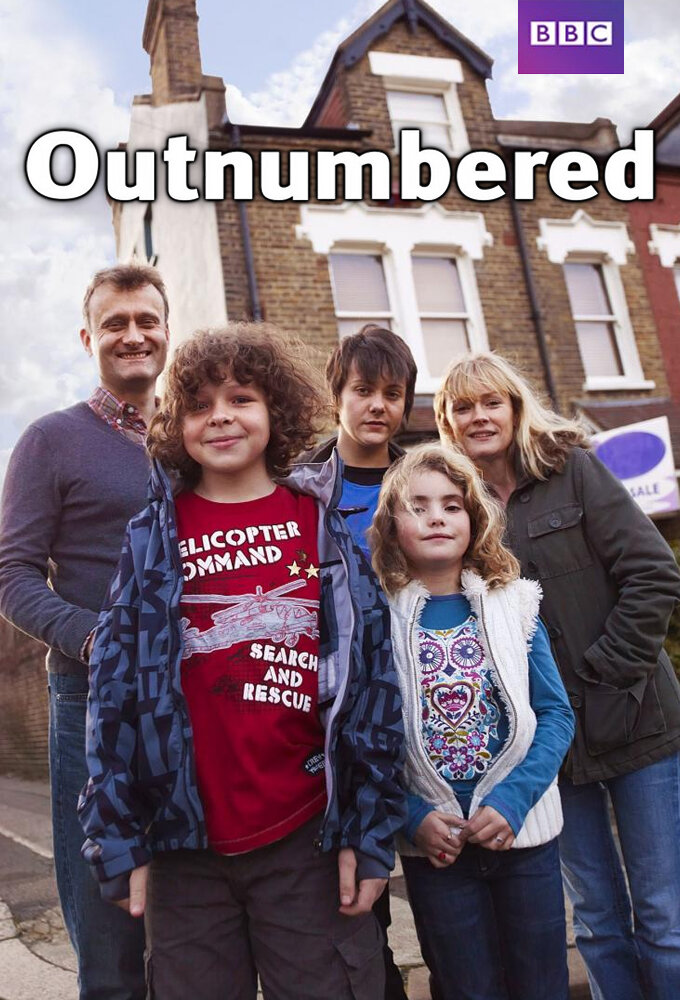
Outnumbered2007
Loosely scripted, let-the-kids-improvise chaos that captures real sibling logic and parental exhaustion better than almost anything else on British TV. Genuinely, consistently funny.
But Contemporary middle-class London setting is a world away from Jonny Briggs' Manchester terraces.
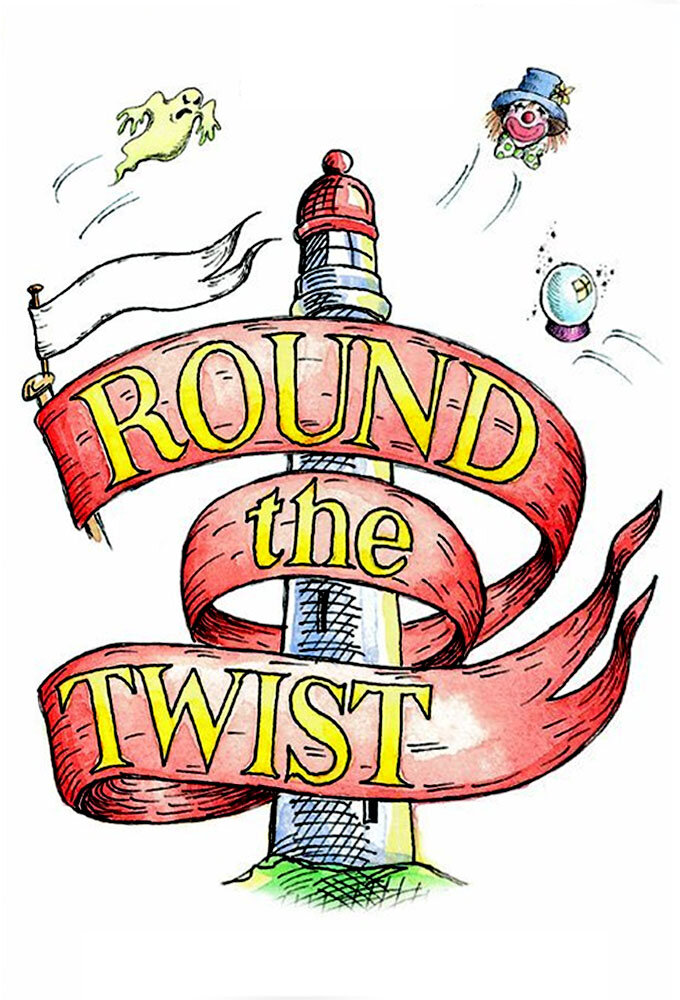
Round the Twist1990
Australian family comedy with the same episodic, kid's-eye-view structure, just with a lighthouse, ghosts, and considerably more body-swap weirdness thrown in.
But Fantastical elements are a big tonal departure from Jonny Briggs' grounded realism.
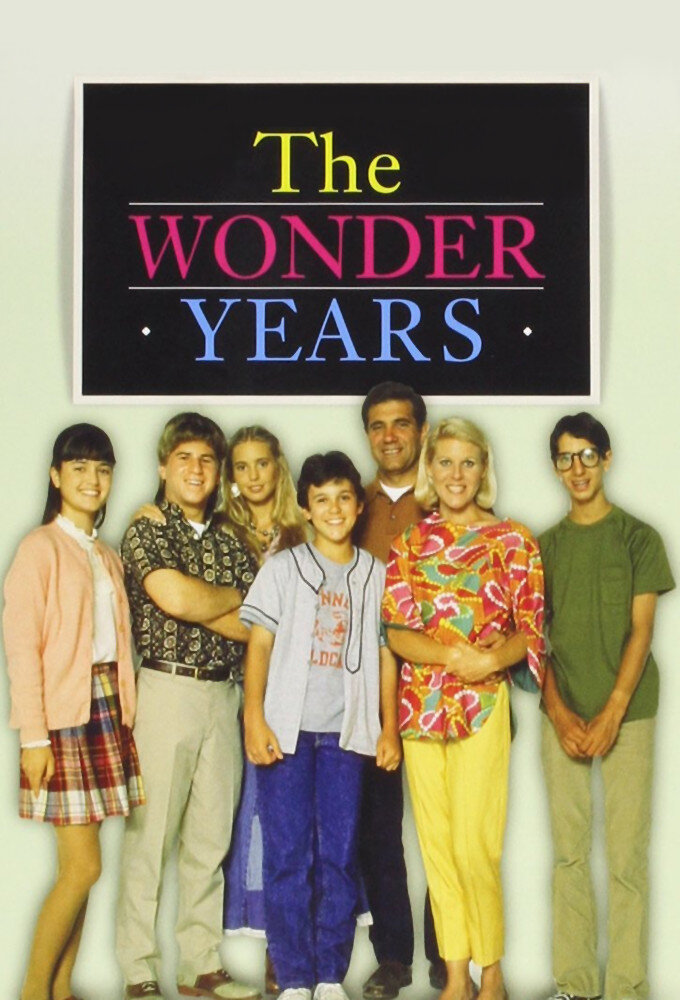
The Wonder Years1988
American suburban childhood narrated with wry adult hindsight — a different accent and decade, but the same fondness for the small indignities of growing up in an ordinary family.
But Voiceover nostalgia and a more polished, sentimental Hollywood sheen than Jonny Briggs' rougher charm.
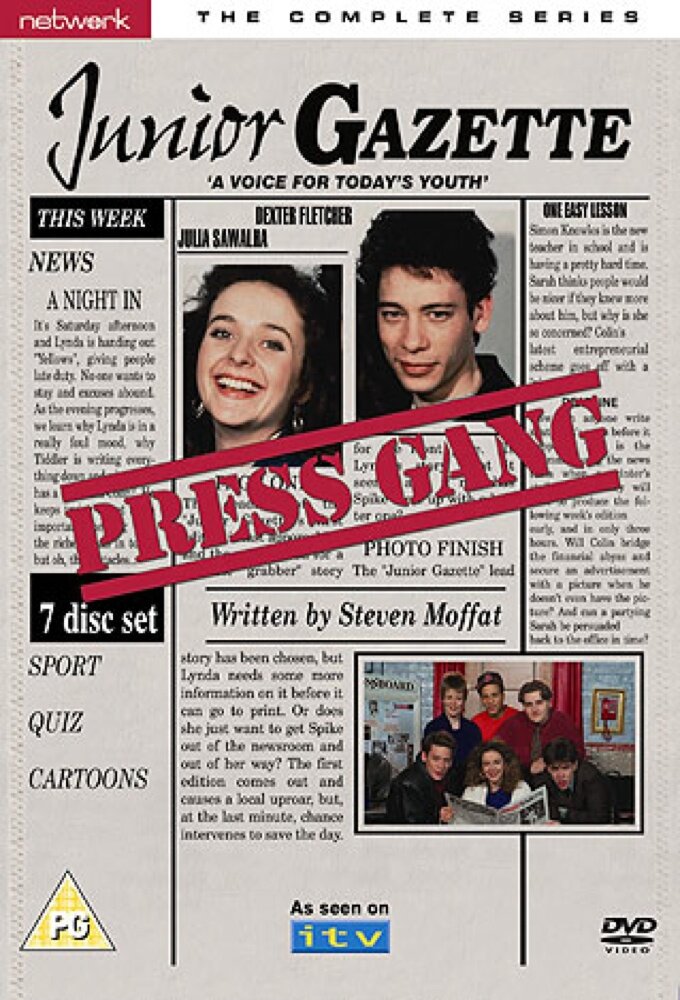
Press Gang1989
Sharper, faster, and aimed a few years older, but still built on a scrappy young British ensemble bickering their way through everyday scrapes — this time round a school newspaper office.
But Teen romance and newsroom plotting replace family life entirely; tonally much more grown-up.
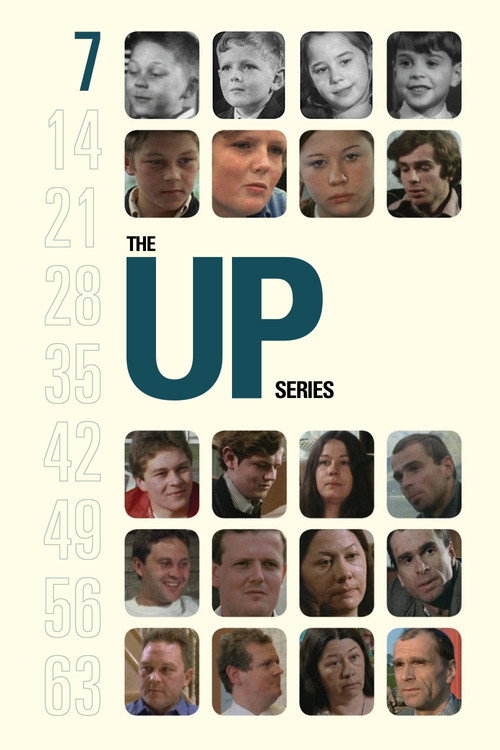
Seven Up!1964
Same fascination with ordinary British children and their families, same regional class textures — but real, unscripted, and revisited every seven years so you watch actual kids become actual adults.
The original 'follow real kids across their lives' documentary, astonishingly intimate and unguarded — this is what kitchen-sink realism looks like when nobody's acting.
But No jokes, no plot, no resolution in a single sitting — it demands patience and, ideally, commitment to the whole decades-spanning series.
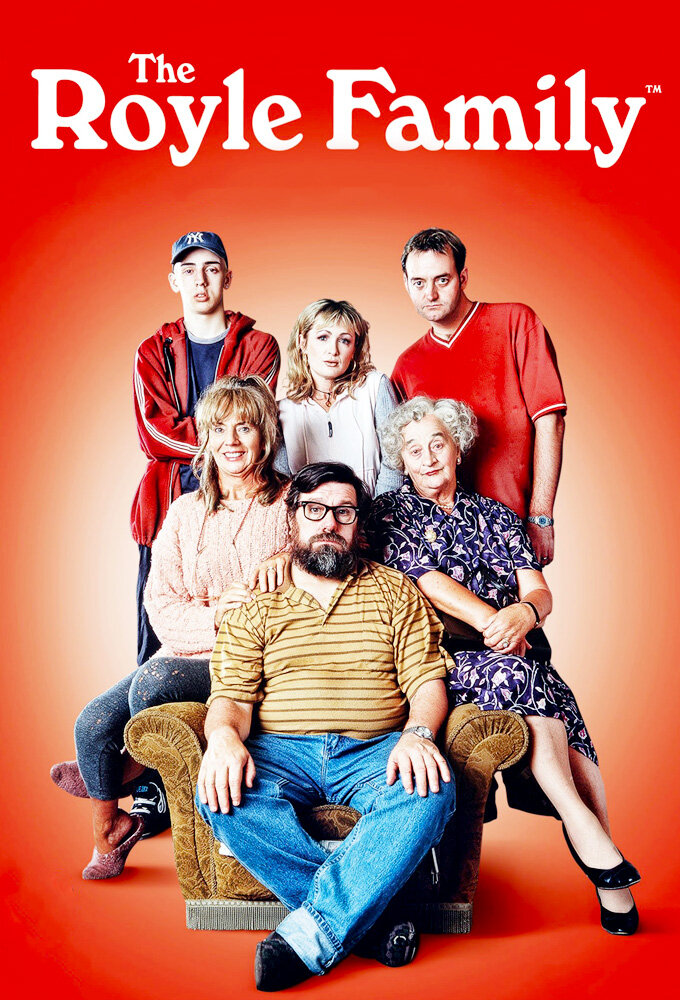
The Royle Family1998
Grown-up version of the same joke: a loud, ordinary working-class family talking over each other in one room, filmed with the same fondness for the mundane — just for adults, and much slower.
Britain's most beloved sofa-sitcom proves the Jonny Briggs formula — ordinary family, ordinary room, huge affection — works even better with the jokes stripped down to near-silence.
But Almost nothing happens by design; if you need plot or pace, this will test you fast.