Television series
Press Gang
Press Gang is a teen newsroom drama built like an adult one: fast, cynical, funny, and unafraid to let its schoolkids face real consequences. Spike and Lynda's combustible partnership drives most of it, but Steven Moffat's early scripts pack in addiction, bereavement and office politics alongside the jokes. It trusted teenagers with genuine stakes, and it still holds up.
If you liked this
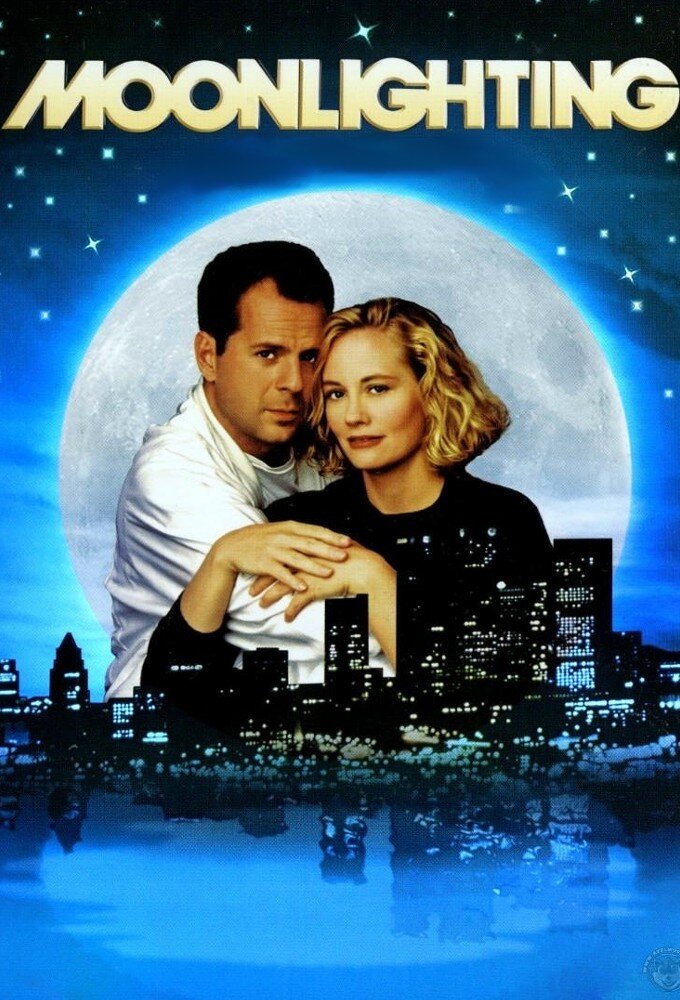
Moonlighting1985
The template for will-they-won't-they banter shows: two mismatched leads trading rapid wisecracks while solving cases, with the same electric, exhausting chemistry that powers Spike and Lynda.
But The tone lurches between screwball comedy and soap, and later seasons visibly buckle under behind-the-scenes drama.
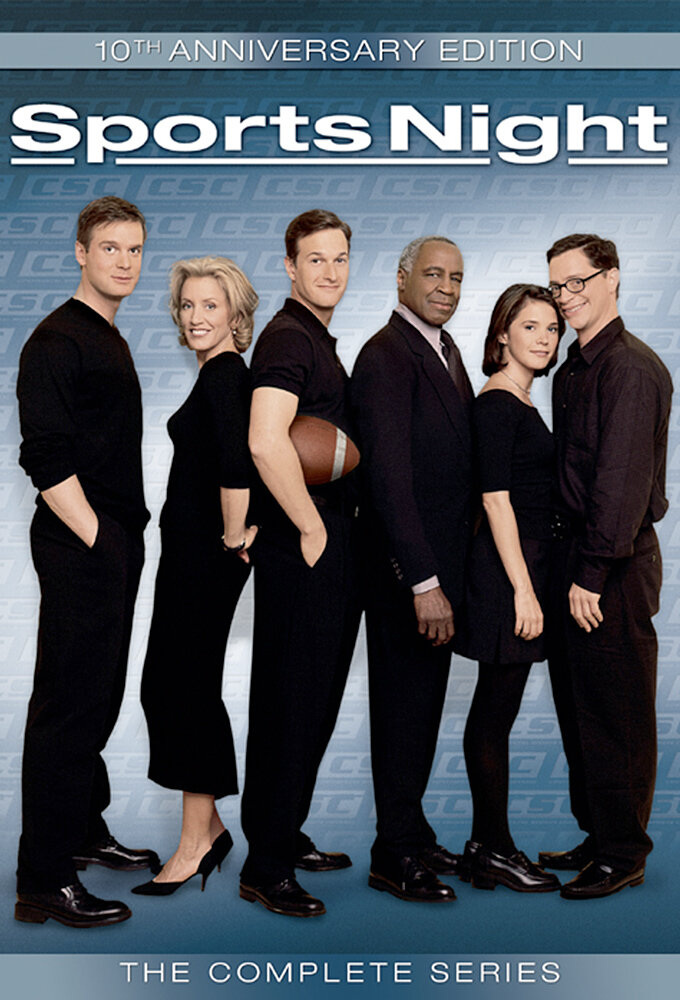
Sports Night1998
Aaron Sorkin's first walk-and-talk workplace comedy, set in a sports newsroom instead of a paper, full of overlapping dialogue, office crushes and people who care too much about getting the story right.
But A laugh track was bolted on against Sorkin's wishes, and it sits oddly with the show's sharper, more earnest instincts.
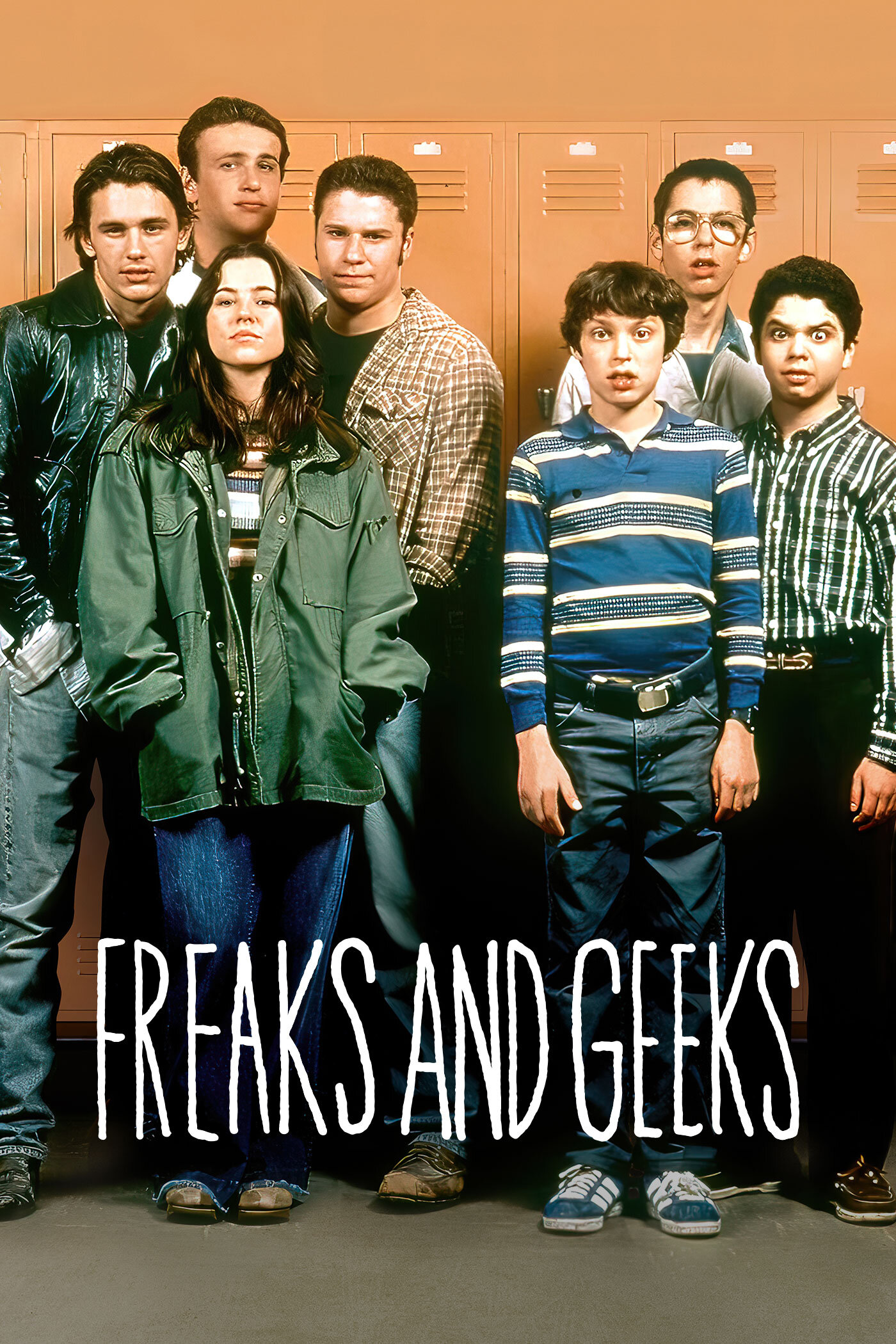
Freaks and Geeks1999
One season of near-perfect teen ensemble writing, treating adolescent humiliation and small triumphs with the same seriousness Press Gang gave its newsroom crises.
But It's slower and sadder than Press Gang, with no newsroom plotting to carry you through the quiet moments.
The wildcard
Something you would not have found on your own.
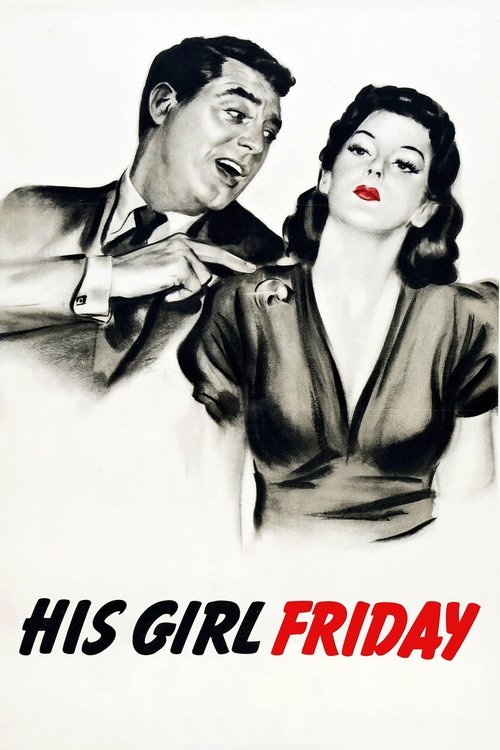
His Girl Friday1940
Press Gang's Spike-and-Lynda sparring, and its whole 'chaotic newsroom as courtship' engine, is a direct descendant of this 1940 screwball classic - same rhythm, decades earlier.
The screwball ancestor of every will-they-won't-they newsroom comedy: rapid-fire dialogue, a woman who's the sharpest person in the room, and an editor scheming to keep her at the paper and in his life.
But The gender politics are of their era, played as romantic pursuit in ways that can feel uncomfortable now.
More like this (8)
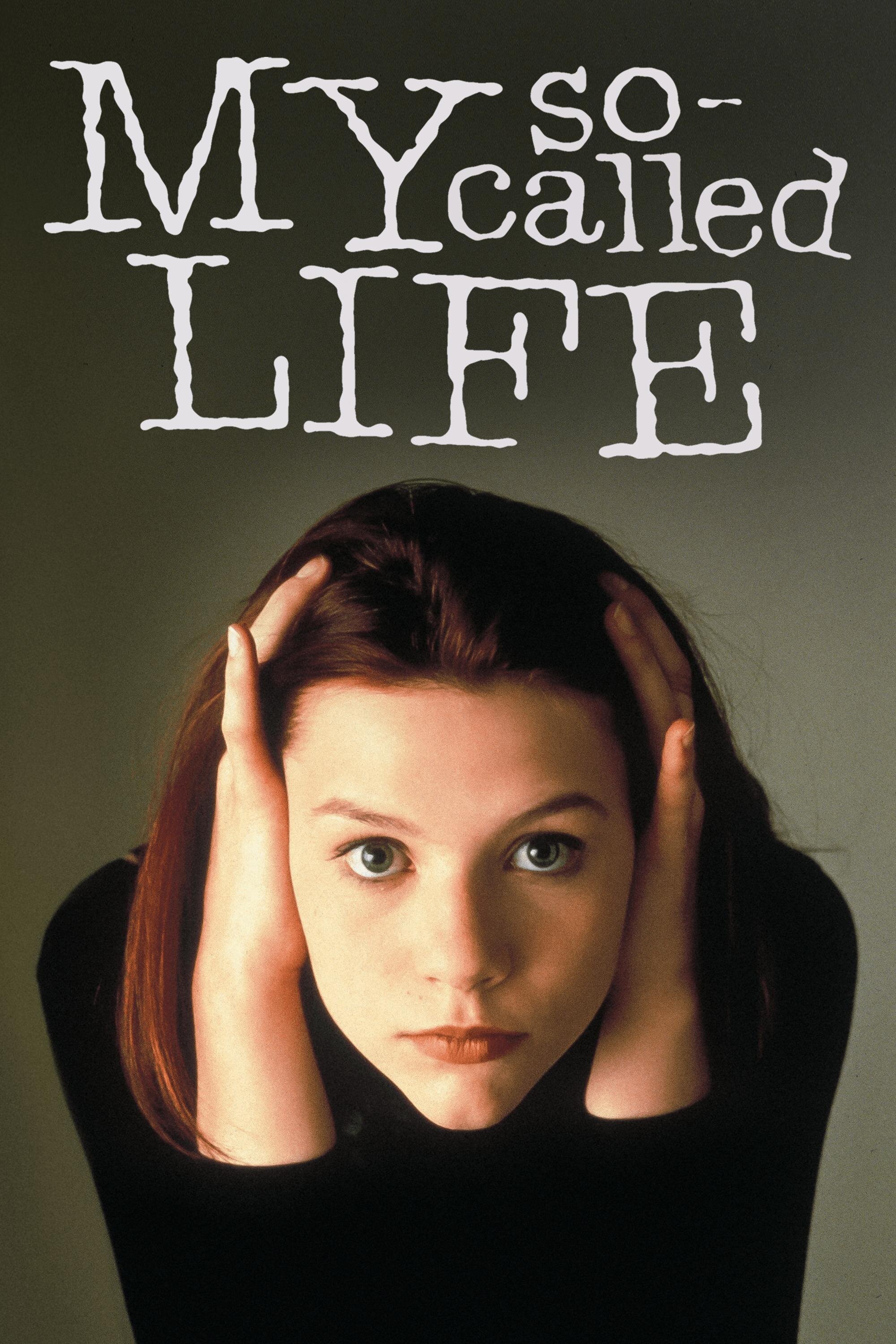
My So-Called Life1994
Another teen show that refused to condescend, letting Angela's confusion and mistakes sit uncomfortably instead of resolving neatly by the episode's end.
But It's introspective and low on plot mechanics, a mood piece rather than the escapade-a-week energy Press Gang thrives on.
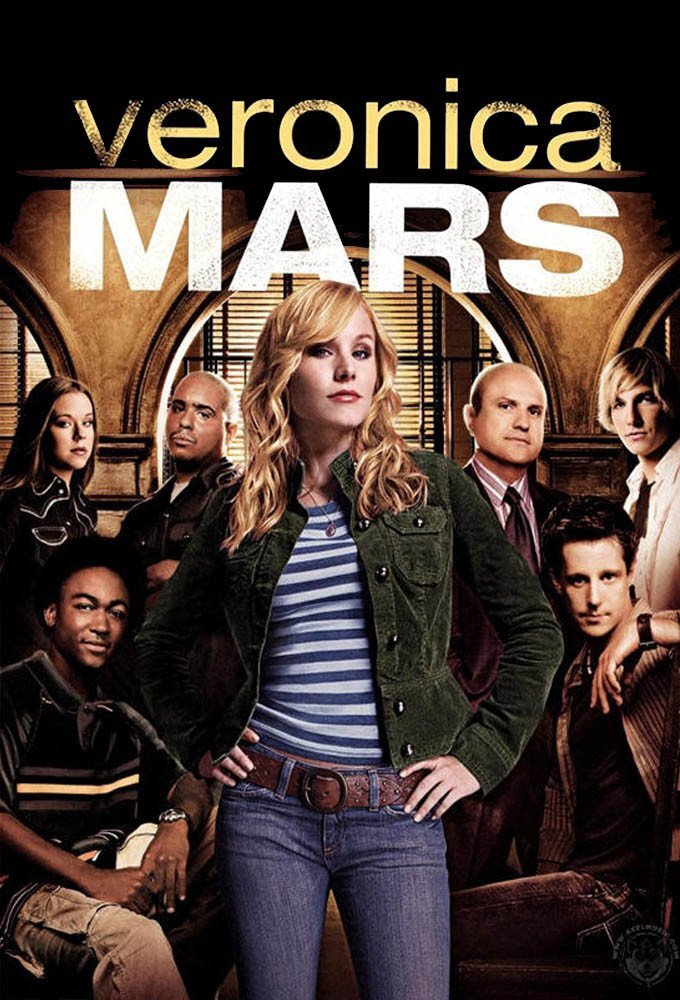
Veronica Mars2004
A teenage investigator with Lynda Day's don't-mess-with-me energy, running her own operation while adults consistently underestimate her - mystery plotting wrapped around real emotional damage.
But The noir plotting and class commentary make it moodier and more serialised than Press Gang's episodic sprints.
Skins2007
Takes Press Gang's willingness to let teenagers face adult consequences and pushes it much further - explicit, messy, and unconcerned with reassuring anyone.
But It trades wit for shock value fairly often, and the ensemble's problems are considerably darker with less comic relief.

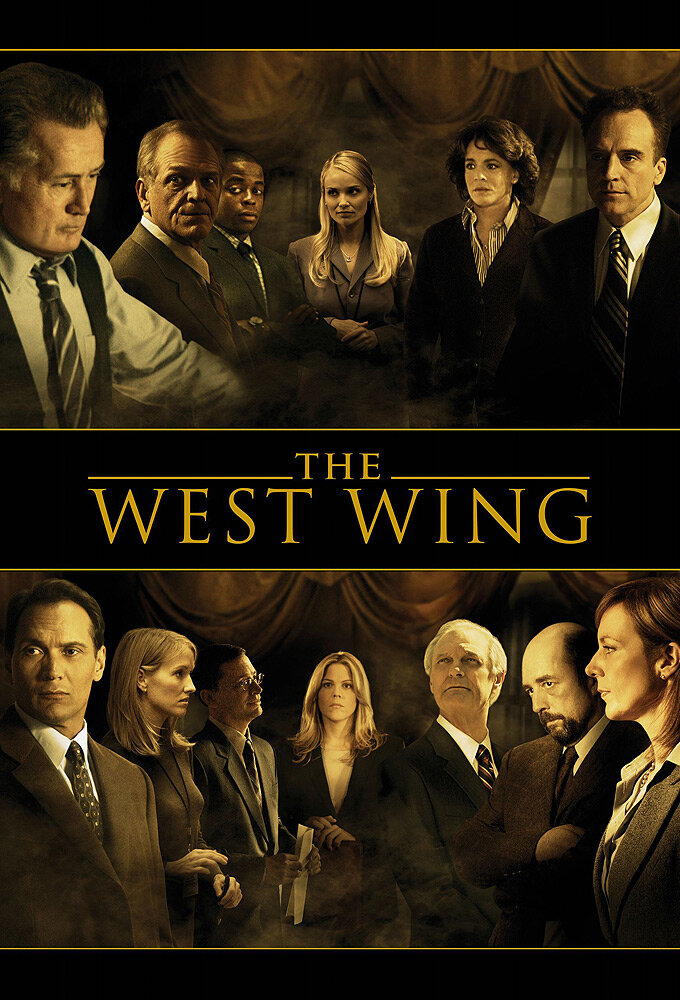
The West Wing1999
Sorkin again, older and more idealistic: a fast-talking ensemble trying to do their jobs well inside an institution they believe in, corridors substituting for the Junior Gazette office.
But It's a much bigger, glossier machine with none of the scrappy, low-budget charm of a kids' after-school show.
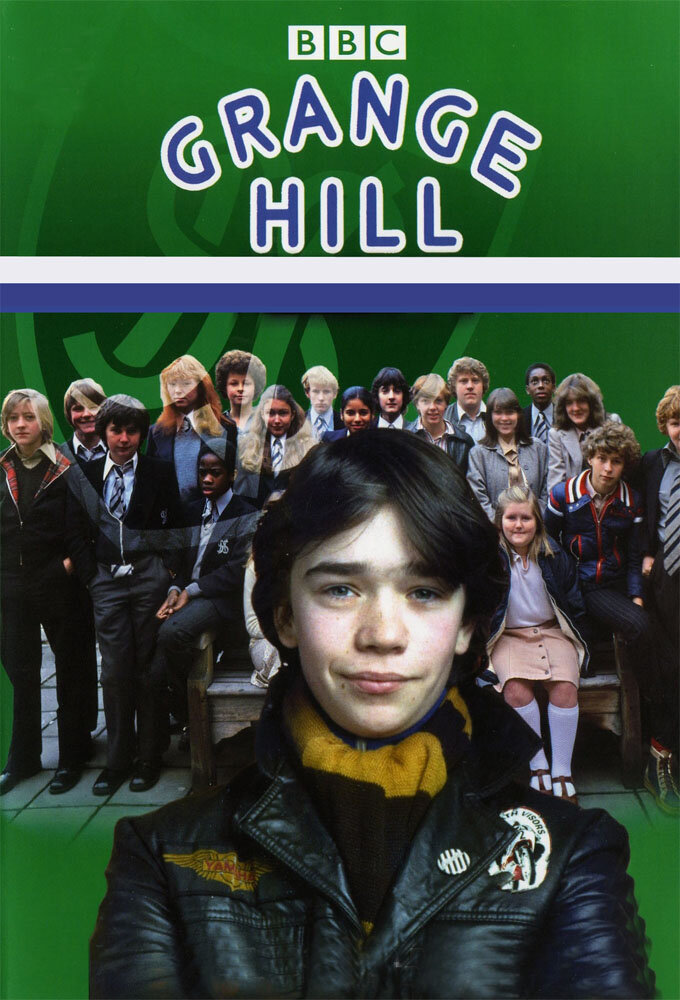
Grange Hill1978
The British school drama that proved teenage stories could handle real issues seriously, paving the way for shows like Press Gang to trust young audiences.
But It's more straightforwardly educational in tone and lacks the newsroom device that gives Press Gang its propulsion.
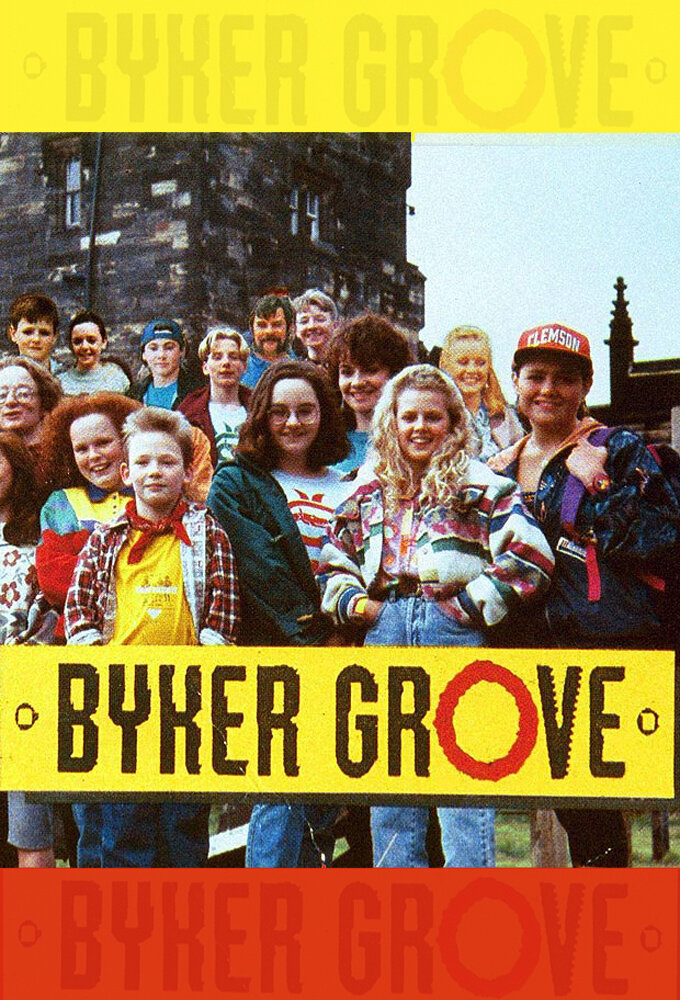
Byker Grove1989
A contemporary of Press Gang, another British youth drama unafraid of heavy storylines, launched from the same era of British TV taking teenagers seriously.
But It's rougher around the edges technically and never matches the verbal wit Moffat brought to Press Gang's scripts.
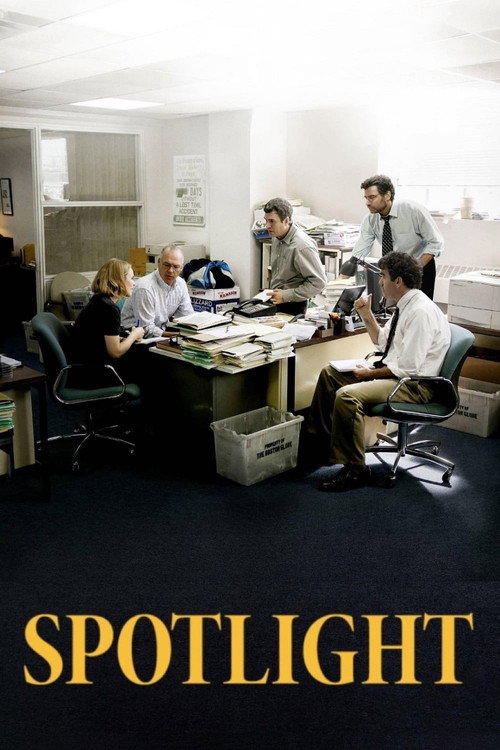
Spotlight2015
Press Gang kept insisting, underneath the jokes, that getting the story right mattered morally. Spotlight is that same conviction stripped of comedy and aimed at something genuinely horrific - identical faith in journalism, opposite register.
A quiet, procedural, deeply serious account of journalists uncovering institutional abuse - everything Press Gang's cub reporters believed journalism could be, played for real stakes rather than laughs.
But It's slow, grim, and entirely without jokes - a hard tonal swing from a show built on banter.
Page One: Inside the New York Times2011
Press Gang dramatised newsroom ethics and office politics for teenagers; this documentary shows adults having the identical arguments for real, with the fictional stakes made literal.
A real newsroom wrestling with the same arguments the Junior Gazette had - ambition, ego, what journalism is even for - except the deadlines are real and nobody's acting.
But It's a talky, industry-focused documentary with no plot and limited appeal if you're not curious about journalism as a profession.