Television series
Child of Our Time
- Slow-burning
A groundbreaking longitudinal study following 25 children from birth into adulthood, examining how genes and environment shape development. Robert Winston guides you through carefully designed experiments and intimate family moments, asking the eternal question: are we born or made? It's patient, thoughtful television that treats childhood as profound rather than cute.
Should you watch it?
Watch it if you find yourself arguing about nature versus nurture over dinner and want to see real children and their families unfold across years, with small experiments along the way.
Skip it if you want invented drama, tidy resolution or brisk pacing, since its experiments and talking-head explanations move at the speed of real science.
What it asks of you: Episodes are 44 minutes, but the real commitment is patience: slow observational stretches, and a cast of 25 children you need to keep track of across a long run.
Not sure? Find tonight's pick in a minute.
If you liked this
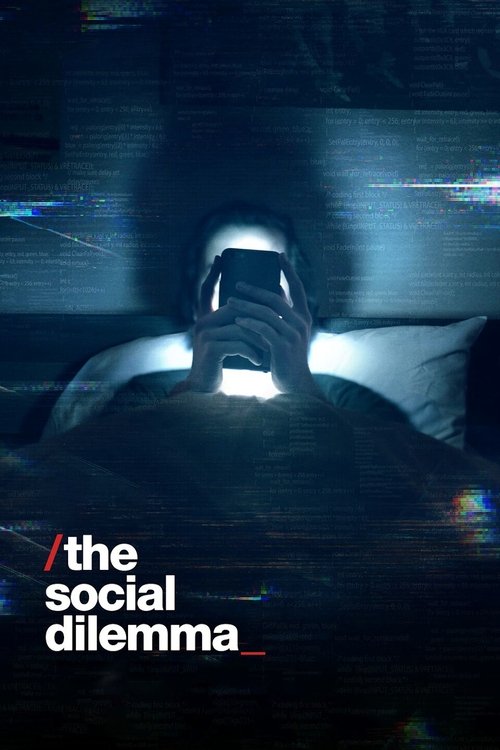
The Social Dilemma2020
A compelling investigation into how technology shapes childhood development and family life, with real stakes and surprising emotional weight. Many of the same questions about nature versus nurture apply to digital influence.
But It can feel preachy and the solutions offered are vague. Some of its alarmism hasn't aged perfectly in hindsight.
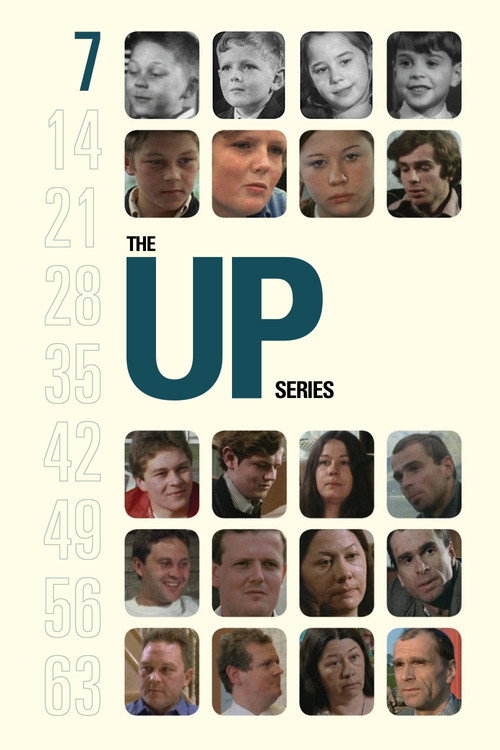
Seven Up!1964
The original longitudinal portrait, following British children at seven-year intervals across decades. You'll recognise the DNA of what Winston is doing here, executed with equal rigour and intimacy.
But The pacing is glacial by modern standards, and some of the class assumptions feel dated. It demands real patience.
13th2016
Ava DuVernay's documentary about mass incarceration traces systemic forces shaping lives from birth onwards—it's about environment as destiny in brutal, specific detail. The stakes feel urgent where Child of Our Time is contemplative.
But It's angry and exhausting, deliberately so. The relentless accumulation of facts can overwhelm rather than illuminate for some viewers.

Not sure tonight? Get a pick in a minute, starting from Child of Our Time
The wildcard
Something you would not have found on your own.
Synecdoche, New York2008
Both explore the gap between who we think we are and who we actually become, and question whether observing life changes it—Child of Our Time scientifically, Synecdoche through nightmare logic.
Charlie Kaufman's film about a theatre director recreating reality inside a warehouse becomes a meditation on how memory and perspective shape identity—the invisible laboratory. It's about the same questions as Child of Our Time but filtered through surrealism and grief.
But It's deliberately confusing, often frustrating, and resists clear interpretation. The emotional tone is bleak and the narrative loops back on itself in ways many find exhausting rather than illuminating.

More like this (4)
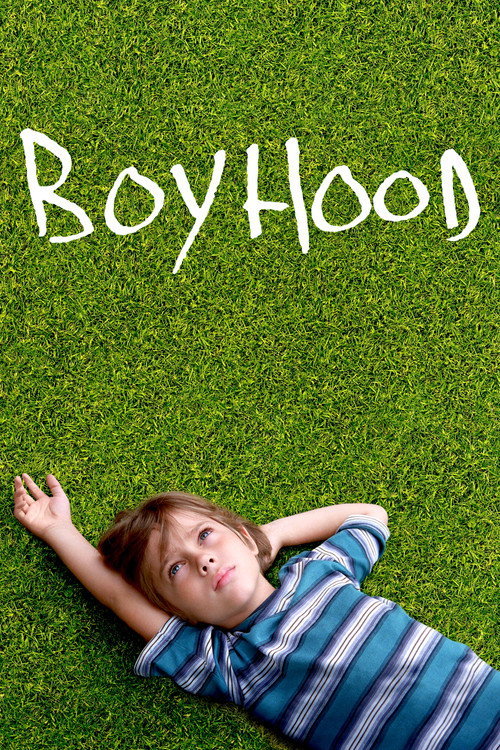
Boyhood2014
Richard Linklater filmed the same actor over twelve years, watching him grow in real time. It's the fiction version of what Winston does: a meditation on how incremental change shapes a person nobody sees happening.
But The narrative is deliberately thin and some find it self-indulgent. It prioritises mood over plot, which can feel slight despite its ambition.
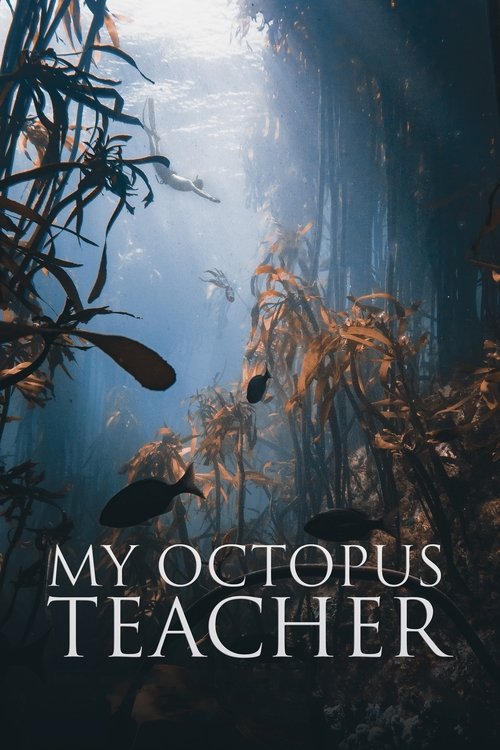
My Octopus Teacher2020
A year-long observational study of an octopus, but really an exploration of how attention and time reshape understanding. It has Child of Our Time's patience and wonder, applied to a completely different subject.
But The sentimentality builds steadily and some find the filmmaker's self-insertion distracting. It verges on treacle for those skeptical of its emotional beats.
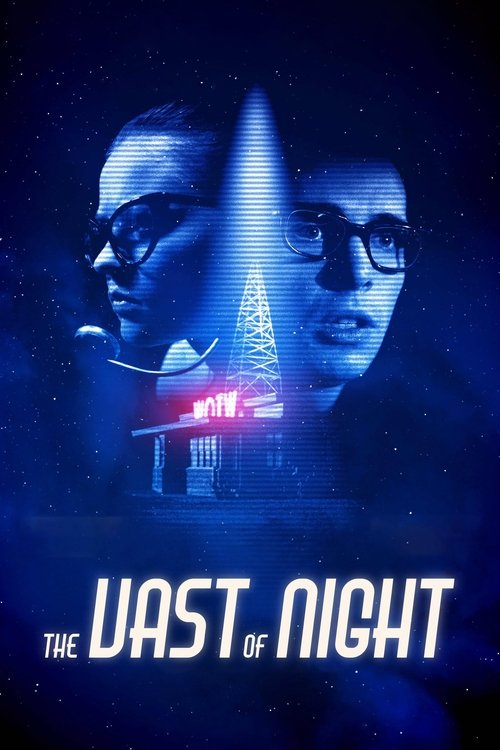
The Vast of Night2019
Like Child of Our Time, it's interested in how information and environment invisibly structure consciousness. Where Winston studies this scientifically, this film explores it through mood and mystery.
A 1950s sci-fi mystery shot in black and white, gorgeously strange and genuinely unsettling. But what connects it is its deep interest in how community and communication shape understanding—invisible forces that make us who we are.
But It's slow-burn atmosphere over plot, and the payoff is deliberately ambiguous. If you want answers or conventional narrative satisfaction, this will frustrate you.
Grey Gardens1976
Both films ask what becomes of a person when you watch long enough without looking away. Child of Our Time is optimistic science; Grey Gardens is pessimistic documentation of the same accumulated truth.
An unblinking documentary of two women—aunt and niece—living in squalor and isolation. It's observational cinema at its most intimate and uncomfortable, showing how environment and family legacy literally shape a life in real time.
But It's voyeuristic and often cruel to its subjects. The lack of intervention or judgement can feel complicit, and the despair is unrelenting without comfort or resolution.