
Film
Lance Loud!: A Death in An American Family
- Biopic
- Slow-burning
A devastating final portrait of Lance Loud, the first openly gay man on American television, filmed as he approaches death from AIDS and hepatitis C. Directed by the original *An American Family* filmmakers, it's a meditation on fame, sexuality, legacy, and mortality—tender, unflinching, and unexpectedly intimate. Essential viewing about a queer pioneer and the cost of visibility.
If you liked this
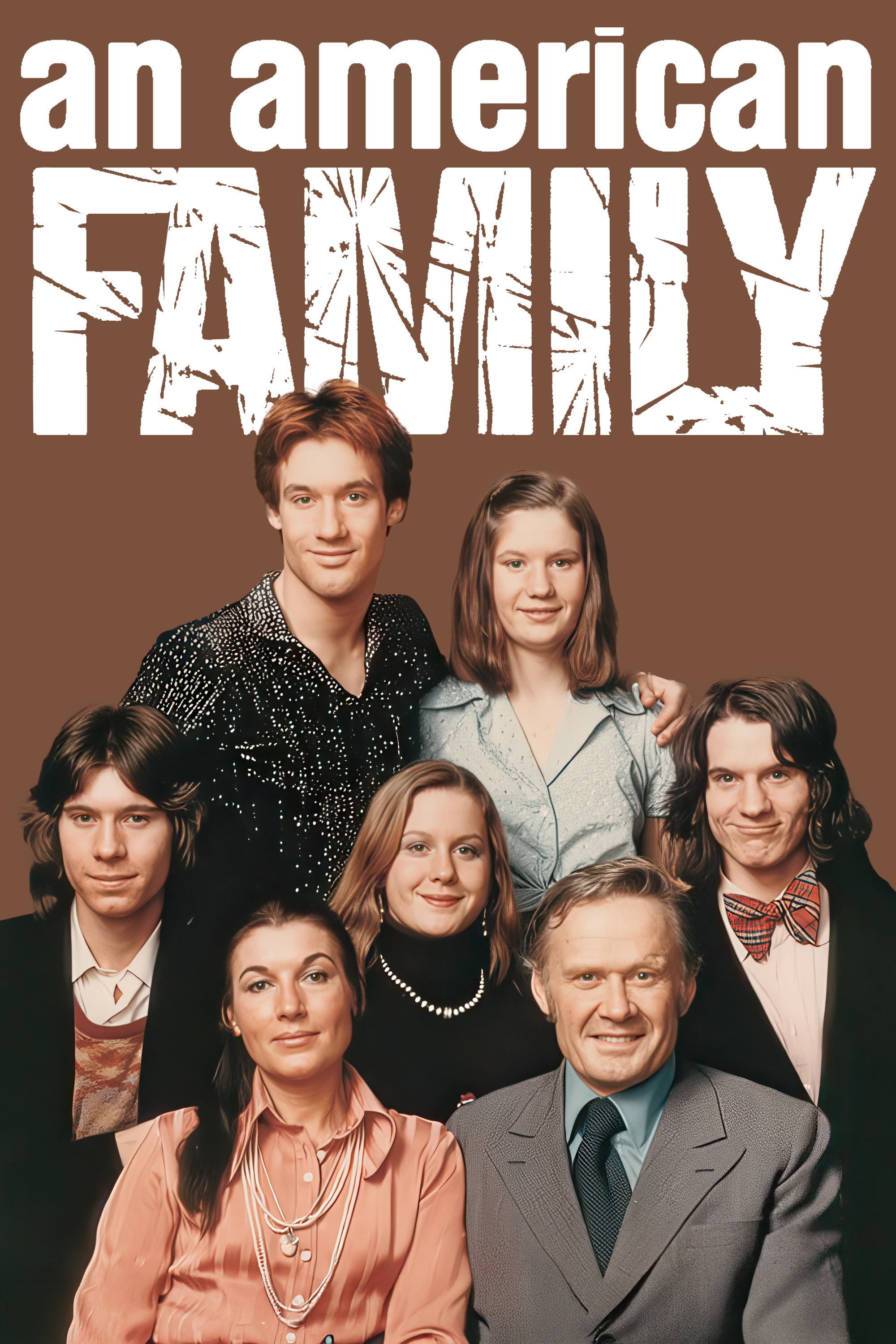
An American Family1973
The original PBS series that made Lance Loud famous and inadvertently launched reality television. Watching the 1973 episodes before this film deepens everything—you see the man he was before illness, before loss, before reflection.
But It's dated in pacing and production value; the family dynamics can feel repetitive if you're watching the full series rather than highlights.
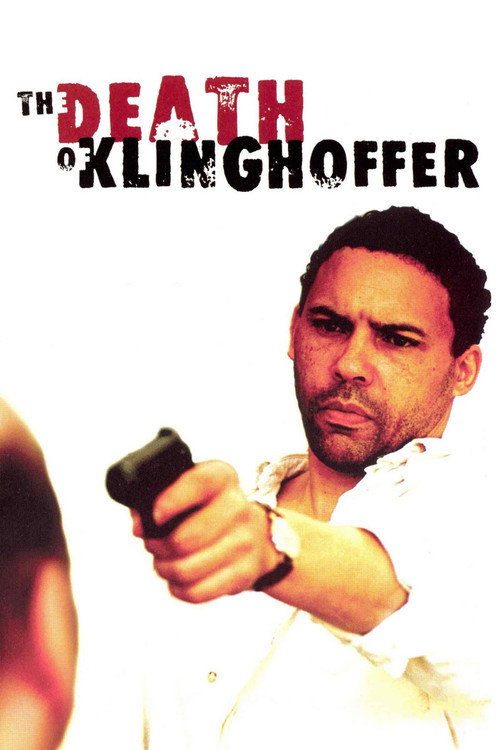
The Death of Klinghoffer2003
John Adams's opera about a real, morally complicated tragedy that refuses easy answers. Like Lance's film, it transforms documented suffering into profound art without sentimentalizing or exploiting.
But It's operatic and abstract; if you want straightforward narrative, this oblique approach might frustrate you. Also politically contentious.
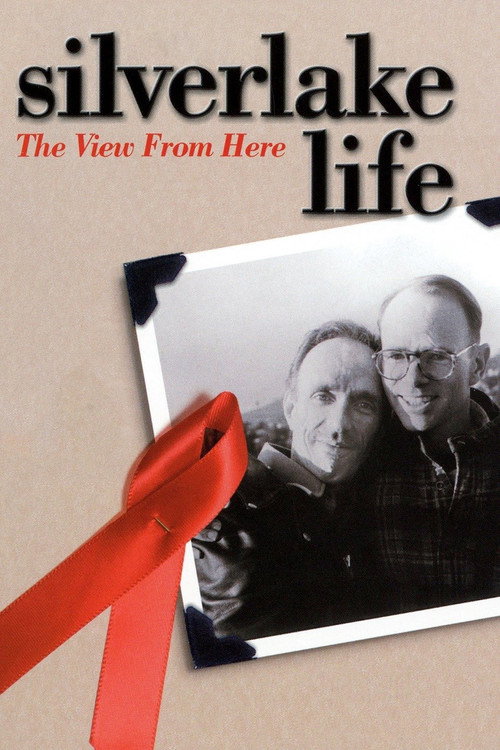
Silverlake Life: The View from Here1993
Tom Joslin and Peter Friedman's heartbreaking document of their final months together during the AIDS crisis. Intimate, honest, and structured as a video letter. The closest cousin to what Lance's film attempts.
But Relentlessly sad. There's no distance; you're watching actual suffering unfold in real time, which some viewers find too much.
Not sure tonight? Get a pick in a minute, starting from Lance Loud!: A Death in An American Family
The wildcard
Something you would not have found on your own.
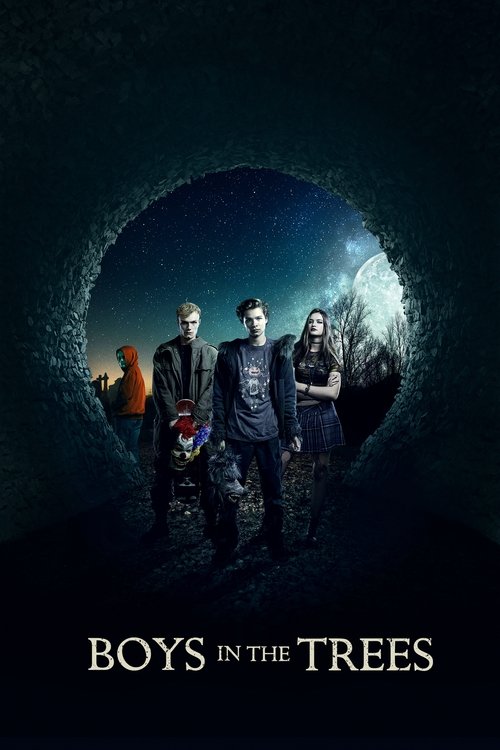
Boys in the Trees2016
Both films use montage and formal experimentation to capture something about how we process irreversible loss—not as a plot point but as an ongoing condition of survival.
Ari Gold's experimental documentary about trauma and memory, structured as a meditation on a school shooting. It shares *Lance Loud!*'s collage approach—mixing archive, voice-over, and fragments—but applies it to processed grief rather than immediate loss. Asks how film itself grieves.
But It's deliberately fragmented and abstract; if you watch documentaries for information or narrative, this will feel like watching someone think in real time rather than communicate clearly.
More like this (7)
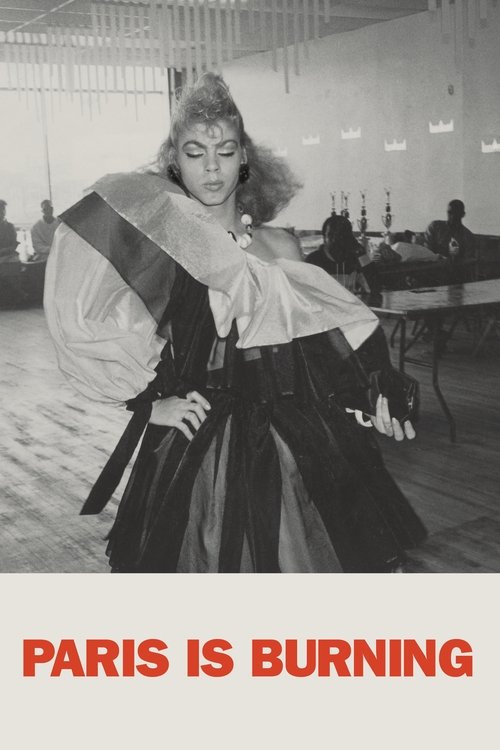
Paris Is Burning1991
Jennie Livingston's masterpiece about New York's Black and Latinx ballroom scene in the 1980s. It's about queer joy, reinvention, and survival in the face of AIDS and indifference—a portrait of a community making art from nothing.
But The social commentary is embedded rather than explicit; if you need everything spelled out, you might miss what the film's actually saying.
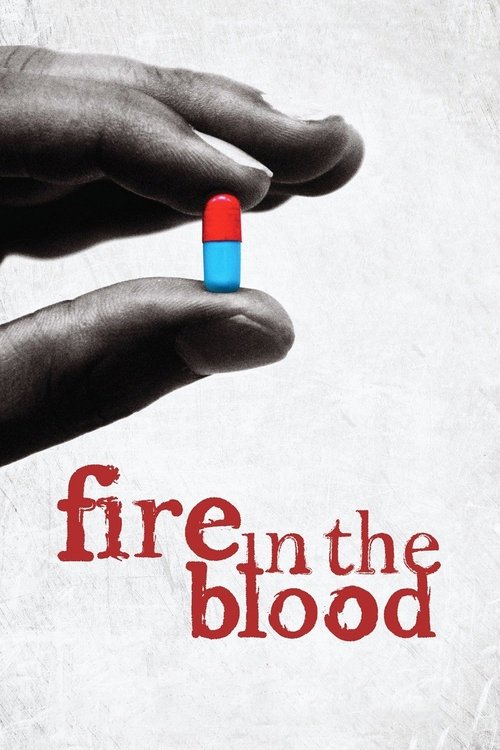
Fire in the Blood2013
Dylan Mohan Gray's documentary about the global AIDS crisis and pharmaceutical companies' role in prolonging it. Contextualizes Lance's diagnosis in the larger politics of who got treatment and who didn't.
But It's angry polemic dressed as documentary; if you prefer a neutral tone, this won't feel objective enough.
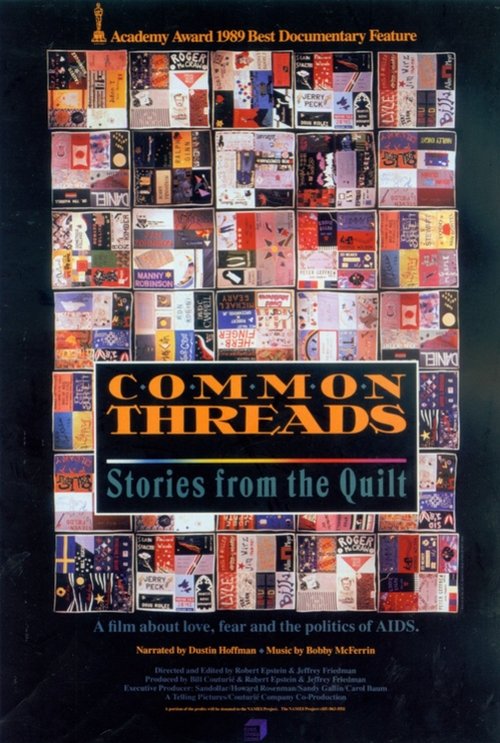
Common Threads: Stories from the Quilt1989
Rob Epstein and Jeffrey Friedman's Oscar-winning film about the AIDS Memorial Quilt and the people behind each panel. It's collective elegy—dozens of stories woven together into something enormous and human.
But The episodic structure means it never settles; some segments feel more developed than others, and the cumulative weight can be exhausting.
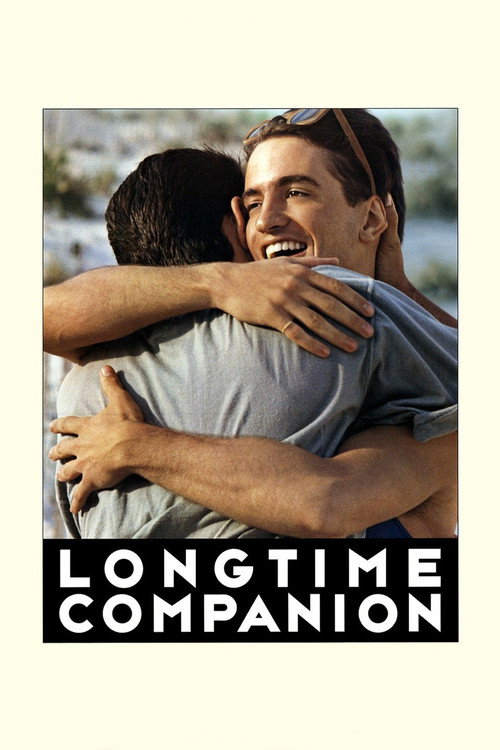
Longtime Companion1989
Norman René's ensemble drama about a circle of gay men confronting AIDS in the 1980s. It captures both the mundane horror of the crisis and the fierce love that sustained people through it. Unshowy and deeply moving.
But As a narrative film from 1990, it feels period in ways that can feel slightly removed from lived reality. Some moments play as melodrama.
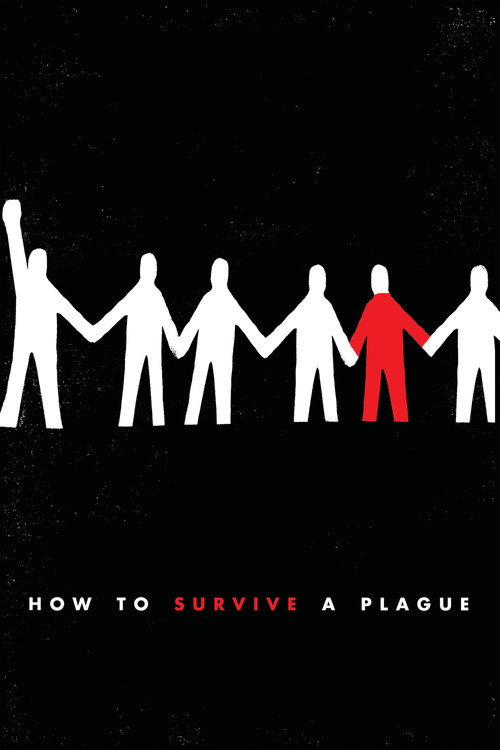
How to Survive a Plague2012
David France's documentary about ACT UP and TAG's fight against the AIDS crisis in the 1980s and '90s. It's activist cinema—furious, urgent, and galvanizing. Shows what resistance looked like when the stakes were mortality.
But It's fast-paced and dense with information; if you don't know the period, you might struggle to follow the organizational and pharmaceutical details.
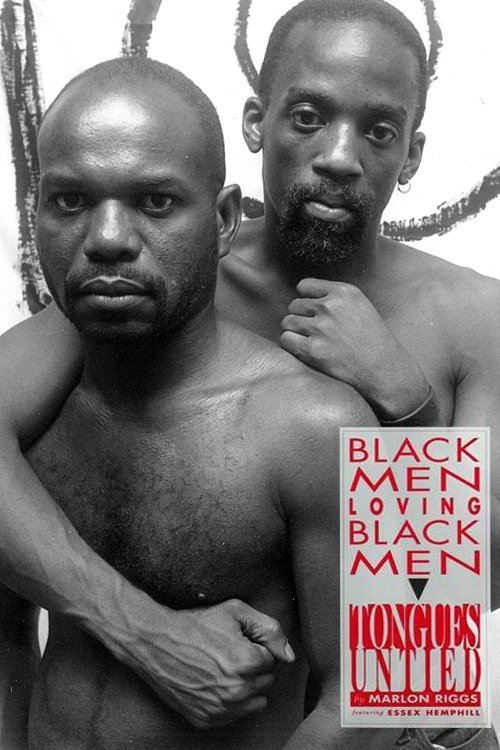
Tongues Untied1990
Both are portraits of queer men negotiating visibility in a hostile world, but *Tongues Untied* is about fighting for that visibility, while Lance's film watches visibility after the fight is over.
Marlon Riggs's radical essay-film about Black gay identity, masculinity, and visibility. It's part performance, part documentary, part poetry. Predates Lance's fame but speaks to the same question: what does it cost to be seen, to be first, to refuse invisibility?
But It's visually dense and structurally challenging; some footage is grainy, and the stream-of-consciousness style requires active watching. Not meditative; agitated by design.
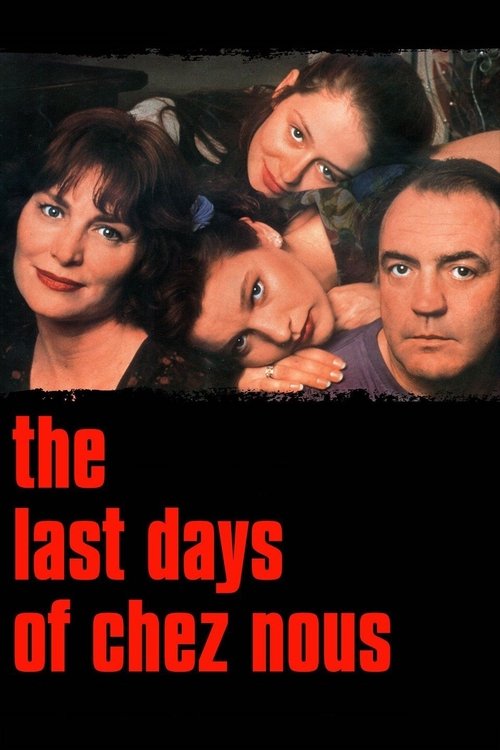
The Last Days of Chez Nous1992
Both films find their tragedy not in external events but in the quiet collapse of family structures—the accumulation of small, irreversible changes in how people relate to one another.
Gillian Armstrong's family melodrama about a household in crisis—marriage failing, aging parents visiting, adult children returning home. It's not about illness or queerness, but it's about the intimate catastrophe of watching a family dissolve in real time, which is what Lance's film is fundamentally documenting.
But It's slow and domestic; nothing dramatic happens in plot terms, and if you need incident or pace, it will feel like nothing. Also emotionally claustrophobic.
People
Cast
- Lance LoudSelf
- Pat LoudSelf
- Kristian HoffmanSelf
- Bobby MayhemSelf
- Gregory PoeSelf
- Michelle LoudSelf
- Bill LoudSelf
- John McLeanSelf
- Victoria GalvesSelf
- Kate McGarrigleSelf
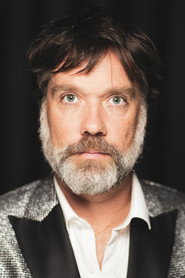 Rufus WainwrightSelf
 John Cameron MitchellSelf (uncredited)
Directing
- Alan RaymondDirector
- Susan RaymondDirector
Production
- Alan RaymondProducer
- Susan RaymondProducer