
Film
Boys in the Trees
A fractured, dreamlike horror-thriller about two teenage skaters on Halloween 1997, navigating a surreal landscape where memory, fear, and reality blur together. Visually striking and deeply unsettling, it's a film that prizes mood and emotional texture over conventional plotting—for viewers willing to sit in discomfort and interpret rather than be led.
If you liked this
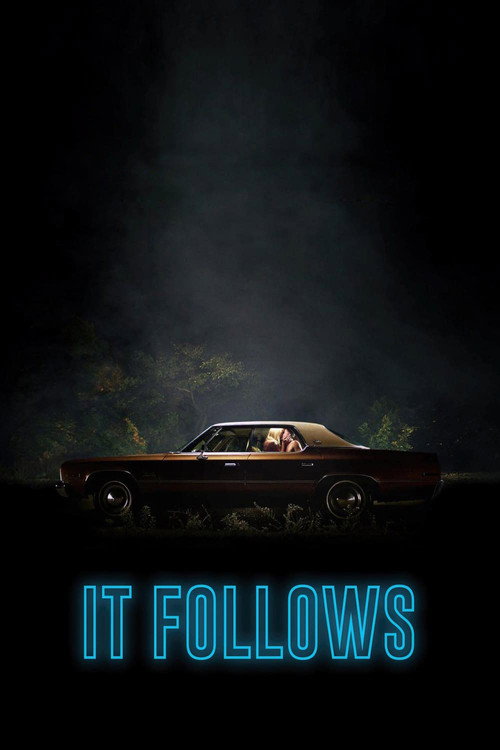
It Follows2015
A debt-ridden supernatural premise executed with hypnotic dread and visual invention. Like Boys in the Trees, it trusts atmosphere over explanation and builds genuine unease from simple, inescapable logic.
But The pacing is glacial by design, which works only if you're patient with a film that refuses to explain or reassure you.
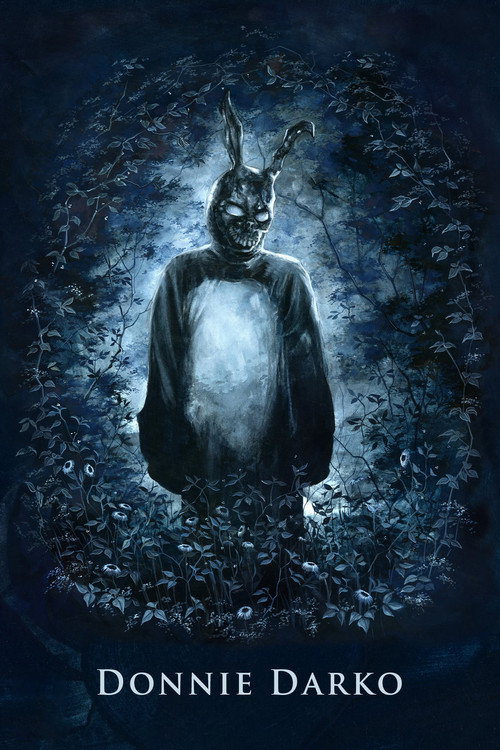
Donnie Darko2001
Another fractured young-man-in-crisis narrative where the film's structure mirrors psychological breakdown. Both are oblique, visually assured debuts fascinated by altered mental states and what reality might mean.
But The 90s indie aesthetic ages; some viewers find it dated in ways that feel silly rather than evocative.
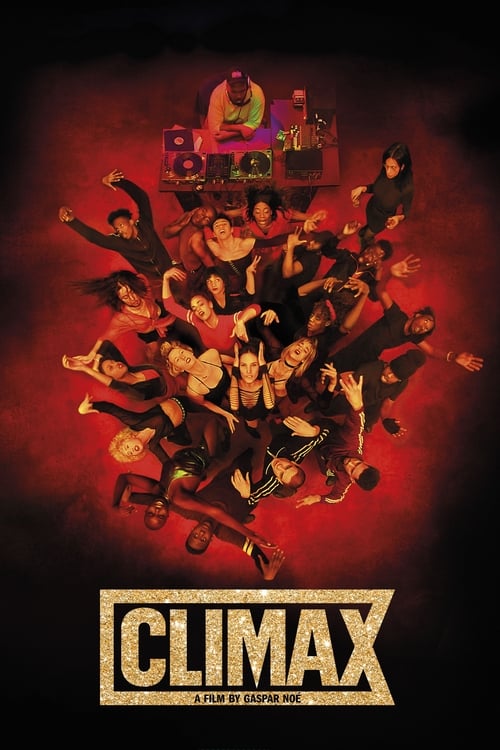
Climax2018
Dancers in an isolated space descending into surreal nightmare. Like Boys in the Trees, it uses youth, music, and dance as entry points to something dark and disorienting, with startling visual moments.
But Viscerally disturbing and increasingly abstract—not a comfortable watch, and the final act challenges patience and stomach alike.
Not sure tonight? Get a pick in a minute, starting from Boys in the Trees
The wildcard
Something you would not have found on your own.
Mulholland Drive2001
Both films collapse linear time around the moment when two young people confront what they've been avoiding; neither tells you which version of events is real, because emotional truth is the point.
Two young people in a dream city haunted by the past; reality fragments across time. Lynch's masterpiece operates in the same fractured-memory space as Boys in the Trees but with full orchestral force—it teaches you how to read narrative dissolution as emotional truth.
But Three hours, elliptical to the point of being infuriating, and a second viewing becomes mandatory rather than optional.

More like this (7)
The Wailing2016
A mystery-thriller that refuses clarity, layering dread and ambiguity across religious and personal doubt. Shares the same disorienting structure where certainty dissolves the closer you look.
But At 156 minutes with multiple perspectives and no clear answers, it demands active engagement and rewards rewatching more than resolution.

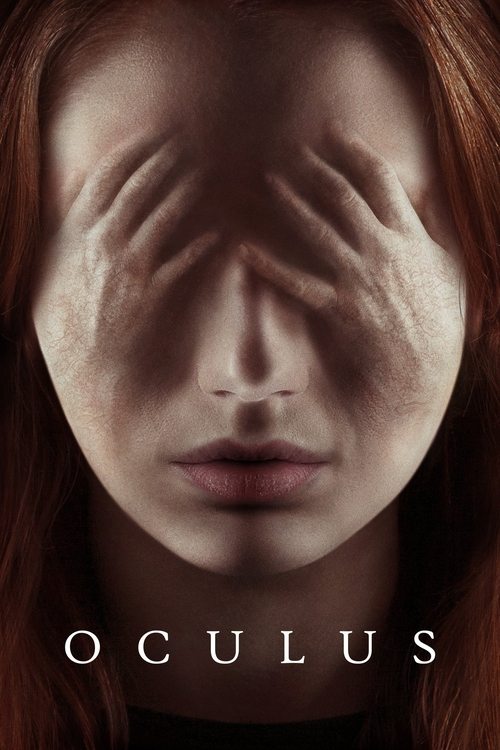
Oculus2014
A slim, elegant horror built on temporal distortion and subjective reality. Like Boys in the Trees, it uses a strong formal concept to make memory and perception the actual subject, not window-dressing.
But The gimmick is clever but can feel thin if you're looking for genuine scares rather than conceptual intrigue.
The Neon Demon2016
Visually dazzling descent into a nightmare world where innocence is predatory. Released the same year, both films use color, sound, and surrealism to create horror that's more about atmosphere than plot.
But Deliberately artificial and cold; if you want emotional warmth or character development, you'll be frustrated.
A Dark Song2016
Another 2016 film about spiritual crisis and transcendence through ritual, intimate and strange. Both operate in dreamlike logic where the emotional journey matters more than literal coherence.
But Extremely slow, dialogue-light, and focused on quiet dread—easy to check out if you need narrative momentum.
Under the Skin2014
Hypnotic sci-fi horror built almost entirely on mood, sound design, and visual abstraction. Trusts the viewer completely; meaning emerges from texture rather than explanation.
But Methodically paced to the point of stasis; the narrative is skeletal, and some find the formal ambition exhausting rather than fascinating.

We Need to Talk About Kevin2011
A fractured narrative exploring trauma and maternal rage through fragmented time and memory. Like Boys in the Trees, it's formally inventive about how psychological damage warps the way we perceive events.
But Bleak, accusatory, and uncomfortable with its portrait of motherhood and violence—the film offers no catharsis and some find that punitive.
Ikebukuro West Gate Park2020
Both documents how adolescence moves through violence and altered consciousness; both see youth culture—skating, nightlife—as a portal to something older and stranger lurking beneath the surface.
A Japanese TV miniseries about young people navigating violence and loyalty in Tokyo's night streets. It shares the visual poetry and dreamlike pacing of Boys in the Trees but saturates it in neon and folk-horror textures, creating something visually foreign yet thematically intimate.
But In another language, episodically structured, and its tonal shifts between comedy and violence may feel jarring if you're expecting consistent dread.
People
Cast
 Toby WallaceCorey
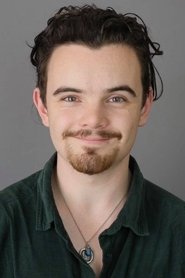 Gulliver McGrathJonah
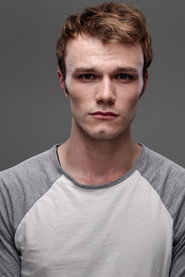 Justin HolborowJango
 Mitzi RuhlmannRomany
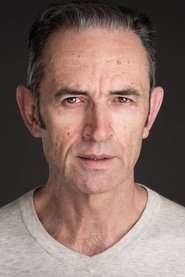 Terence CrawfordMr. Matheson
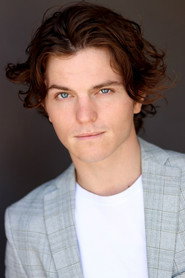 Tom RussellGrunge Rocker Gromit
 Georgie deLaineDierdre
- Amalia KruegerCorralie
 Ezra BarryYoung Corey
 Winta McGrathYoung Jonah
 Victoria HillLa Calavera Catrina
 Henry Reimer MeaneyTweedledee Gromit
Directing
- Nicholas VersoDirector
Writing
- Nicholas VersoWriter
Production
- Angela HeesomCasting
- Marianne JadeCasting
- Kate CroserCo-Producer
- Sandy CameronCo-Producer
- Ian KirkExecutive Producer
- Jon AdgemisExecutive Producer
- Kevin MaloneyExecutive Producer
- Mark MorrisseyExecutive Producer
- Michael GudinskiExecutive Producer
- Mick MolloyExecutive Producer
- John MolloyProducer
Recommended by
McFarland, USA, Lance Loud!: A Death in An American Family, Frat House, The Bedroom Commandments, Action Point