
Film
Frat House
A raw 1998 documentary that embedded itself in an Alpha Tau Omega house to capture fraternity life without flinching. It's unflinching, sometimes uncomfortable, and reveals the rituals, hierarchies, and hazing that flourish behind closed doors. Essential viewing for understanding a particular American subculture, or for anyone curious about how institutions shape behavior when they think nobody's watching.
Should you watch it?
Watch it if you want an unvarnished look at how fraternity culture operates from the inside, the kind of fly-on-the-wall reporting that lets young men talk until the mask slips.
Skip it if you need tight pacing or a clear narrative arc, since this loose, observational hour circles its point and can feel repetitive.
What it asks of you: Roughly an hour, it sits with its subjects in real rooms and lets silences and repeated drinking rituals stretch, so patience matters more than momentum.
Not sure? Find tonight's pick in a minute.
If you liked this
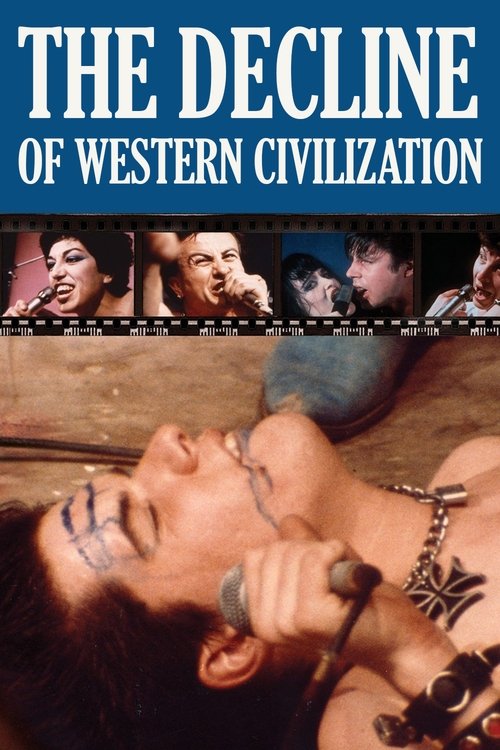
The Decline of Western Civilization1981
Penelope Spheeris documents Los Angeles punk culture with the same embedded, non-judgmental approach. She lets the scene speak for itself—the music, the attitudes, the self-destruction—without moralizing. It's sociological filmmaking that respects its subjects even when they're alarming.
But The sound recording is sometimes rough, and if you're not interested in 1980s punk aesthetics, long stretches may feel distant or dated.
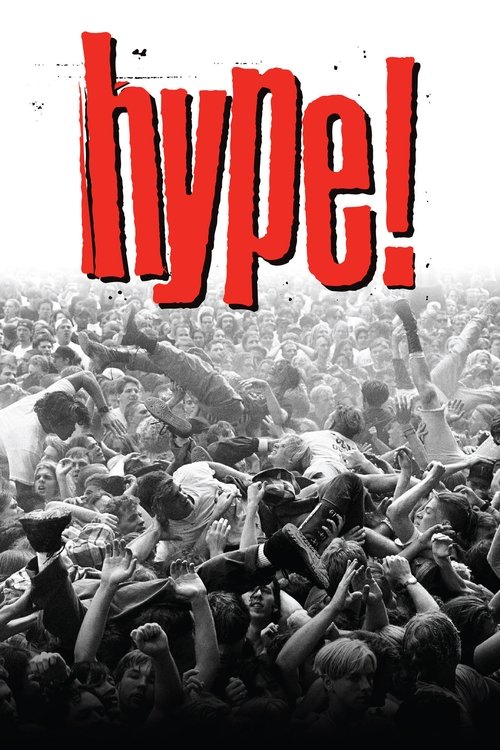
Hype!1996
Doug Omerod's documentary captures the Seattle grunge scene with similar anthropological curiosity. Like Frat House, it explores how a community's rituals and hierarchies form, and what happens when outsiders arrive wanting to join something they don't understand.
But If grunge nostalgia doesn't move you, the film can feel like a time capsule of limited interest. The pacing is deliberate rather than propulsive.
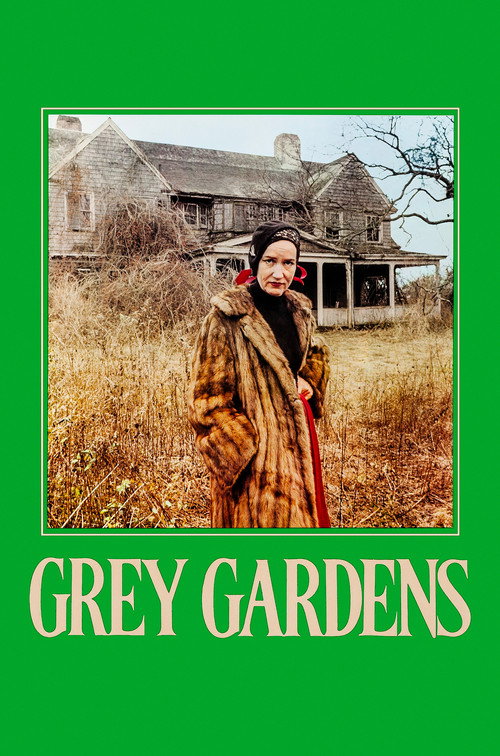
Grey Gardens1976
The Maysles brothers created a masterpiece of observational documentary by filming inside one closed world—a decaying mansion, eccentric women, rituals that only make sense internally. Like Frat House, it's uncomfortable, intimate, and reveals how isolation creates its own logic.
But It's slow and sometimes feels cruel. The subjects are tragic figures, which makes watching feel ethically complicated in ways that may not feel rewarding.
Not sure tonight? Get a pick in a minute, starting from Frat House
The wildcard
Something you would not have found on your own.
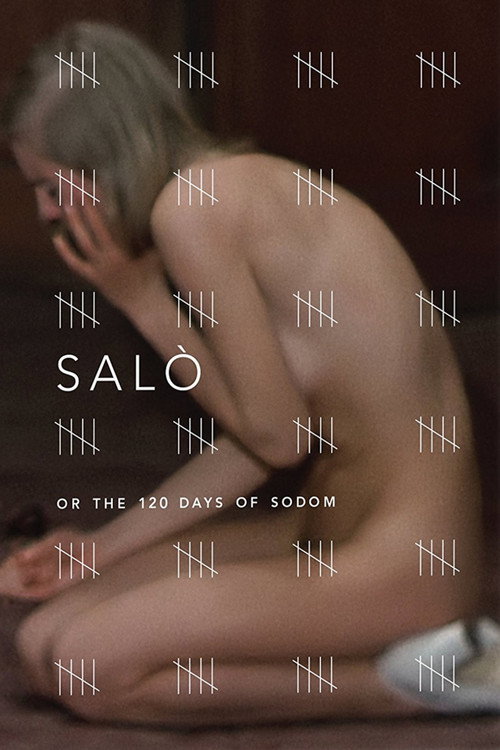
Salò, or the 120 Days of Sodom1976
Both examine how institutional isolation permits escalating abuse; how ritual and hierarchy normalize the unthinkable. Pasolini turned documentary observation into philosophical horror.
Pier Paolo Pasolini's film is notoriously difficult, but it's the most profound meditation on how power corrupts closed groups. It's set in a fascist compound where hierarchies calcify into ritual and abuse. It asks the same question as Frat House—what do communities do when they believe nobody's watching?—but with the artistic and philosophical weight of a major filmmaker. The connection isn't comfort: it's the darkest possible answer to Frat House's documentary question.
But It's one of cinema's most graphic and transgressive films. The sexual violence is explicit and systematic. This is not entertainment. Many people will find it unwatchable, and that's a legitimate response.
More like this (7)
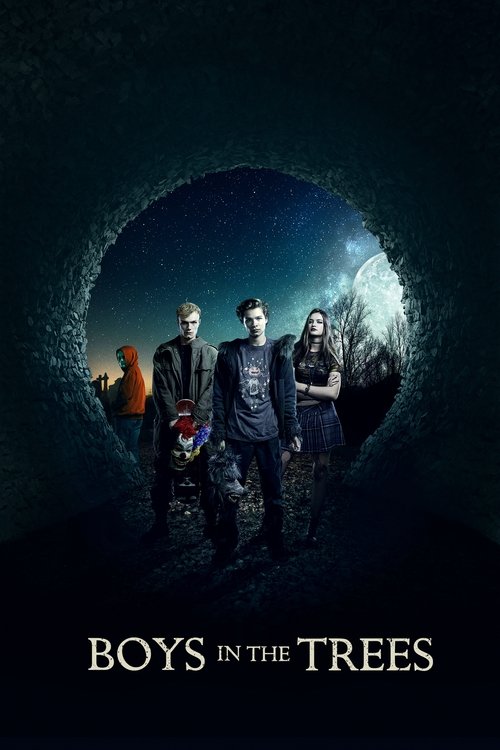
Boys in the Trees2016
A documentary about Boys' Town, Nebraska—another all-male institutional world with its own codes, mentors, and darker histories. It shares Frat House's interest in how boys become men within rigid hierarchies and what gets hidden.
But It's less visceral than Frat House and more measured. If you want raw immediacy, this is more contemplative than confrontational.
Bowling for Columbine2002
Michael Moore investigates American gun culture and the institutions that shape violent behavior. It shares Frat House's willingness to ask uncomfortable questions about what communities enable, and to show rather than tell.
But Moore's advocacy is omnipresent and can feel didactic. If you prefer documentaries that stay invisible, this very visible authorial hand may frustrate you.

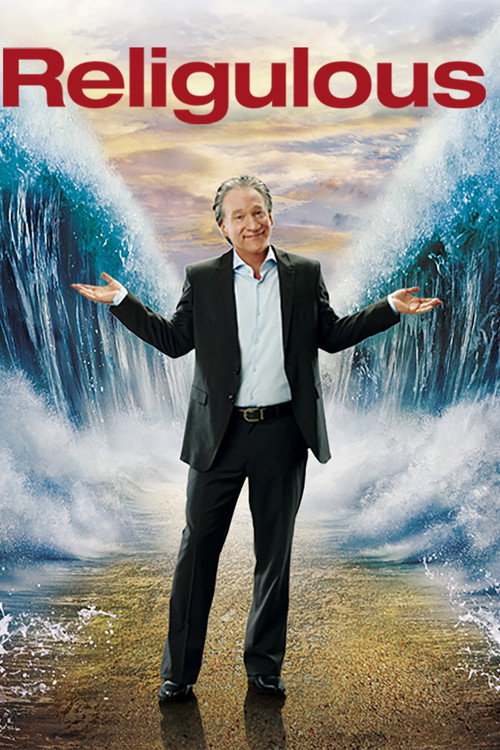
Religulous2008
Bill Maher embeds himself in religious communities around the world, approaching them with genuine curiosity mixed with skepticism. Like Frat House, it's about how belief systems shape behavior in closed groups, sometimes to troubling effect.
But Maher's smirk is constant and can feel reductive. Religious viewers will likely find it patronizing rather than illuminating.
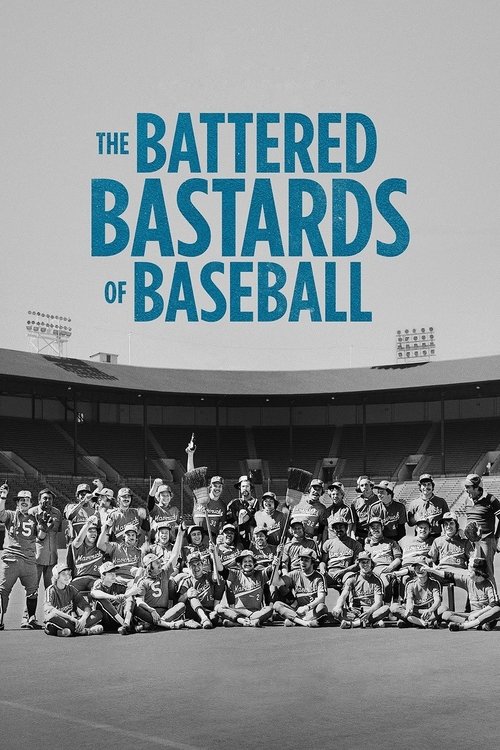
The Battered Bastards of Baseball2014
A documentary about an amateur baseball team that formed outside institutional baseball. It's warm where Frat House is chilling, but both examine how tight-knit groups develop their own culture and codes of belonging.
But It's sentimental and sports-focused. If you want institutional critique rather than uplift, this will feel like the opposite tone.
Blackfish2013
Gabriela Cowperthwaite investigates SeaWorld by examining what an institution tells itself to justify harmful practices. It shares Frat House's interest in how groups rationalize behavior that outsiders find indefensible.
But The emotional manipulation is heavy-handed. It's advocacy filmmaking that doesn't trust the viewer to draw conclusions independently.

The Art of the Steal2013
A documentary about a massive art heist that spirals into a meditation on how museums rationalize power. It's less sociological than Frat House, but both explore institutional hierarchies and what gets justified behind closed doors.
But The narrative is convoluted and the filmmaking is workmanlike. It feels like a true-crime episode stretched too thin.

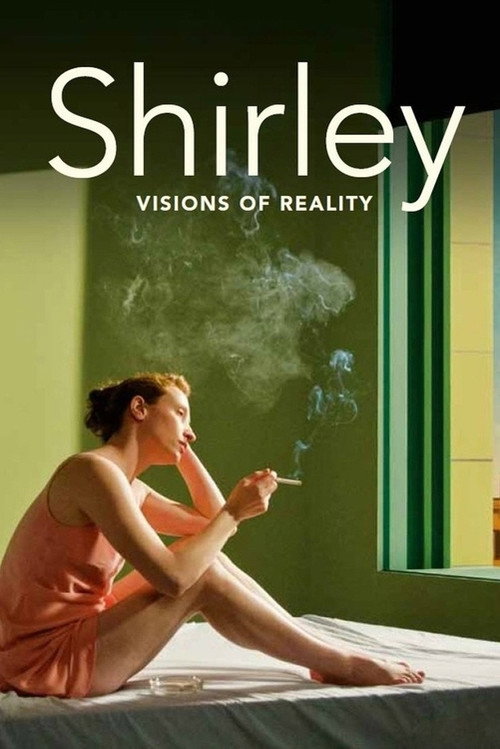
Shirley: Visions of Reality2013
Where Frat House shows the external machinery of an institution, this film imagines its internal psychological cost. Both are about what groups demand and what individuals suppress to belong.
A documentary about horror writer Shirley Jackson that includes fictionalized sequences imagining her internal life. It's a hybrid form—part biography, part speculation, part essay—that asks what documentary cannot show: the invisible shame and resentment that institutions generate. Jackson herself was often trapped in groups (academia, motherhood, neighborliness) that demanded conformity, and the film explores what gets hidden. It's a meditation on institutional pressure from the inside rather than the outside.
But The mixture of documentary and fiction unsettles viewers looking for factual clarity. It's also quiet and literary rather than visceral. Some will find it too abstract.
People
Directing
- Andrew GurlandDirector
- Todd PhillipsDirector