
Film
Shirley: Visions of Reality
- Period drama
- Strange
- Slow-burning
A fictional actress named Shirley drifts through decades of American life, her moments precisely positioned within Edward Hopper paintings. Director Gustav Deutsch transforms thirteen canonical works into living scenes, dissolving the boundary between canvas and cinema. It's meditative and formally audacious—for viewers drawn to visual composition, to Hopper's particular loneliness, to cinema that thinks like painting.
If you liked this
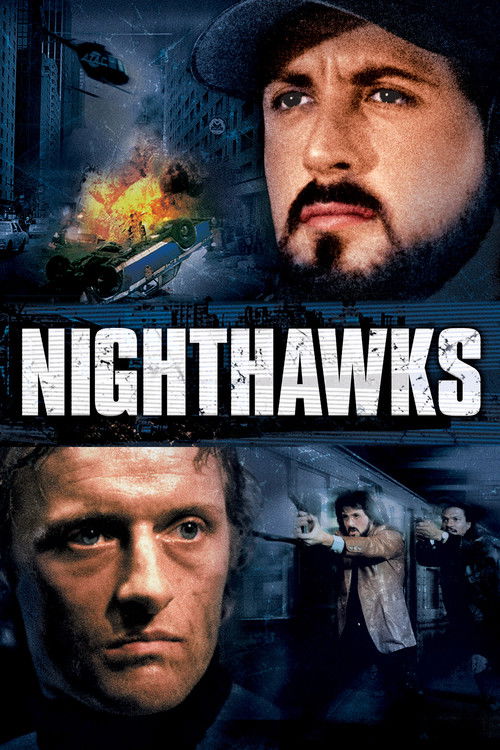
Nighthawks1981
The Hopper painting that defines urban solitude in America. This film lets you sit inside the diner, hold the mood, feel the distance between people who share space but not connection.
But It's a painting, not narrative. If you need plot momentum or dialogue to hold your attention, this will feel static and slow.
Mulholland Drive2001
Lynch constructs Los Angeles as a dreamscape where identity fractures and cinema devours itself. Like Shirley, it moves between registers—Hollywood melodrama, surrealism, intimacy—without warning.
But Deliberately cryptic and demanding. The narrative logic is intuitive rather than logical, which frustrates viewers seeking clear answers.

The Seventh Seal1957
Bergman choreographs human figures against vast emotional and philosophical backdrops. Every frame carries symbolic weight; every gesture means something. Formally perfect and emotionally devastating.
But The dialogue is heavy with existential questioning. If earnest philosophy on screen makes you wince, this won't convert you.

Not sure tonight? Get a pick in a minute, starting from Shirley: Visions of Reality
The wildcard
Something you would not have found on your own.
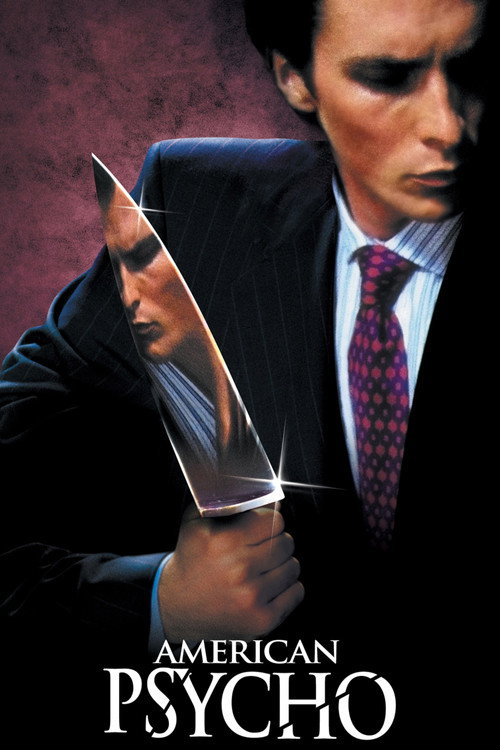
American Psycho2000
Both use meticulous visual composition and spatial precision to examine American surfaces—Hopper's loneliness and moral ambiguity become Harron's satirical diagnosis of capitalist emptiness and misogyny.
Mary Harron stages masculine violence and consumer capitalism as haute comedy within immaculate '80s interiors. Like Shirley, it uses precision and formal control to reveal the horror beneath surfaces. The dark inversion of Hopper's quiet observations.
But Graphic violence and sexual assault are central to the satire. The film doesn't flinch from its material, and some viewers reject the entire project on principle.
More like this (8)
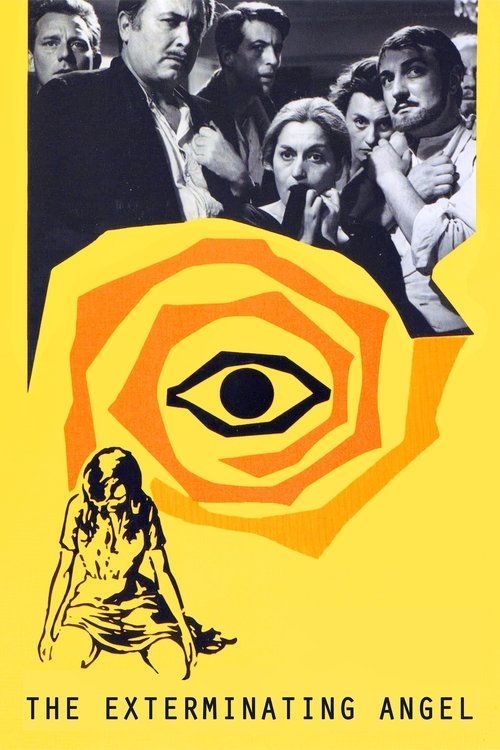
The Exterminating Angel1962
Buñuel traps a dinner party inside a space that shouldn't contain them, creating logic that is dream-like and perfectly composed. Surreal without ever winking at the camera.
But The premise doesn't resolve into conventional narrative. It asks you to absorb mood and meaning rather than follow plot mechanics.
Stalker1979
Tarkovsky's meditation on desire and faith moves through a landscape of stunning, austere beauty. He holds shots long enough that you stop watching and start feeling. Hypnotic rather than dramatic.
But Glacially paced. Nearly three hours of slow movement through sparse settings will test anyone's patience, including admirers of Slow Cinema.

A Ghost Story2017
A widower returns to haunt the house they shared, watching life continue without them. Tender, strange, visually stunning—it uses Americana and domestic spaces the way Hopper did.
But The emotional register is so quiet and private that some viewers experience it as remote. The pie scene is genuinely difficult.

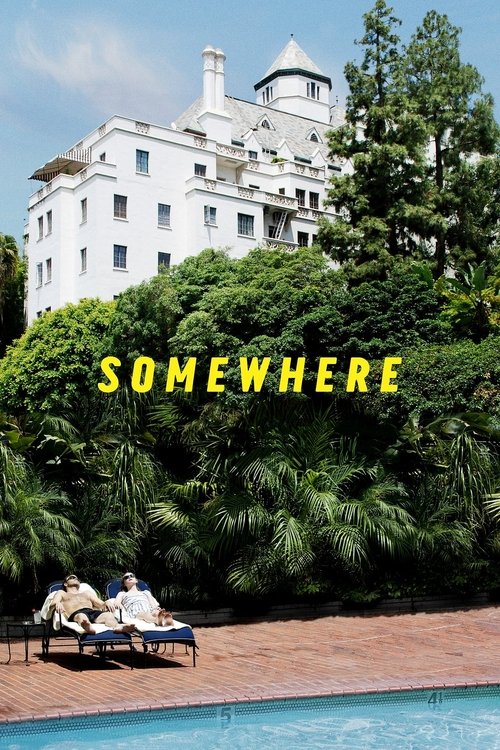
Somewhere2010
Sofia Coppola captures a movie star in stasis in a Rome hotel, moving through emptiness and celebrity ennui. Visually precise, tonally controlled, deeply felt beneath the surface.
But Nothing dramatic happens. It's a portrait of inertia and disconnection—which is the point, but it can feel like nothing is at stake.
In the Mood for Love2000
Wong Kar-wai frames two neighbours discovering a mutual attraction within cramped apartment spaces. Every shot is a painting; colour, geometry, and proximity tell the entire emotional story.
But The narrative is minimal and the pacing is deliberate. Expect to follow emotional temperature rather than plot events.

Winter Light1963
Bergman's bleak meditation on faith, doubt, and the possibility of human connection. Austere, intimate, formally restrained—a perfect match for Hopper's visual register.
But It is genuinely depressing and offers no consolation. The emotional cold is the entire point, which isn't for everyone.

The Turin Horse2011
Where Hopper painted existential isolation within recognizable American spaces, Tarr films the complete dissolution of meaning and structure—the logical endpoint of that loneliness rendered in absolute terms.
Béla Tarr's final film follows a philosopher and his daughter through the end of the world in black and white. Repetitive, ritualistic, formally devastating—each day circles toward collapse. It uses painting-like composition to render absolute desolation.
But Monochrome, slow, entirely pessimistic with no narrative reward. The deliberate monotony will bore or exhaust most viewers before the film ends.

Jeanne Dielman, 23, quai du Commerce, 1080 Bruxelles1976
Like Hopper and Shirley, it finds the emotional and philosophical weight in ordinary domestic American/European spaces, in the gap between surfaces and inner life. It is the most radical formal commitment to that idea in cinema.
Chantal Akerman films three days in the life of a widow managing her household and a secret sexual transaction. Three hours of quotidian ritual, light on walls, the geometry of rooms. Cinema as phenomenology—you see how attention transforms the mundane into profound.
But Almost nothing happens. It is entirely composed of cooking, cleaning, and waiting. If you require narrative incident or emotional catharsis, this will feel like punishment.

People
Cast
 Stephanie CummingShirley
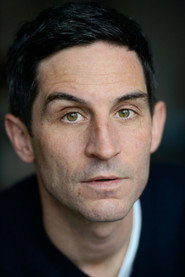 Christoph BachStephen
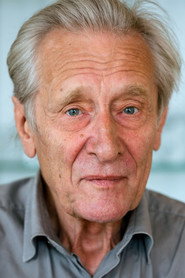 Florentin GrollMr Antrobus / Cinema Goer
 Elfriede IrrallMrs Antrobus / Cinema Goer / 1st Train Passenger
- Tom HanslmaierChief Clerk
Directing
- Bernadette WeigelAssistant Director
- Gustav DeutschDirector
Writing
- Gustav DeutschScreenplay