
Film
Religulous
Bill Maher travels the world interrogating believers about faith itself—Christianity, Islam, Judaism, their contradictions and consequences. It's comedy-documentary in the best sense: genuinely curious, genuinely skeptical, often funny but willing to sit with discomfort. For anyone who questions religion or wants to see smart people disagree sharply without malice.
Should you watch it?
Watch it if you enjoy a sharp, combative interviewer who pokes at sacred cows with a grin, and you like documentaries that argue out loud rather than sit back and observe.
Skip it if you find religion too raw to joke about, or you want a balanced, reverent look at belief; Maher pushes hard and rarely lets a guest off the hook.
What it asks of you: It runs about an hour and forty minutes, mostly as a series of confrontational conversations, so it stays fast and talky, with the jokes landing as often as the arguments.
Not sure? Find tonight's pick in a minute.
If you liked this
The God Who Wasn't There2005
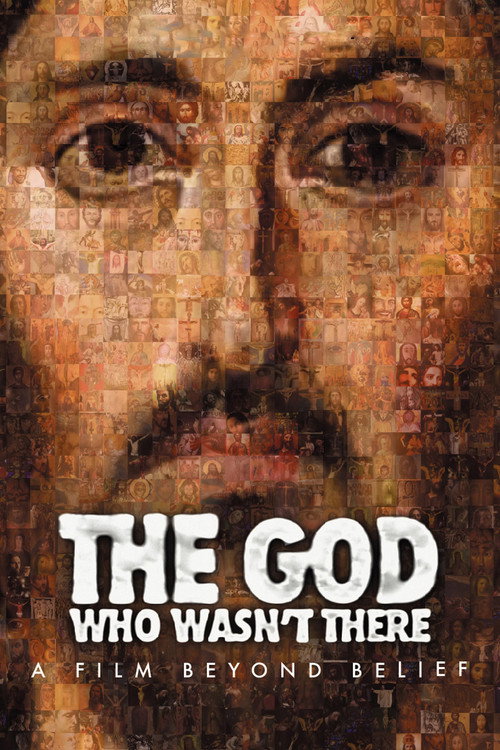
Brian Flemming's documentary dismantles the historical case for Jesus with the same forensic skepticism Maher brings, but quieter and more rigorous. It builds a real argument rather than collecting absurdities.
But It's drier, more academic than Religulous, and offers no comedic relief—just relentless deconstruction of Christian claims.
Spotlight2015
This is what rigorous religious skepticism looks like applied to actual institutional evil: Boston Globe reporters uncovering Catholic Church abuse. It has the same questioning spirit as Maher but with stakes that matter enormously.
But It's a procedural thriller, not a debate. If you want comedy or philosophical sparring, you won't find it here.

Inherit the Wind1960
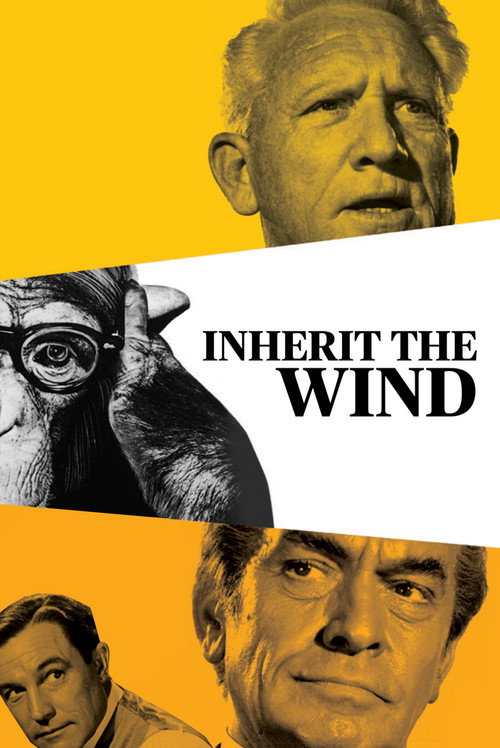
A tense courtroom drama about faith versus reason centered on evolution. Spencer Tracy is superb, and the film asks harder questions about belief and certainty than many documentaries manage.
But It's a period piece made in 1960, so the filmmaking feels theatrical. The argument, though excellent, is staged.
Not sure tonight? Get a pick in a minute, starting from Religulous
The wildcard
Something you would not have found on your own.
Footloose1984
Both interrogate a worldview by asking what it costs believers to maintain it. Maher uses logic; Footloose uses feeling. Both arrive at the same answer.
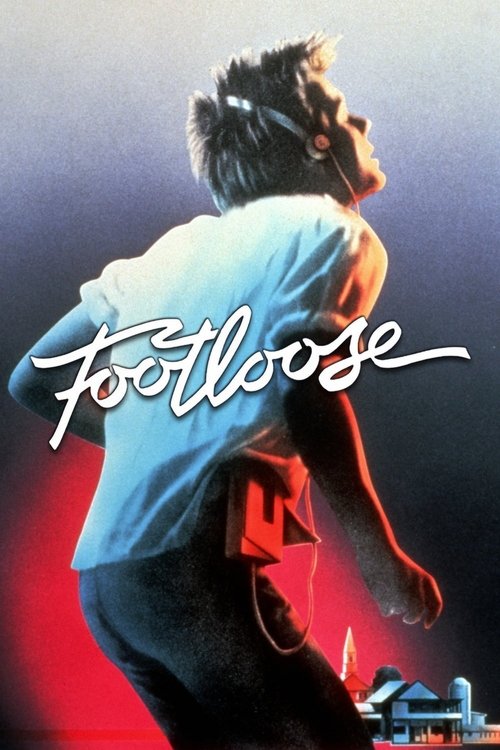
A small religious community bans dancing and music. Kevin Bacon arrives and challenges them. It's the exact opposite of Maher's approach—pure emotion and faith in joy itself—but asks the same question: what are we afraid of, and why?
But It's an 80s teen movie, broad and sincere in ways Maher never is. You're watching earnestness rather than skepticism.
More like this (8)
The Fundamentals of Caring2016
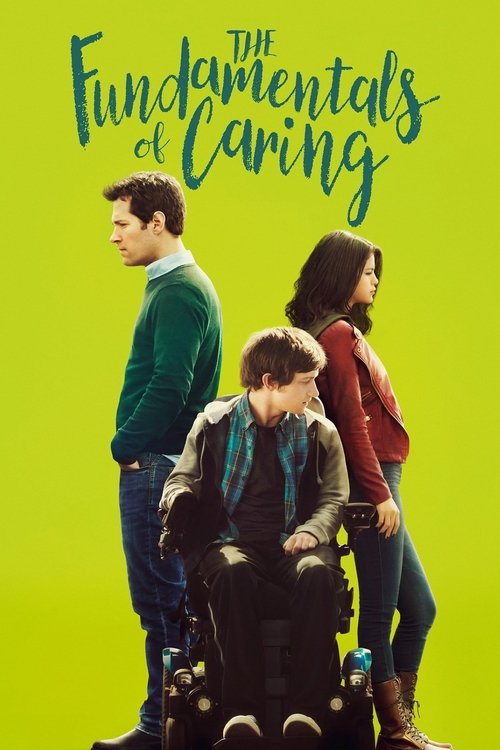
Paul Rudd and a young man with muscular dystrophy on a road trip—it's warm and funny while quietly interrogating faith, purpose, and how we actually help each other versus how we claim to.
But It's a drama wrapped in comedy, not a polemic. If you're looking for head-on debate, this sidesteps it entirely.
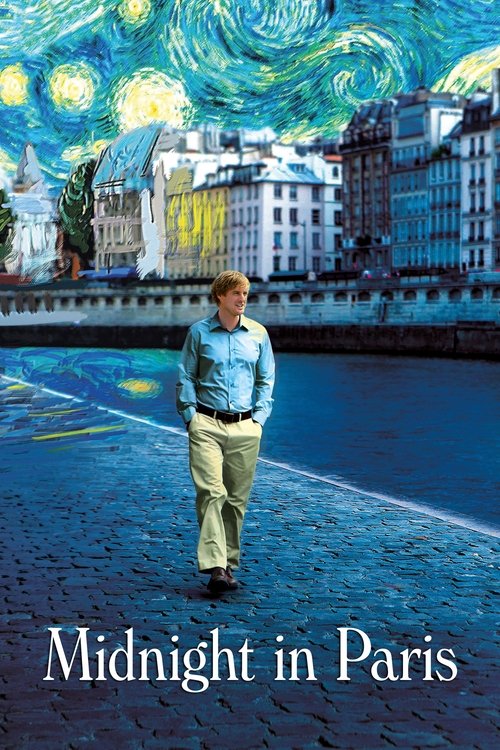
Midnight in Paris2011
Woody Allen exploring nostalgia, art, and the stories we tell ourselves to make meaning. It's lighter than Religulous but shares the DNA: a character forced to question what he thought was true.
But It's a fantasy romance, not a documentary. The philosophical wrestling is embedded in whimsy rather than direct argument.
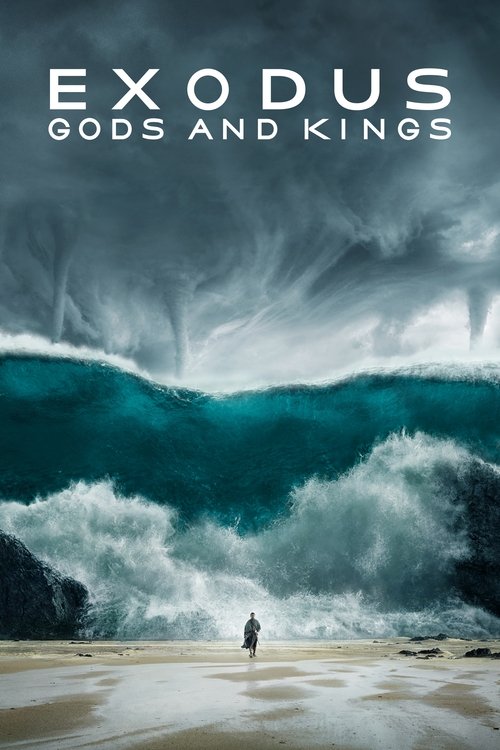
Exodus: Gods and Kings2014
Ridley Scott's sprawling biblical epic deliberately questions whether the plagues were natural, whether Moses was touched by God or hallucinating. It's skeptical where it claims to be reverent.
But It's bloated, sometimes clumsy, and some will find the skepticism muddled. Critics hated the casting and execution.
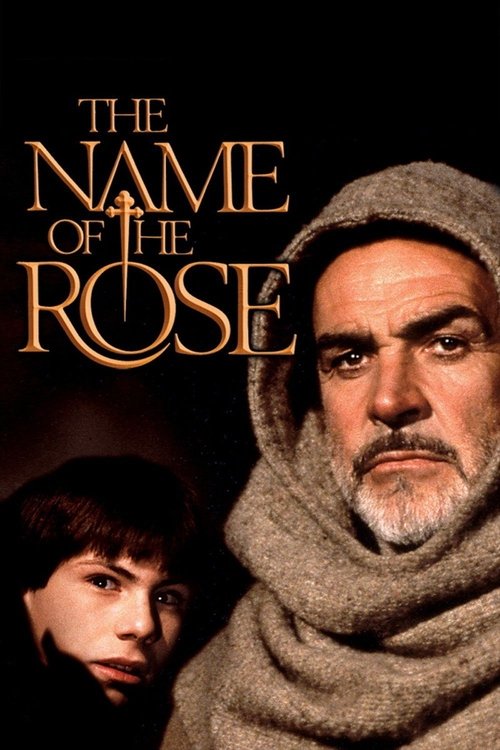
The Name of the Rose1986
Sean Connery as a Franciscan friar investigating a murder in a 14th-century monastery. It's a mystery that doubles as a meditation on faith, knowledge, power, and what we're willing to die protecting.
But It's baroque and slow. If you want direct confrontation rather than atmosphere and implication, it will feel oblique.
Harakiri1962
Masaki Kobayashi's Japanese masterpiece tears apart samurai honor codes the way Maher tears apart faith—by asking what these systems actually demand of the people who believe in them.
But It's graphically violent, deeply bleak, and makes no concessions to the audience. The tone is funereal, not comic.

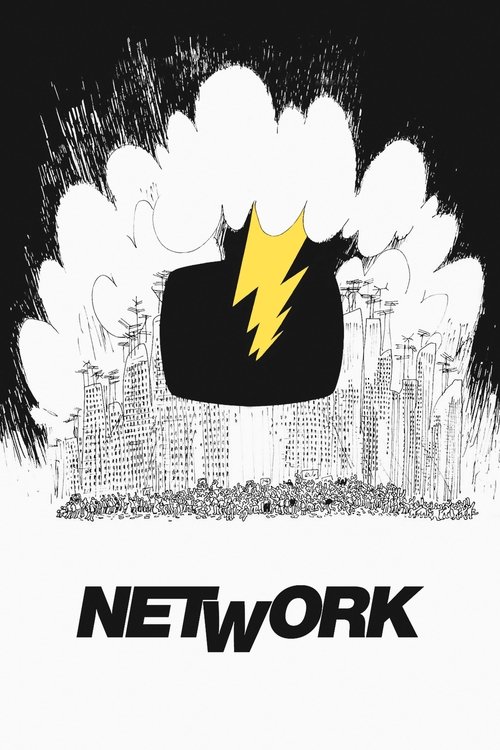
Network1976
A television newsman becomes a prophet and a commodity. Like Religulous, it's about a charismatic figure getting leverage by saying things people want to hear, and the machinery that rewards him for it.
But It's a satire of media, not religion directly. You have to do the translation yourself, and it's from the 1970s, which shows.
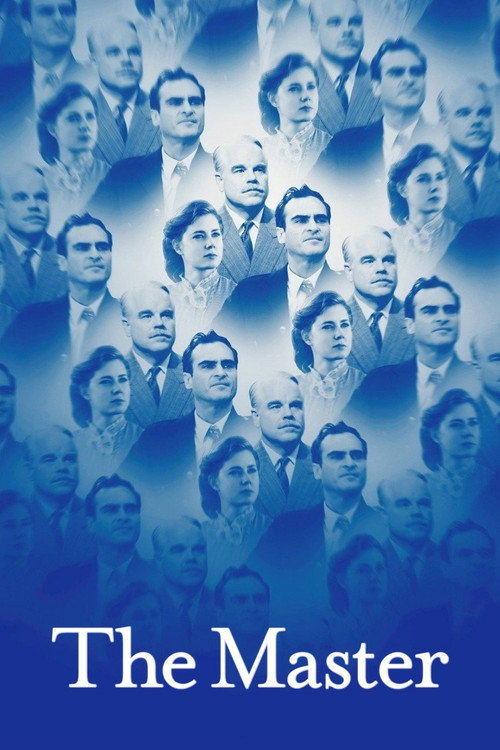
The Master2012
Both examine how intelligent, searching people come to believe extraordinary things. Religulous asks why; The Master shows the machinery of how a belief system is constructed and defended.
Paul Thomas Anderson's methodical masterpiece about a man who invents a pseudo-religious belief system and the two men entangled in it. It's Religulous' dark funhouse mirror: what happens when someone charismatic builds a faith from nothing.
But It's slow, abstract, often opaque. There's no dialogue explaining the philosophy—you have to watch Lancaster Dodd's face. Some find it glacial and pretentious.
Singin' in the Rain1952
Both understand that faith and storytelling are the same machinery. Maher wants you to see the seams; Singin' in the Rain wants you to believe in the dream anyway. Neither film is wrong.
Gene Kelly, Donald O'Connor, and Debbie Reynolds in Hollywood's golden age as the sound era arrives. It's about the stories we tell ourselves and how desperately we need them to be real. Maher interrogates faith; this film loves what faith does for us, even when it's built on illusion.
But It's a musical. If you watched Religulous for intellectual argument, you'll find this emotionally manipulative in the opposite direction—it's pure belief in the transformative power of art and love.

People
Cast
 Bill MaherSelf - Host/Narrator

- Andrew NewbergSelf
- Steve BurgSelf
 Tal BachmanSelf
- Jonathan BouldenSelf
 Francis CollinsSelf
- George CoyneSelf
- Benjamin CremeSelf
- Fatima ElatikSelf
- Yahuda EtzionSelf
Directing
- Larry CharlesDirector
Writing
- Bill MaherWriter
- T. Rafael CiminoWriter
Production
- Alexandra LambrinidisAssociate Producer
- Lisa RudinAssociate Producer
- Charlie SiskelExecutive Producer
- Jesse JohnstonExecutive Producer
- Bill MaherProducer
- Jonah SmithProducer
- Palmer WestProducer
Recommended by
Jonestown: The Life and Death of Peoples Temple, Friends of God: A Road Trip with Alexandra Pelosi, Frat House, The God Who Wasn't There, The Unbelievers, American Gospel: Christ Alone, The God Delusion Debate