
Film
American Gospel: Christ Alone
A 140-minute documentary examining how American culture has distorted Christian theology, particularly the concept of the gospel. Featuring evangelical leaders and theologians debating prosperity theology, health-and-wealth preaching, and denominational drift. Serious, polemical, and designed for viewers who care deeply about theological precision and institutional critique within Christianity.
Should you watch it?
Watch it if you care about doctrine and want a sharp, sermon-like debate about what the gospel actually says, and you enjoy talking-head arguments with real theological stakes.
Skip it if you want cinematic scenes or a story arc; this is mostly interviews and lectures, pitched at people already inside the argument.
What it asks of you: Roughly two hours and twenty minutes of mostly seated talking, with few breaks in the argument; it rewards sitting still and following the reasoning closely.
Not sure? Find tonight's pick in a minute.
If you liked this
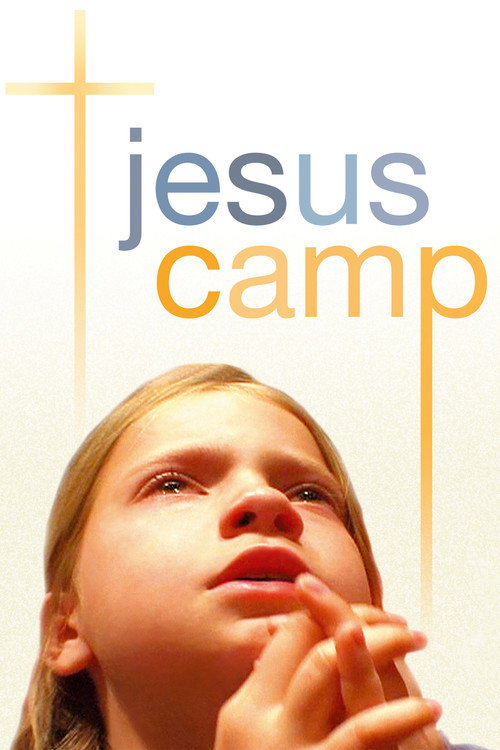
Jesus Camp2006
Unflinching look at evangelical youth culture and charismatic Christianity in America. Raises uncomfortable questions about indoctrination, emotional manipulation, and the gap between stated values and lived practice. Essential viewing for understanding American evangelicalism's contradictions.
But Depicts children in ways that feel exploitative to some viewers. The film's critical stance may alienate those deeply invested in the movement it examines.
Spotlight2015
Methodical investigation into institutional betrayal and how power silences truth. Shows how systemic problems hide behind respectability and how that requires tenacious questioning to expose.
But Focuses on Catholic rather than evangelical corruption. Some find the procedural approach dry.

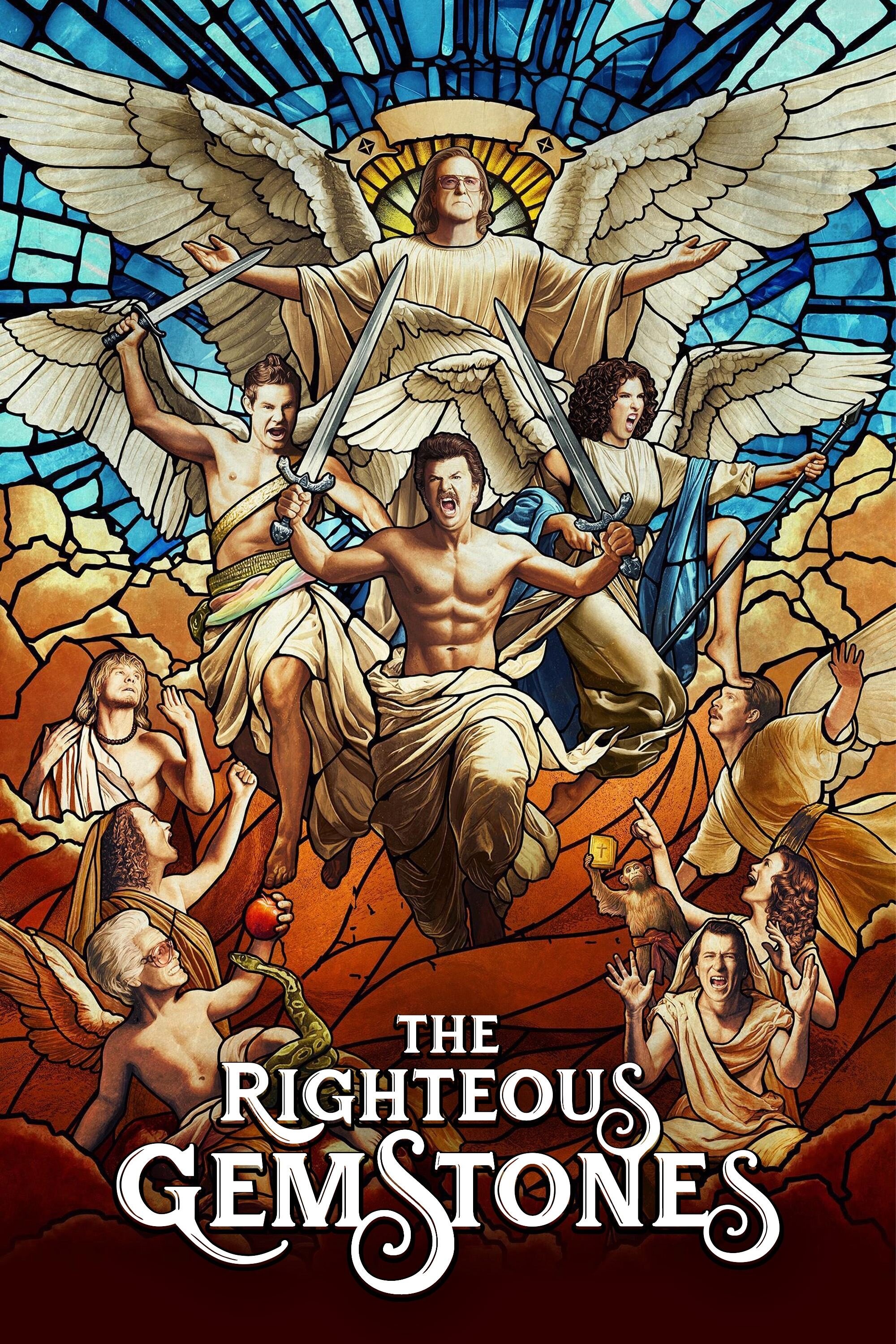
The Righteous Gemstones2019
Darkly funny critique of televangelism and prosperity gospel excess. Nails the performative aspects of American Christianity—the spectacle, the money, the family loyalty masquerading as faith.
But Comedy undercuts the seriousness of what it's depicting. Some find the satire too broad to sting.
Not sure tonight? Get a pick in a minute, starting from American Gospel: Christ Alone
The wildcard
Something you would not have found on your own.
Fyre2019
Both document how charisma, narrative control, and institutional loyalty create systems that survive evidence of their own fraud.
Not about religion, but structurally identical: charismatic leader, utopian promise, carefully curated imagery, disciple-like followers, institutional cover-up, and a gap between rhetoric and reality so vast it becomes criminal. Same con, different costume.
But Treated as entertainment rather than theology. The comparison only works if you're willing to see the structures, not the surface.

More like this (4)
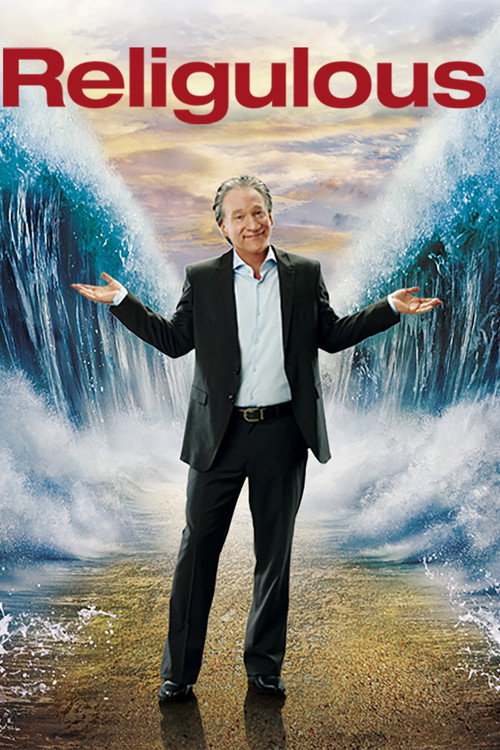
Religulous2008
Bill Maher's documentary questioning religious faith across traditions. Provocative and uninterested in protecting believers' feelings, it asks whether faith itself is a problem rather than just expressions of it.
But Hostile tone alienates many. Treats faith itself as fraud rather than engaging theology seriously.
The Confession Tapes2017
True-crime series examining false confessions and how institutional authority—including religious authority—produces injustice. Raises questions about faith, doubt, and institutional pressure.
But Crime-focused rather than theology-focused. Requires patience across multiple episodes.
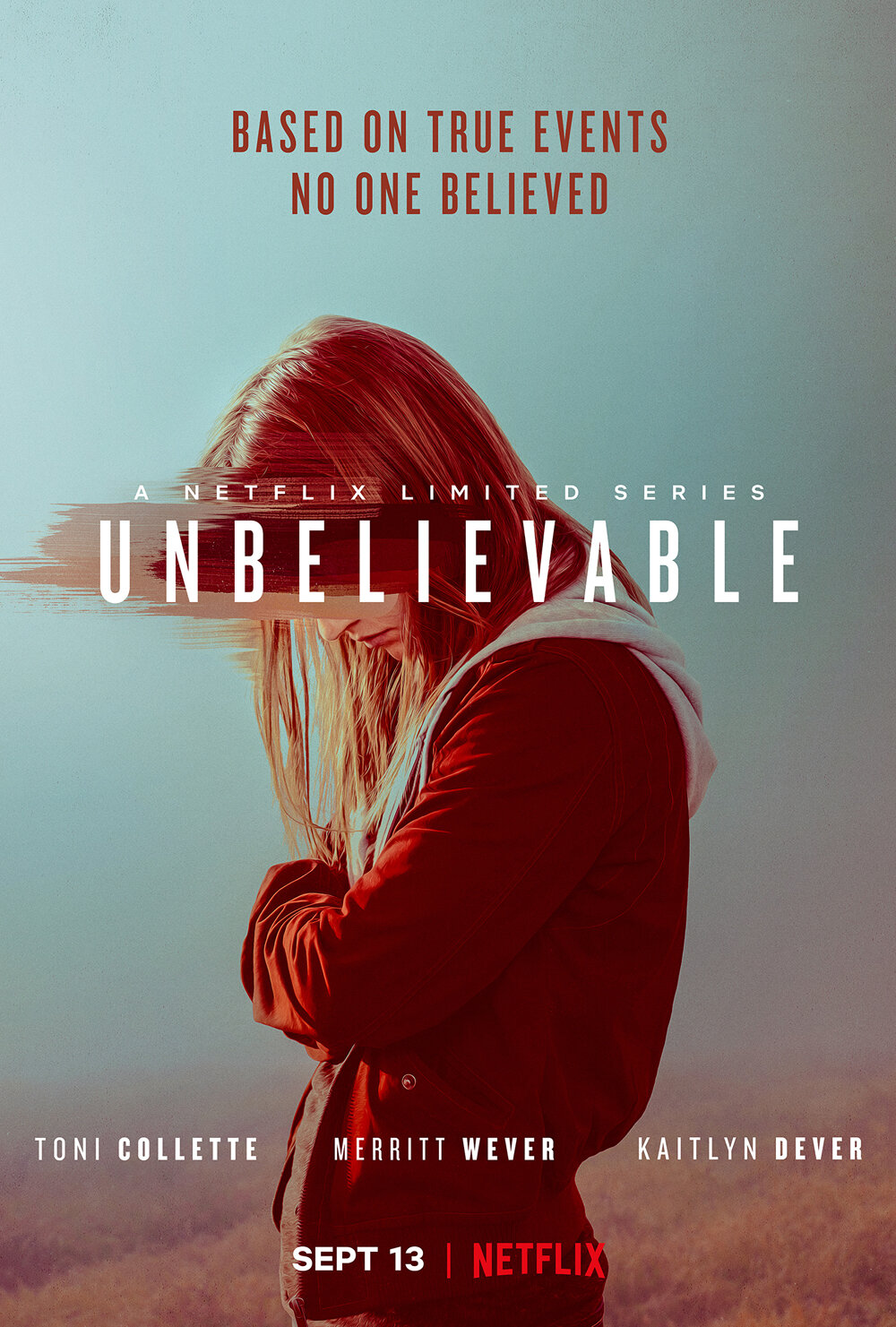
Unbelievable2019
Not explicitly about faith, but devastatingly about institutional failure to protect people and the power dynamics that enable abuse. Relevant to any documentary about institutional trust and accountability.
But Depicts sexual assault graphically. Emotionally brutal to watch. Centers trauma rather than theology.
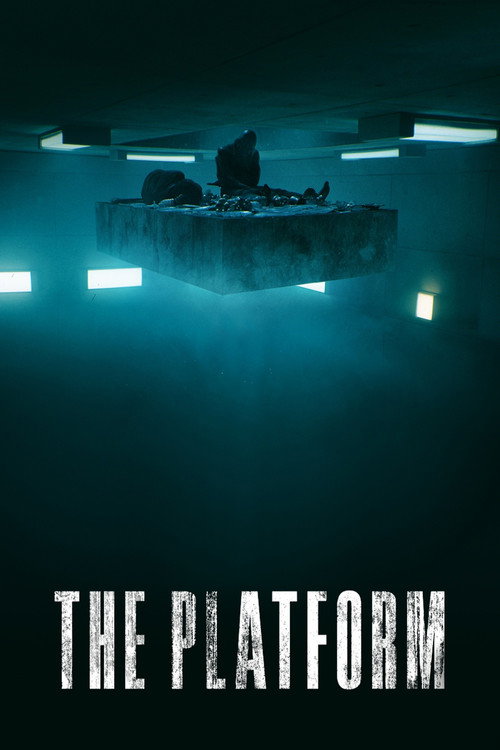
The Platform2019
Both examine how systems rationalize inequality: one through theology, one through architecture. Both ask why people defend structures that harm them.
Spanish sci-fi allegory about hierarchy, resource hoarding, and self-justifying systems. A prison where privilege is literally built on the suffering of those below. Bleak and structural rather than character-driven—it's about the system's logic, not individuals' goodness.
But Surreal, violent, and deliberately grim. Not a debate or interview; a vision of how systems perpetuate themselves. Some find it pretentious.
People
Cast
- Costi HinnHimself
- Justin PetersHimself
 Steven J. LawsonHimself
- Sean DemarsHimself
- Nabeel QureshiHimself
- Paul WasherHimself
Directing
- Brandon KimberDirector
Production
- Martin McGreevyAssociate Producer
- Greg RobbExecutive Producer
- Ralph McGreevyExecutive Producer
- Shawn RechExecutive Producer
- Shawn RechProducer