
Film
The Unbelievers
Richard Dawkins and Lawrence Krauss travel internationally promoting scientific thinking and skepticism toward religious belief. It's a feature-length conversation between two public intellectuals, shot in a talk-show format with celebrity interludes. Engaging if you're curious about how prominent atheists frame their arguments; less so if you want rigorous debate or unexpected ideas.
If you liked this
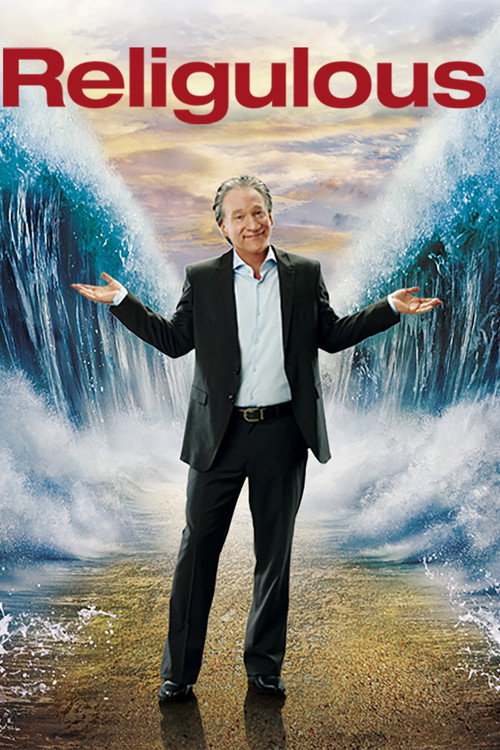
Religulous2008
Bill Maher's globe-trotting documentary about religious belief is sharper and funnier than *The Unbelievers*, with Maher's confrontational charm pushing conversations into uncomfortable places that reveal more than polite discussion ever could.
But Maher's mockery can feel cheap, and the film sometimes punches down at easy targets rather than engaging with serious theology or philosophy.
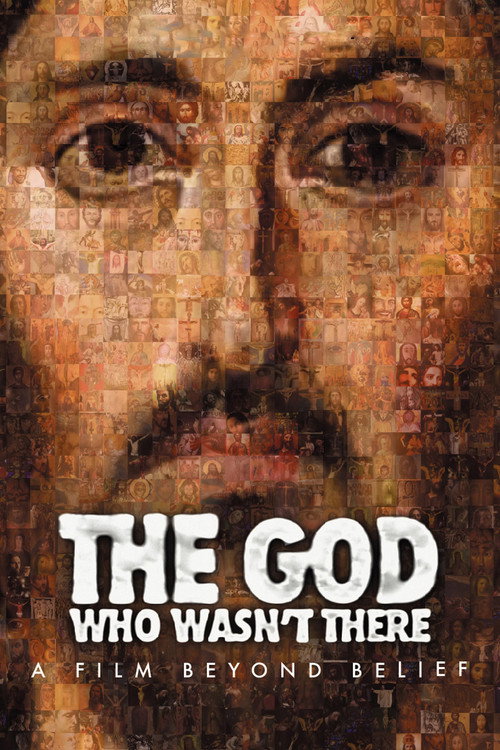
The God Who Wasn't There2005
Brian Flemming's provocative documentary questions the historical Jesus with scholarly rigor and personal stakes—he's a former Christian missionary examining the faith he lost. It's leaner and more intellectually adventurous than a talking-heads format allows.
But It's deliberately inflammatory and makes claims that mainstream scholars dispute, which may frustrate rather than illuminate depending on your tolerance for polemic.
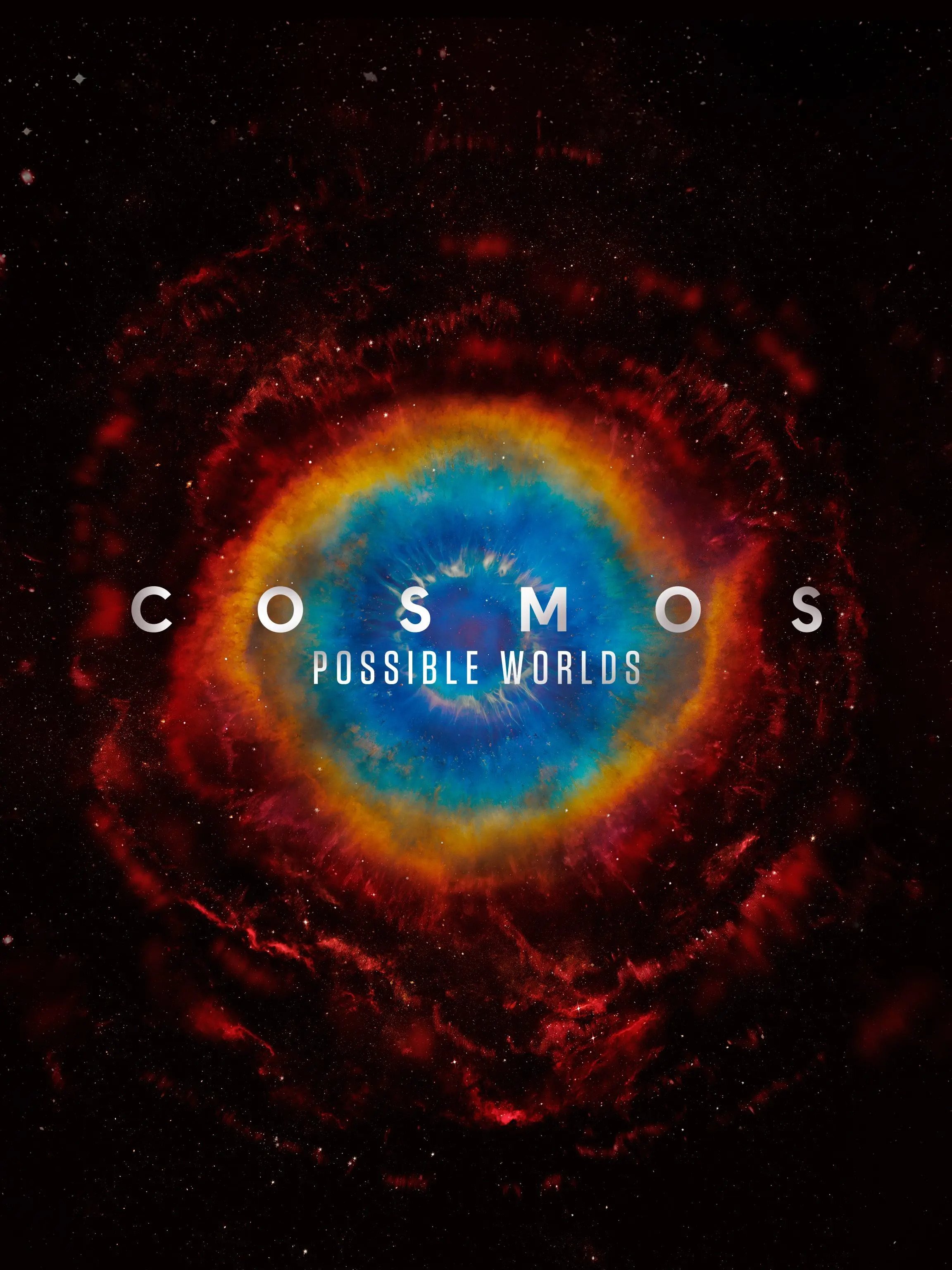
Cosmos1980
Neil deGrasse Tyson's remake of Carl Sagan's series makes the case for scientific wonder without needing to tear down religion. The production is gorgeous, the thinking is clear, and it trusts the audience to draw their own conclusions.
But It's not interested in directly addressing religious objections, so if you came for debate you'll find something more serene and less combative.
Not sure tonight? Get a pick in a minute, starting from The Unbelievers
The wildcard
Something you would not have found on your own.
Kedi2017
Both are feature documentaries featuring travel and observation, but where one broadcasts a message, this one refuses to have one—a wildly different faith in what cinema can do.
A Turkish documentary about street cats in Istanbul that asks no questions about anything. It watches, it listens, it lets you sit with a world. After the hectoring of *The Unbelievers*, spending 80 minutes with no agenda is a kind of profound skepticism—doubt toward the very idea that argument solves anything.
But It's about cats. Not metaphorically. If you want intellectual content or a clear thesis, this is the wrong film entirely.

More like this (7)
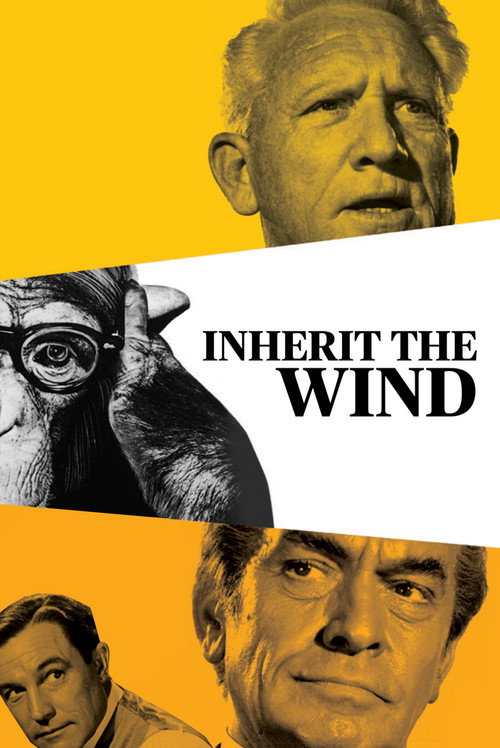
Inherit the Wind1960
A courtroom drama about the Scopes monkey trial that examines the clash between faith and science through character and law rather than lecture. Spencer Tracy and Fredric March make the intellectual stakes feel genuinely human.
But It's a 1960s film arguing for reason with 1960s methods, and the theatrical style hasn't aged into the ease of modern documentaries.
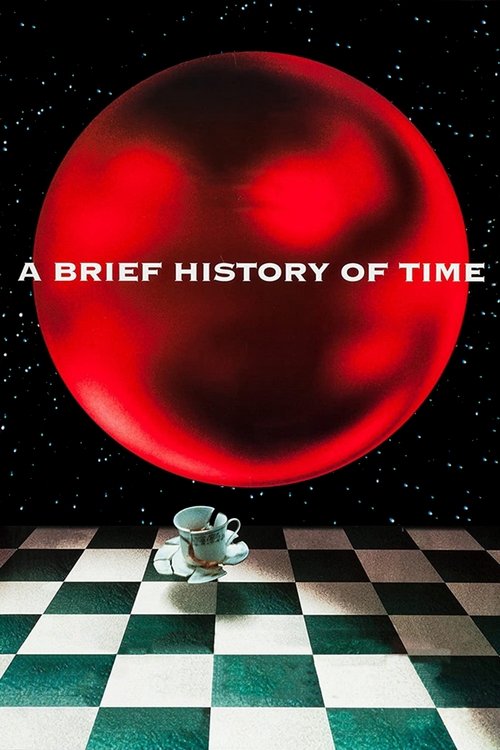
A Brief History of Time1991
Errol Morris's film about Stephen Hawking lets a cosmologist think aloud about the universe's origins without turning it into a platform. It's patient, visual, and interested in ideas rather than winning arguments.
But Very slow, very focused on one man's mind rather than dialogue or narrative momentum—it demands attention in a way contemporary audiences often resist.
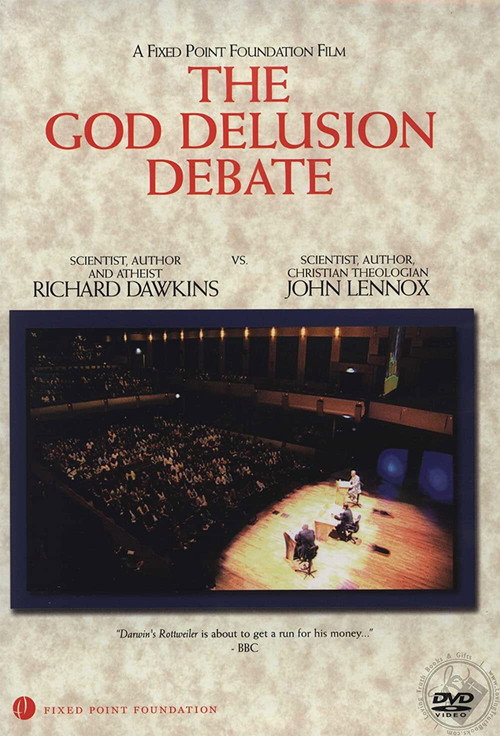
The God Delusion Debate2007
A filmed version of Dawkins actually in conversation with John Lennox, a Christian philosopher. If you want to see Dawkins pressed by a serious intellectual opponent, this delivers the sparring that *The Unbelievers* only promises.
But It's a single debate between two white men in formal dress, which is not inherently dynamic; the pacing depends on your tolerance for measured academic argument.
For the Bible Tells Me So2007
A documentary about LGBTQ Christians and their families that approaches religion with empathy and specificity rather than broad dismissal. It asks harder questions about how belief actually lives in people's lives than abstract arguments about whether God exists.
But If you're looking for intellectual demolition of faith, this film's humanism and attention to experience will feel evasive.

The Atheism Tapes2004
Jonathan Miller's BBC series interviews prominent thinkers about their lack of religious belief—including Dawkins—and lets silence and reflection do the work that manifesto-style documentary resists. It's more curious than certain.
But Six hours across six episodes, and very British in its refusal to be urgent or entertaining in the conventional sense.
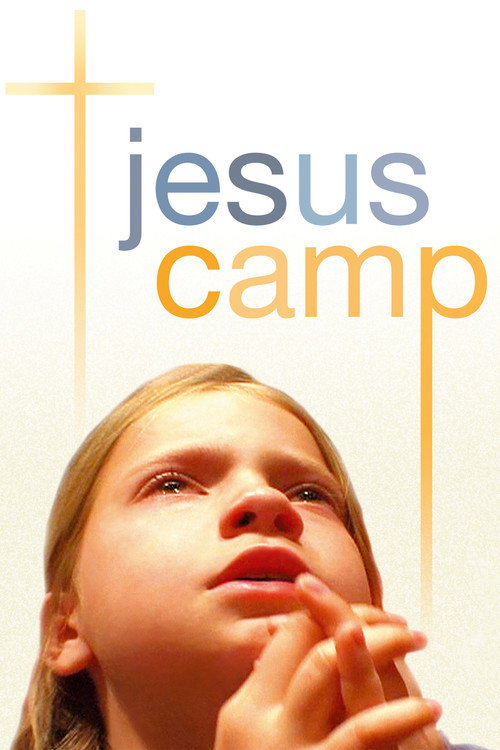
Jesus Camp2006
A documentary about evangelical Christian children at summer camp—no voice-over argument, just observational camera work. It lets you form your own critique by witnessing what's actually happening, which is far more persuasive than being told what to think.
But Some viewers will find it manipulative in what it chooses to film, and it doesn't engage with believers' own reasoning or theology.
Stalker1979
Tarkovsky made films about the limits of human certainty and the persistence of longing in the face of those limits—the inverse of Dawkins and Krauss's project, and stranger for it.
Andrei Tarkovsky's science-fiction meditation on desire, belief, and what we search for when we don't know what we want. It's a film that respects the metaphysical without endorsing it—neither faith nor scientific certainty, but the mystery of wanting itself.
But It's 163 minutes of slow, philosophical cinema in Russian. No debate, no celebrities, no modern editing. It demands patience and offers ambiguity in return.

People
Cast
 Richard DawkinsSelf
 Lawrence KraussSelf
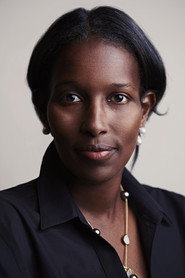 Ayaan Hirsi AliSelf
 Woody AllenSelf
 Cameron DiazSelf
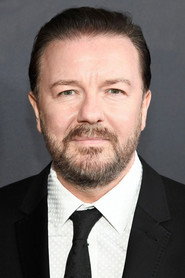 Ricky GervaisSelf
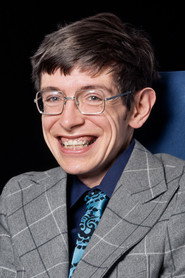 Stephen HawkingSelf
 Penn JilletteSelf

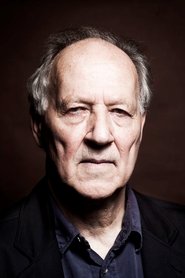 Werner HerzogSelf
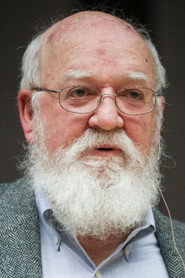
 Sam HarrisSelf
Directing
- Gus HolwerdaDirector
Writing
- Gus HolwerdaWriter
- Luke HolwerdaWriter