
Film
Juvenile Court
A 1973 documentary following Memphis Juvenile Court as it processes real cases—drug abuse, robbery, abuse, sexual offenses—while examining the impossible tension between punishment and rehabilitation. Shot with unflinching observation, it shows how judges actually work and what options (or lack thereof) exist when a child breaks the law. Essential for anyone thinking seriously about justice.
Should you watch it?
Watch it if you are drawn to observational documentaries that let institutions talk for themselves, where the drama comes from weighing hard choices about troubled kids rather than from any narrator telling you what to feel.
Skip it if you want a documentary with a clear argument, quick cuts or a steady emotional hook; this is patient, unhurried and leaves a lot of the judging to you, which can feel like work.
What it asks of you: It runs close to two and a half hours and asks you to sit with long stretches of hearings and deliberation, staying attentive to procedure and argument rather than waiting for a payoff.
Not sure? Find tonight's pick in a minute.
If you liked this
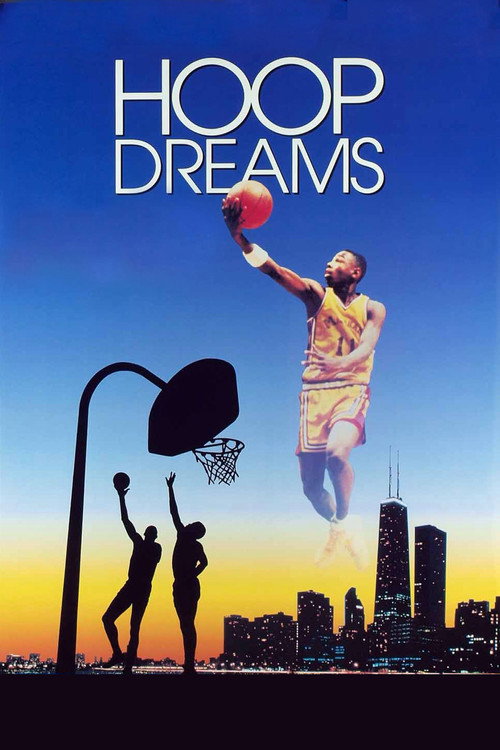
Hoop Dreams1994
Two hours becomes 171 minutes without you noticing. Follows two basketball players across years with the same intimate, non-judgmental eye Juvenile Court uses—showing how systems shape lives, for better and worse.
But Long, structureless, and occasionally frustrating because life doesn't resolve neatly. Some find the pacing glacial.
Grey Gardens1976
The Maysles brothers turned their camera on two reclusive women and let reality unfold. Like Juvenile Court, it's uncomfortable to watch because you're seeing genuine human struggle without a safety net of explanation.
But Deeply sad and occasionally exploitative-feeling, even though the filmmakers' intentions are sympathetic. It's a slow descent into decay.

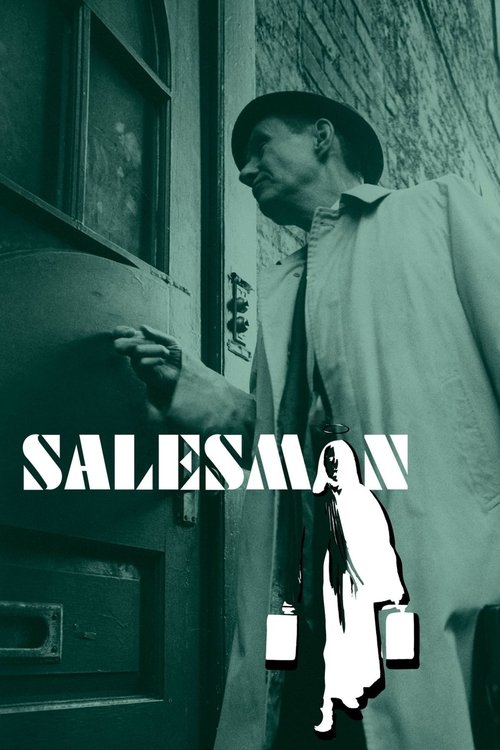
Salesman1969
Albert and David Maysles' verite masterpiece about door-to-door Bible salesmen trying to make quota. Same era, same refusal to look away, same theme: how institutions press down on ordinary people.
But Bleak and repetitive by design. If you need narrative momentum or hope, this will test your patience.
Not sure tonight? Get a pick in a minute, starting from Juvenile Court
The wildcard
Something you would not have found on your own.
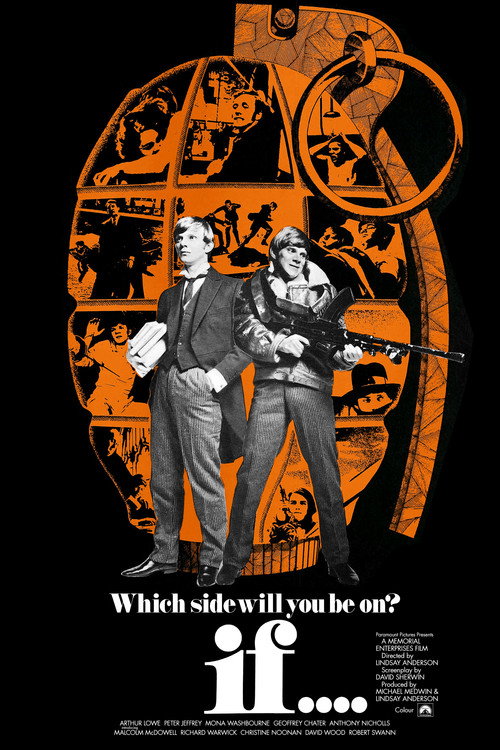
if....1968
Both examine how institutions shape and break children, but Anderson imagines rebellion where Wiseman only documents aftermath.
Lindsay Anderson's surrealist allegory about power and rebellion in a British boarding school. Same structure as Juvenile Court—institutional authority crushing young people—but rendered in dream-logic and violence instead of courtroom realism. Both ask: what does a system do to the young?
But The tonal shift into explicit violence and fantasy will seem like a different film entirely. Some see it as pretentious; others as essential.
More like this (7)
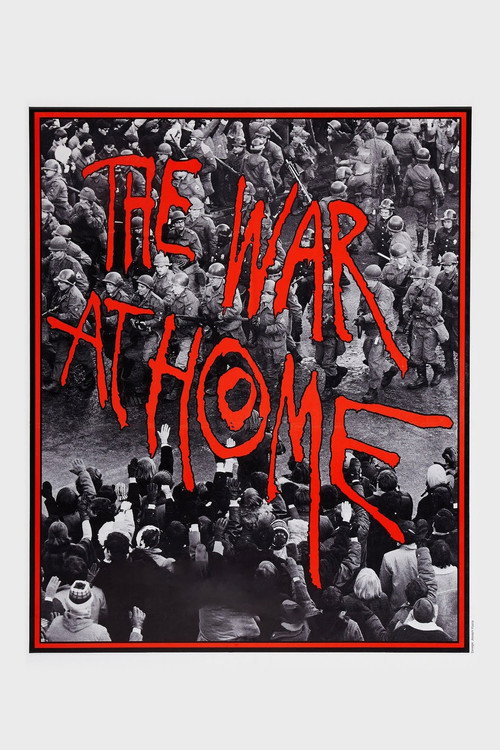
The War at Home1979
Documentary about the anti-war movement in Madison, Wisconsin using actual footage from protests and court hearings. Puts you in a moment of real social fracture the way Juvenile Court does for the justice system.
But Chaotic editing and dense archival material can feel overwhelming. It's a document first, a story second.
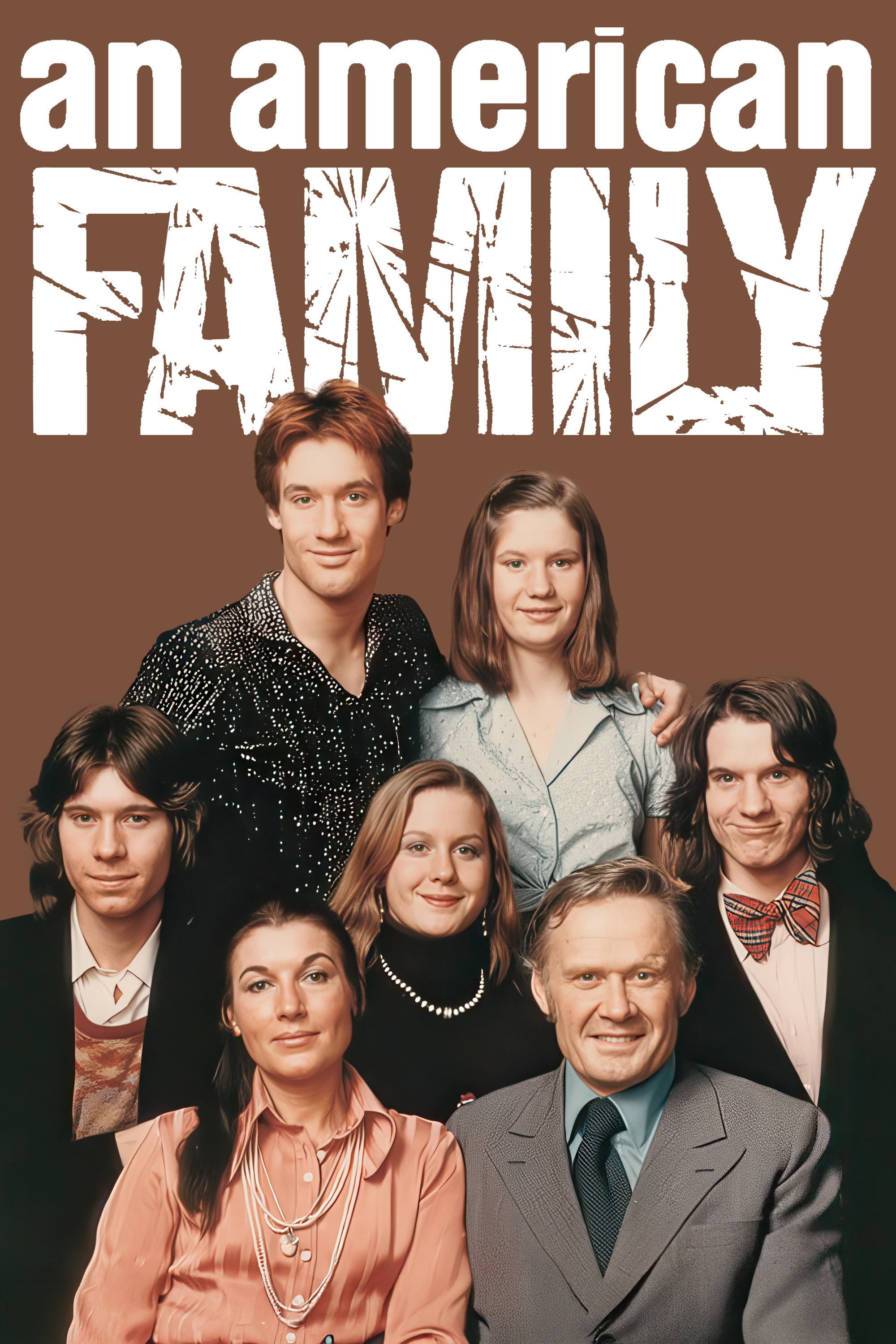
An American Family1973
A television event from the same moment: 12 hours following the Loud family across a year. Pioneering verite that shows family life unraveling in real time, with the same uncomfortable honesty as Juvenile Court.
But Originally filmed in the 1970s for a different medium and different expectations. Some passages feel dated, and it's genuinely tedious at points.
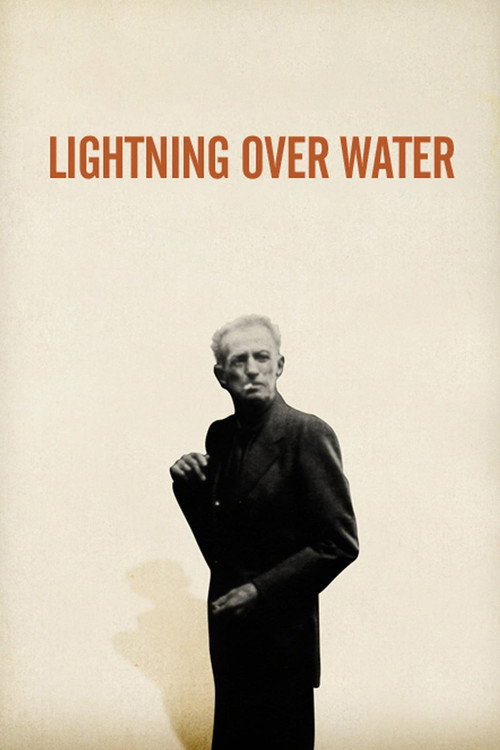
Lightning Over Water1980
Wim Wenders and Nicholas Ray filming Ray's illness and death without sentimentality. Difficult subject matter met with absolute respect—the inverse of exploitation, which connects to Juvenile Court's moral seriousness.
But Experimental, sometimes obscure, and requires patience with long takes of quiet conversation. Not accessible in the conventional sense.
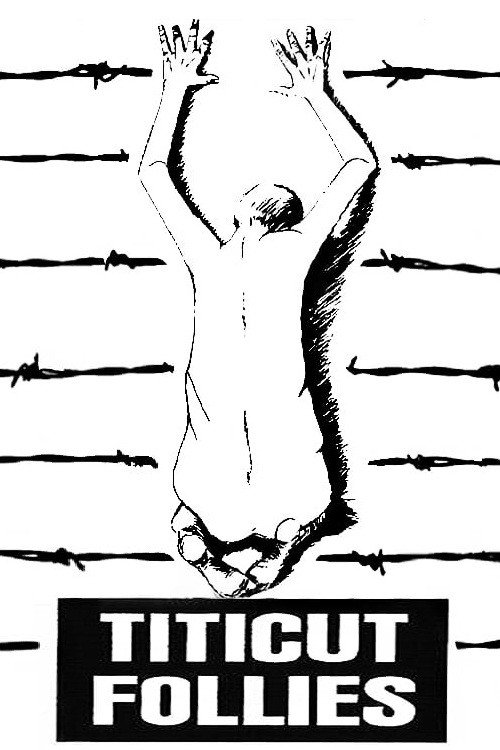
Titicut Follies1967
Frederick Wiseman's banned documentary of a Massachusetts mental institution. Same unflinching examination of how systems treat vulnerable people; institutional critique through pure observation.
But Deeply disturbing. Shows real people in psychiatric crisis and genuine abuse. Many found it so troubling it was restricted for years.
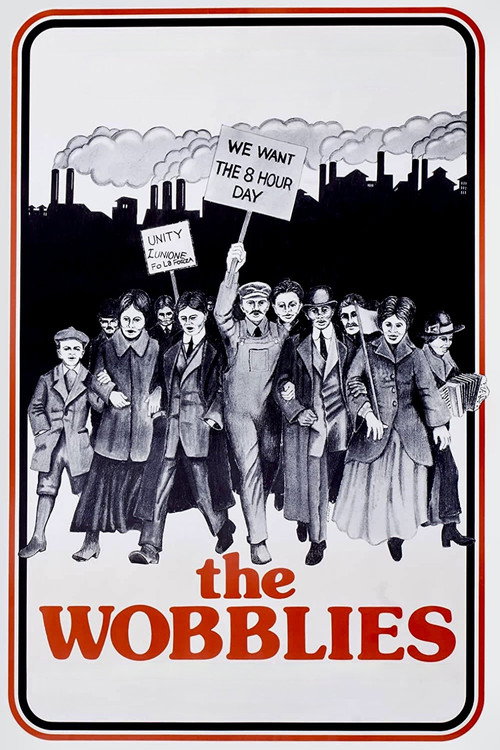
The Wobblies1979
Interviews and archival material about the Industrial Workers of the World. A different subject, but the same documentary mode examining people pushed to the margins by larger forces.
But Dry, talky, and assumes interest in labor history. The formal approach won't work for everyone.
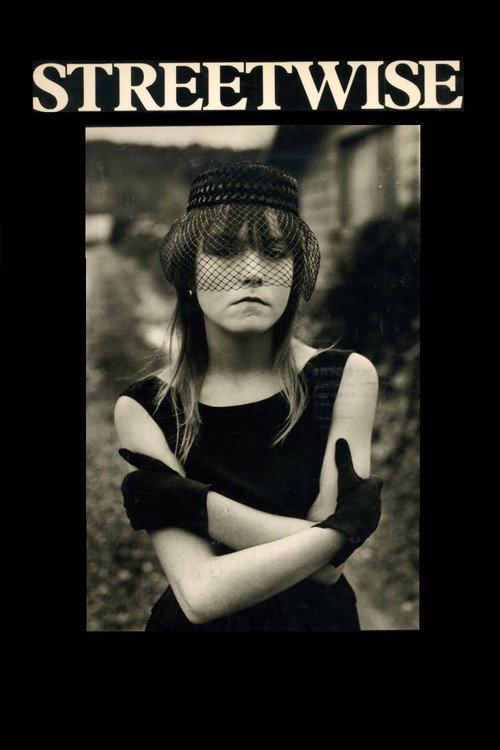
Streetwise1984
Both follow young people caught in systems that don't protect them, but Streetwise mourns where Juvenile Court simply observes.
Photographer Martin Bell's film of homeless teenagers in Seattle, shot with the same verite honesty as Juvenile Court. But it's also a visual poem—gorgeous, heartbreaking, and entirely without judgment. Same world, different emotional register.
But The beauty of the cinematography can feel at odds with the horror of the content. Some see that contrast as exploitative.
Sans Soleil1983
Both are acts of witness to difficult human truths, but Marker wraps that witness in philosophy and art while Wiseman uses only the camera.
Chris Marker's experimental essay-film: a meditation on memory, time, politics, and loss narrated by letters to a woman. Nothing like Juvenile Court in form, but it asks the same question about how we look at suffering and what responsibility we have to bear witness.
But Deliberately fragmented, poetic, sometimes cryptic. If you need clarity or conventional narrative, this will frustrate you.

People
Directing
- Frederick WisemanDirector
Production
- Frederick WisemanProducer
- James MedaliaProduction Assistant
- Rene KoopmanProduction Assistant