
Film
The South
- Political drama
- Very dark
- Slow-burning
A haunting portrait of post-dictatorship Buenos Aires, where a freed political prisoner wanders through memory and reality in a single night. Director Fernando Solanas creates a dreamlike meditation on trauma, loss, and the ghosts—literal and psychological—that linger after state violence. Lyrical, sorrowful, essential for anyone drawn to cinema that privileges mood and moral weight over plot.
Should you watch it?
Watch it if you are drawn to dreamlike films where a man's memories and present-day wanderings blur together through a city at night, and you're happy to let the mood carry you along.
Skip it if you want a clear plot or brisk pacing, since this runs over two hours and rarely hurries, its meaning arriving in drifts rather than through a straightforward storyline.
What it asks of you: Expect a slow, drifting rhythm and a long stretch of patience, with the country's dark recent past surfacing in fragments rather than as a tidy explanation.
Not sure? Find tonight's pick in a minute.
If you liked this
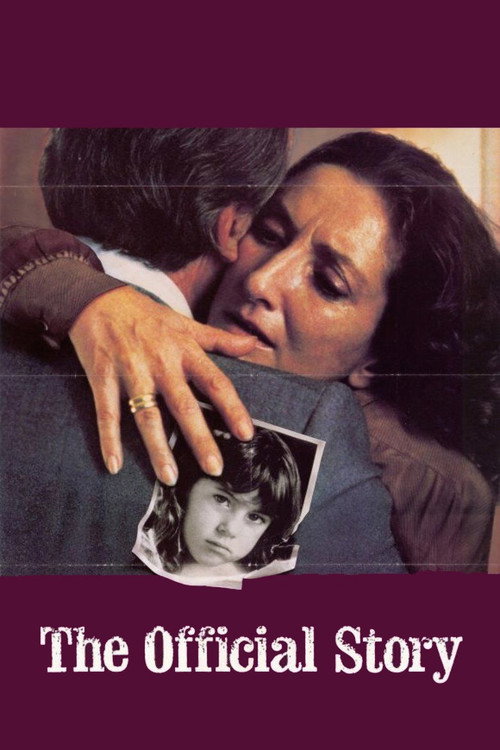
The Official Story1985
Another Argentine masterpiece about reckoning with dictatorship's aftermath, but from a woman's perspective. Powerful, direct, and easier to enter than The South's experimental structure.
But Less formally adventurous; if you're drawn to The South's dreamlike quality, this might feel conventional by comparison.
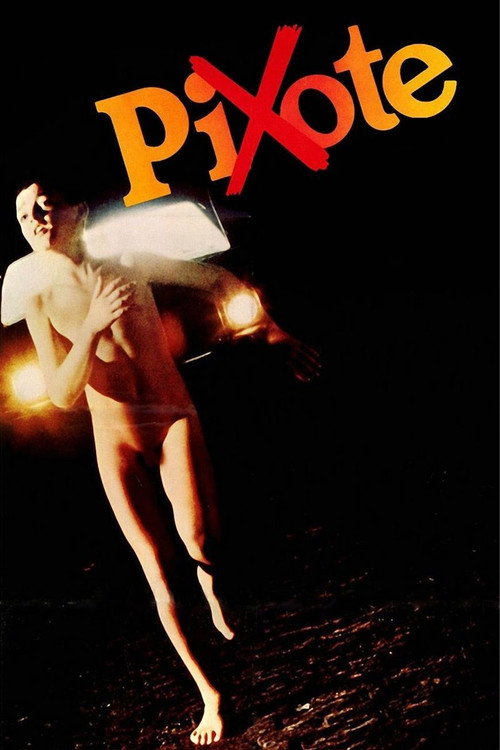
Pixote1980
Brazilian cinema's unflinching look at suffering children in a broken system. Shares The South's refusal to sentimentalize poverty and trauma, with equally devastating emotional force.
But Grueling and often brutal. The film's subject matter—child exploitation—is as difficult as its style is uncompromising.
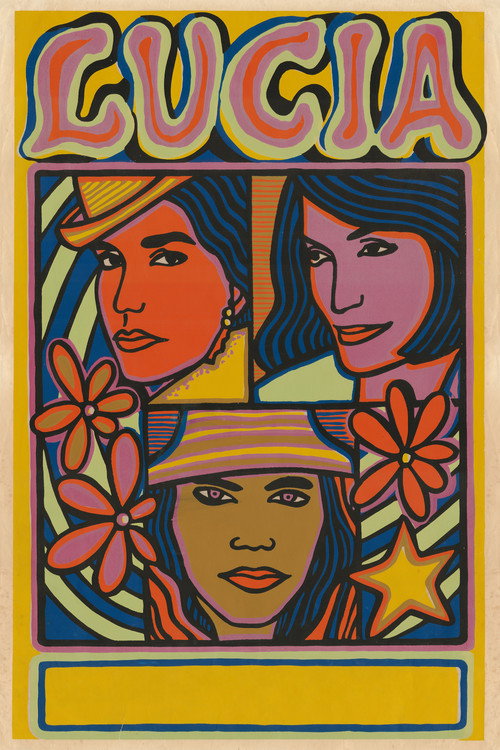
Lucía1968
Cuban three-part meditation on revolution and desire across three eras. Like The South, it trusts the audience to piece together meaning from fragmented narrative and visual poetry.
But Formally demanding and in Spanish without subtitles on some versions. Requires patience and active watching.
Not sure tonight? Get a pick in a minute, starting from The South
The wildcard
Something you would not have found on your own.
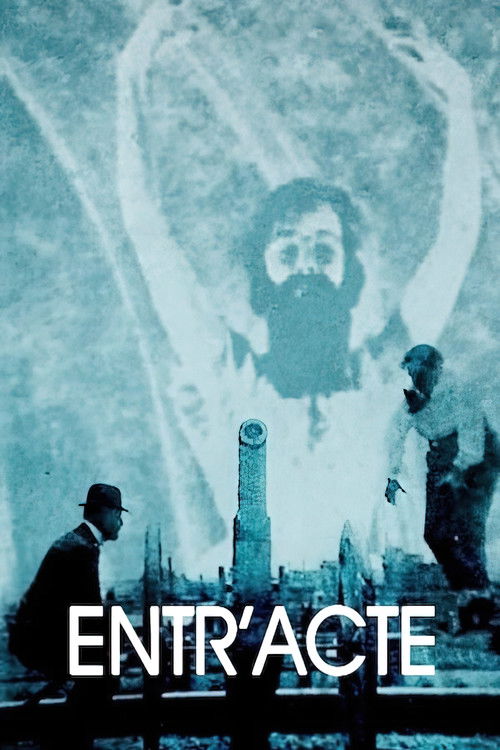
Entr'acte1924
Both films reject linear storytelling to reach emotional truth through montage, memory, and visual music. Clair pioneered the grammar that Solanas uses to depict trauma.
A surrealist ballet film by René Clair that uses fragmented, dreamlike sequences to explore desire and loss. Silent, ten minutes, pure visual poetry—The South's spirit ancestor.
But Silent film from the 1920s; no narrative to grip you. If you expect plot, you'll be frustrated before it starts.
More like this (7)
A Prophet2009
Prison as a crucible for transformation and self-discovery. Watches like a thriller but carries the weight of The South's interest in how institutions mark the soul.
But Longer than it needs to be and occasionally melodramatic in ways The South's restraint avoids.

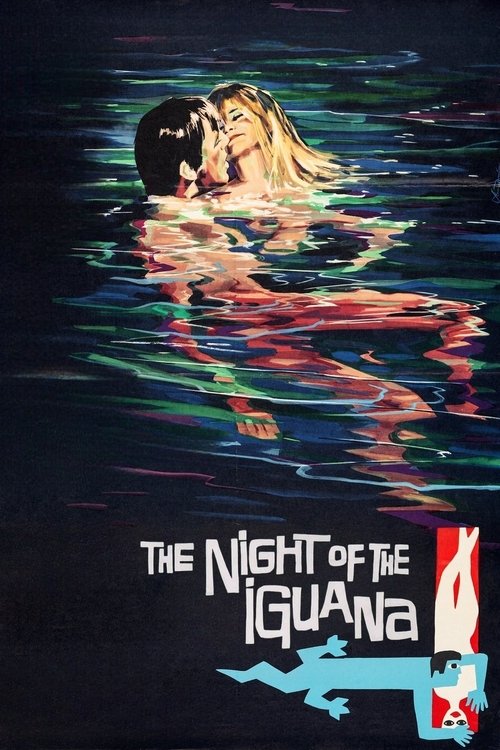
The Night of the Iguana1964
Tennessee Williams' exploration of a man adrift after moral compromise, set in a single night in Mexico. Shares The South's interest in memory, regret, and the ghosts we carry.
But A stage play adapted for film; sometimes feels theatrical. Richard Burton's performance can veer toward scenery-chewing.
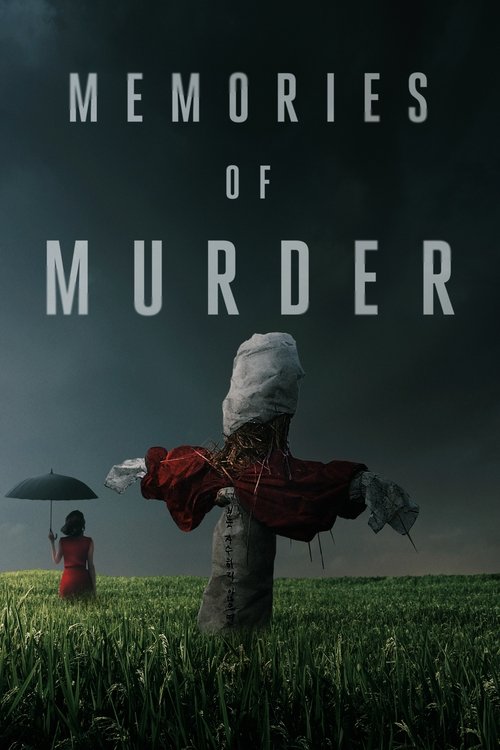
Memories of Murder2003
A serial killer hunt becomes a portrait of a nation failing its citizens. Bong Joon-ho's mastery of tone—tragedy mixed with dark absurdism—echoes The South's moral complexity.
But Three hours long. The shift from procedural thriller to something more philosophical might feel tonal whiplash.
Ikiru1952
A man confronts mortality and meaning after a life of institutional compliance. Kurosawa's meditation on regret and redemption has the same quiet devastation as The South.
But Very slow by modern standards. The film's pace demands you sit with discomfort rather than move through it.

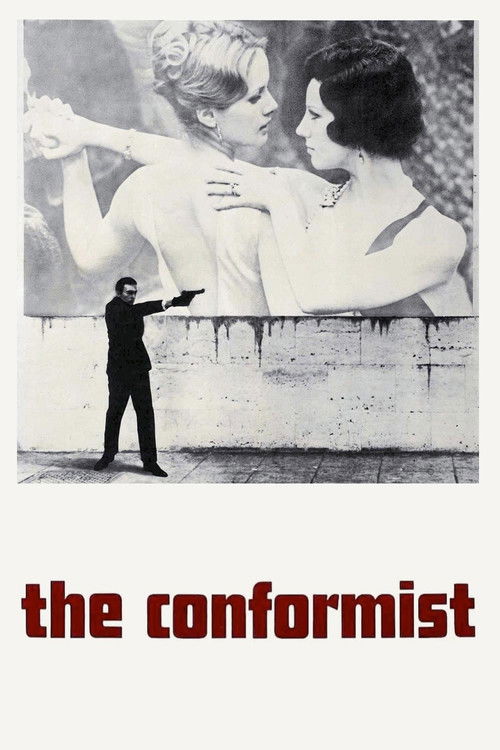
The Conformist1971
A fascist bureaucrat's betrayal of his own ideals. Bertolucci's visual sophistication and exploration of complicity under totalitarianism will resonate deeply with The South's politics.
But Formally experimental in ways that can feel obscure; the plot threads deliberately resist neat resolution.
Come and See1985
A Soviet war film that depicts violence's psychological aftermath with unflinching clarity. Like The South, it refuses to move past trauma quickly or comfortably.
But Extremely distressing. One of cinema's most punishing experiences—not recommended if you're seeking catharsis.

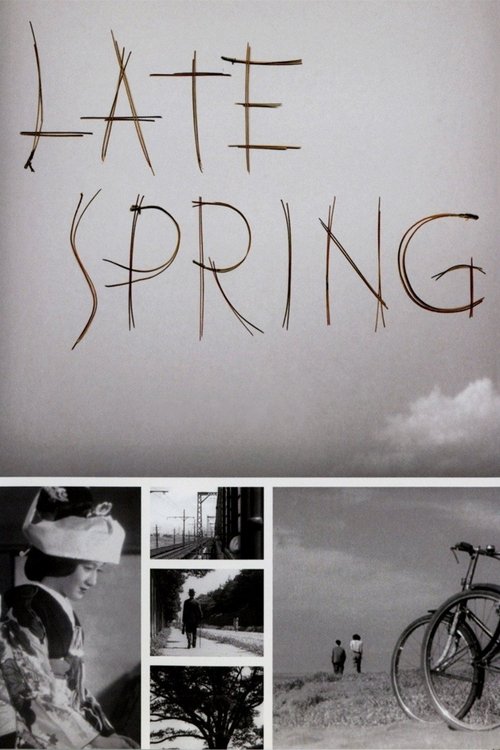
Late Spring1949
Both films locate their deepest truths in what is NOT said—in glances, silences, the spaces between people. Both understand that grief and memory live in stillness.
Ozu's perfect film about a father and daughter in their final season together. Japanese, deceptively quiet, but contains more genuine feeling about loss and time than films ten times louder.
But Nearly plotless. If you need conflict and resolution, Ozu will seem to be doing nothing for two hours.
People
Cast
 Miguel Ángel SoláFloreal Echegoyen
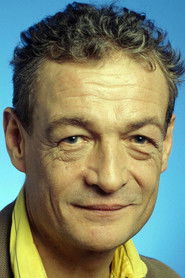 Philippe LéotardRoberto
 Lito CruzEl Negro
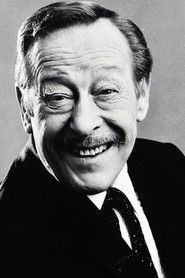 Roberto GoyenecheAmado
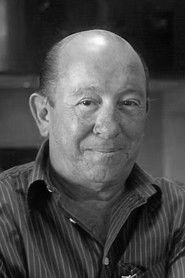 Ulises DumontEmilio
 Gabriela ToscanoBlondi
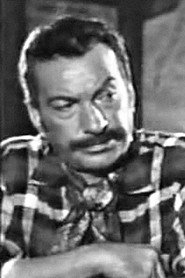 Mario LozanoEchegoyen
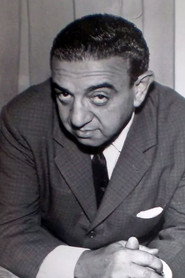 Nathán PinzónRasatti
- Antonio AmeijeirasPeregrino
- Inés MolinaMaría
 Fito PáezMarcelo
 Niní GambierAdela
Directing
- Ana PoliakAssistant Director
- Gaspar NoéAssistant Director
- Fernando E. SolanasDirector
Writing
- Fernando E. SolanasWriter
Production
- Sabina SiglerExecutive Producer
- Envar El KadriProducer
- Fernando E. SolanasProducer
- Patricia NovatProducer
- Pierre NovatProducer
- Dolly PussiProduction Manager