
Film
Cuba
A 1979 Cold War romance-thriller about a British mercenary caught between duty and desire in pre-Revolution Cuba. Sean Connery smolders through geopolitical intrigue, star-crossed passion, and moral compromise. It's adventure cinema pitched at adults, where politics and personal stakes tangle messily. For anyone who loves slow-burn espionage with a dash of romance, and doesn't mind watching good people make compromised choices.
If you liked this
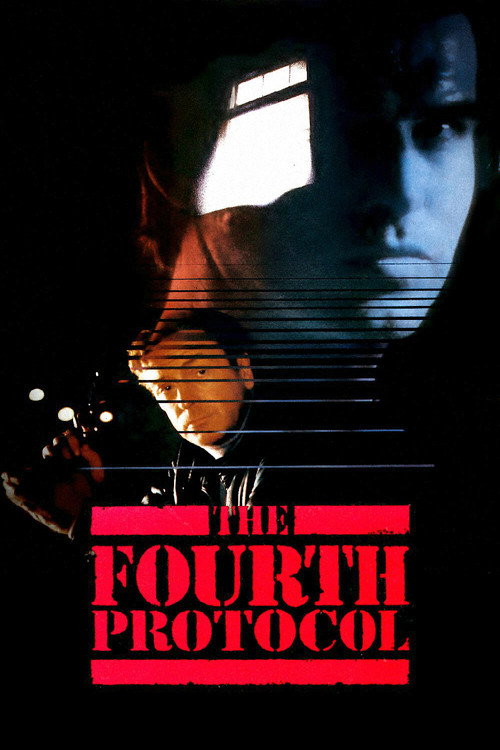
The Fourth Protocol1987
Michael Caine as a British intelligence officer in a taut Cold War thriller, negotiating betrayal and ideology in Berlin. Connery's spiritual cousin in tone: grave, intelligent, romantic about duty even when duty is murky.
But Deliberately paced. If you need constant action beats rather than atmosphere and intrigue, it'll feel slow.
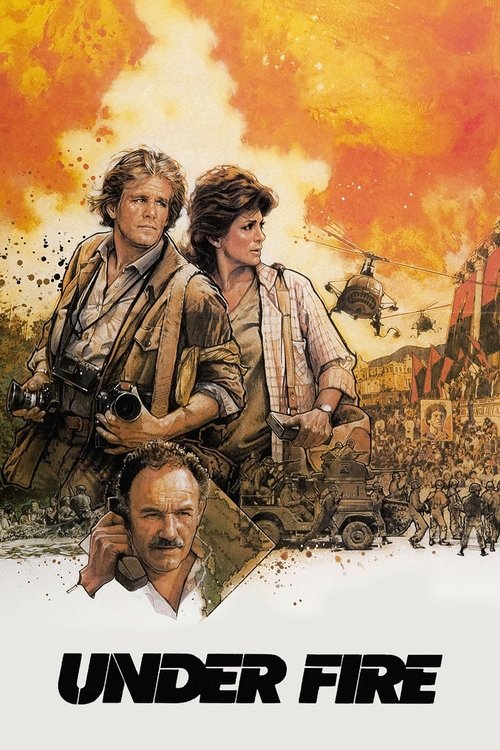
Under Fire1983
A photojournalist in Nicaragua during revolution, caught between the story he wants to tell and the politics he can't ignore. The same fever-dream of a dying colonial order, the same question: who do you side with when all choices are compromised?
But Handheld, naturalistic style won't suit anyone wanting polished 1980s craft. Some may find it dated or grinding.
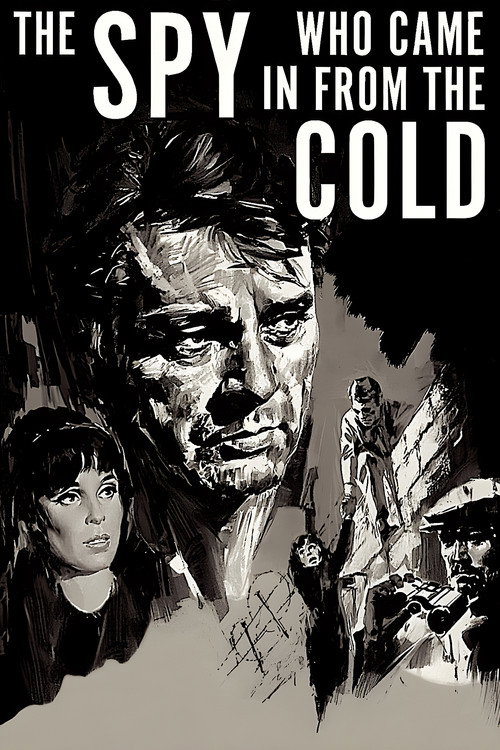
The Spy Who Came In from the Cold1965
Le Carré's masterpiece. A worn British operative deployed to East Germany in a morally corrosive operation. Cold War cynicism and the cost of serving an imperfect state—everything Cuba understands about its hero's dilemma.
But Genuinely bleak and slow. No glamour, no vindication. If you came for espionage glamour, you'll hit disappointment hard.
Not sure tonight? Get a pick in a minute, starting from Cuba
The wildcard
Something you would not have found on your own.
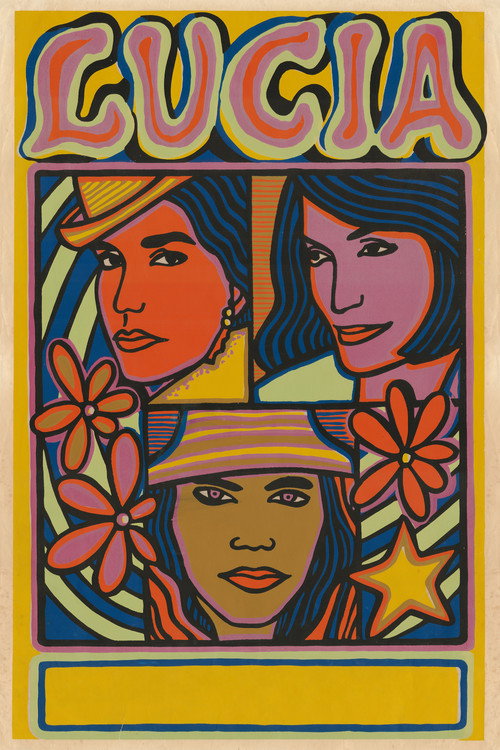
Lucía1968
Both grapple with Cuba's colonial and revolutionary past, but Lucia approaches it as tragedy and transformation, while Cuba plays it as adventure. They're inverse takes on the same national rupture.
Cuban cinema's revolutionary masterpiece: three chapters of one woman's life across three eras of Cuban history, from colonial times through revolution. Formally radical, formally beautiful—cinema about what Cuba *means*, not just what happens there. Humberto Solás made the anti-Cuba to Cuba's romance.
But Experimental structure and black-and-white austerity. No plot as such. Demands active watching and rewards it, but won't entertain passively.
More like this (8)
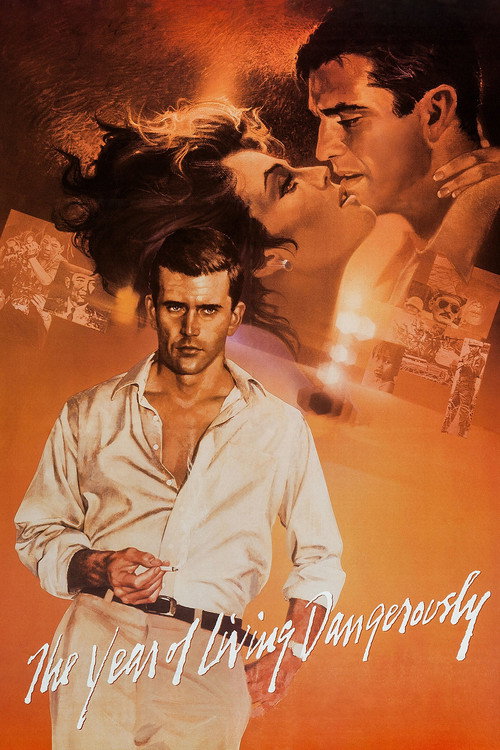
The Year of Living Dangerously1982
Mel Gibson in Indonesia during political upheaval, drawn between romance, journalism, and geopolitical loyalty. Sweeping, romantic, with that exact same tone of watching history through a personal crisis.
But Nearly three hours. The love story and politics don't always integrate smoothly—some find the balance awkward.
A Place Called Home2004
Sam Waterston as a man returning to Nicaragua after the revolution, wrestling with what his country did and what it cost. Quieter than Cuba but asking identical questions about complicity and conscience.
But Small, understated film with limited distribution. Hard to find and doesn't make a big dramatic show of its ideas.

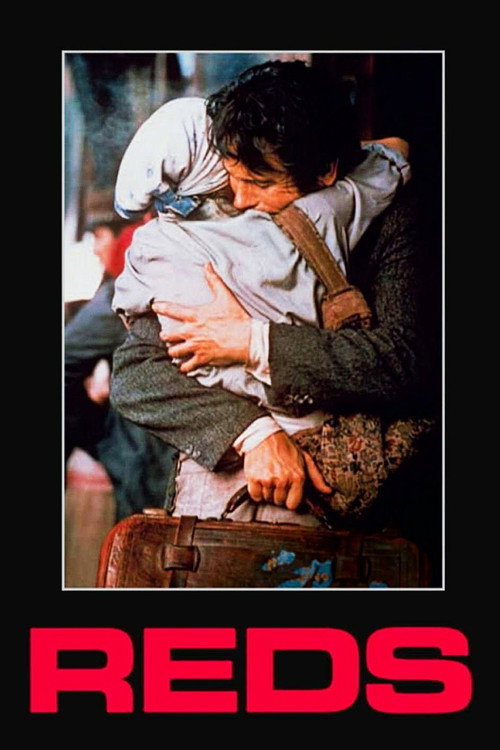
Reds1981
Warren Beatty's three-hour love story woven through revolution: Americans drawn into the Russian upheaval, passion and politics inseparable. Connery-adjacent in its romantic gravity and historical scope.
But Ambitious in scope and length. Some find Beatty's pacing self-indulgent, and the politics are more celebratory than Cuba's ambivalence allows.
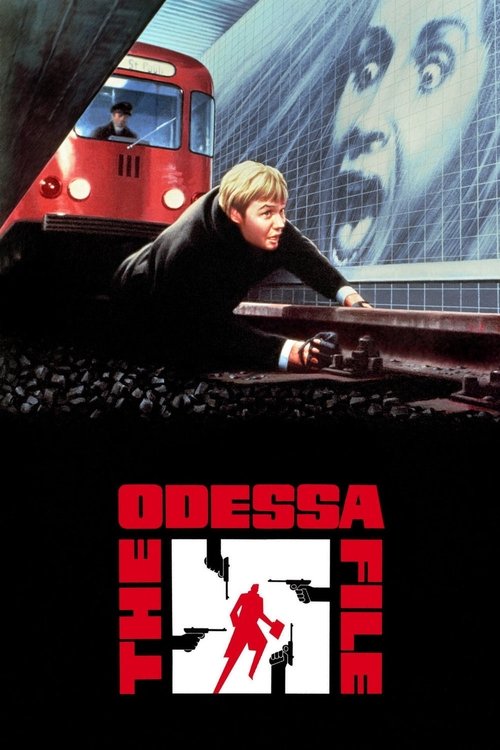
The Odessa File1974
Jon Voight hunting Nazi war criminals in 1960s Germany. Geopolitical thriller with a real moral mission underneath, that same mixture of personal stakes and historical weight.
But '70s thriller pacing feels creaky now. The action beats are functional, not thrilling, and some plotting strains credibility.
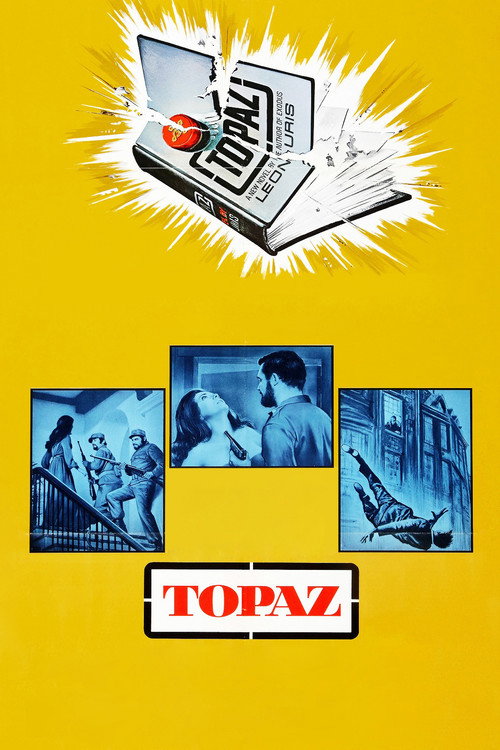
Topaz1969
Hitchcock's Cold War spy film, set during the Cuban Missile Crisis itself. Double-agents, ideological betrayal, and that period's specific paranoia. Connery-era espionage cinema at its most cerebral.
But One of Hitchcock's lesser works. The pacing is confused and the climactic duel feels tacked-on. Fans of his work often skip it.
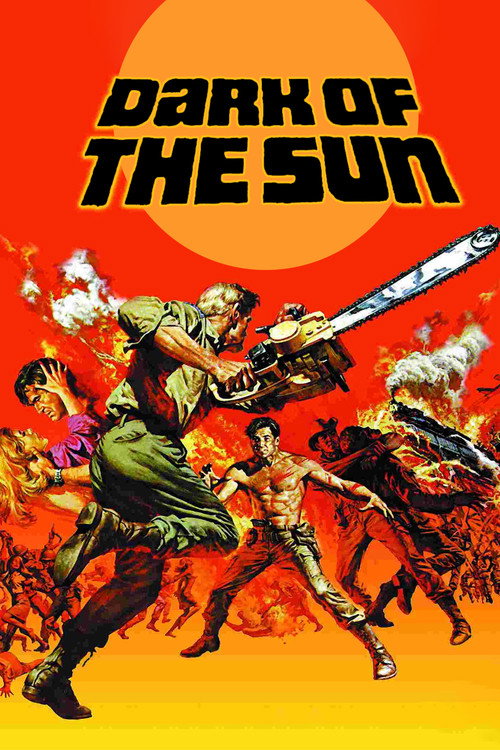
Dark of the Sun1968
Jack Palance as a soldier-for-hire in a colonial African war. Raw, cynical, about what men become when ideology is just a paycheck. The mercenary archetype in its most honest register.
But Obscure and rough-edged. No stars to carry you through, and the ethics are murkier than most viewers prefer.
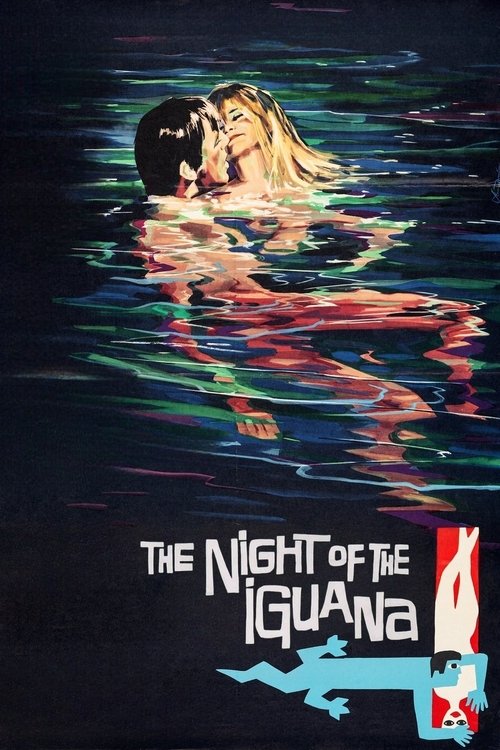
The Night of the Iguana1964
Both trap intelligent men between duty and passion in colonial-era Latin America, but Iguana is psychological and internal where Cuba stays external and political. Iguana asks what desire does to conscience; Cuba asks what politics does to love.
Tennessee Williams' final masterpiece, with Richard Burton as a defrocked priest in Mexico, morally unmoored and drawn to dangerous women. Lush, sensual, about men compromised by desire and circumstance in tropical colonial settings. The emotional architecture of Cuba—but deeper and weirder.
But Drawn from a play; theatrical and claustrophobic despite the setting. The eroticism is strange, not conventional. Some find it overwrought.
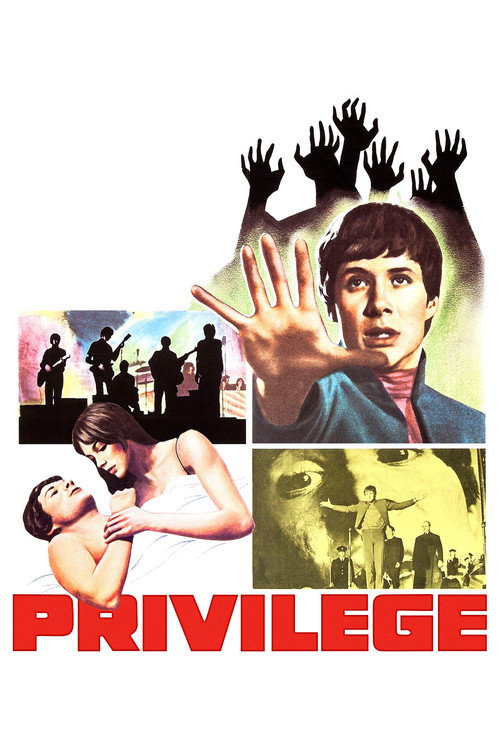
Privilege1967
Both are fascinated by how revolution is sold, bought, and performed. Cuba shows it happening in history; Privilege shows it as a prophecy about how power manufactures consent. They're asking the same question about spectacle and sincerity from opposite angles.
Peter Watkins' strange prophetic film about celebrity, control, and manufactured revolution in a near-future England. Agitprop cinema made as experimental art: politics and spectacle tangled so tight you can't separate them. If you loved Cuba's ideological fever, this is that fever as pure cinema.
But Demanding, formally difficult, genuinely alienating. Mock-documentary style and political aggression—it wants to disturb you, not comfort you. Very much a 1960s object.
People
Cast
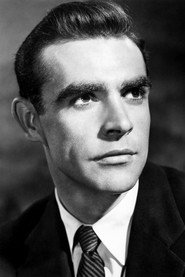 Sean ConneryMaj. Robert Dapes
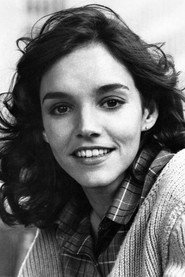 Brooke AdamsAlexandra Lopez de Pulido
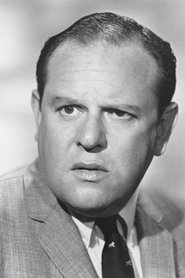 Jack WestonLarry Gutman
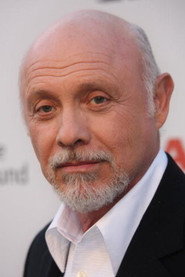 Héctor ElizondoCapt. Raphael Ramirez
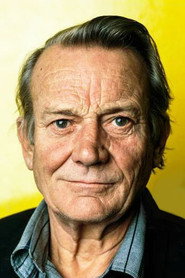 Denholm ElliottDonald Skinner
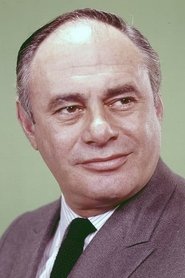 Martin BalsamGen. Bello
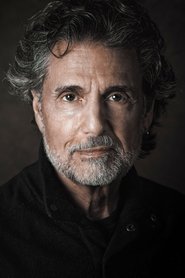 Chris SarandonJuan Pulido
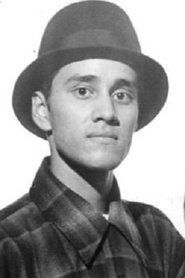 Danny De La PazJulio Mederos
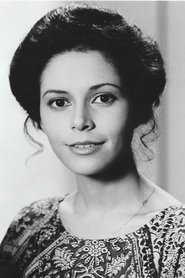 Lonette McKeeTherese Mederos
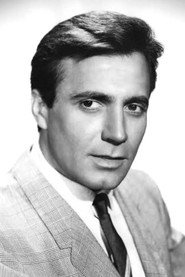 Alejandro ReyFaustino
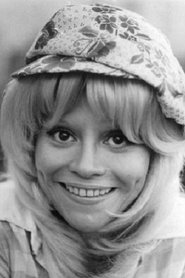 Louisa MoritzMiss Wonderly
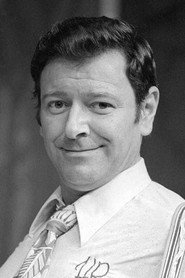 Dave KingMiss Wonderly's Press Agent
Directing
- Richard LesterDirector
Writing
- Charles WoodWriter
Production
- Denis O'DellExecutive Producer
- Alex WinitskyProducer
- Arlene SellersProducer