
Film
Into Great Silence
Philip Gröning spent months living inside the Grande Chartreuse, filming the Carthusian monks without narration, interviews, or artificial light. What results is less documentary than immersion: near-total silence, bells, chanting, snow, and repeated ritual across nearly three hours. It asks you to slow down to its pace rather than the reverse — a film for patient viewers, not casual ones.
If you liked this
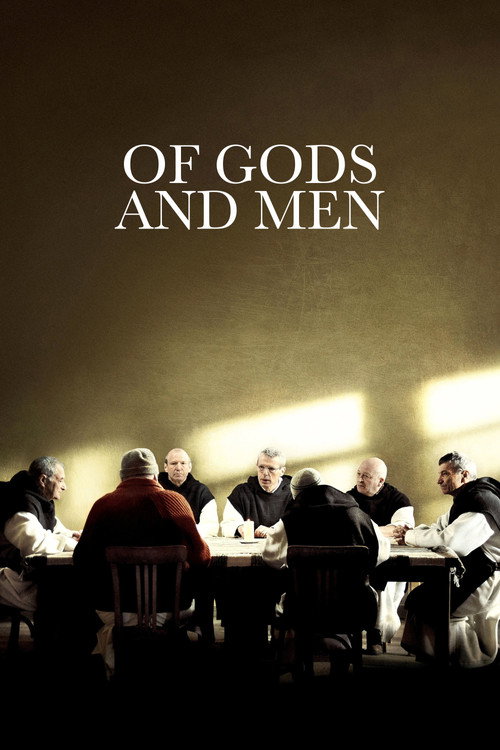
Of Gods and Men2010
Algerian monks facing an escalating threat outside their walls dramatize the same devotion Gröning observed, but with narrative stakes that make silence and prayer feel suddenly urgent and dangerous.
But It's a proper drama with plot and peril, so if you wanted pure, unmediated stillness rather than tension, this pushes toward story instead.
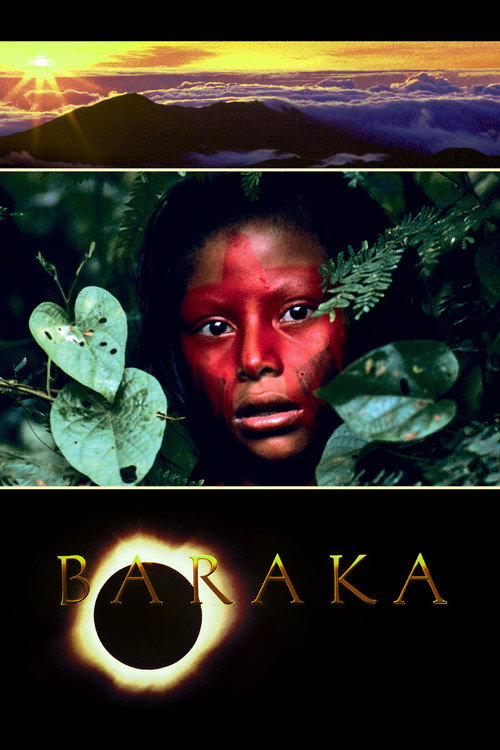
Baraka1992
No dialogue, no narration — just faces, rituals and landscapes from across the world cut together into something closer to prayer than documentary, a natural next step for anyone moved by Gröning's patience.
But It's more visually restless than Into Great Silence, hopping continents rather than staying still in one place, which some will find distracting.
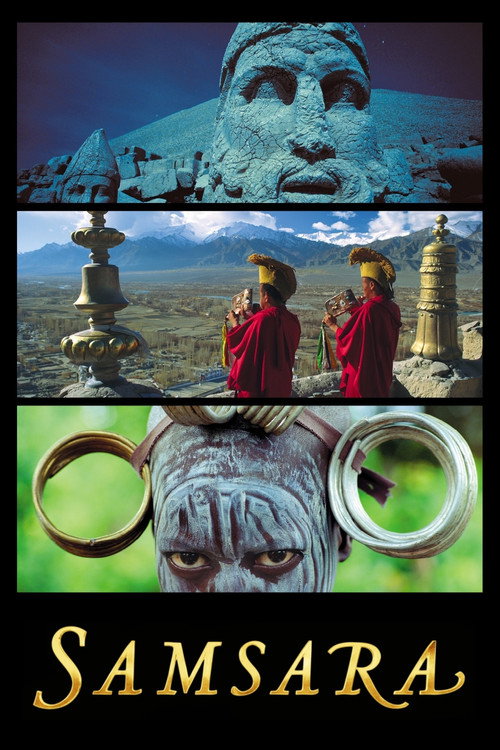
Samsara2011
The spiritual sequel to Baraka, shot on 70mm across thirty countries, tracing cycles of birth, ritual and decay without a word spoken — another film trusting images to do all the work.
But Its scope is global and sometimes overwhelming, the opposite of Gröning's single mountain monastery; some will miss that narrower focus.
The wildcard
Something you would not have found on your own.
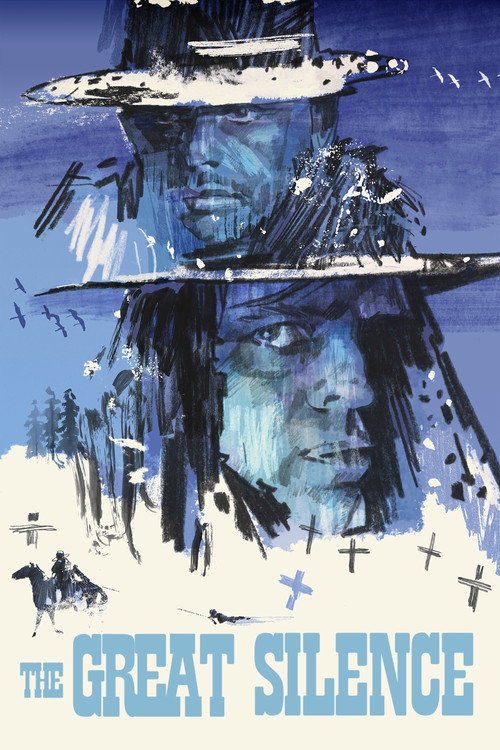
The Great Silence1968
Same title, same snowbound isolation and near-total silence, but Corbucci's spaghetti western turns Gröning's stillness into dread — the mountain becomes a trap instead of a sanctuary.
A mute gunslinger stalks a snow-buried Italian mountain town in one of the bleakest, most beautiful westerns ever made, its silence weaponised rather than sacred.
But It's violent, cynical and deliberately punishing to genre expectations, and its ending is famously merciless — nothing like the peace of a monastery.
More like this (7)
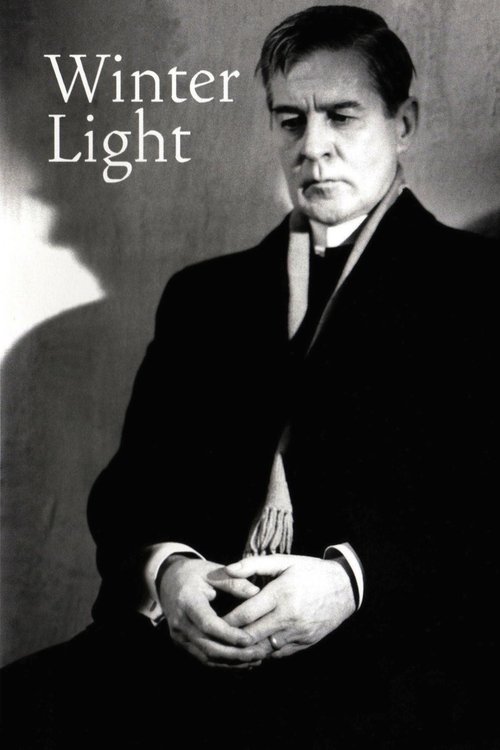
Winter Light1963
Bergman's austere chamber piece about a pastor losing his faith in real time, shot in unforgiving light with nothing to distract from doubt itself — the interior version of what Gröning shows from outside.
But It's bleak and talky where Gröning's film is wordless and serene; this one sits you inside despair rather than devotion.
Manakamana2013no page yet
Nepali pilgrims ride a cable car to a mountain temple, filmed in unbroken static shots with no commentary — an experiment in patience that shares Gröning's refusal to explain anything.
But Long fixed shots of people simply sitting will test viewers who already found Into Great Silence's pace demanding.
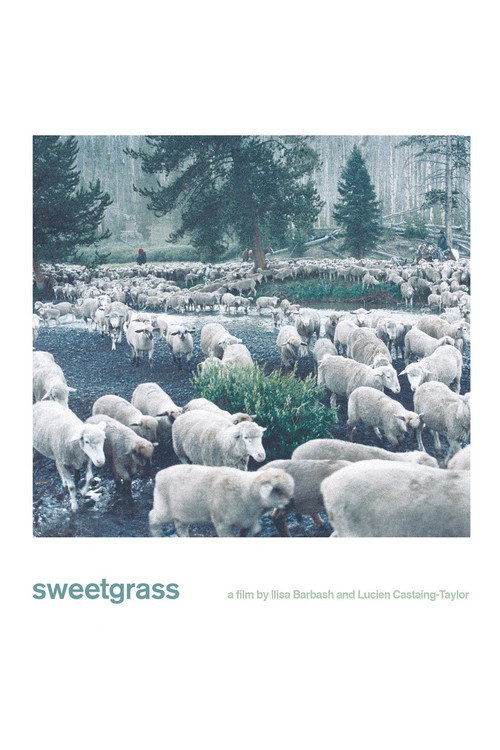
Sweetgrass2009
Montana shepherds drive their flock through the mountains for the last time in this wordless, unnarrated documentary, built on the same faith that watching closely is enough.
But Sheep and mountains replace monks and prayer; the subject is secular and earthy, which changes the film's whole emotional temperature.
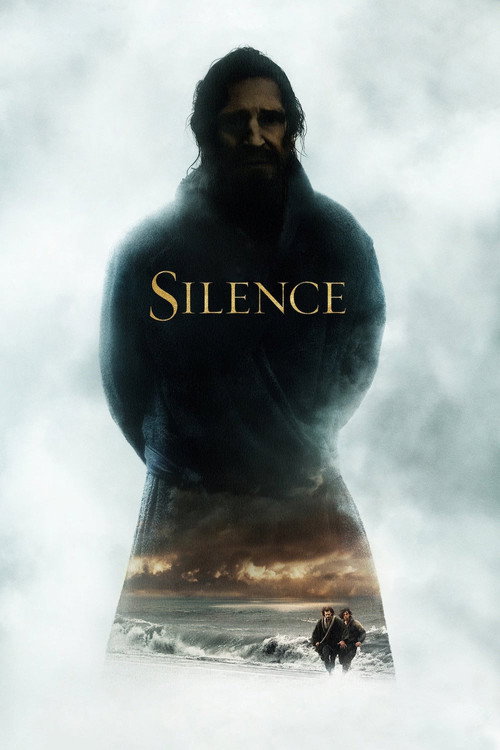
Silence2016
Scorsese's own meditation on faith under pressure follows Jesuit priests in 17th-century Japan, wrestling with the question Gröning's monks live quietly: what does devotion actually cost a person?
But It's long, brutal in places, and dramatically plotted — a very different experience from watching real monks simply go about their days.
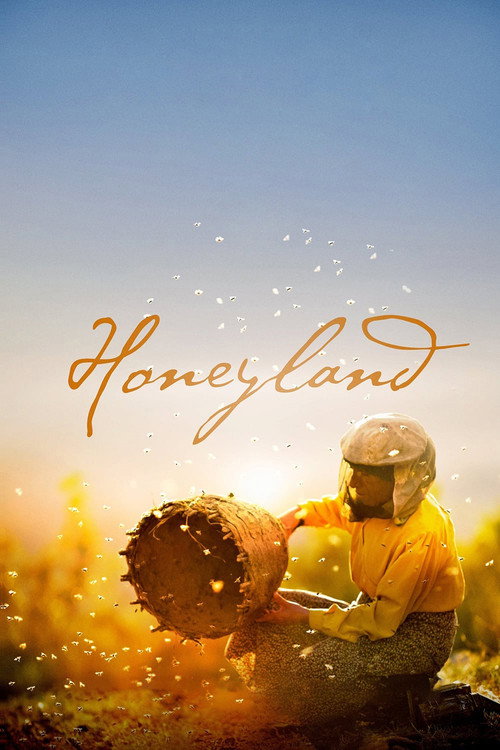
Honeyland2019
A Macedonian beekeeper's solitary, ritual-bound life filmed with extraordinary patience and no narration — proof that devotion to a slow practice can be as cinematic in a hut as in a monastery.
But It's shorter and more plot-driven than Into Great Silence, with real conflict and characters rather than pure contemplation.
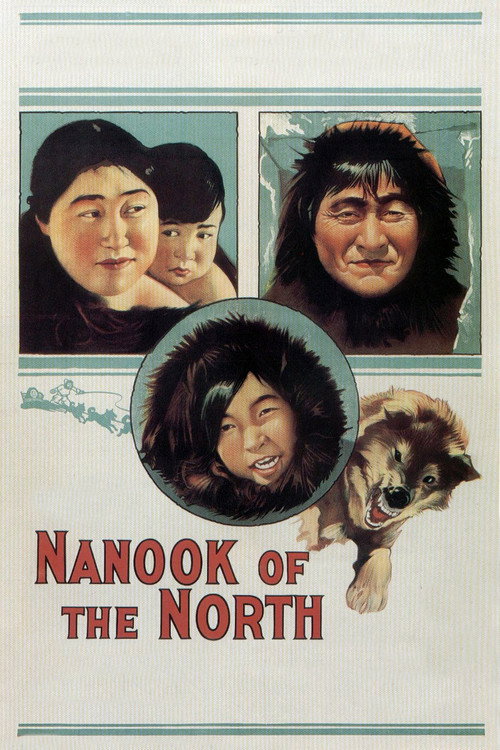
Nanook of the North1922
The silent-era ancestor of observational documentary: no narration, no dialogue, a filmmaker embedding himself in a way of life ruled by cold, ritual and endurance, decades before Gröning walked into the Chartreuse.
Robert Flaherty's pioneering silent film follows an Inuit family's daily survival with the same patient, unnarrated attention Gröning would use eighty years later — one of cinema's first attempts at pure observation.
But It's staged more than it admits, and its ethnographic gaze is dated by modern standards, which some viewers find hard to get past.
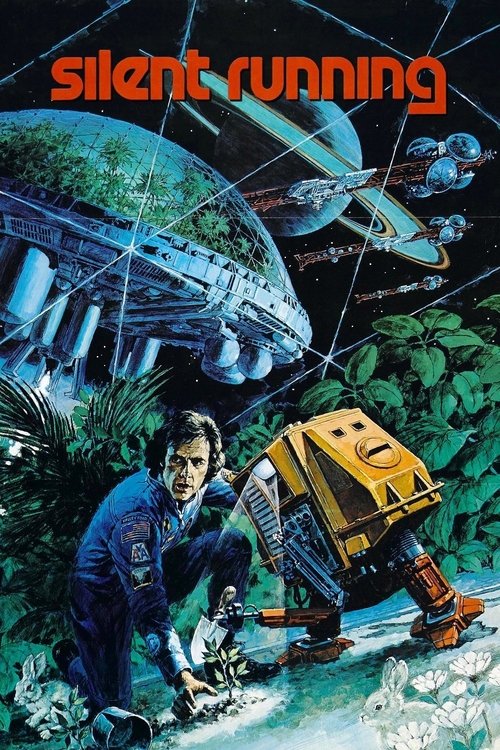
Silent Running1972
A lone caretaker tends a greenhouse adrift in space with monastic devotion and near-total isolation — science fiction borrowing the same rhythm of solitary, ritual labour that structures Gröning's monastery, just launched off the planet.
Bruce Dern plays the last gardener alive, tending Earth's remaining forests aboard a drifting freighter — a strange, gentle, melancholic sci-fi about solitude, purpose and what's worth preserving.
But It's a genre film with robots and a plot, dated effects and all, a long way from Gröning's austere realism.
People
Directing
- Philip GröningDirector
Writing
- Philip GröningScreenplay
Production
- Jörg SchulzeExecutive Producer
- Michael StrickerExecutive Producer
- Philip GröningExecutive Producer
- Andres PfäffliProducer
- Elda GuidinettiProducer
- Michael WeberProducer
- Philip GröningProducer
Recommended by
Black Narcissus, Koyaanisqatsi, Baraka, Diary of a Country Priest, Silence, Of Gods and Men, A Hidden Life, Joan of Arc, Too Hot to Handle