
Film
The Only Son
- Family drama
- Slow-burning
Yasujirō Ozu's 1936 masterpiece follows a rural mother's pilgrimage to Tokyo to see her only son, whom she sacrificed everything to educate. What she finds—a tired man in a cramped apartment, his dreams modest and exhausted—becomes a quiet meditation on duty, expectation, and the gap between hope and reality. It's tender and achingly honest.
If you liked this
Tokyo Story1953
Ozu's most celebrated work, tracking an elderly couple's visit to their son in postwar Tokyo. It deepens and perfects the themes of family, sacrifice, and the passage of time that drive The Only Son, and the emotional resonance is almost unbearable.
But At 136 minutes with minimal plot and a deliberately slow pace, it demands patience and a willingness to find drama in silence and glances rather than incident.

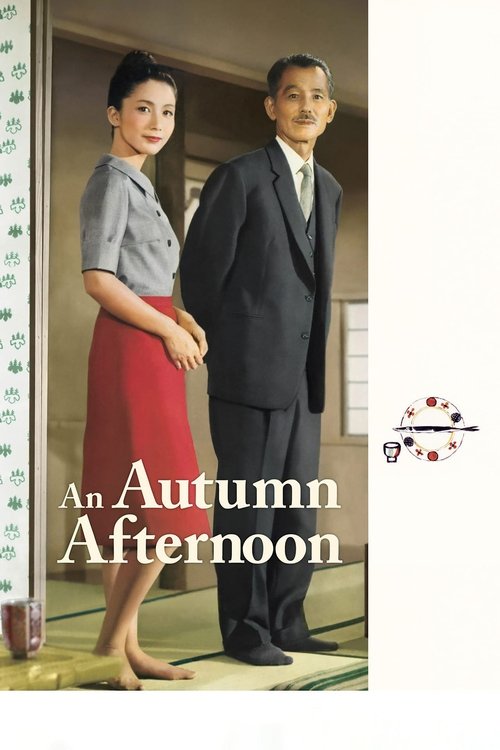
An Autumn Afternoon1962
Ozu's final film, about an aging widower and his relationships with his adult children. It echoes The Only Son's preoccupations—family obligation, the weight of parental love, the bittersweet reality of adult life—with the accumulated wisdom of his later style.
But It's contemplative to the point of stillness. Very little happens. If you need plot momentum or dramatic confrontation, this will feel like watching someone think very slowly.
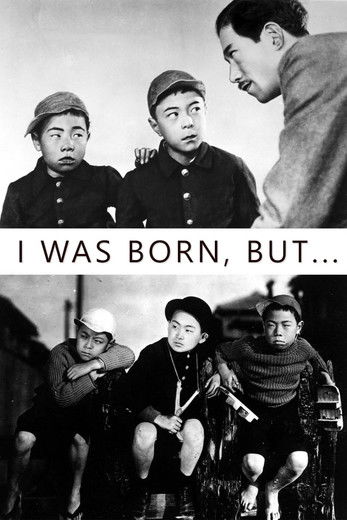
I Was Born, But...1932
Ozu's silent comedy about two boys and their father's humiliation at work. It shows Ozu's gentler side before The Only Son, mixing humor with the same sharp observation of family dynamics and social constraint that defines his mature work.
But As a silent film from 1932, the comedy rhythms feel dated, and without Ozu's later visual refinement, it's harder to penetrate on first viewing.
Not sure tonight? Get a pick in a minute, starting from The Only Son
The wildcard
Something you would not have found on your own.
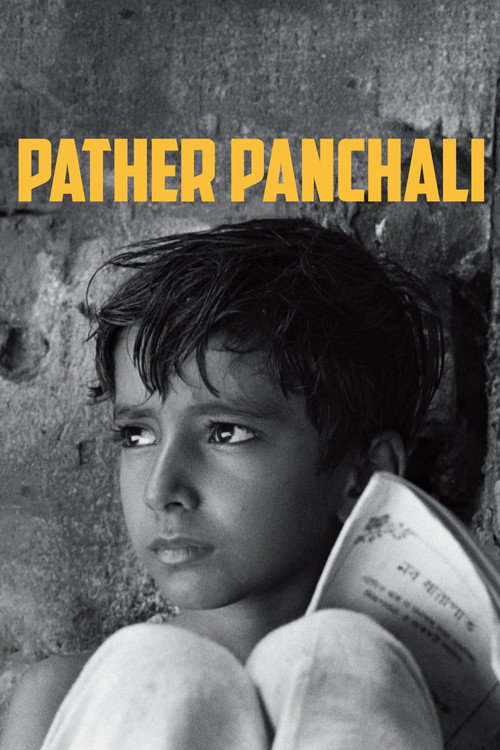
Pather Panchali1955
Both films center on maternal love as the film's moral core, and both refuse to let that love be redemptive or neat. They ask: what does a mother's sacrifice actually buy? And both answer: not what she hoped.
Satyajit Ray's Bengali masterpiece about rural poverty, family bonds, and a mother's impossible love for her children. It shares The Only Son's devastating honesty about what sacrifice costs, but filters it through the lens of subsistence and loss rather than aspiration.
But It's long, in a language you don't speak, and unflinching about children's suffering and death. The emotional weight accumulates relentlessly.
More like this (8)
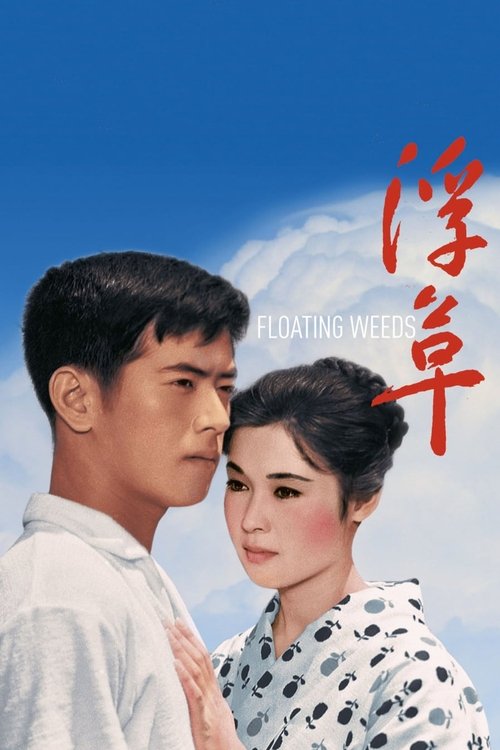
Floating Weeds1959
Ozu's only color film, a remake of his own 1934 silent work. A traveling actor returns to his hometown and must reckon with an old lover and the illegitimate son he's never acknowledged—a direct echo of The Only Son's theme of unmet obligations and deferred dreams.
But The color cinematography, while gorgeous, can feel mannered compared to Ozu's black-and-white work, and the emotional temperature is cooler than you might expect.
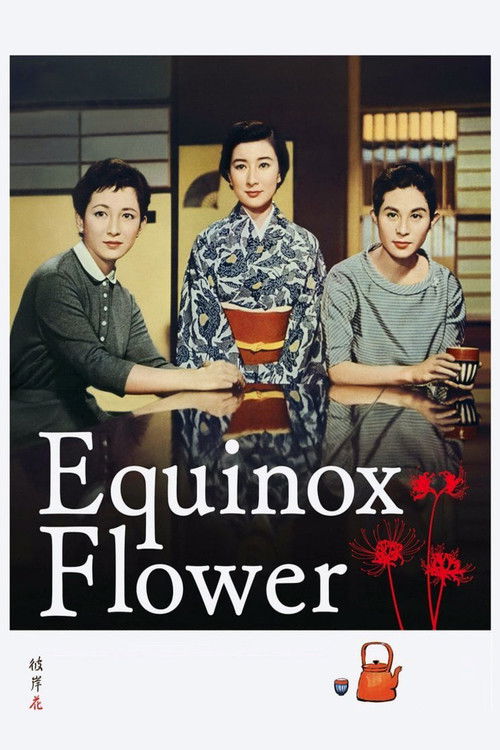
Equinox Flower1958
Ozu's first color feature, about a father struggling to accept his daughter's choice of husband. It shares The Only Son's interest in the collision between parental expectation and adult autonomy, wrapped in Ozu's signature quiet wisdom.
But The gender dynamics feel dated. The father's stubborn resistance to his daughter's independence, though presented as foolish, may feel more frustrating than moving to modern viewers.
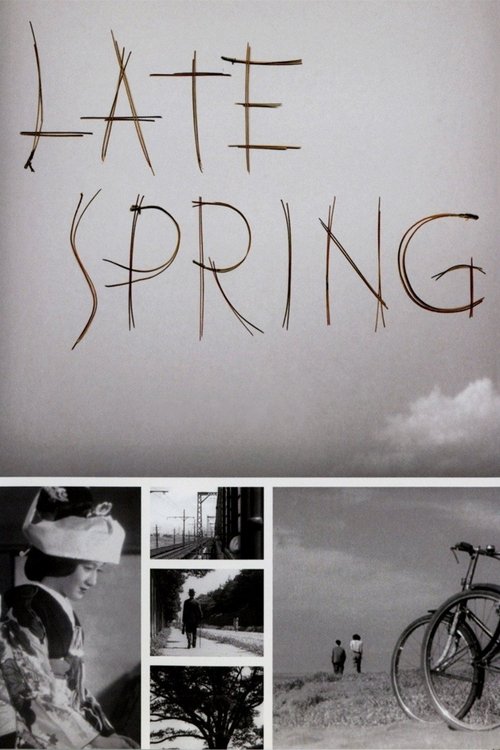
Late Spring1949
An aging widower delays his daughter's marriage because he needs her company. A masterclass in unspoken emotion and the damage good intentions can do. The film's exploration of parental love as both beautiful and suffocating runs parallel to The Only Son's central tragedy.
But The ending, when it arrives, is devastating and deliberately unhappy. Some viewers find it manipulative rather than cathartic.
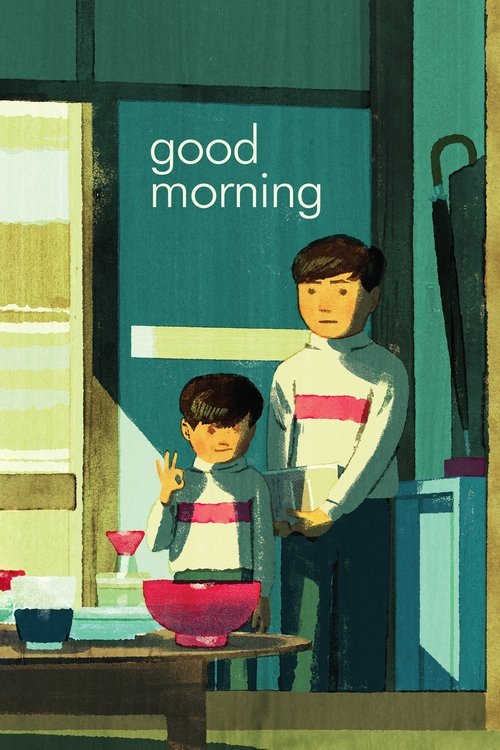
Good Morning1959
A lighter Ozu, about two boys who go silent to protest their parents' materialism. It's funny and charming, but underneath runs the same concern with family duty, communication failure, and the gulf between generations that haunts The Only Son.
But The comedy is gentler than Western audiences expect, and the payoff is small. If you're watching for plot resolution rather than character observation, you'll leave frustrated.
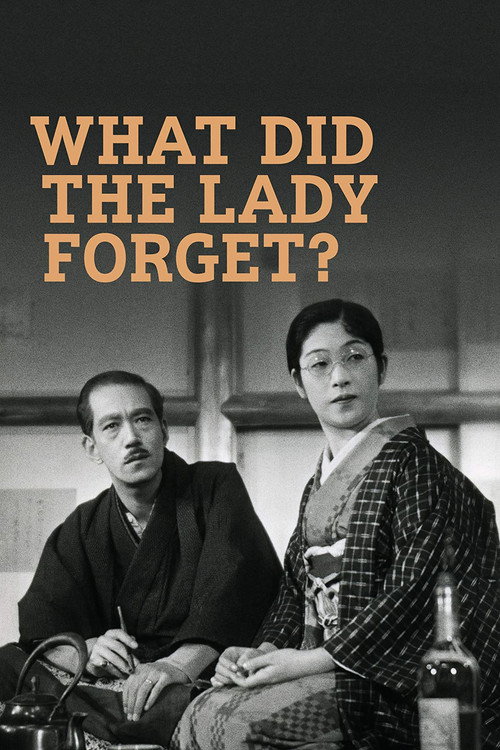
What Did the Lady Forget?1937
Made just a year after The Only Son, this domestic comedy shares its interest in the small frictions and silences of family life. It's warmer and lighter, but the same precise observation of how love operates through restraint and duty runs through both films.
But It's a minor work compared to Ozu's masterpieces, and the comedy setup feels more contrived than his later refinements. It's valuable mainly as a counterweight to The Only Son's melancholy.
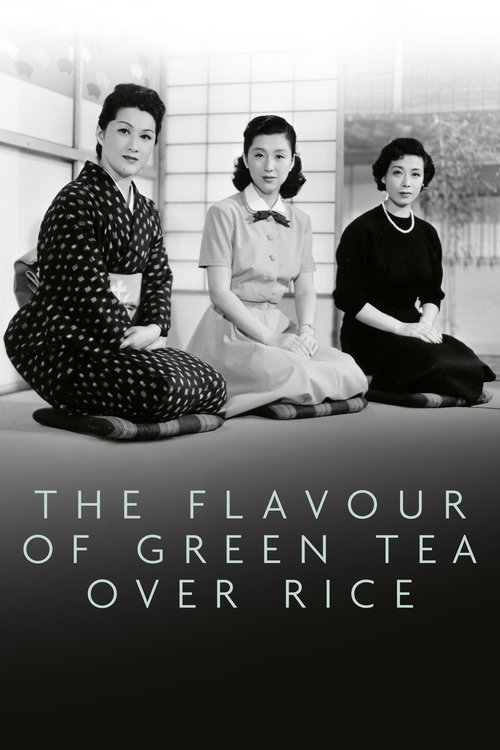
The Flavor of Green Tea Over Rice1952
A marriage slowly thaws over the course of a film where almost nothing happens. It's Ozu's gentlest exploration of how two people live with disappointment and each other, and it echoes The Only Son's theme of accepting life as it is rather than as imagined.
But The emotional payoff is whisper-quiet. If you need your drama obvious and resolved, this will feel like watching paint dry.
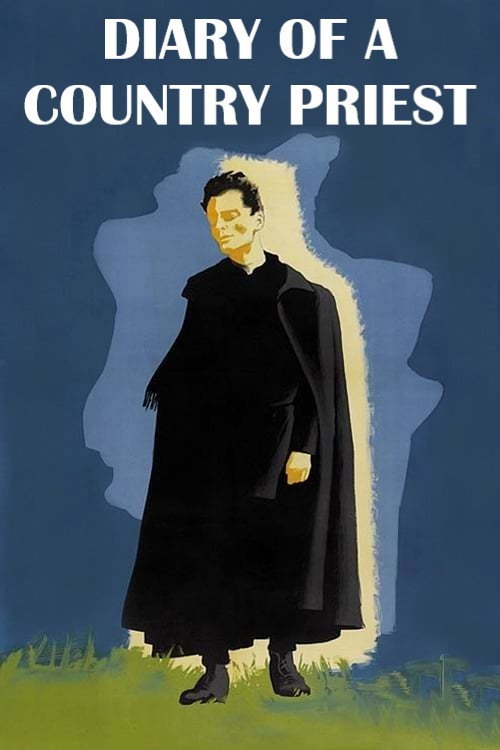
Diary of a Country Priest1951
Both films are structured around a central visit or confrontation that forces the protagonist to reckon with failure. Both use restraint and silence as their primary emotional language. Both trust the audience to feel what isn't shown.
Robert Bresson's austere masterpiece about a dying priest's faith in a small French town. Like The Only Son, it's about an idealistic man confronting the gap between his calling and the grinding reality of his life. Quiet, merciless, transcendent.
But It's severely austere in style—flat lighting, minimal music, emotional expression withheld almost to the point of invisibility. Some will find it beautiful; others will find it punishing.
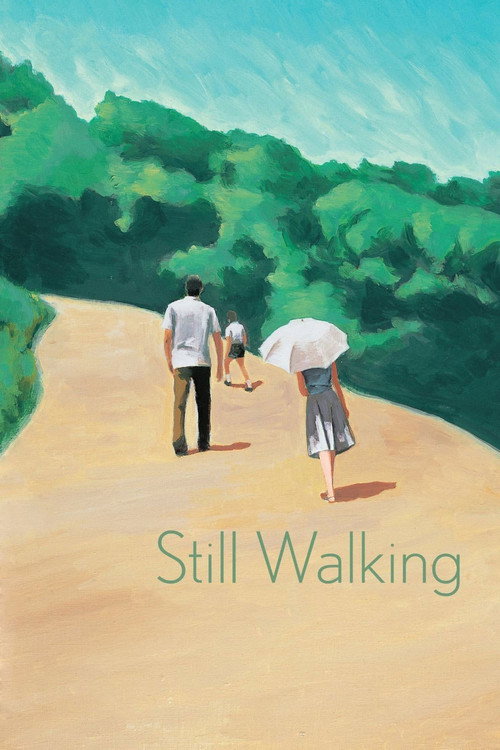
Still Walking2008
A deliberate spiritual successor to Ozu's project, made by a Japanese director steeped in his work. Both films believe that family drama is where the most important human truths live, and both resist melodrama to reach something deeper.
Hirokazu Kore-eda's contemporary Japanese family drama about a reunion that unearths old wounds and unmet expectations. It inherits directly from Ozu's tradition but in a modern register—same themes of obligation and love, sharper edges, less transcendence.
But It's gentler and more reconciliatory than The Only Son; some Ozu devotees find it easier but less profound. Subtitled, and the emotional revelations are small.
People
Cast
 Chōko IidaTsune Nonomiya
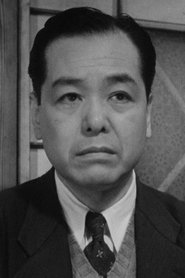 Shinichi HimoriRyosuke Nonomiya
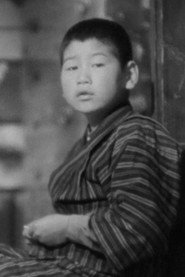 Masao HayamaYoung Ryosuke
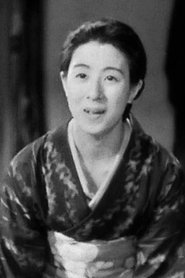 Yoshiko TsubouchiSugiko
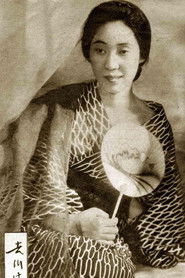 Mitsuko YoshikawaOtaka, Ryosuke's neighbour
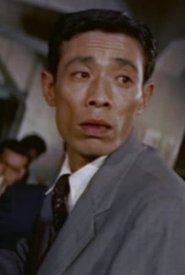 Tomio AokiTomibo, Otaka's son
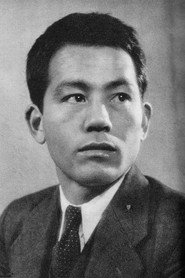 Chishū RyūOkubo, Ryosuke's teacher
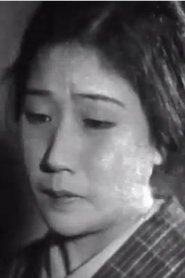 Tomoko NaniwaOkubo's Wife
- Bakudan KozoOkubo's Son
- Eiko TakamatsuOshige
- Seiichi KatôNeighbor
- Kazuo KojimaKimiko
Directing
- Hamao NegishiAssistant Director
- Nobuo NishikawaAssistant Director
- Yasujirō OzuDirector
- Naoji ShimomuraScript Supervisor
Writing
- Masao ArataAdaptation
- Tadao IkedaAdaptation
- Yasujirō OzuStory
Production
- Den TakayamaProduction Manager