
Film
The Flavor of Green Tea Over Rice
- Drama
- Romantic drama
- Slow-burning
Yasujiro Ozu's masterpiece about a Tokyo bride and country husband navigating marriage's quiet disappointments. Shot in his signature low-angle style, it finds profound tenderness in domestic routine and miscommunication. A film about people learning to truly see each other—patient, humorous, moving. For anyone drawn to intimate character study or the beauty of restraint.
Should you watch it?
Watch it if you enjoy slow, observant domestic dramas where the drama lives in small talk, meals and polite silences, and the gap between two people's upbringings feels like the real subject.
Skip it if you need plot momentum; this one moves at an unhurried pace and lets a conversation over tea run long.
What it asks of you: Expect a leisurely two hours. The camera holds still and watches from a low height, so rhythm comes from cuts between rooms and pauses between lines.
Not sure? Find tonight's pick in a minute.
If you liked this
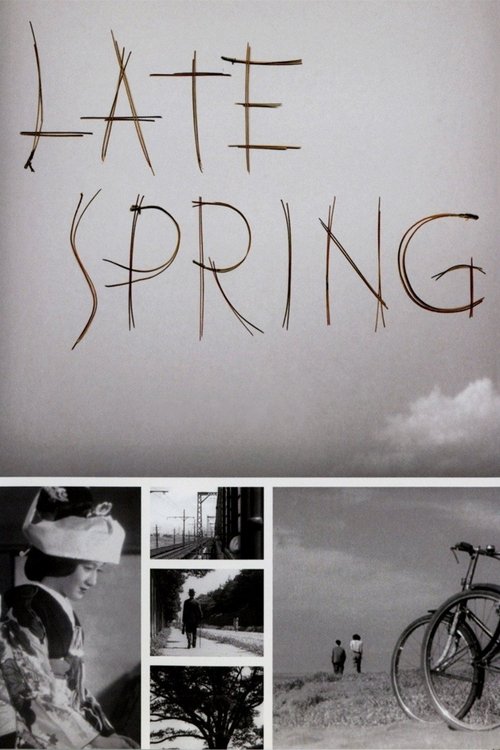
Late Spring1949
Another Ozu gem exploring marriage, duty, and family obligation with the same gentle intelligence and visual poetry. A widower wrestles with letting his daughter go—quiet, searching, perfectly observed.
But Ozu's style of lingering on empty rooms and mundane moments can feel glacially slow if you're not attuned to finding emotion in stillness.
Tokyo Story1953
Ozu's most celebrated work, a family reunion that becomes a meditation on aging, change, and the way we fail to cherish what matters. Patient, profound, achingly human.
But At nearly two hours of conversation and small gestures, it demands you surrender to its rhythm completely. Impatience will kill it.

Ikiru1952
Kurosawa's contemporary about a dying bureaucrat finding meaning in a seemingly wasted life. Shifts from grey despair to tentative hope—emotionally devastating and unexpectedly funny.
But The opening hour in a soulless office is deliberately monotonous and bleak. Patience required before the film opens up.

Not sure tonight? Get a pick in a minute, starting from The Flavor of Green Tea Over Rice
The wildcard
Something you would not have found on your own.
Harakiri1962
Both films interrogate the unspoken contracts of Japanese marriage and social obligation, but Harakiri pursues them into violence while Green Tea Over Rice finds them in miscommunication and small gestures.
Masaki Kobayashi's masterwork about honor, duty, and the cost of rigid social codes. Devastatingly composed, visceral where Ozu is tender—but asking the same question: what does marriage demand of us?
But Samurai suicide film that's graphically brutal and relentlessly bleak. The emotional catharsis comes through tragedy, not quiet understanding. A completely different register.

More like this (8)
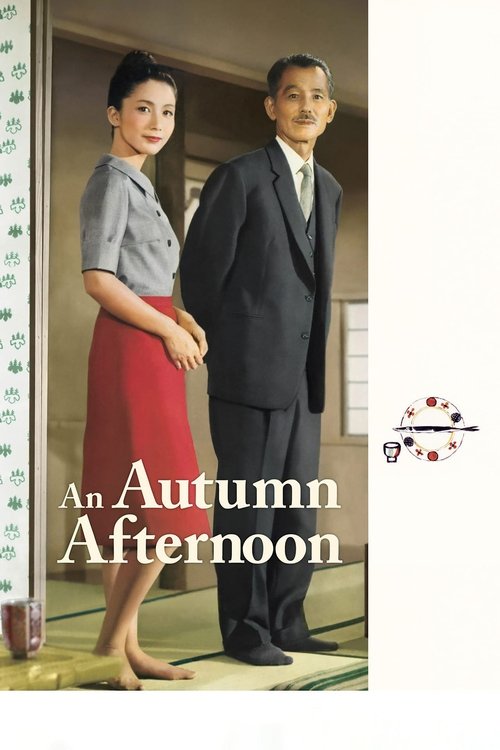
An Autumn Afternoon1962
Ozu's final film, equally tender and sad. A widower realizes his children have grown away from him; he contemplates remarriage. The distillation of everything Ozu learned about marriage and time.
But Even more austere than Green Tea Over Rice. Long takes of nothing happening, waiting for your heart to break from stillness.
The Ballad of Little Jo1993
A woman passes as a man in the Old West, creating an unexpected meditation on marriage, gender, and the masks we wear. Beautifully framed, thoughtfully strange, genuinely moving.
But Low budget shows, and its quiet tone might seem slow or anticlimactic if you expect a conventional western revenge narrative.

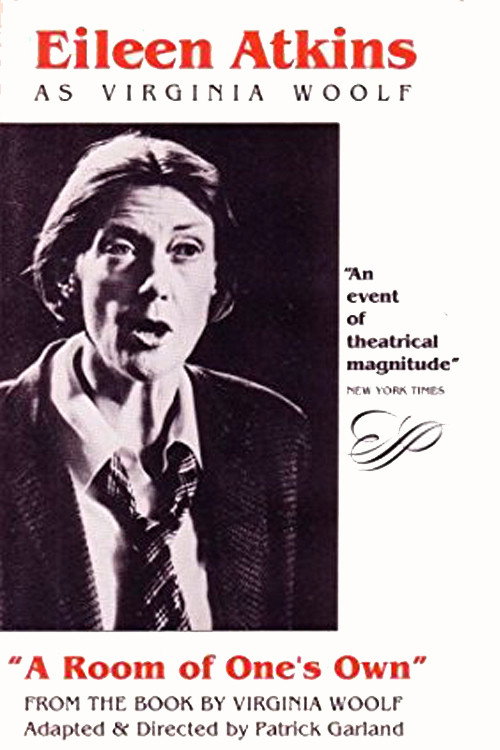
A Room of One's Own1991
A three-part adaptation that finds domestic comedy and sorrow in a marriage facing its first real test. Whimsical without being precious, wise without preaching.
But British television on a modest budget; production values won't match cinema. The title is a bit precious, which the show itself manages to transcend.
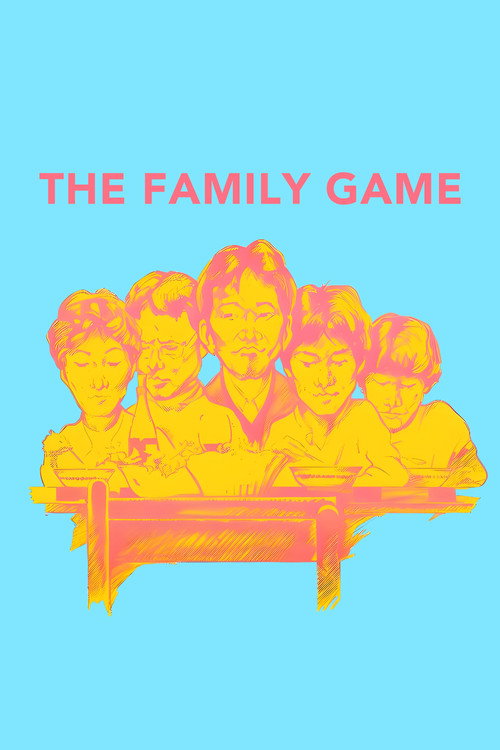
The Family Game1983
Yoshimitsu Morita's dark comedy about a tutor disrupting a dysfunctional Tokyo family. Mirrors Ozu's interest in domestic ritual while mining absurdist humor from marital tension.
But Considerably darker and more jagged than Green Tea Over Rice. Its comedy is stranger and its edge sharper; some won't find that appealing.
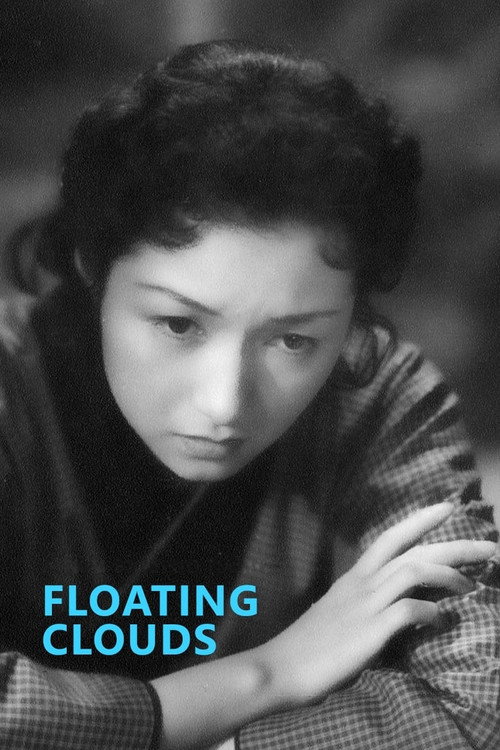
Floating Clouds1955
Mikio Naruse's tragic love story traces a marriage from first meeting through slow dissolution. Heartbreaking, gorgeous, deeply Japanese in its restraint and sorrow.
But The film is almost entirely sad. Beautiful sadness, but if you're seeking lightness or resolution, this will exhaust you.
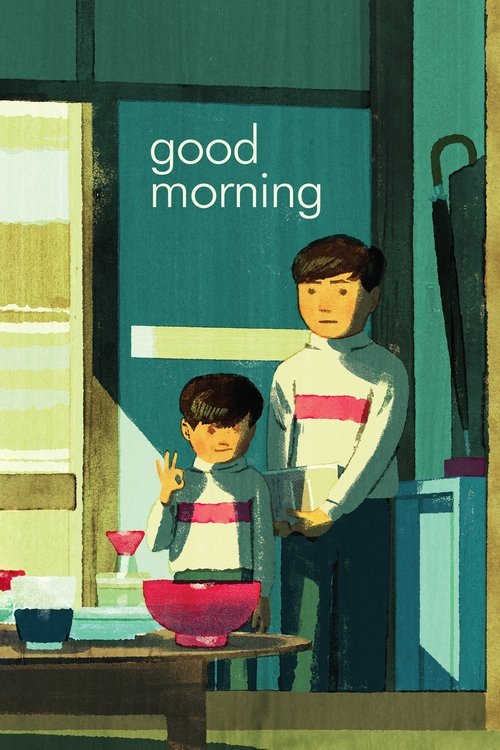
Good Morning1959
Ozu's only color film, a comedy about two boys refusing to speak until their parents buy them a television. Gentler than Green Tea Over Rice, more observational, surprisingly funny.
But The color cinematography sometimes looks flat or odd by modern standards. And it's fundamentally lighter fare—less emotionally penetrating.
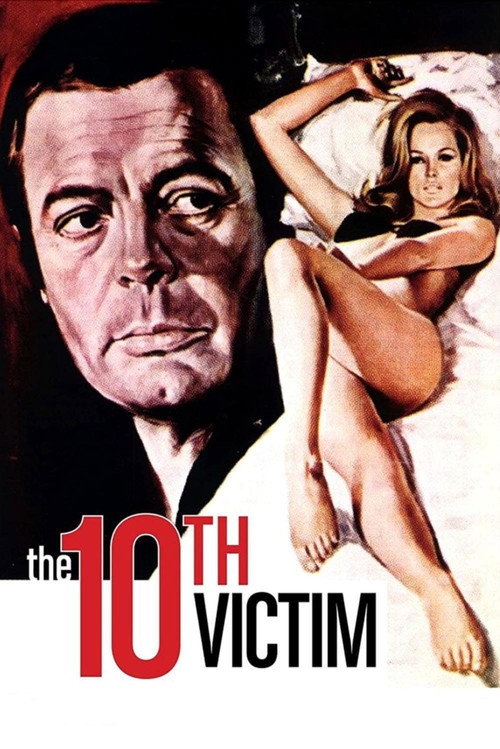
The 10th Victim1965
The inverse of Green Tea Over Rice: where Ozu finds poetry in married couples learning compromise through quiet acceptance, Petri imagines what happens when they're licensed to destroy each other. Both examine marriage as structured combat, but one whispers and one shouts.
Elio Petri's kaleidoscopic Italian sci-fi satire: murder legalized, couples as competitors, marriage as licensed combat. A pop-art fever dream that's witty, erotic, and formally wild.
But It's a 1960s avant-garde comedy in garish color—campy, sometimes confusing, very European. The opposite of meditative. Pure style over depth might feel hollow.
Memories of Murder2003
Like Ozu, Bong is obsessed with class, social obligation, and the way ordinary men fail to bridge gaps between themselves and others. Where Ozu finds love in that failure, Bong finds murder—but the anatomy of disconnection is identical.
Bong Joon-ho's serial killer thriller set in 1980s South Korea. Formally immaculate, darkly funny, morally complex. A police procedural that becomes a tragedy about failure and redemption.
But It's violent, grim, and three hours long. The structural similarity to Ozu is invisible—you get a crime film where you expect a meditation on marriage and duty.

People
Cast
 Shin SaburiMokichi Satake
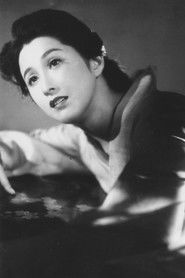 Michiyo KogureTaeko Satake
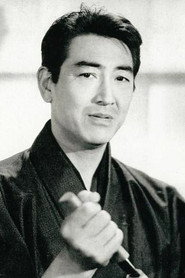 Koji TsurutaNoboru Okada
 Chikage AwashimaAya Amamiya
 Keiko TsushimaSetsuko Yamauchi
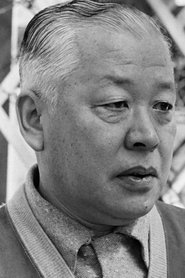 Eijirō YanagiYamauchi
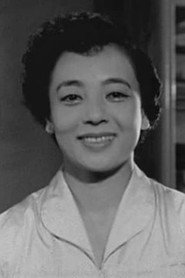 Kuniko MiyakeChizu Yamauchi
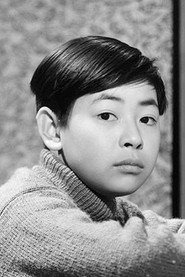 Kōji ShitaraKoji Yamauchi
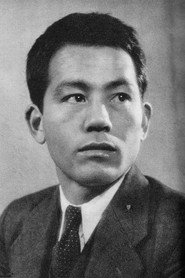 Chishū RyūSadao Hirayama
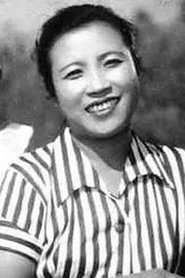 Yūko MochizukiShige
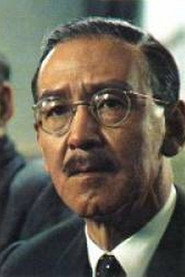 Hisao ToakeToichiro Amamiya
- Yōko KozonoFumi
Directing
- Shōhei ImamuraAssistant Director
- Yasujirō OzuDirector
Writing
- Kōgo NodaScreenplay
- Yasujirō OzuScreenplay
Production
- Takeshi YamamotoProducer
- Tomiji ShimizuProduction Supervisor
Recommended by
Equinox Flower, The Makioka Sisters, There Was a Father, Early Spring, Sound of the Mountain, What Did the Lady Forget?, The Only Son