
Film
The Family Game
A 1983 Japanese comedy-drama that deconstructs the model family myth. A tutor arrives to whip a slacker son into shape, but instead becomes a catalyst for chaos, exposing the fractures beneath the respectable surface. Matsuda is magnetic and unsettling; Itami's direction is sharp and funny. A film about performance, obligation, and what happens when someone refuses to play their part.
Should you watch it?
Watch it if you enjoy deadpan satire that pokes at ordinary domestic routines until they look absurd, and you like comedy that stays dry while the furniture quietly tilts.
Skip it if you need brisk plotting or a warm emotional payoff, since this is stylised and stagey, with the joke resting on mannered performances more than on story.
What it asks of you: A little over an hour and three-quarters, with unhurried scenes and deadpan pauses that reward close attention rather than quick laughs.
Not sure? Find tonight's pick in a minute.
If you liked this
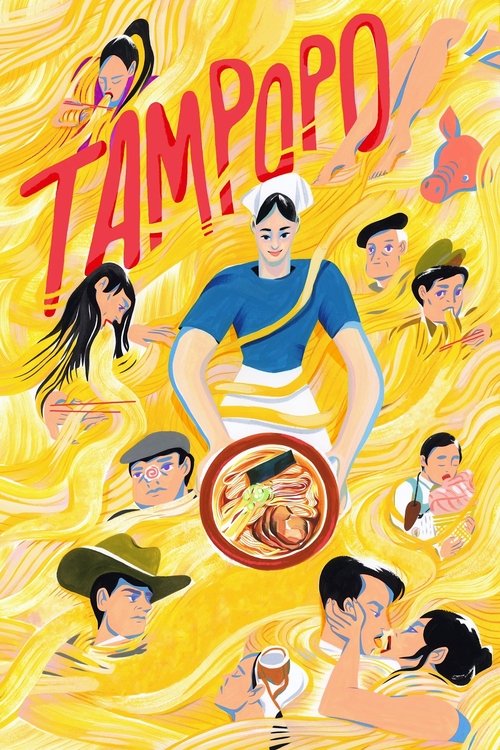
Tampopo1985
Juzo Itami's next film is even wilder—a surreal ramen-western that plays with genre and family dysfunction with the same anarchic energy. Less plot, more pure cinema.
But The structure is deliberately fragmented and some segments feel like sketches. It won't satisfy anyone looking for conventional narrative.
Cléo from 5 to 71962
Agnes Varda's portrait of a woman unraveling her self-made image in real time. The same precision-cut examination of performance and identity, but inward rather than familial.
But Deliberately paced. If you need momentum or plot, this will test your patience.

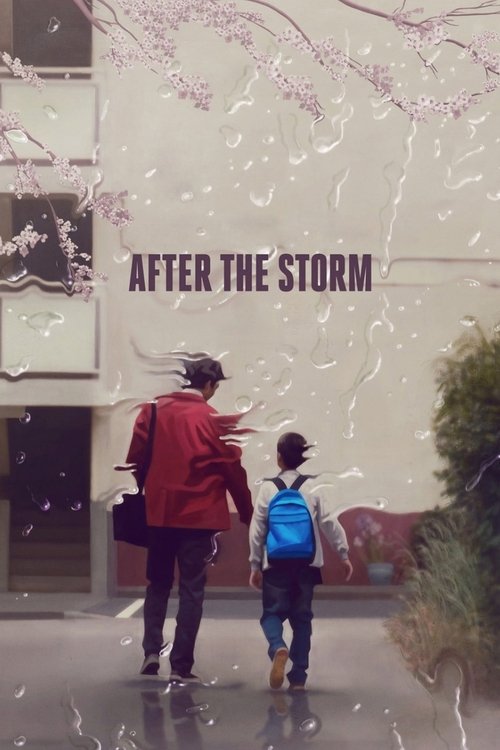
After the Storm2016
Hirokazu Koreeda's film dissects a Japanese family with warmth and sadness, finding comedy in the gaps between who they pretend to be and who they are. Gentler than *The Family Game*, but asking the same questions.
But Quiet and contemplative. The dysfunction here is quiet—if you want chaos, this is the opposite.
Not sure tonight? Get a pick in a minute, starting from The Family Game
The wildcard
Something you would not have found on your own.
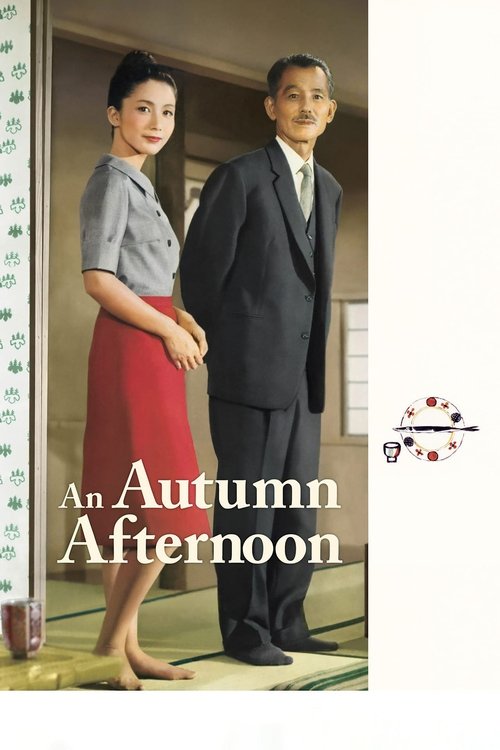
An Autumn Afternoon1962
Both are Japanese films about families performing for each other and the cost of that performance. But Ozu was Itami's predecessor—*The Family Game* is a deliberate inversion of Ozu's gentle fatalism, replacing acceptance with chaos.
Ozu's final film, a quiet meditation on an aging father and his adult son. Where *The Family Game* explodes the family myth, Ozu accepts it—and finds something more complex than either happiness or dysfunction.
But Nothing happens in the conventional sense. Shot in Ozu's fixed-camera style, it requires patience. Some find it boring; some find it perfect.
More like this (7)
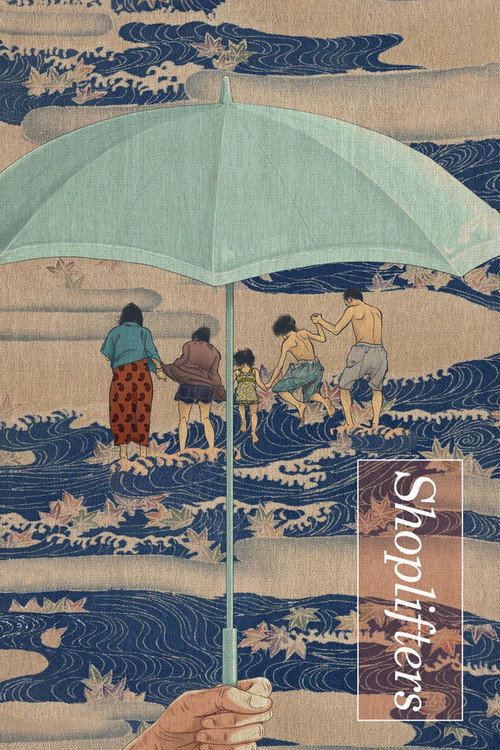
Shoplifters2018
Another Koreeda masterpiece about family as a constructed thing. A group of strangers create rituals and bonds that mirror real kinship, inverting everything *The Family Game* suggests about obligation.
But Emotionally heavy in ways that creep up on you. The ending lands hard.
Ikiru1952
Kurosawa's meditation on a Japanese salaryman facing mortality. The flip side of the patriarch in *The Family Game*—a man asking what his life meant. Profound and devastating.
But At 143 minutes and dealing with terminal illness, it's demanding. Not a comfort watch.

Woman in the Dunes1964
Hiroshi Teshigahara's existential trap: a man caught in an inescapable domestic situation he can't quite understand. Surreal and hypnotic, with the same pressure-cooker feeling.
But Genuinely strange and claustrophobic. If you prefer clarity and conventional storytelling, this will frustrate you.

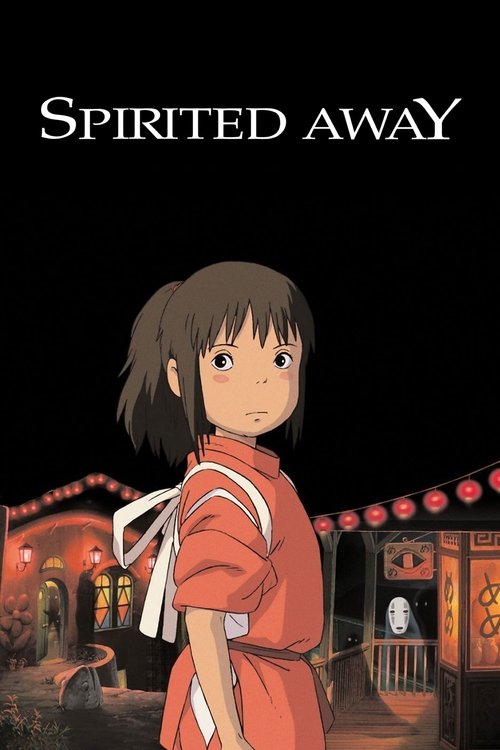
Spirited Away2001
Miyazaki's portrait of a family in flux, with parents literally transformed by greed. A child must survive in a world of false identities and performance. Animation, but the DNA is recognizable.
But It's a fantasy adventure first. The family angle is subtext, not the explicit framework.
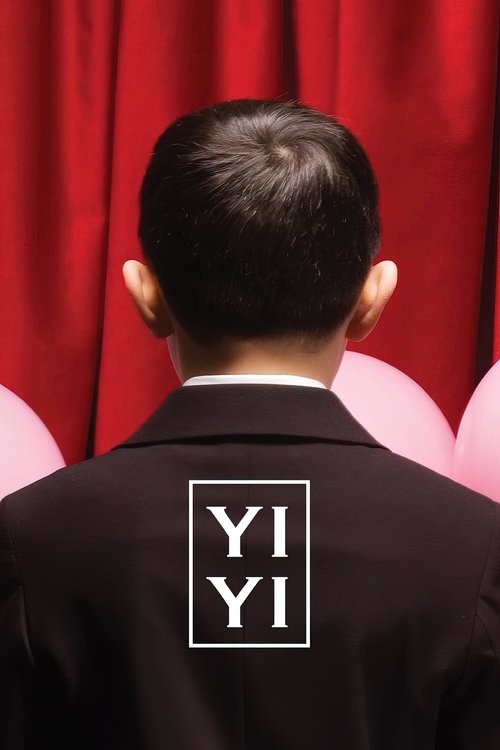
Yi Yi2000
Edward Yang's three-hour Taipei epic about a family navigating modernity, obligation, and the gap between inner and outer selves. Structurally daring and deeply humane.
But Three hours. Taiwanese cinema from a different era. Takes its time and doesn't offer easy answers.
Harakiri1962
Masaki Kobayashi's masterpiece dismantles samurai honor codes and family obligation with surgical precision. The same interrogation of performance and social structure, but tragic.
But Bleak and violent. It ends in genuine darkness, not catharsis.

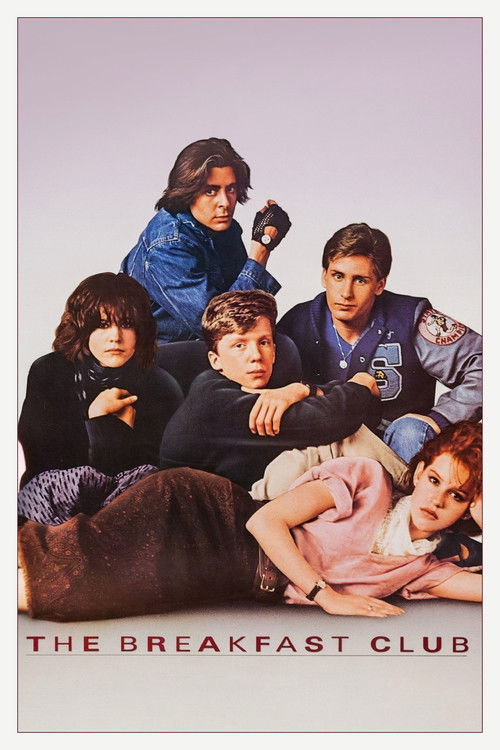
The Breakfast Club1985
Both use confinement and forced proximity to expose what people hide. The tutor in *The Family Game* and Saturday detention both strip away the masks, but *The Breakfast Club* ends in tentative hope while Itami ends in wreckage.
John Hughes' ensemble comedy about teenagers from different social classes forced together. Like *The Family Game*, it dismantles constructed identities—but American, teenage, and in a single Saturday.
But It's 1985 and it shows. Some of the attitudes are dated. Also: high school drama might feel lightweight after Itami.
People
Cast
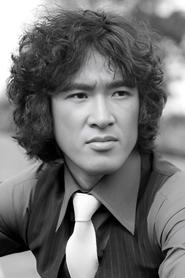 Yūsaku MatsudaSho Yoshimoto
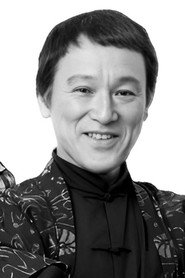 Jūzō ItamiKosuke Numata
 Saori YukiChikako Numata
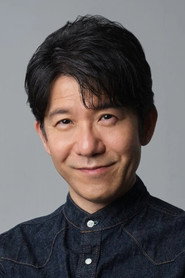 Ichirôta MiyakawaShigeyuki Numata
- Junichi TsujitaShinichi Numata
 Yoneko MatsukaneShigeyuki's English Teacher
 Kaori OkamotoMieko's Older Sister
 Jun TogawaNeighbor's Wife
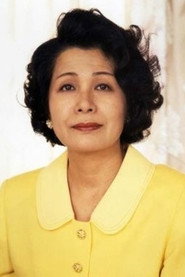 Kazuko ShirakawaMieko's Mother
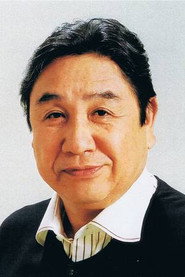 Shinobu TsurutaShinichi's English and Homeroom Teacher
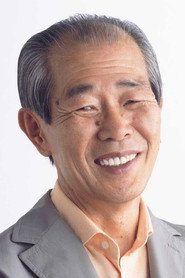 Shiro SasakiMieko's Father
 Katsunobu ItoShigeyuki's Japanese Teacher
Directing
- Shusuke KanekoAssistant Director
- Yoshimitsu MoritaDirector
Writing
- Yohei HonmaNovel
- Yoshimitsu MoritaScreenplay
Production
- Shiro SasakiProducer
- Shiro SasakiProducer
- Yutaka OkadaProducer
- Junichi SakuraiProduction Assistant
Recommended by
Sky Castle, The Flavor of Green Tea Over Rice, Monsieur Papa