
Film
The Makioka Sisters
- Drama
- Slow-burning
Yasujirō Ozu's final film follows four sisters navigating marriage, tradition and modernity in 1930s Osaka. A film of extraordinary visual grace, it moves with the unhurried pace of seasons turning: intimate family moments, glancing social comedy, quiet sadness. For anyone who loves cinema that trusts you to notice what matters.
Should you watch it?
Watch it if you love slow, patient portraits of a family's manners and seasons, where the pleasure lies in noticing how small rituals, clothing and conversation reveal what people won't say.
Skip it if you want a story that moves briskly toward its point, because this one lingers over everyday social rounds and family negotiations for long stretches and rarely hurries.
What it asks of you: It asks for a long, unhurried sitting of about two and a half hours, and patience to let each season's mood settle before expecting drama.
Not sure? Find tonight's pick in a minute.
If you liked this
Tokyo Story1953
The template for family drama as chamber music. Three generations gather; nothing much happens; everything changes. Ozu at his most crystalline, finding the ache in routine and the profound in the ordinary.
But It is patient to the point of stasis. If you need plot momentum or catharsis, you will find neither. The beauty is glacial.

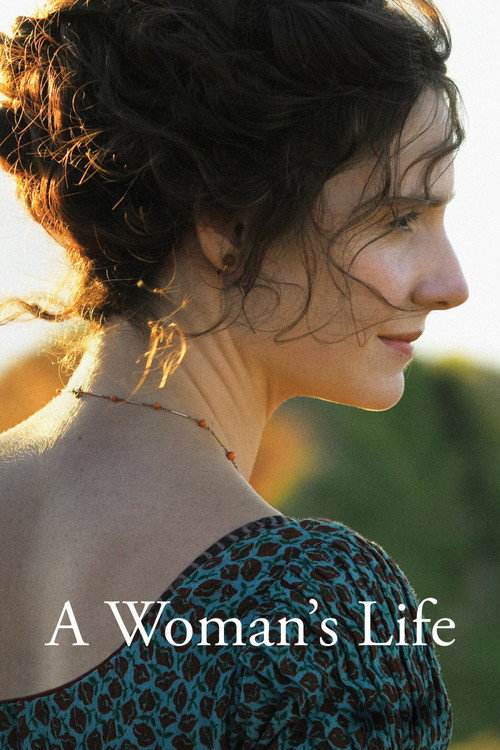
A Woman's Life2016
Mizoguchi student Masahiro Shinoda finds similar grace in a woman's quiet acts of sacrifice across decades. Elegant, measured, attentive to small gestures and the wear time leaves on us.
But The pacing is ceremonial. It demands stillness from you. Modern viewers sometimes mistake slowness for emptiness.
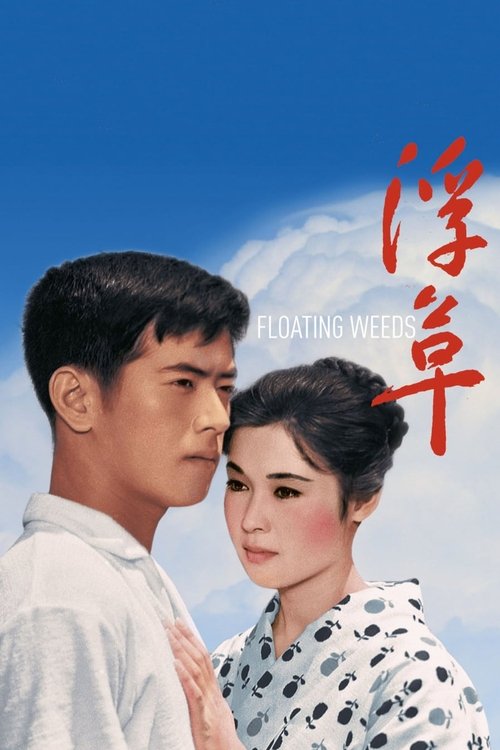
Floating Weeds1959
Ozu's colour masterpiece about a theatre troupe and the families they leave behind. The same visual perfection as Makioka but with an undercurrent of melancholy about performance and deception that cuts deeper.
But Another Ozu means another film that will not move you if you're watching for plot. The emotional register is very quiet.
Not sure tonight? Get a pick in a minute, starting from The Makioka Sisters
The wildcard
Something you would not have found on your own.
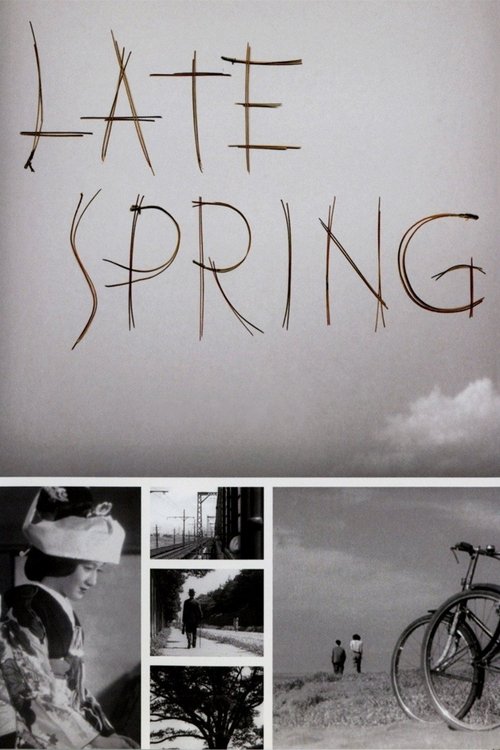
Late Spring1949
The spiritual precursor: Makioka is Ozu asking the same question about marriage, duty and family autonomy, but with four sisters instead of one daughter, and in the visual language he would never surpass.
Ozu's own earlier masterpiece about a widower and his unmarried daughter—the film that established the visual and thematic language Makioka perfects. Seeing both reveals an artist refining the same question across decades.
But It is in black and white, shot in 1949, and even more austere than Makioka. If the colour film already feels remote, this will feel like watching someone else's home video.
More like this (8)
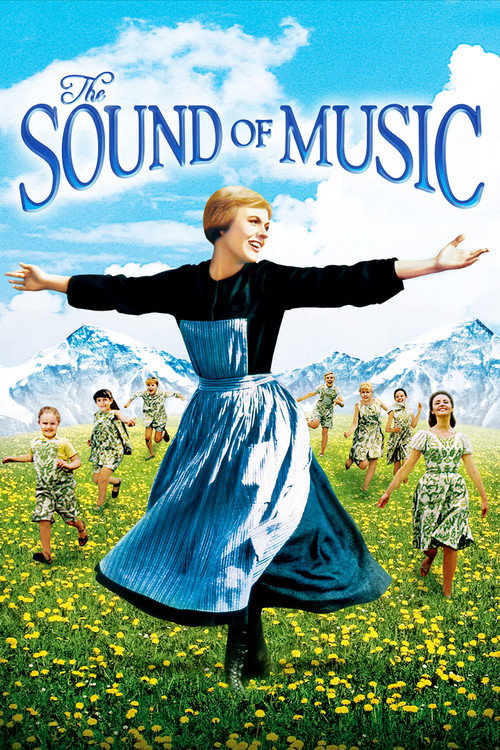
The Sound of Music1965
A completely different sensibility, but similarly structured around a gathering of family and outsiders, seasonal rhythms, and the clash between tradition and the world intruding. Also genuinely moving about what matters.
But It is aggressively cheerful where Makioka is contemplative. The gap between them is almost comical.
Ikiru1952
Kurosawa's meditation on a man's life suddenly ending, told through memory and reflection. Like Makioka, it asks what a life adds up to. The emotional weight is devastating but earned.
But It is much darker. Where Makioka finds acceptance in seasonal change, Ikiru finds it only through confronting mortality. Heavier going.

Mulholland Drive2001
Lynch's portrait of women in Los Angeles, sisters and performers navigating illusion and reality. A very different sensibility but shaped by the same attentiveness to how women live, what they want, what they settle for.
But Where Makioka is harmonious, this is fractured and surreal. If you want a different movie, you'll get it. Some find it maddening.

Stalker1979
Tarkovsky's meditation on desire and meaning as three figures journey toward a mysterious room. Like Makioka, it is structured as a pilgrimage and finds profundity in long takes and small interactions. Hypnotic.
But It is much longer, much stranger, and the metaphysics are explicit where Makioka is implicit. The patience required escalates significantly.

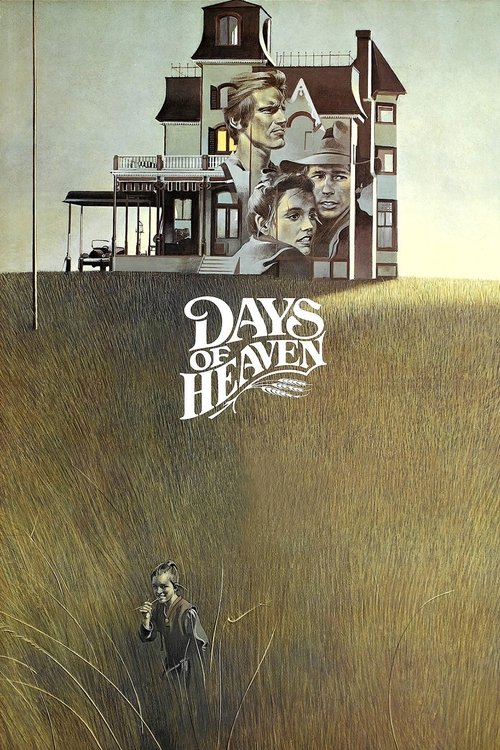
Days of Heaven1978
Malick's study of class, labour and heartbreak in early 20th-century Texas. Like Makioka, it is painterly and alive to landscape and season. The emotional clarity under the beauty is stunning.
But It is harsher. Makioka is about accommodation; this is about how systems grind people down. Different register entirely.
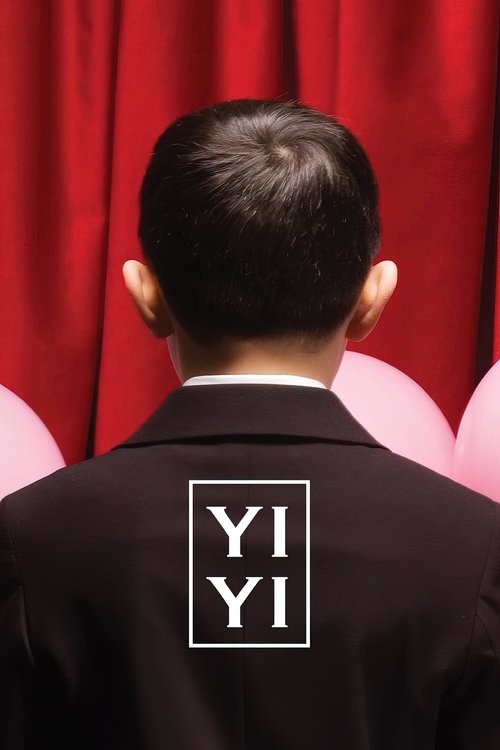
Yi Yi2000
Edward Yang's Taiwanese family epic about a large extended family over one year. The same attentiveness to what people do with their lives when nothing melodramatic happens. Humane, funny, precise.
But It is longer, more explicitly philosophical, and less visually ravishing. More like a novel than a poem. Some prefer it; some find it baggy.
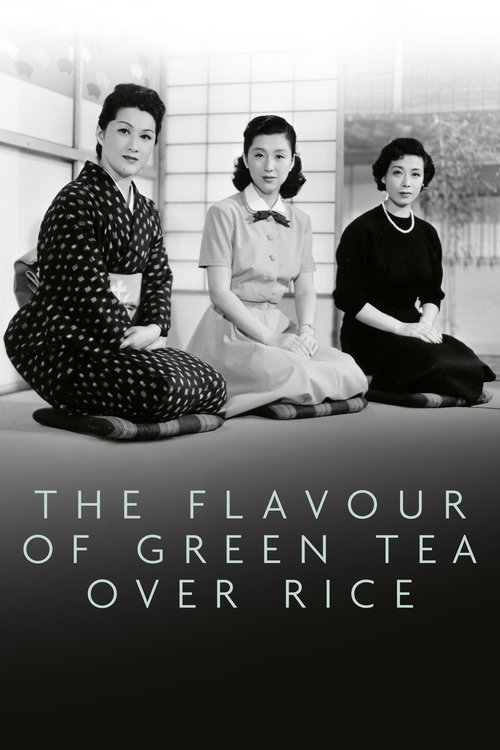
The Flavor of Green Tea Over Rice1952
Ozu's 1952 masterpiece about marriage from the inside; Makioka is about marriage as project viewed from outside. Together they form his final statement on what women want and what society will let them have.
A Yasujirō Ozu film you may have missed: a domestic comedy about a wealthy couple whose marriage has cooled into habit. Lighter than Makioka, funny in the smallest ways, about how two people learn to want each other again.
But The emotional stakes are lower. It is about comfort, not crisis. Some viewers mistake that for triviality rather than wisdom.
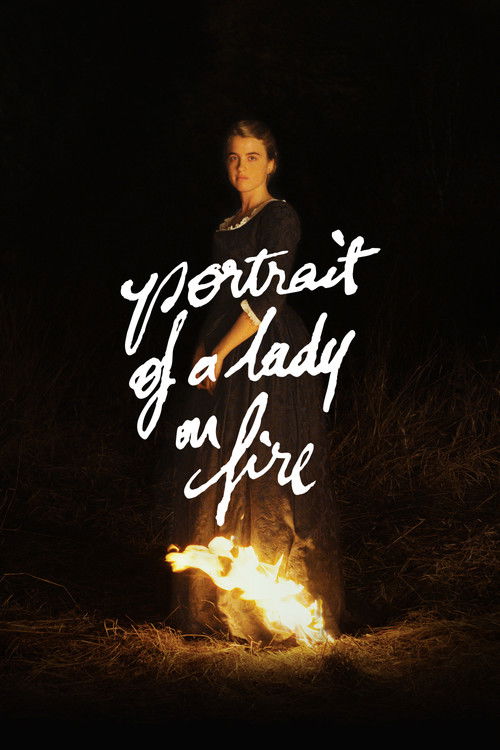
Portrait of a Lady on Fire2019
A film about women's lives and desires constrained by marriage and society, but told from inside intimacy rather than outside observation. Where Makioka watches sisters navigate the marriage market, this watches two women discovering what they actually want when the market isn't watching.
Céline Sciamma's film about two women—a painter and her subject—across one summer in 18th-century Brittany. Like Makioka, it is visual poetry about female desire, secrecy and the rituals of daily life. Achingly beautiful.
But It is erotic and explicitly lesbian where Makioka is about thwarted heterosexual marriage. Very different in register. Modern where Makioka is period. Much shorter but denser emotionally.
People
Cast
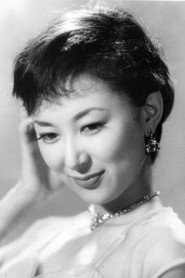 Keiko KishiTsuruko Makioka
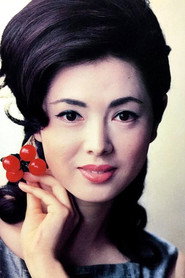 Yoshiko SakumaSachiko Makioka
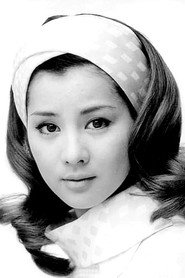 Sayuri YoshinagaYukiko Makioka
 Yuko KotegawaTaeko Makioka
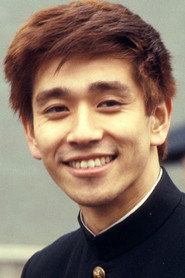 Koji IshizakaTeinosuke
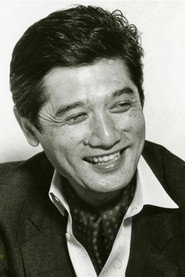 Toshiyuki HosokawaHashidera
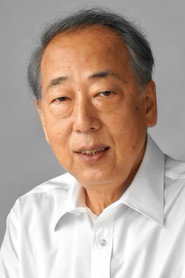 Ittoku KishibeItakura
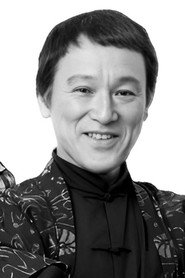 Jūzō ItamiTatsuo
- Takenori EmotoHigashiya
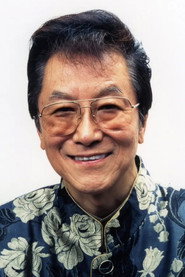 Jun HamamuraOtokichi
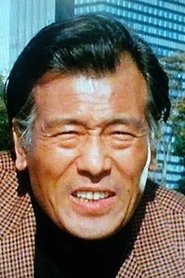 Akiji KobayashiSeitaro Jinba
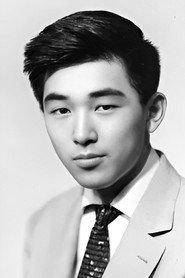 Kazuya KosakaNomura
Directing
- Kon IchikawaDirector
Writing
- Junichirō TanizakiNovel
- Kon IchikawaWriter
- Shinya HidakaWriter
Production
- Hideyuki TakaiAssociate Producer
- Kon IchikawaExecutive Producer
- Tomoyuki TanakaExecutive Producer