Television series
Taggart
Taggart is a Scottish crime procedural that made Glasgow itself a character—all tenements, rain, and moral ambiguity. Sharp detectives, nasty murders, no sentimentality. It's where British TV learned that you didn't need London, country houses, or a cosy aesthetic to make something that gripped you hard and didn't let go. Perfect if you want crime drama that feels lived-in and real.
Should you watch it?
Watch it if you like slow-burn police procedurals with a rain-slicked noir mood and a Glasgow setting, where the city and its weary detectives count as much as the crime.
Skip it if you want tight, self-contained stories; this is a long-running show with changing faces and ninety-minute episodes that take their time getting anywhere.
What it asks of you: Long stretches of talk and wet streets set the pace, with patience rewarded and dread built slowly, at ninety minutes an episode.
Not sure? Find tonight's pick in a minute.
If you liked this
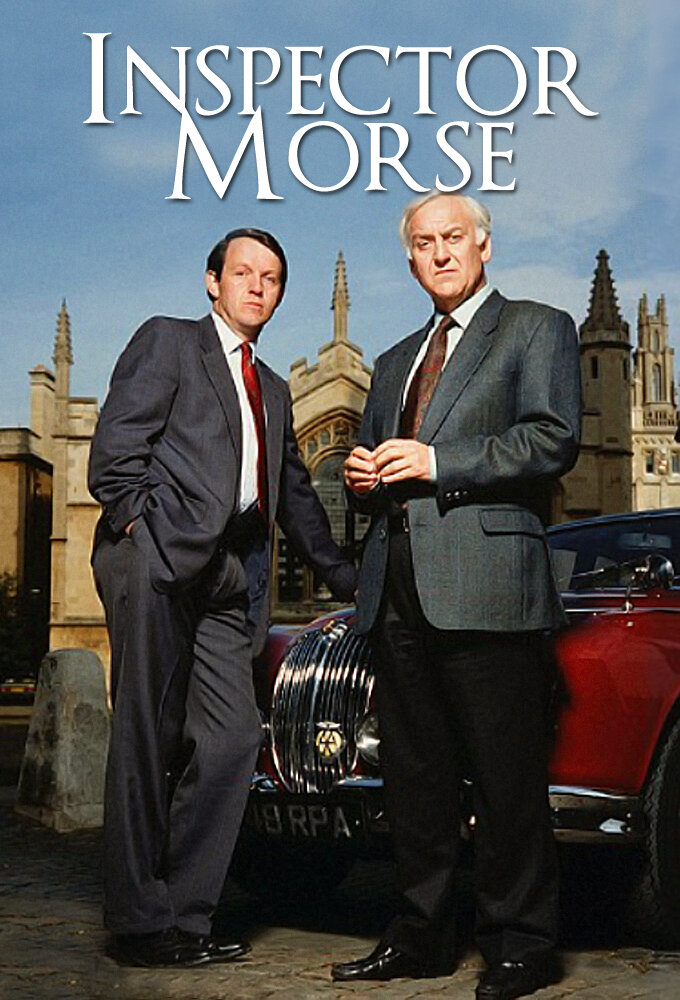
Inspector Morse1987
Oxford detective solving impossible cases with intellectual rigour and melancholy depth. Dexter Cecil's scripts are luminous; John Thaw's performance is the template for how to play a brilliant, broken man on screen.
But Each case unfolds slowly. If you need plot to move at a sprint, the meditative pacing will feel like drag.
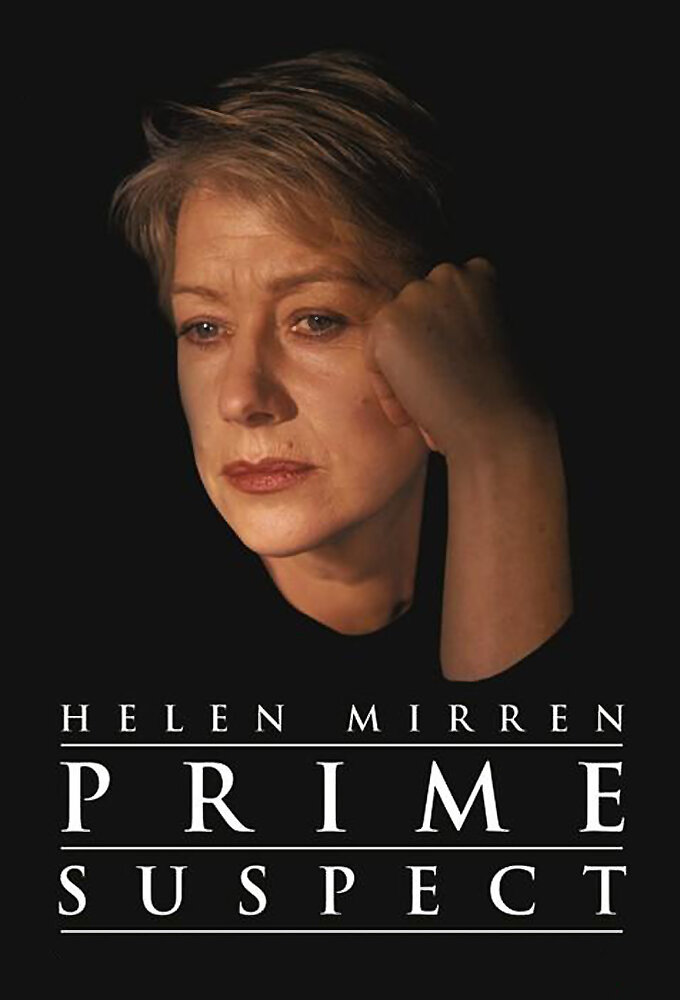
Prime Suspect1991
Jane Tennison breaking through institutional sexism to hunt a serial killer. Helen Mirren is ferocious; the writing captures how it feels to be disbelieved when you're right. Raw and furious.
But The misogyny is unrelenting and deliberate. Watching it means sitting with that hostility for the entire series.
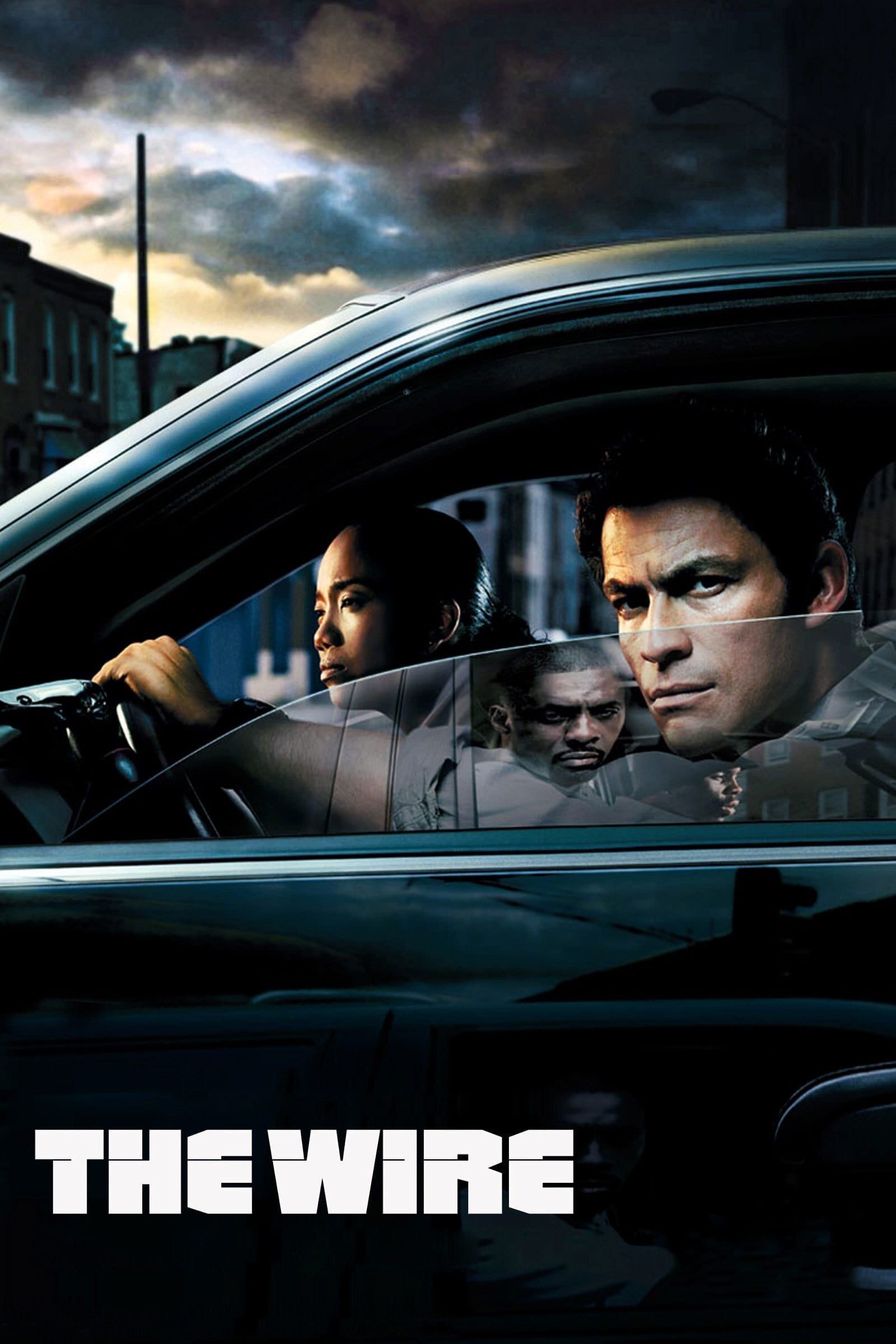
The Wire2002
Like Taggart scaled to a whole city. Sprawling, no easy answers, the system itself is the criminal. Dialogue snaps; characters breathe. This is what crime drama learned to do after shows like Taggart proved depth was possible.
But Fifty episodes across five seasons. Commitment is required, and some threads resolve in ways that feel deliberately unsatisfying.
Not sure tonight? Get a pick in a minute, starting from Taggart
The wildcard
Something you would not have found on your own.
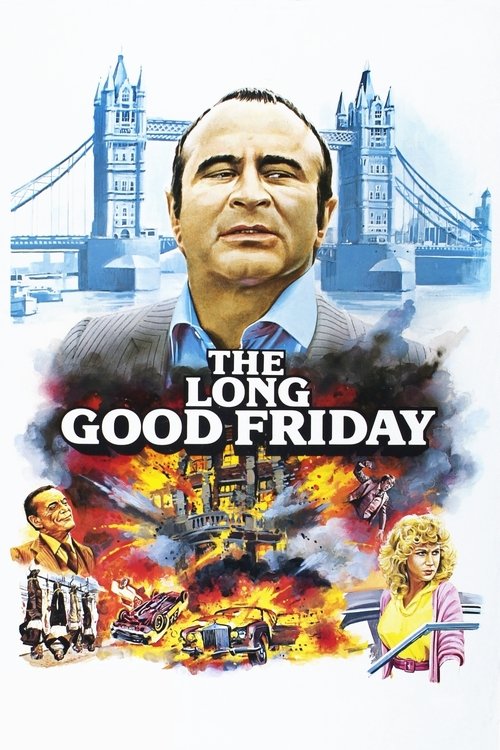
The Long Good Friday1980
Both are Glasgow and London crime stories from the same era, made in the same rough British way. But Taggart is a police procedural across years; this is one man's catastrophic day. They're inverses—the view from the detective's desk versus the view from the criminal's throne room.
Bob Hoskins as a London crime boss's single day spiralling into chaos. It's a pressure cooker: taut, violent, blackly funny. The writing crackles. This is what British crime cinema looked like when it had teeth.
But Ninety minutes of escalating brutality and paranoia. There's no relief, no rest—exhausting by design. The ending offers no catharsis.
More like this (7)
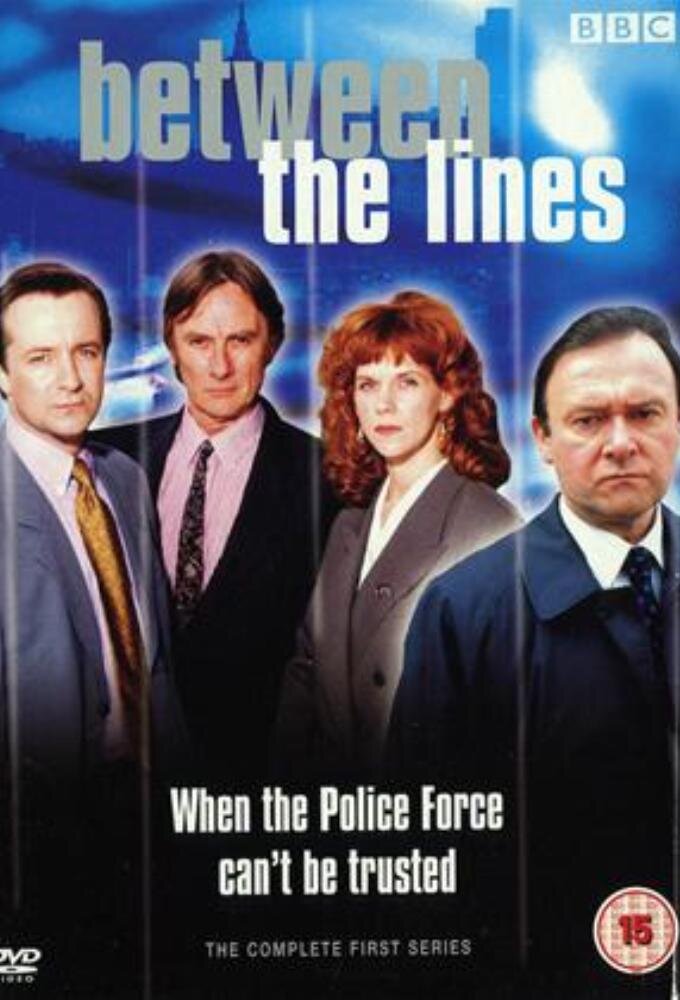
Between the Lines1992
Detectives investigating detectives—internal corruption, the politics of policing. Sharply written British drama where nobody is simply good or bad. Tense and clever.
But Less famous than it deserves, which means no hype to carry you if the premise doesn't hook you immediately.
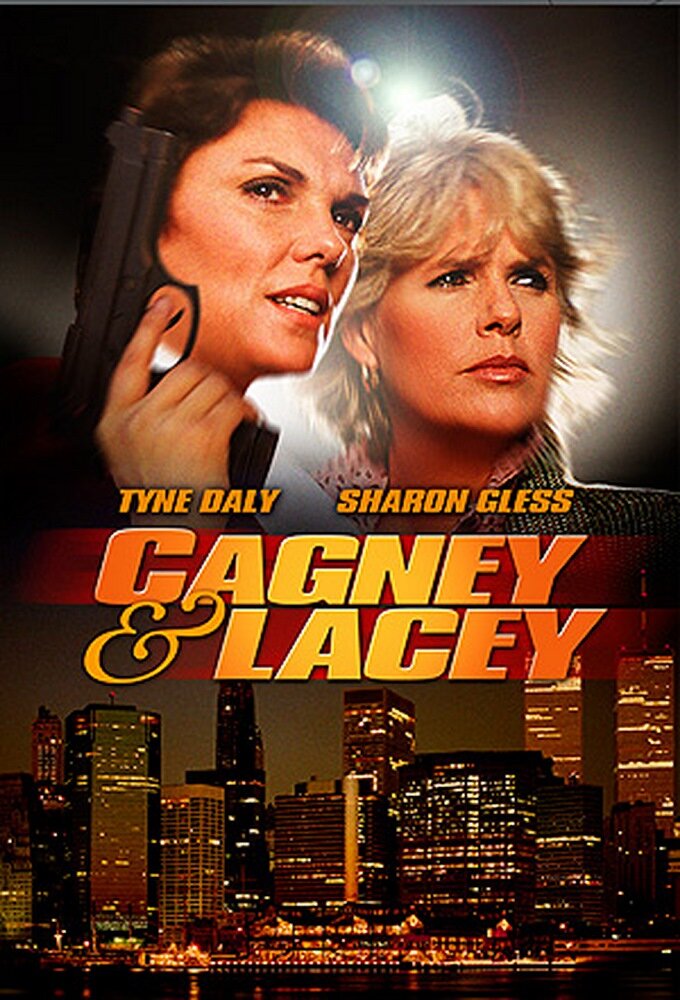
Cagney & Lacey1982
Two female detectives in New York doing straightforward police work without apologising for it. Enormously influential; you can see its DNA in everything crime-adjacent made since.
But American 80s production values look dated now. The cases themselves are less baroque than you might want.
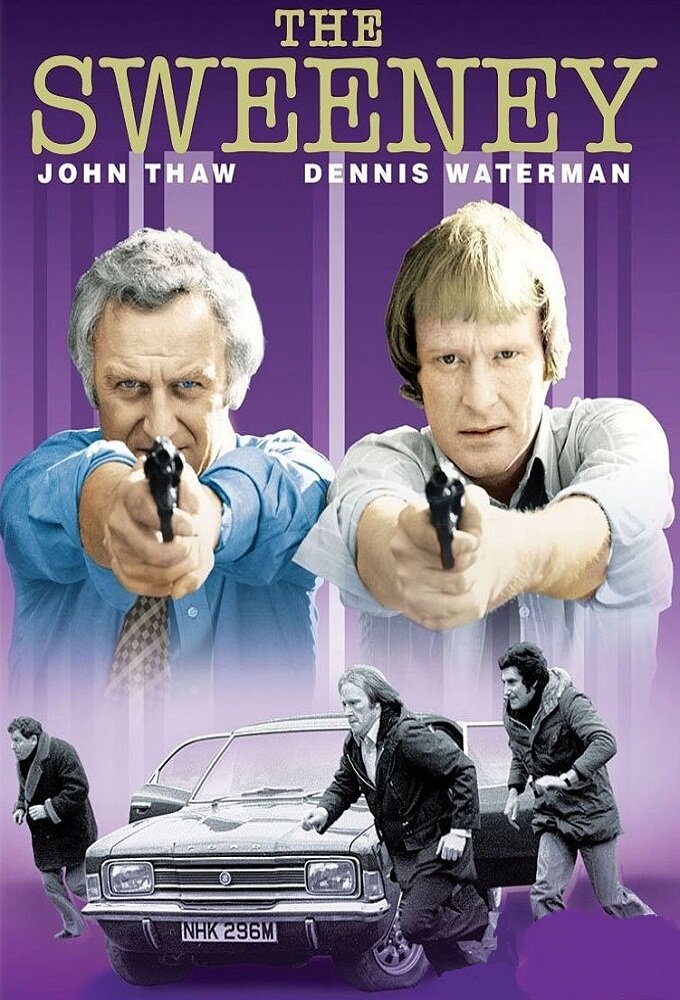
The Sweeney1975
Flying Squad detectives in 1970s London—rougher, faster, less interested in procedure than instinct. Jack Regan and George Carter are the ancestors of every burnt-out cop on television.
But Brutally casual violence and casual sexism. It's of its time in ways that some viewers will find genuinely difficult.
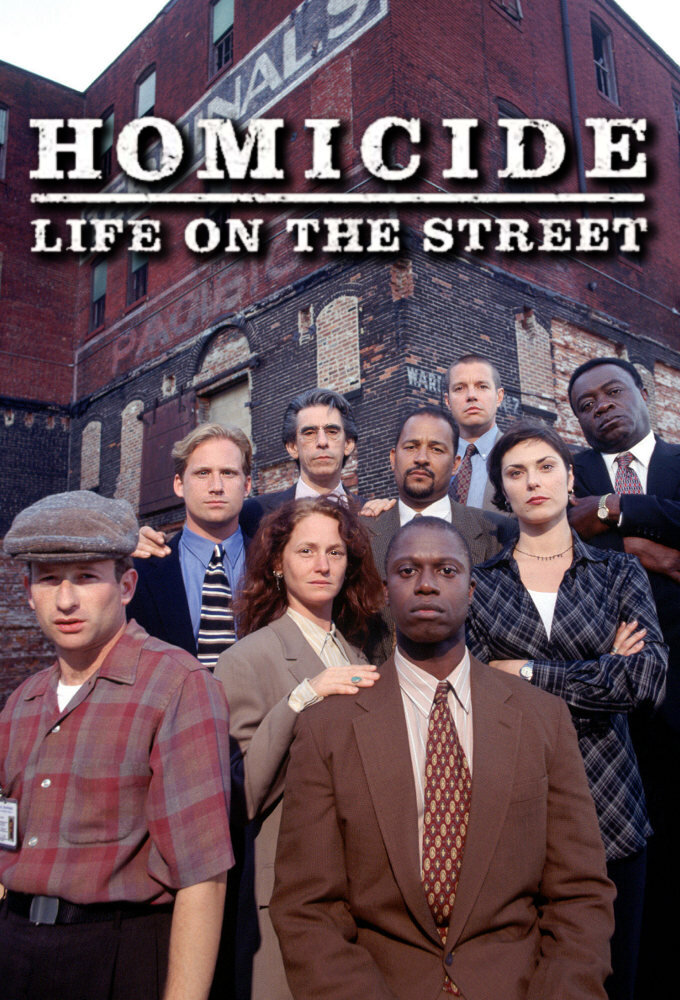
Homicide: Life on the Street1993
Baltimore homicide squad where the detectives are more interesting than the murders. Conversations matter. Characters have actual interiority. It's funny and then it destroys you.
But Some seasons lose focus. The police work is sometimes secondary to soap opera. Tone shifts unpredictably.
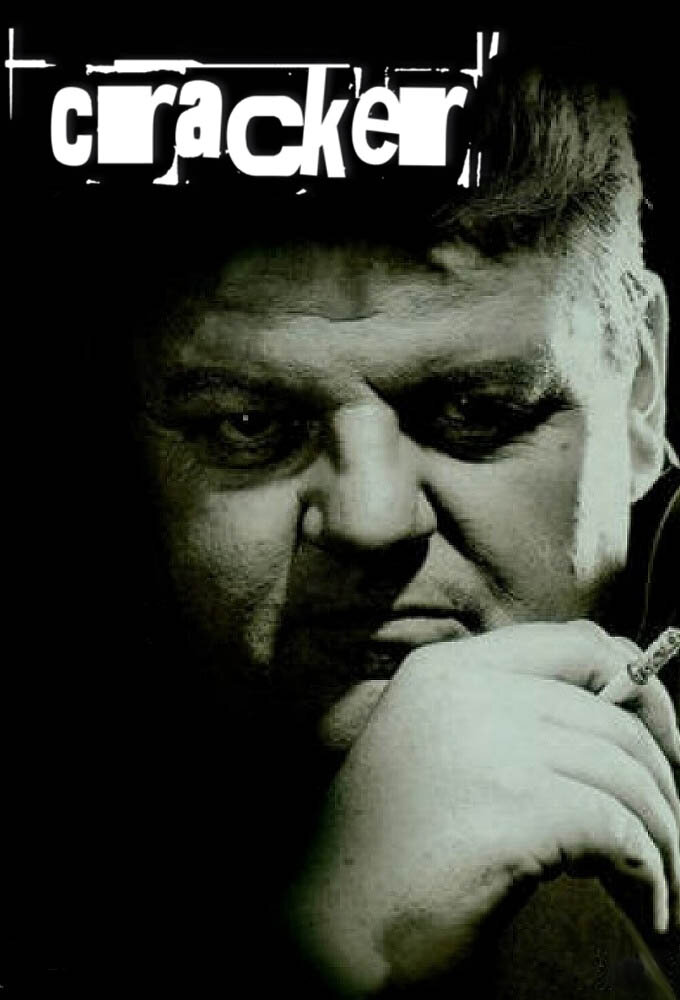
Cracker1993
Jimmy McGovern's Manchester crime series with Robbie Coltrane as a brilliant psychologist chasing killers. Psychologically dense, angry about society, funny when you least expect it.
But The protagonist is deeply unlikeable and his personal chaos can overwhelm the cases. Not comfortable viewing.
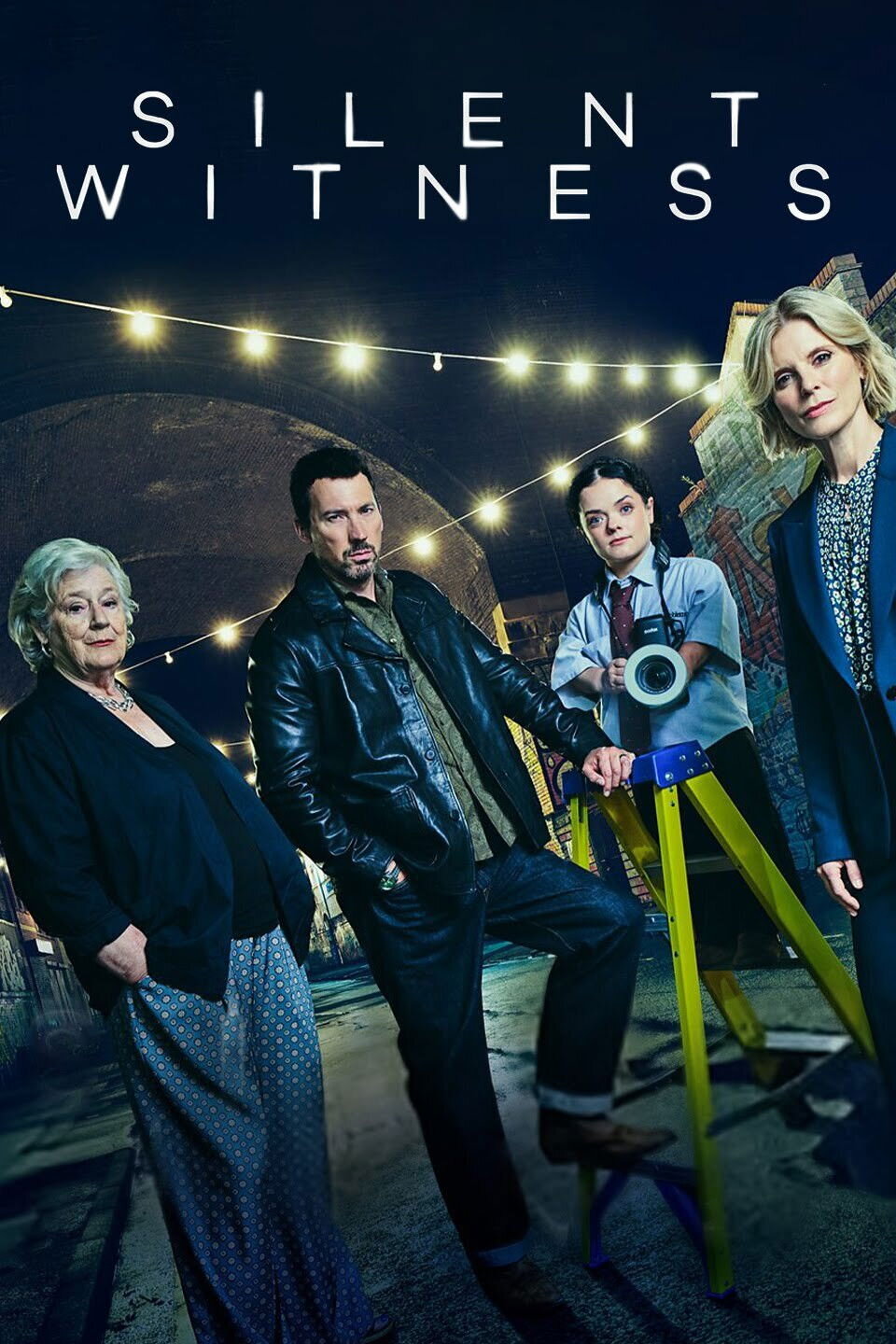
Silent Witness1996
Forensic pathology as entry point to crime stories. Real procedure married to compelling character work. It finds drama in evidence and science without ever feeling like you're learning.
But The cases can blur together. After many seasons, the format settles into predictable rhythms that familiarity doesn't enhance.
Bodywork2022
The same engine—a body, detectives, the uncovering of what happened—but deployed to interrogate the class and gender structures that Taggart's era could only show unconsciously. Both are about what crime reveals about a society; this one is deliberate about it.
A woman's body is found, and across 90 minutes we interrogate what led her there. Structured not as mystery but as forensic dissection—social class, gender, complicity. British but entirely contemporary, asking questions Taggart never asked.
But It's angry in ways that feel withholding. Character is subordinate to argument. If you want to like people in what you watch, this will frustrate you.