
Film
Bodywork
An 18-minute drama about a theater actor confronting body image shame when cast in a role requiring nudity. Intimate and unflinching, it treats vulnerability not as spectacle but as genuine human reckoning. For anyone who's felt trapped by their own self-consciousness, or anyone interested in how film can hold space for shame without judgment.
If you liked this
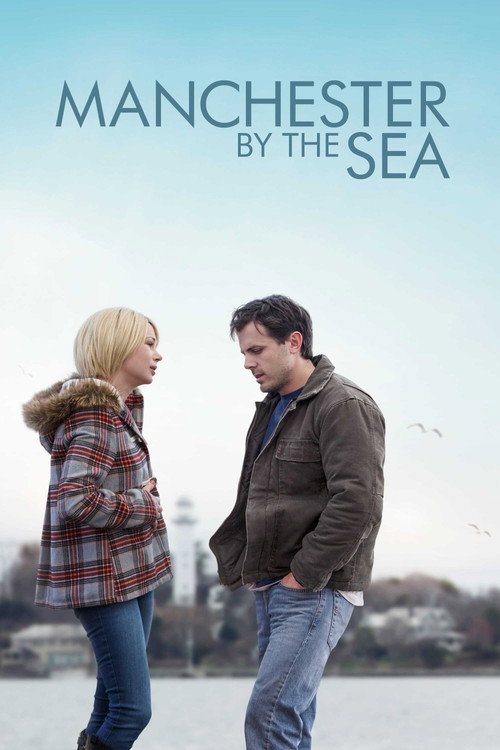
Manchester by the Sea2016
A portrait of grief and emotional paralysis that moves with the same quiet intensity. It sits with discomfort rather than rushing past it, letting pain breathe on screen without needing to resolve it neatly.
But Very slow. The accumulation of small, sad moments might feel like nothing happens, and the ending offers no catharsis or clear answers.
Moonlight2016
Three chapters of a Black man's life, each one honest about vulnerability, shame, and the cost of hiding yourself. Formally daring but emotionally direct—it knows how to make inner life visible.
But Sparse dialogue and contemplative pacing mean you're reading emotion from glances and silences. Not for viewers who need plot to feel engaged.

The Farewell2019
Nora Lum's debut quietly dissects family, cultural expectation, and the performance of being okay. It finds humor and heartbreak in the gap between how we present and how we feel.
But Moves at its own pace and doesn't signal its emotional beats clearly. Some viewers find it understated to the point of ambiguity.

Not sure tonight? Get a pick in a minute, starting from Bodywork
The wildcard
Something you would not have found on your own.
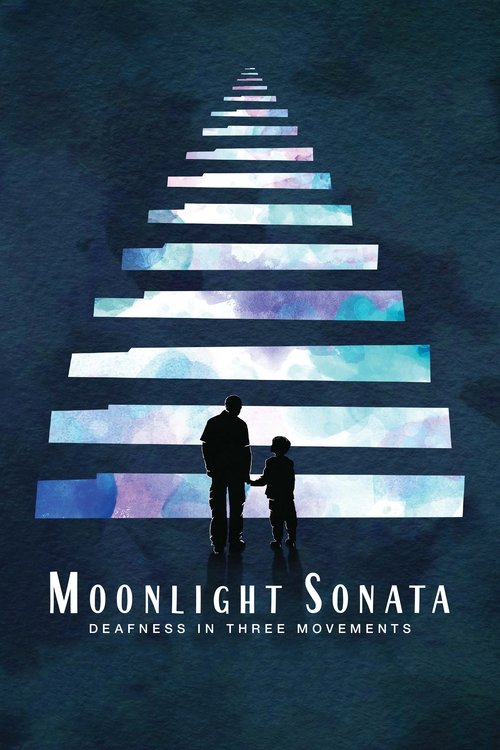
Moonlight Sonata: Deafness in Three Movements2019
Both works are about inhabiting a body that feels wrong or broken, and both use formal choices (nudity in *Bodywork*, sonic absence in *Moonlight Sonata*) to make internal alienation visible and strange on screen.
A documentary essay about deafness, music, and feeling in the body. It's formally adventurous—part sonic exploration, part visual poetry—and it grapples with how bodies communicate across difference and shame in ways that resonate with *Bodywork*'s core insight.
But Not a conventional documentary. It asks you to sit with abstraction and sensory fragmentation; some viewers will find it frustratingly oblique. Also, being about deafness means there's inherently limited dialogue.
More like this (7)
Portrait of a Lady on Fire2019
Céline Sciamma's masterpiece about two women and desire, vulnerability, and the terror of being truly seen. Sensual and fearless about looking directly at bodies and shame and longing.
But Deliberately paced, shot in natural light that sometimes means you're straining to see. The pleasure is in the quiet moments, not incident.

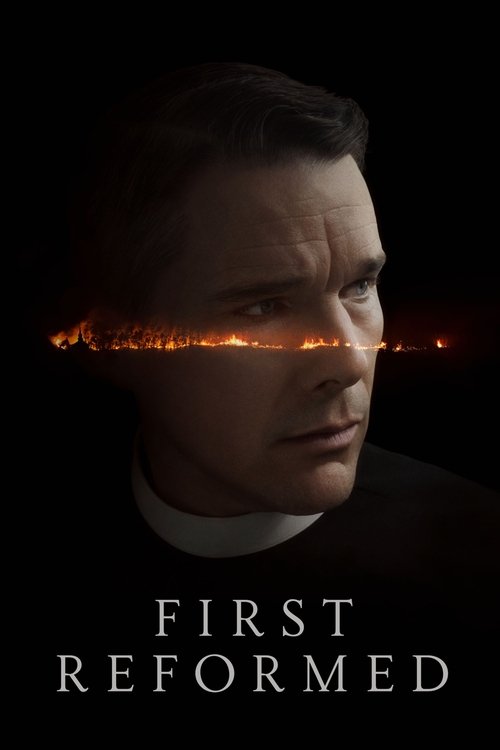
First Reformed2018
Paul Schrader's portrait of a man's crisis of conscience and self-loathing, rendered in stark black-and-white. It takes interior torment seriously and doesn't flinch from watching someone come apart.
But Bleak. Formally austere. Ends ambiguously on a note of suffering rather than resolution. Not a film designed to comfort you.
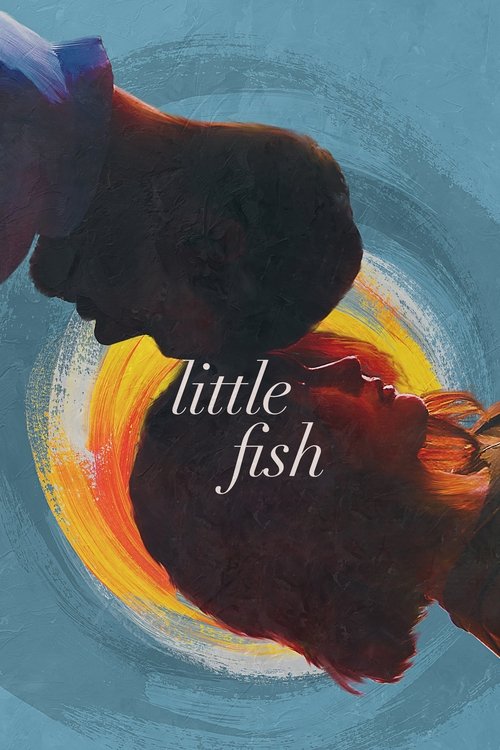
Little Fish2021
A couple navigating loss of memory and identity, shot with tenderness but no sentimentality. It's about presence and the terror of being forgotten, rendered in intimate close-ups.
But Quietly devastating in ways that accumulate rather than hit hard. Easy to find it too delicate or slow-moving to engage with.
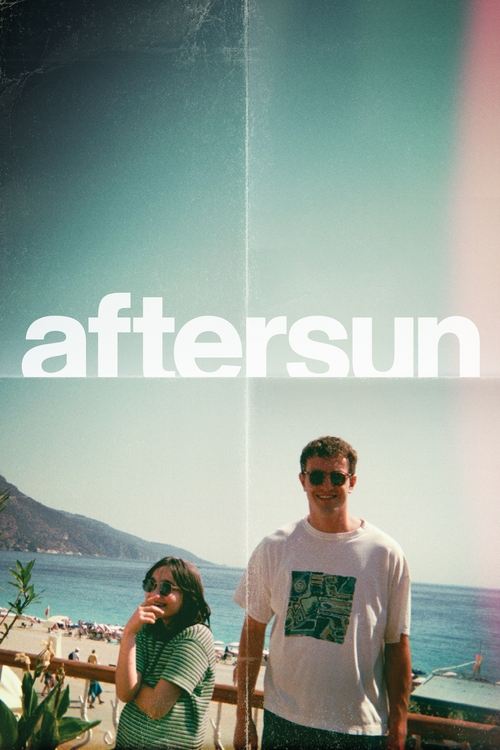
Aftersun2022
A father and daughter on holiday, filmed in video and memory, circling around depression and love neither can quite articulate. Achingly attuned to the gap between what we feel and what we can say.
But Refuses to explain itself. The emotional stakes are implicit, and some viewers will find that evasive rather than moving.
Minari2021
A Korean-American family chasing the American dream, grounded in specific gesture and speech rhythms. It finds tragedy and comedy in the gap between ambition and circumstance, dignity in struggle.
But Subtitled, and the pacing is deliberate rather than propulsive. The payoff is emotional accumulation, not plot resolution.

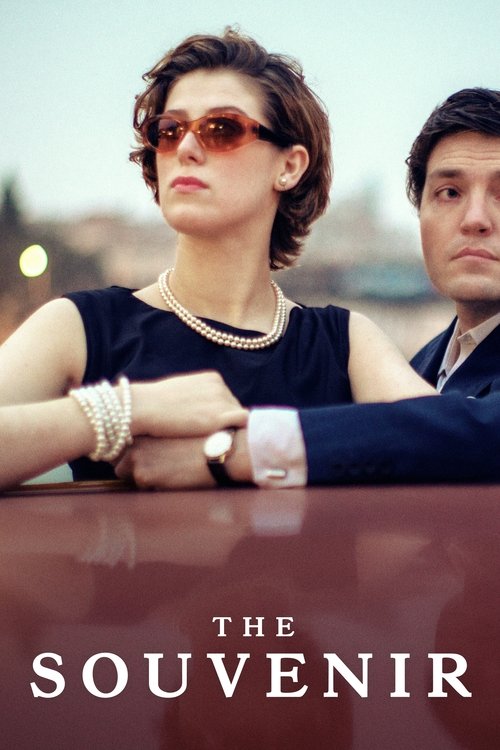
The Souvenir2019
Both are about young people trapped in their own perceptions of themselves and others, rendered through tight, claustrophobic framing. Both trust the camera to hold shame without explaining it.
Honor Swinton Byrne plays a film student in love with a man who may be emotionally abusive, and the film captures the disorientation of not knowing what you're seeing or feeling. Formally inventive, emotionally raw, about the shame of being fooled.
But Deliberately unclear. You're often as confused as the protagonist, and the film doesn't help you find solid ground. Some viewers will find it frustrating rather than immersive.
La Haine1995
Where *Bodywork* is intimate and interior, *La Haine* is collective and social—but both are about characters whose bodies are sites of vulnerability and threat, and both use formal precision to make that felt. Different registers, same moral seriousness about being seen and judged.
Mathieu Kassovitz's portrait of three young men in a Paris banlieue, moving in real time across a single day, building toward violence. Shot in black-and-white 16mm with extraordinary visual control and moral clarity about rage, surveillance, and powerlessness.
But French language. Formally rigorous in ways that some viewers find cold. The ending is bleak and offers no resolution, and the pacing is deliberately slow before the climax.

People
Cast
- Teddy FischerJosh
- Grace JolliffeLizzie
- Megan HasenfratzMaya
- Kennedy FraizerCharlotte
- Maia Wolf-LivingstonRenée
- Sam TurnerJenny
Directing
- Jack Beckett CohenDirector
Writing
- Jack Beckett CohenWriter
Production
- Shea HumphriesAssociate Producer
- Sara RosenthalProducer
Recommended by
Insomnia, Good Luck to You, Leo Grande, Omar, Taggart, Mosaic, Animals, V.I. Warshawski, Lies in Plain Sight