
Television series
Poltergeist: The Legacy
A secret society of occult investigators operates from a San Francisco mansion, battling supernatural threats week by week. It's *The X-Files* meets *Kolchak* with a house full of artifacts and a team that actually trusts each other. Atmospheric, earnest, and unafraid of genuinely creepy premises. For people who want horror that doesn't wink at the camera.
Should you watch it?
Watch it if you like long-running supernatural procedurals where a team of mismatched specialists chases the paranormal case by case, with a patient, character-driven mystery pace and a healthy appetite for lore.
Skip it if you want tight, self-contained stories; many episodes lean on slow-building mythology, and the 1990s effects and earnest tone can feel dated against modern genre shows.
What it asks of you: Eighty-eight hour-long episodes over four seasons make this a long haul, and its pace is unhurried, so you need patience before the case-of-the-week pieces pay off.
Not sure? Find tonight's pick in a minute.
If you liked this
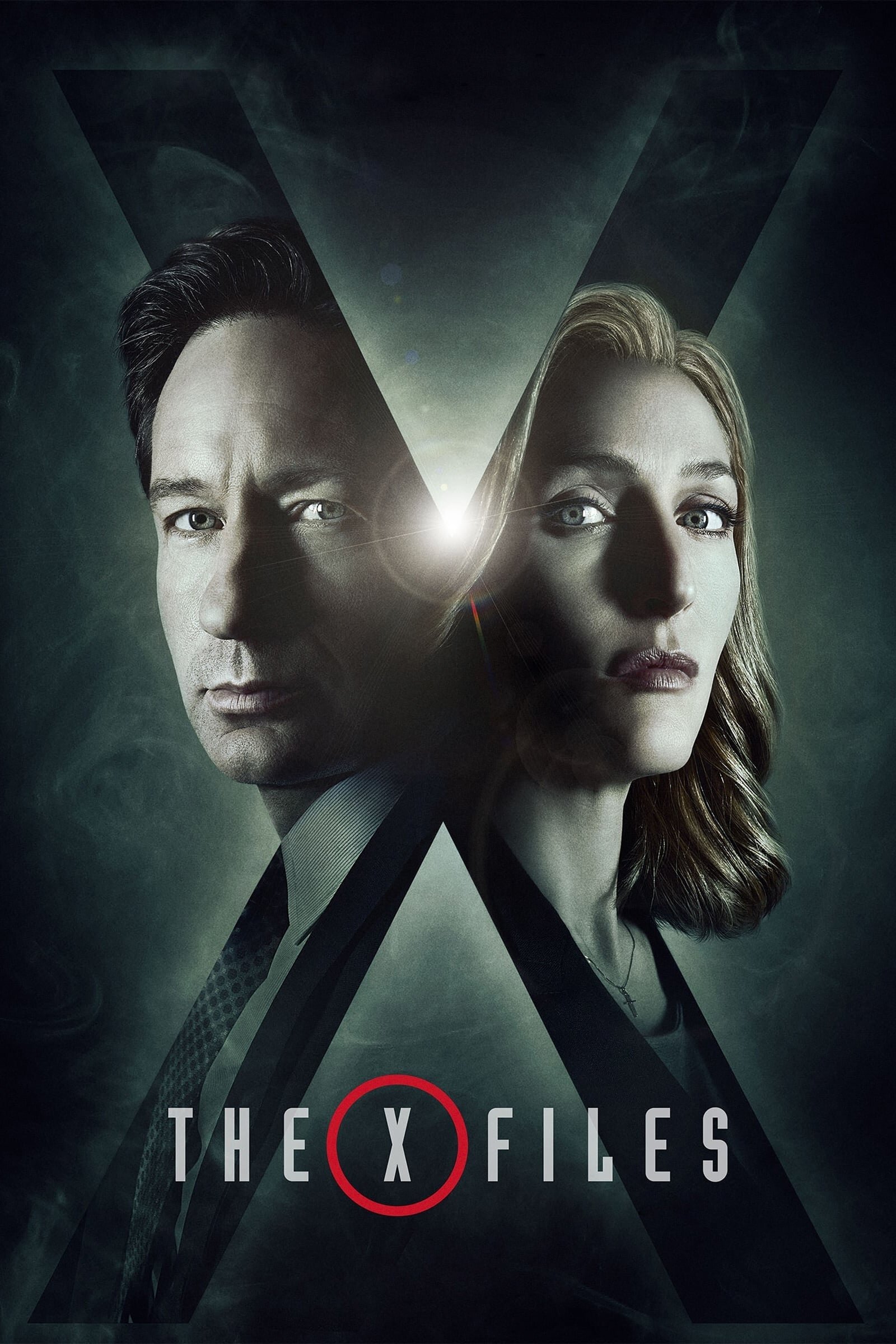
The X-Files1993
Two agents investigating the unexplained with genuine chemistry and mythology that builds across seasons. The template for smart genre television, and it shares Poltergeist's appetite for both procedural satisfaction and larger cosmic dread.
But By season eight it was running on fumes, and the mythology episodes can feel impenetrable if you haven't watched since the beginning. The earlier seasons are the thing.
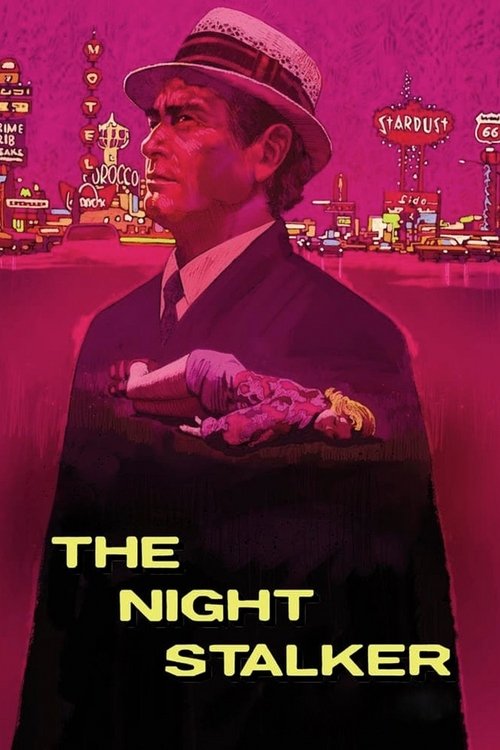
The Night Stalker1972
A newspaper reporter faces a different monster each week with wit, resourcefulness, and genuine peril. The direct ancestor of this kind of show: episodic, creepy, and deeply fond of its central character without letting sentiment slow the scares.
But It's a 1970s production, which means cheap effects and occasionally clumsy storytelling. The charm is real, but it doesn't hide its age.
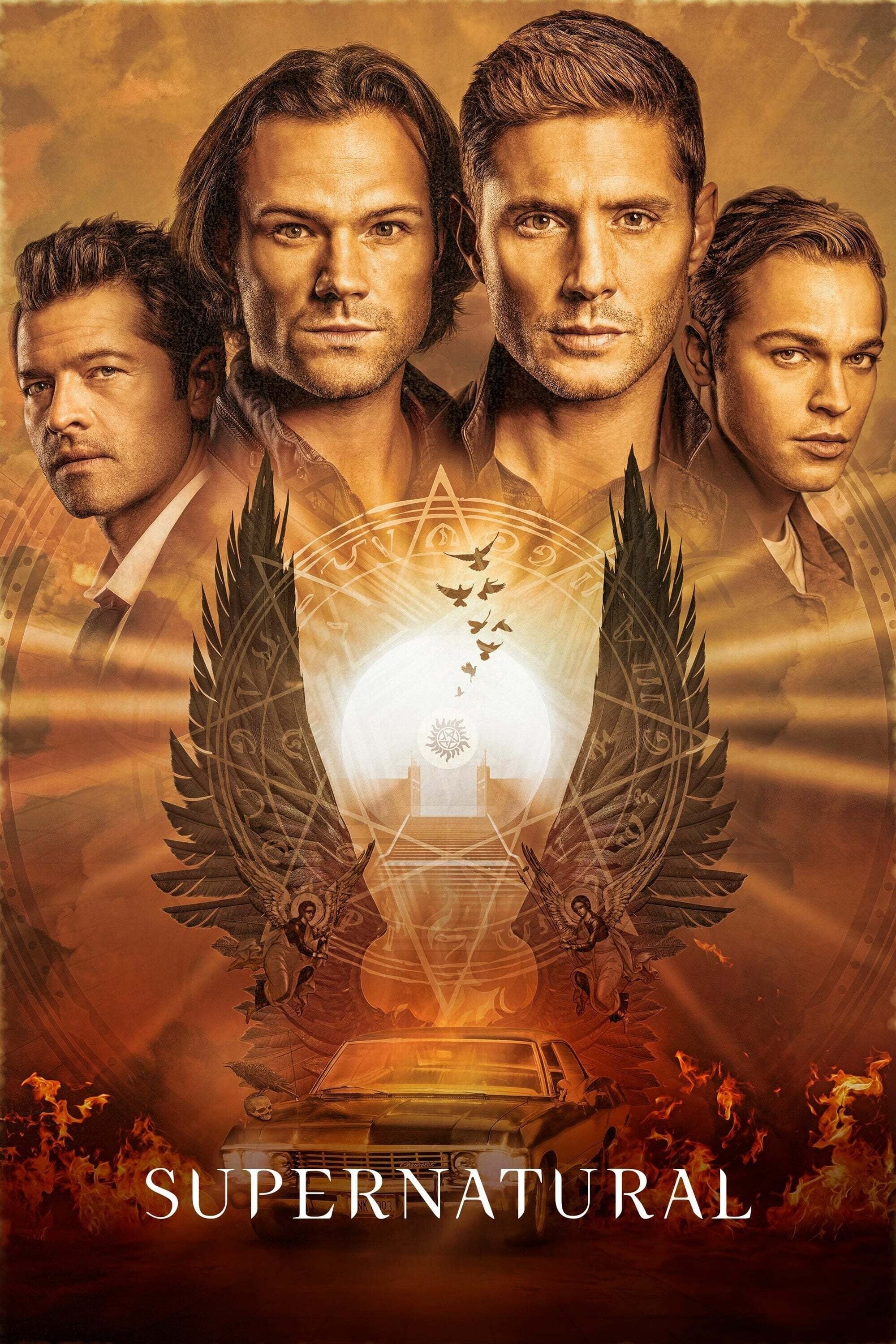
Supernatural2005
Two brothers hunt monsters across America for fifteen seasons. It has the same mission-of-the-week structure as Poltergeist, the same found-family ethos, and an uncanny ability to balance horror with genuine affection for its characters.
But It ran very long and the late seasons lose focus. The early-to-mid run is where the magic is, and even then it can be uneven episode to episode.
Not sure tonight? Get a pick in a minute, starting from Poltergeist: The Legacy
The wildcard
Something you would not have found on your own.
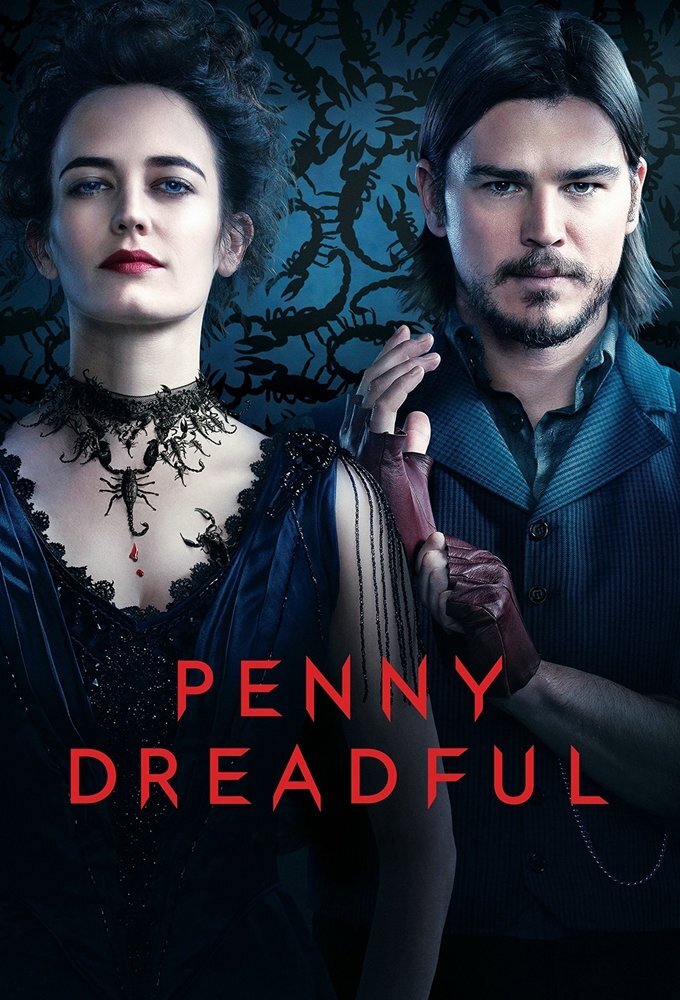
Penny Dreadful2014
Both assemble a team of specialists in a specific location to battle supernatural forces, and both give equal weight to character development and genuine horror. But where Poltergeist offers weekly closure, Penny Dreadful builds toward larger convergence.
Literary monsters and their hunters collide in Victorian London. It's serialized rather than episodic, gorgeously shot, and deeply committed to building dread across an entire season. The mythology is complex and the cast is exceptional. For viewers ready to lean into atmosphere over procedural beats.
But It's slow and deliberately literary in its pacing. If you want answers fast, this will frustrate you. Some viewers find the serialized structure exhausting compared to the satisfaction of episode-by-episode resolution.
More like this (7)
The Twilight Zone1959
Anthology horror and science fiction that trusts the audience completely. Each episode is a premise delivered with style and a sting. The DNA of everything Poltergeist tries to do runs straight through here.
But Some episodes haven't aged well thematically, and the pacing can feel slow if you're used to modern television. It demands patience.

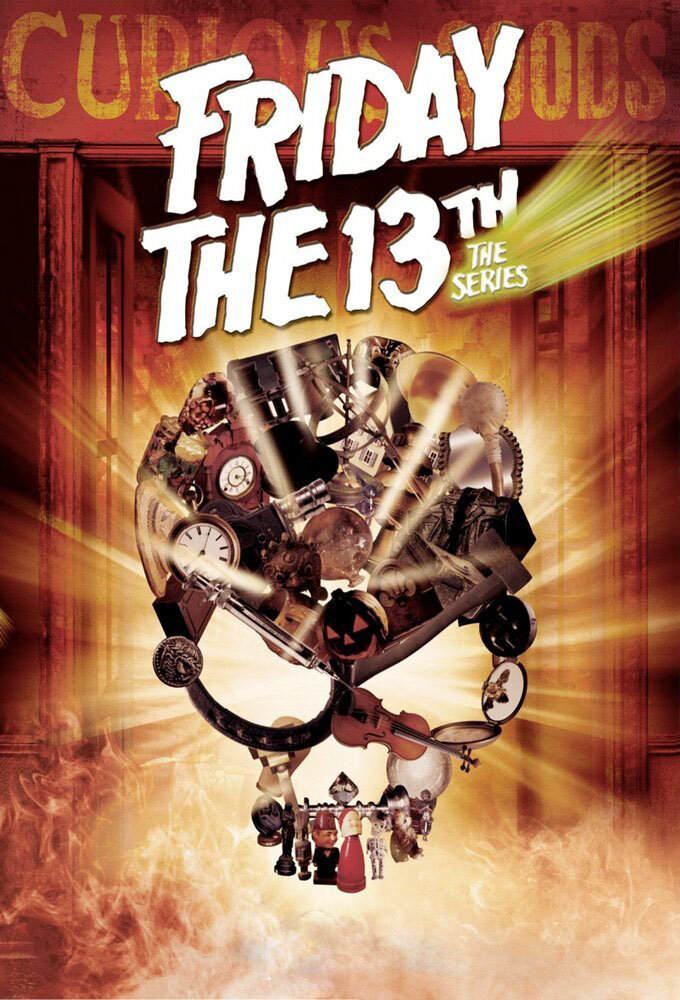
Friday the 13th: The Series1987
An antique dealer and her friends track down cursed objects and neutralize them. It's lighter in tone than Poltergeist but shares the artifact-of-the-week format and the same commitment to building a mythology around a house full of dangerous things.
But The title is deliberately misleading and has nothing to do with the films. It's also unabashedly 1980s in execution, for better and worse.
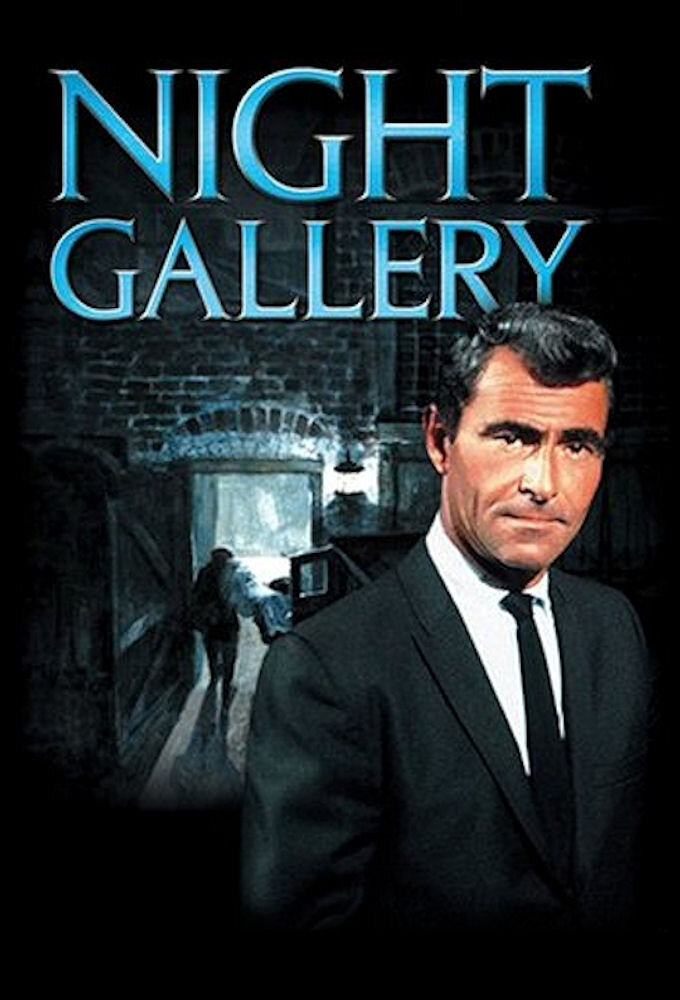
Night Gallery1969
Rod Serling's follow-up to Twilight Zone, leaning harder into horror. Visually inventive and sometimes genuinely unsettling, with the same episodic structure and taste for the macabre that appeals to Poltergeist fans.
But It's theatrical and sometimes overwrought. The tonal consistency isn't always there—some episodes feel silly in ways that undercut the scares.
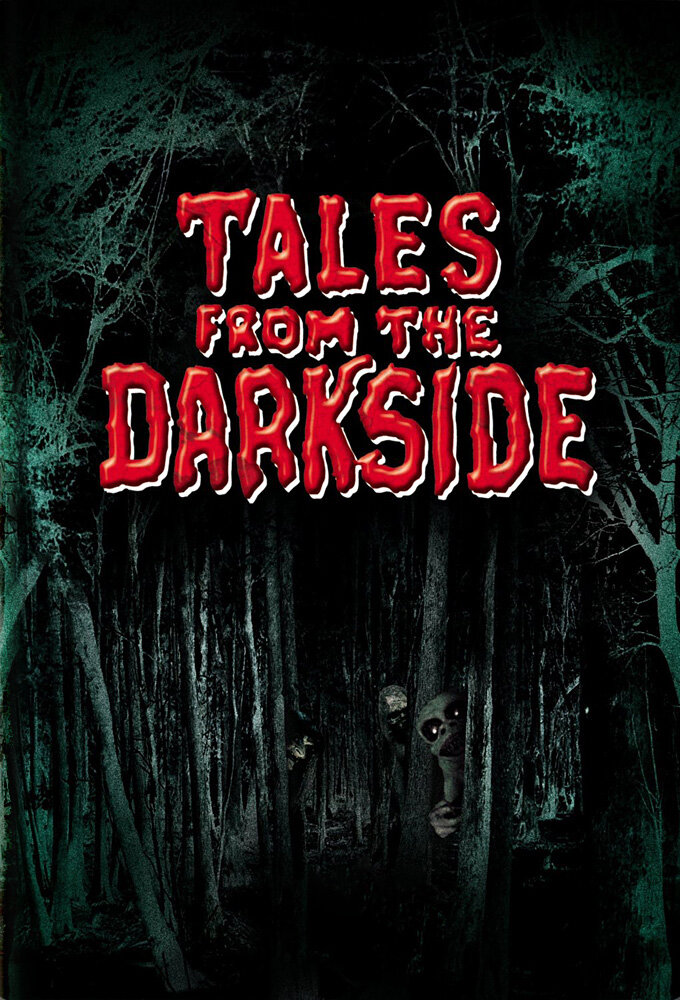
Tales from the Darkside1984
Anthology horror with a gift for the genuinely creepy. Stories range from folklore-based terror to psychological nightmare, and the show respects both the form and its audience's intelligence.
But Being an anthology, there are misses. Some episodes are ropey, and the production values vary wildly from segment to segment.
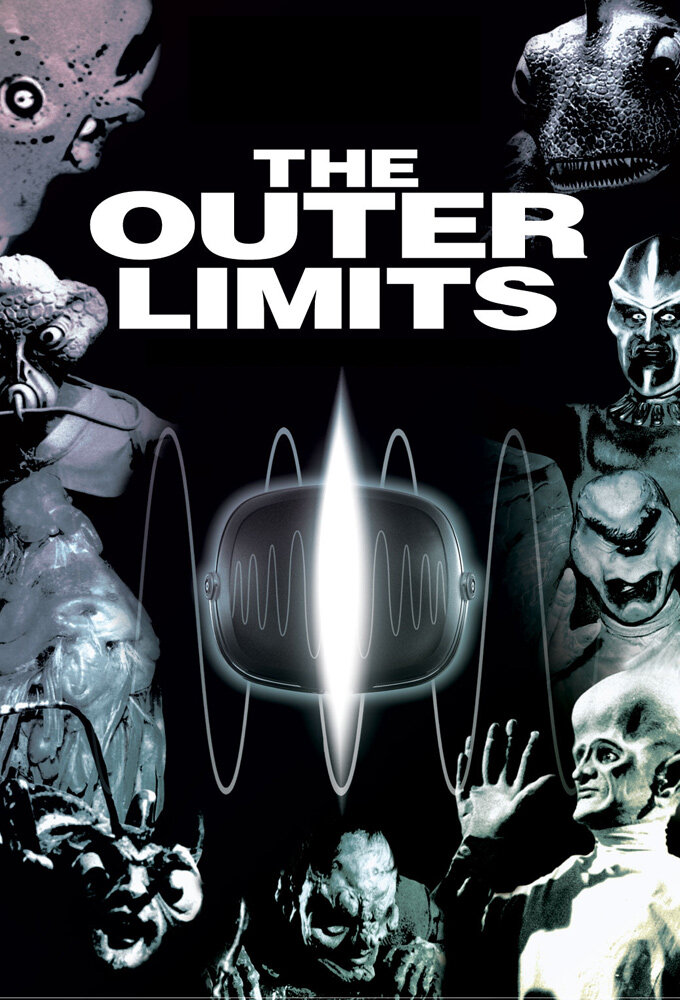
The Outer Limits1963
Sixties science fiction and horror that looks like nothing else on television. The design, the music, the commitment to genuine strangeness—it's eerie and ambitious in equal measure, with better writing than its reputation suggests.
But The effects are extremely dated, and some episodes lean too hard on sci-fi technobabble. It's also inconsistent in quality across its two-season run.
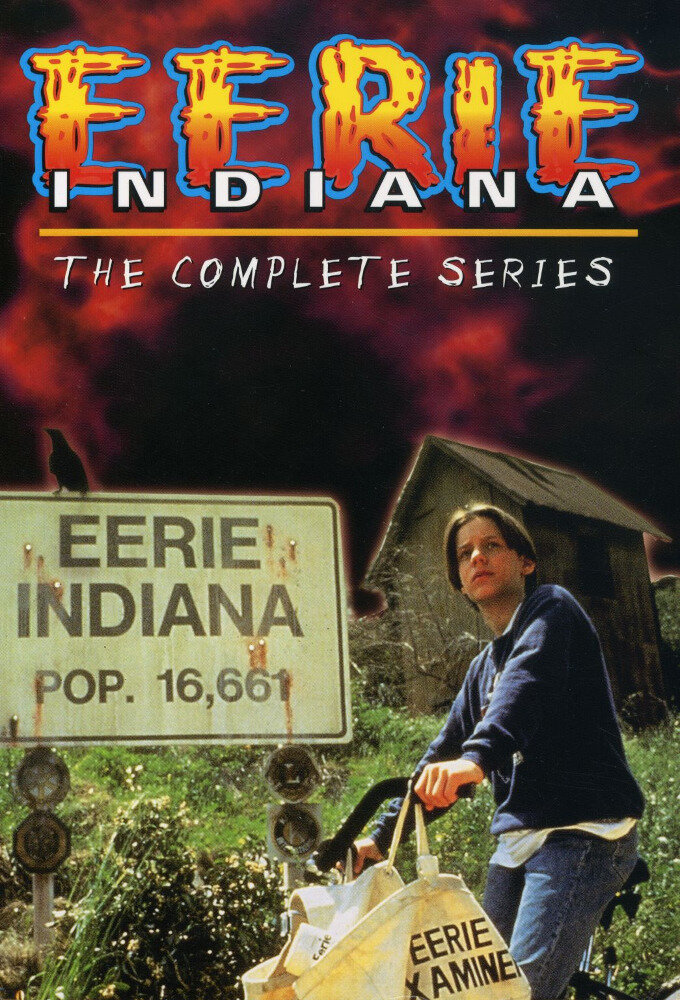
Eerie, Indiana1991
A teenager discovers his Midwestern town is a nexus of the supernatural and paranormal. It's gentler than Poltergeist but shares the same affection for the weird lurking under suburban surfaces, with real charm and some genuinely clever concepts.
But It was cancelled after one season for low ratings. The single-season structure means it doesn't build mythology the way Poltergeist does, and it leans young in its sensibility.
Ultraviolet1998
Both pit organized, professional teams against supernatural threats they can document and study. But Ultraviolet strips away everything except the hunt itself—no mansion, no artifacts, just competent people and genuine horror. It's the inverse of Poltergeist's cozy house-full-of-dangerous-things premise applied to a much darker register.
A unit of investigators hunts vampires hidden in modern London. It's six episodes of lean, visceral storytelling with a documentary-style visual approach and a script that trusts the viewer completely. Graphic, smart, and genuinely frightening in ways that feel earned rather than engineered.
But It's British television from 1998, which means a different pacing and aesthetic entirely. The miniseries format offers no room for the kind of episode-by-episode development that Poltergeist gives you, and it ends on an intentional note of ambiguity that some find frustrating.
People
Cast




Writing
- Richard Barton LewisCreator