Television series
Ultraviolet
Other titles called Ultraviolet: the 2006 film.
Ultraviolet is a 1998 British sci-fi drama about a secret government task force that hunts vampires with modern weaponry and clinical precision. It's tense, clever, and grounded—vampires here aren't Gothic romance but biological threats requiring carbon bullets and ultraviolet detection. For anyone who wants vampire fiction that respects intelligence over spectacle.
If you liked this
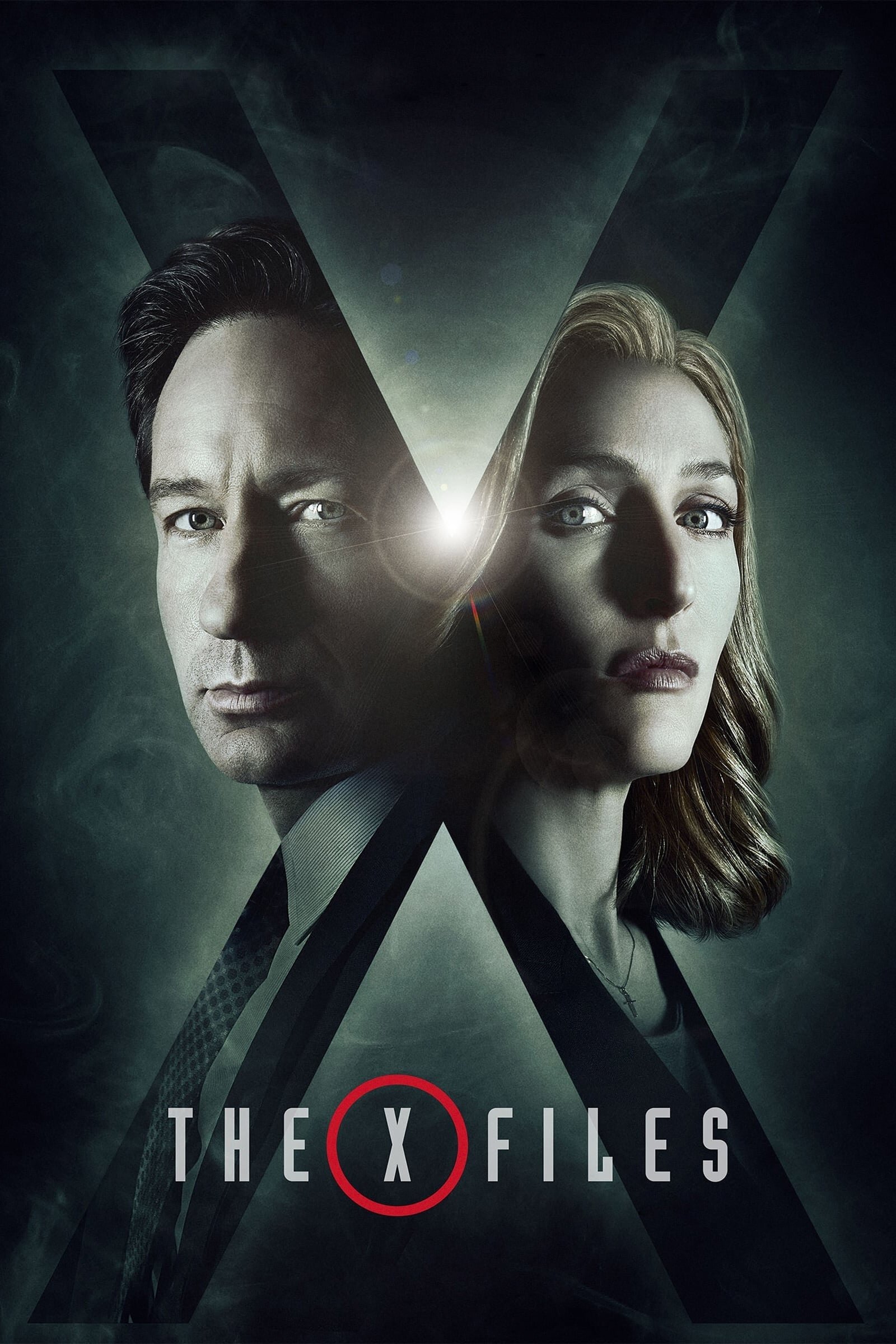
The X-Files1993
Procedural paranoia with the same tone: a small team investigating supernatural threats the government wants hidden, blending hard science with genuine dread. Mulder and Scully's dynamic mirrors the CIB's mix of belief and skepticism.
But Nine seasons is a commitment, and the mythology arc gets messy. Some episodes feel filler even by '90s standards.
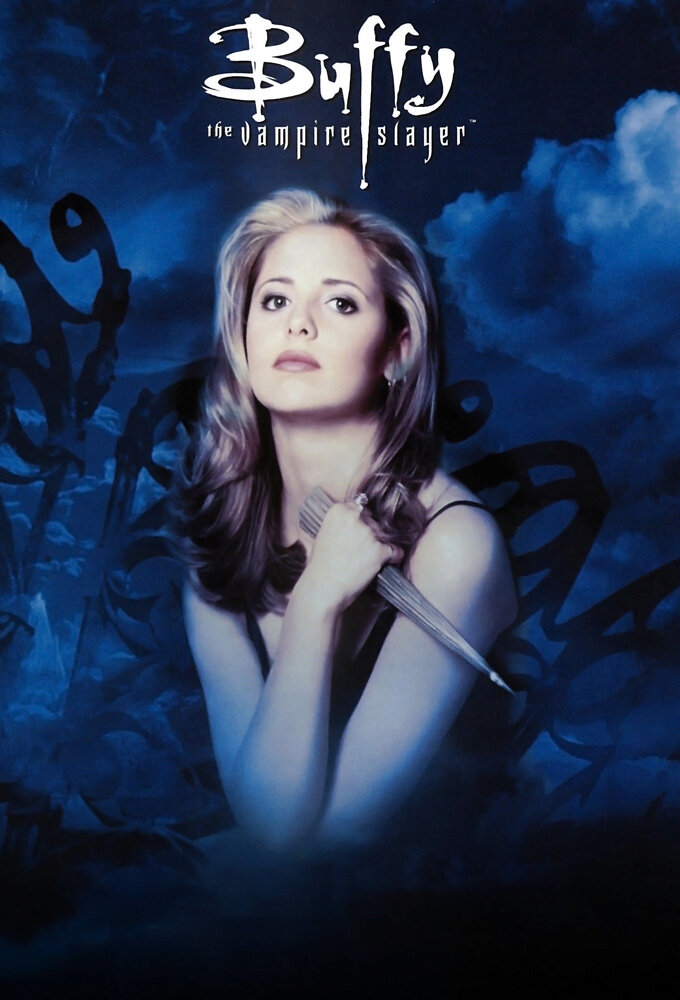
Buffy the Vampire Slayer1997
The obvious reference point: ensemble monster-hunting with wit and emotional stakes. But where Buffy leans supernatural, Ultraviolet treats vampires as a tactical problem. Both nail the cost of this work on the hunters.
But Buffy's tone shifts radically across seasons and can feel campy where Ultraviolet stays cold. Different beast entirely, even if they hunt the same prey.
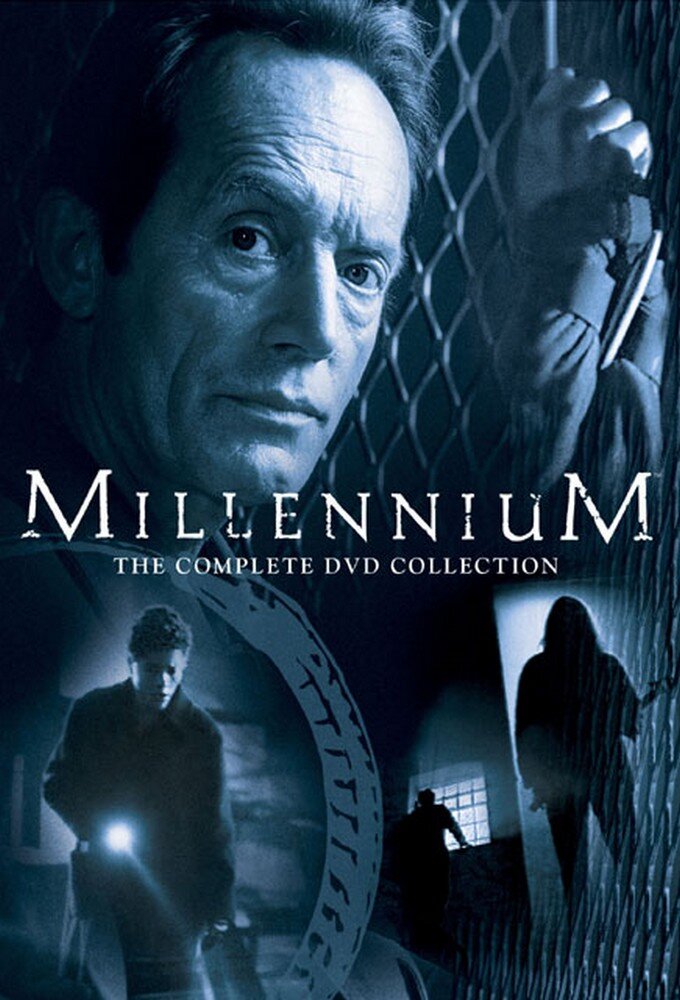
Millennium1996
Chris Carter's other '90s series, even darker than X-Files. A profiler haunted by what he's seen, working for a secretive organization against hidden evils. Same dread, same sense of being trapped in someone else's war.
But It's relentlessly bleak and doesn't always earn the heaviness. The mythology becomes deliberately impenetrable by season three.
Not sure tonight? Get a pick in a minute, starting from Ultraviolet
The wildcard
Something you would not have found on your own.
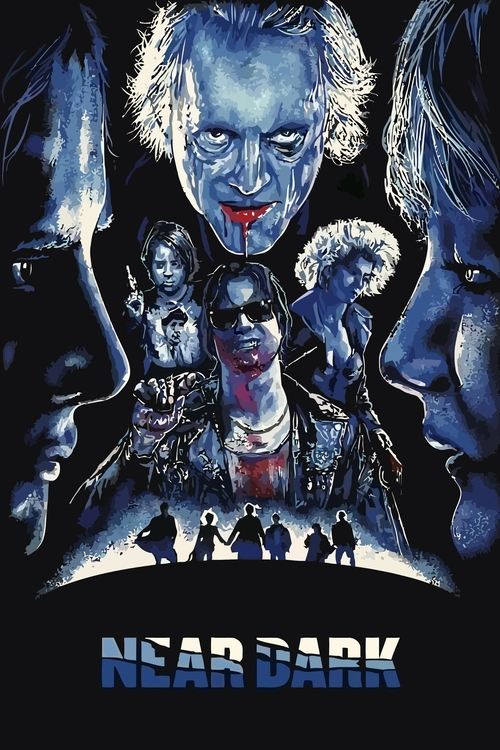
Near Dark1987
Both strip vampire mythology down to function—what they are, what they do, how you stop them—and find tragedy in the mechanics.
Kathryn Bigelow's masterpiece: vampires as a drifting clan of killers, treated with documentary realism and terrible tenderness. No mythology, no explanation—just predators and the costs of being one. Same hardness as Ultraviolet, achieved through cinema rather than budget.
But It's bleak and violent in ways that feel personal rather than spectacular. The final act shifts tone in a way some find unsatisfying.
More like this (7)
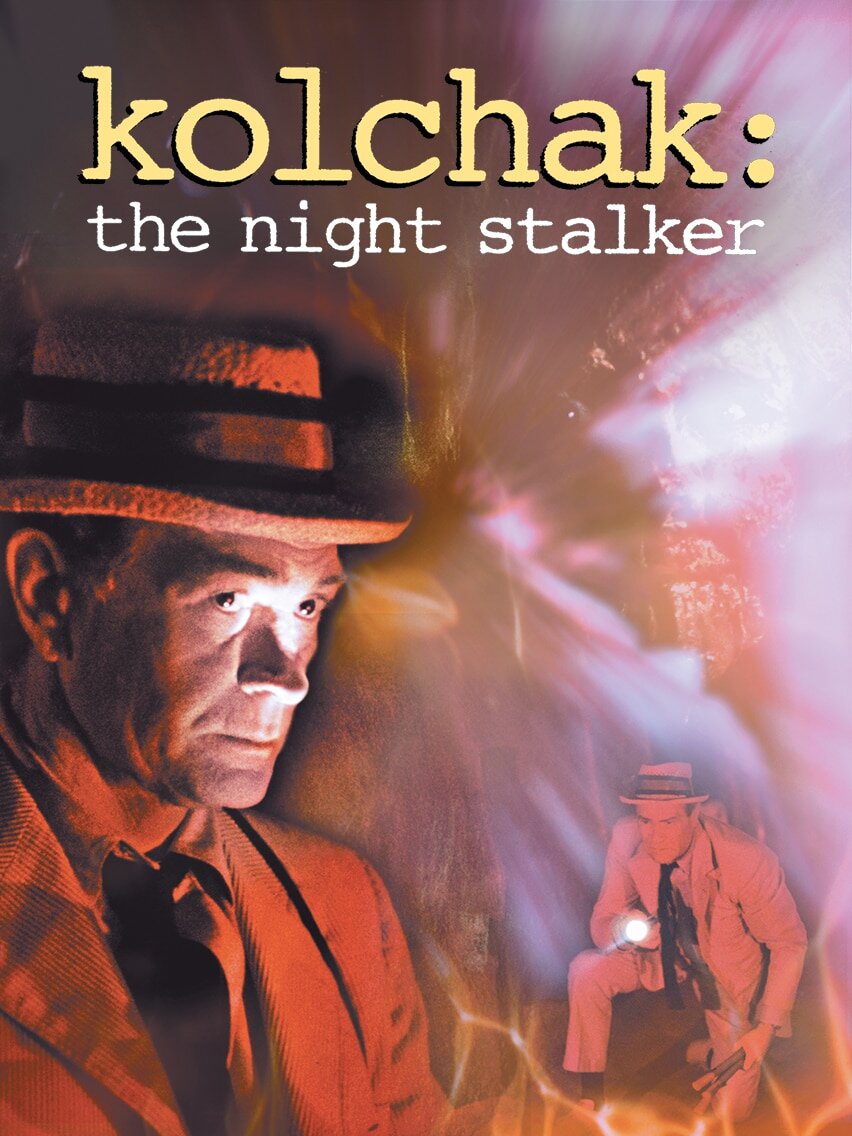
Kolchak: The Night Stalker1972
A journalist investigating the paranormal week to week, backed by a skeptical institution. The spiritual ancestor of everything Ultraviolet does—treating horror as procedural investigation rather than spectacle.
But It's 1974, so the production is thin and the pacing glacial by modern standards. But the writing is smart, which sustains it.
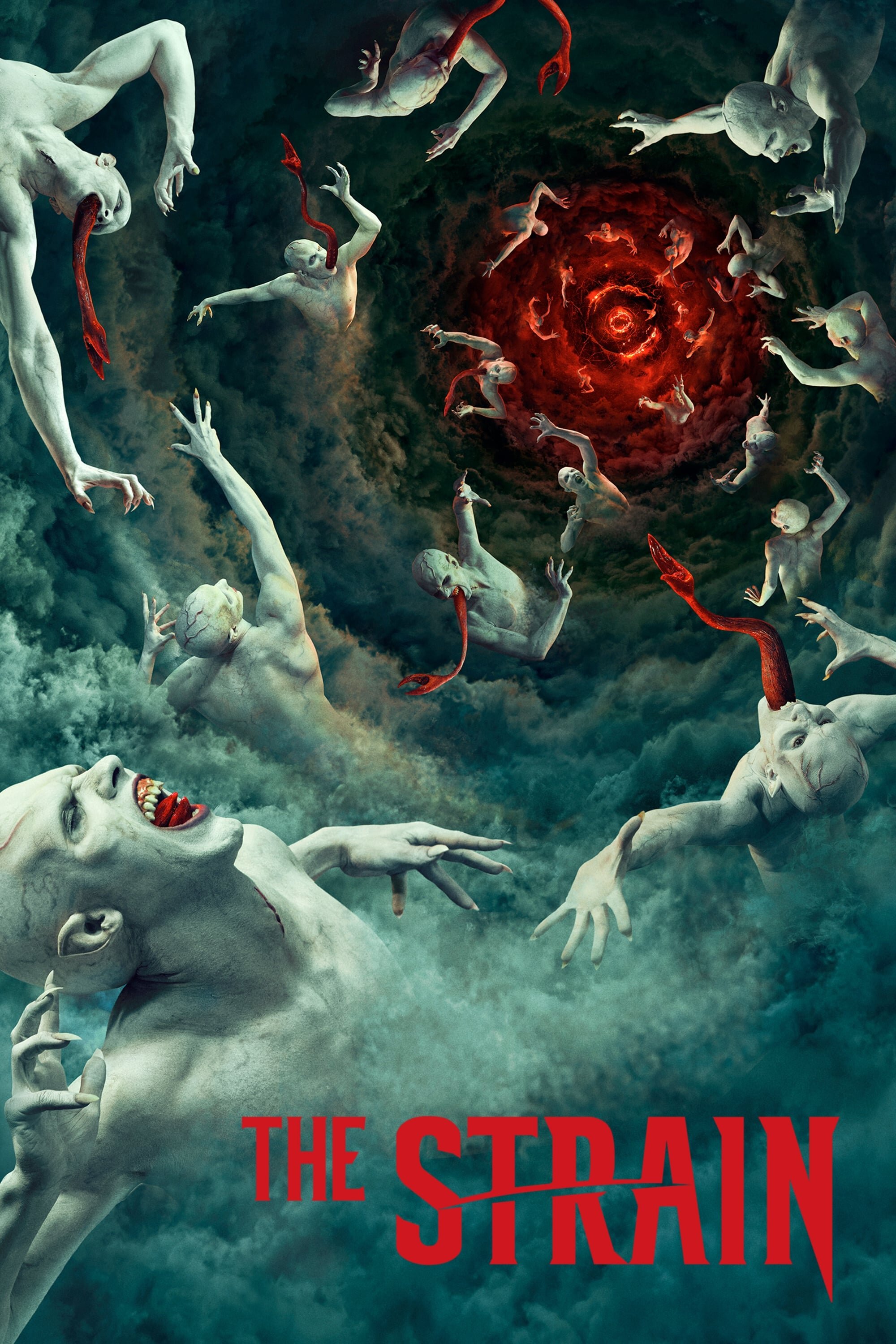
The Strain2014
Vampires as parasitic epidemic rather than aristocratic evil. A scientist, a former soldier, and others fighting a spreading infection with high-tech tools. It's Ultraviolet's DNA rewritten as blockbuster horror.
But The first season is excellent; everything after gets increasingly incoherent and veers into melodrama that kills the tension.
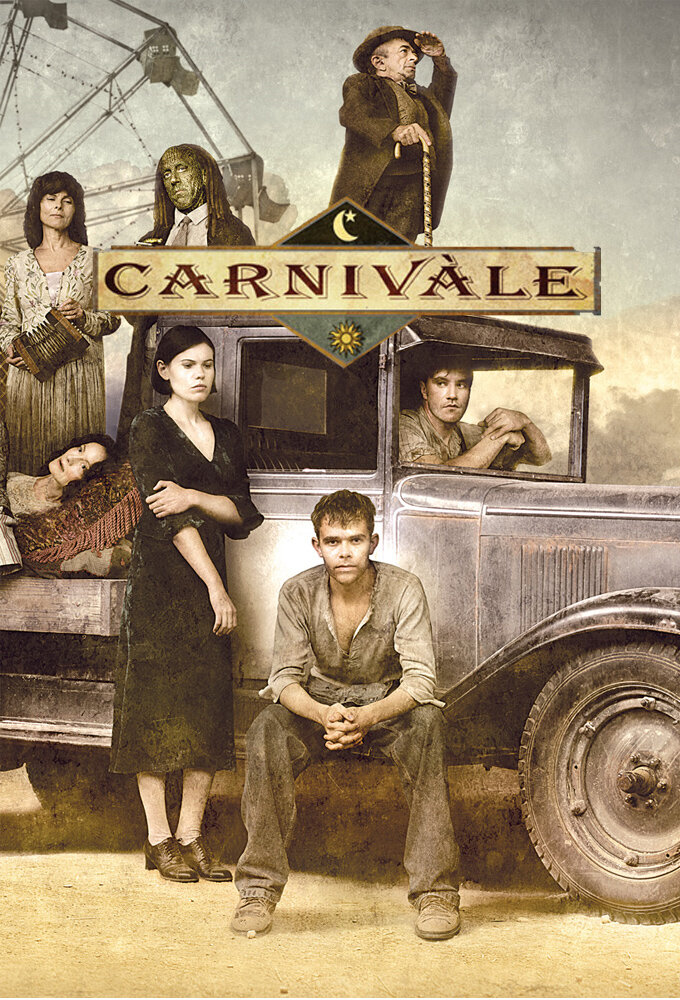
Carnivàle2003
Atmospheric, baroque, structured around hidden conspiracies and the supernatural bleeding into the mundane. It trusts its audience and builds dread through atmosphere rather than jump scares.
But Only two seasons and it ends on cliffhangers. The pacing is deliberate to the point of frustration for some viewers.
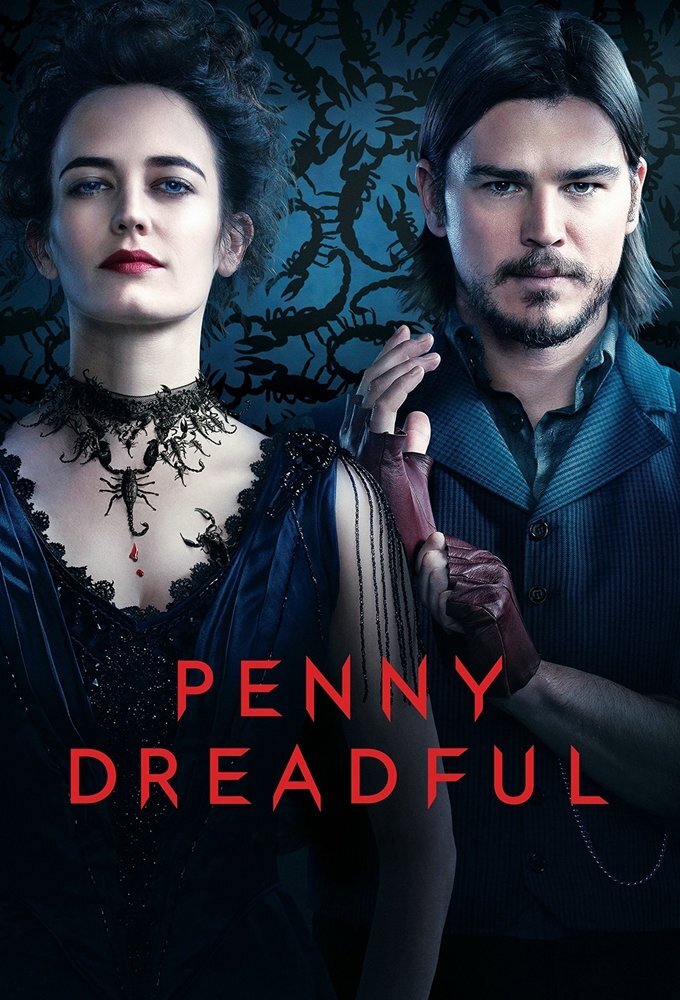
Penny Dreadful2014
Gothic horror treated with literary seriousness and psychological depth. A team of damaged people fighting monsters while wrestling with trauma and belief. Sumptuous and intelligent.
But It's wilfully baroque and sometimes sacrifices plot for atmosphere. Season two loses focus; season three feels truncated.
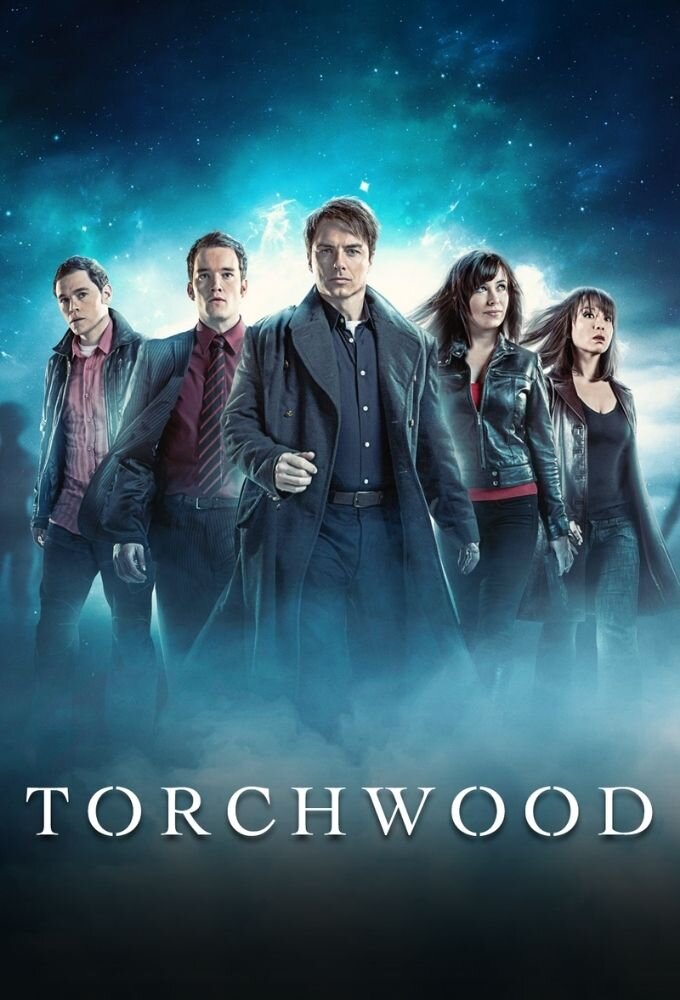
Torchwood2006
A covert team investigating alien and supernatural threats in Cardiff. It shares Ultraviolet's tone of grim professionalism—these people are effective because they've stopped being shocked by anything.
But Uneven in quality and sometimes tries too hard for controversy. It works best in short bursts rather than watched straight through.
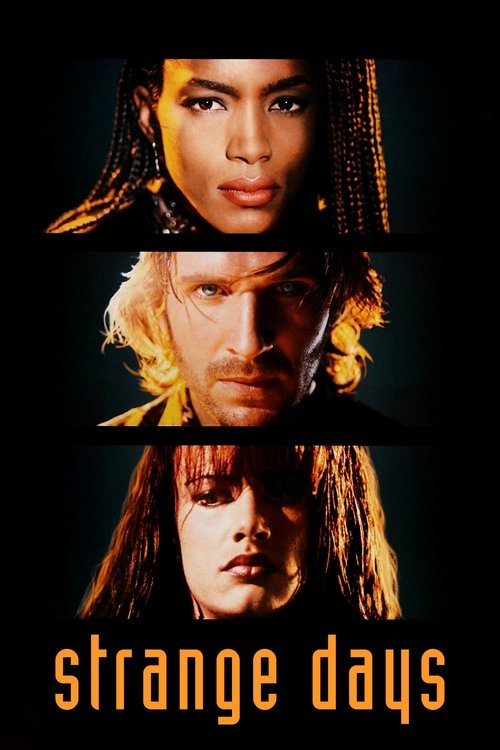
Strange Days1995
Cyberpunk paranoia and surveillance anxiety wrapped around a mystery about hidden bodies and institutional cover-up. It has Ultraviolet's intelligence about technology being used to hide uncomfortable truths.
But Nearly three hours, densely plotted, and the '90s future-wear looks dated now. Requires active attention.
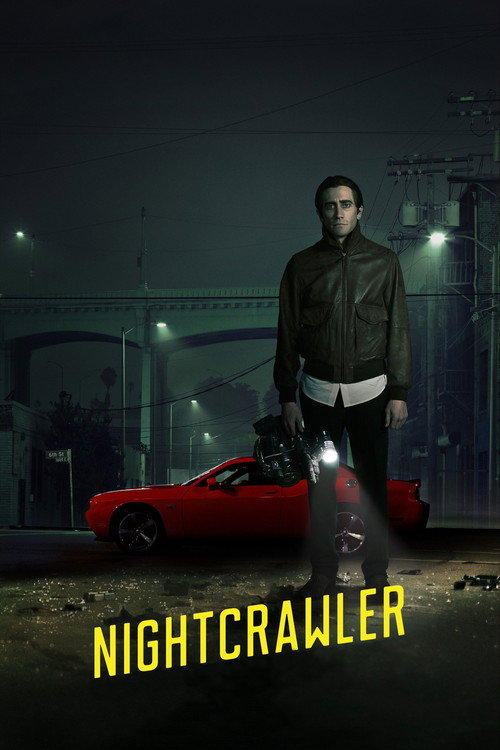
Nightcrawler2014
Both are fascinated by how institutional failure enables predators to thrive—how the systems meant to catch monsters are designed to look away.
A lone predator operating beneath the city's surface, invisible to those around him, while institutions fail to see the danger in plain sight. It has Ultraviolet's DNA: the mundane infrastructure that hides horror, and the people who profit from not looking too closely.
But Jake Gyllenhaal's character is repellent and never redeemed. It's a character study of a sociopath, not a thriller about stopping one.