
Film
Compound Fracture
A paranoid prepper's compound becomes a nightmare when his son visits with his fiancée and nephew, only to discover the father's descent into dementia has filled the house with occult symbols and inexplicable horrors. Compound Fracture blends home-invasion dread with psychological unease, asking whether the fortress meant to protect them has become their prison. It's for viewers who find creeping dread more unsettling than jump scares.
If you liked this
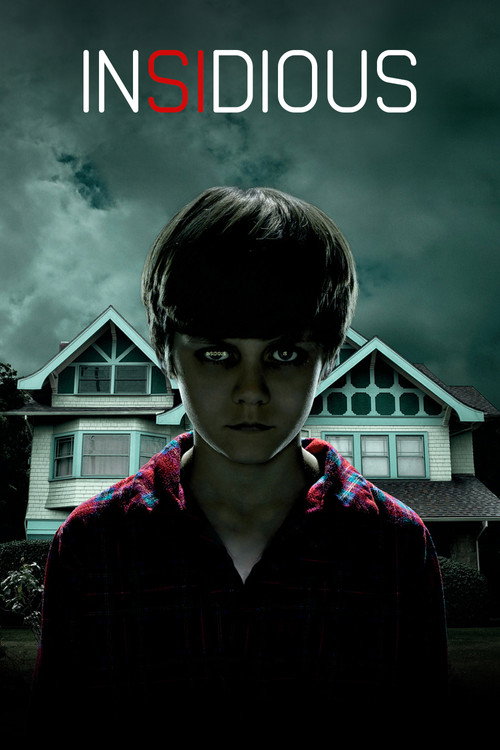
Insidious2011
James Wan masters the art of slow-building supernatural terror in a family home. The atmosphere creeps under your skin before anything explicitly horrifying happens, much like Compound Fracture's mounting unease.
But The sequels diluted what made the original special, and if you've seen them, the twist feels obvious rather than devastating.
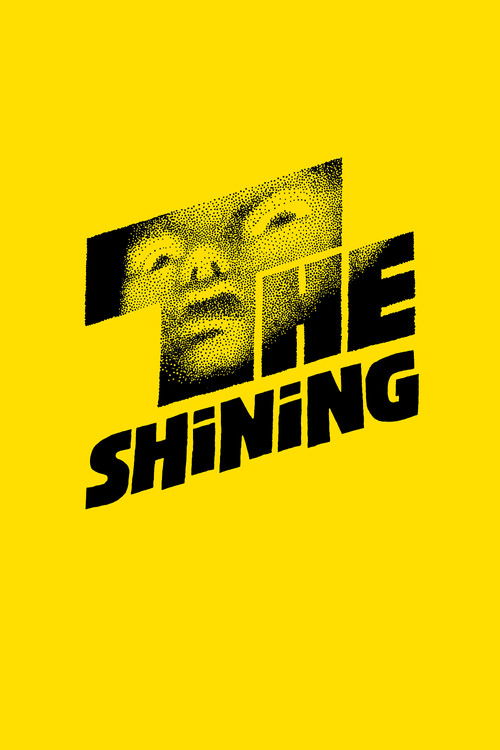
The Shining1980
Kubrick's masterpiece explores isolation, paranoia, and the way a space—meant to be safe—becomes a character of its own. Both films trap families in claustrophobic settings where something fundamental has rotted inside.
But It's deliberately paced and demands patience. Some find it cold rather than frightening; others find three hours excessive for what amounts to a man losing his mind.
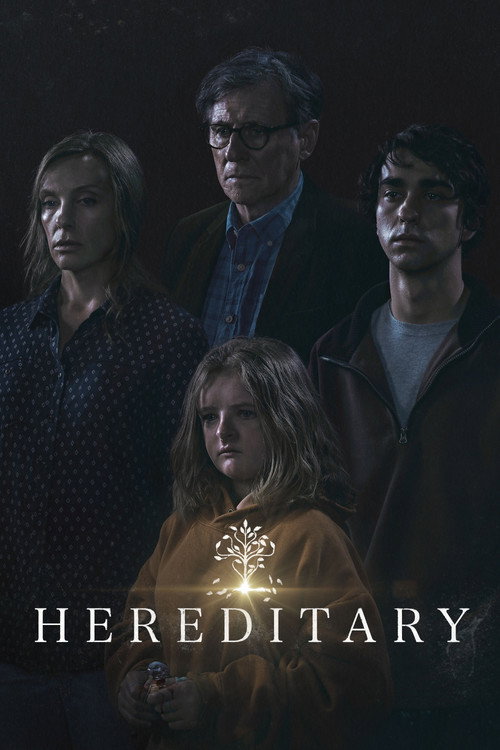
Hereditary2018
Ari Aster builds genuine dread from family dysfunction and inherited trauma. Like Compound Fracture, it suggests that sometimes the horror isn't external—it's already living in the house with you.
But It's bleak and unsparing about grief. The third act divides viewers sharply; some find it transcendent, others feel punished for watching.
Not sure tonight? Get a pick in a minute, starting from Compound Fracture
The wildcard
Something you would not have found on your own.
Come and See1985
Both films understand that the most credible horror isn't supernatural—it's watching someone you love become a stranger, and realizing the walls that were meant to protect you have become a tomb.
Elem Klimov's Soviet masterpiece about childhood destroyed by war uses body horror, sound design, and mounting psychological devastation to render innocent people unrecognizable to themselves. Like Compound Fracture, it asks: what does safety mean when the threat has rotted from inside the family unit?
But It's a 142-minute chronicle of unrelenting human degradation. Not horror in the conventional sense, but more genuinely disturbing than almost anything made since.

More like this (7)
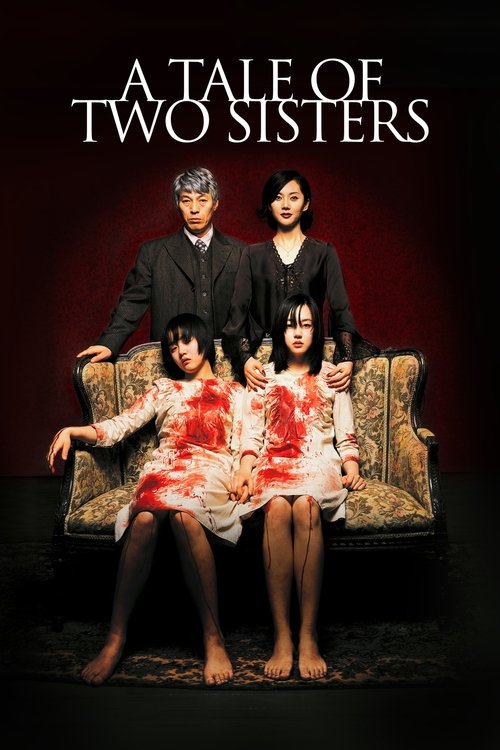
A Tale of Two Sisters2003
This Korean psychological horror wraps domestic abuse and mental illness in a supernatural wrapper. The ambiguity about what's real mirrors Compound Fracture's collapse of reliable reality within a family home.
But It's deliberately cryptic and rewards rewatching—which means a first viewing can feel frustratingly opaque.
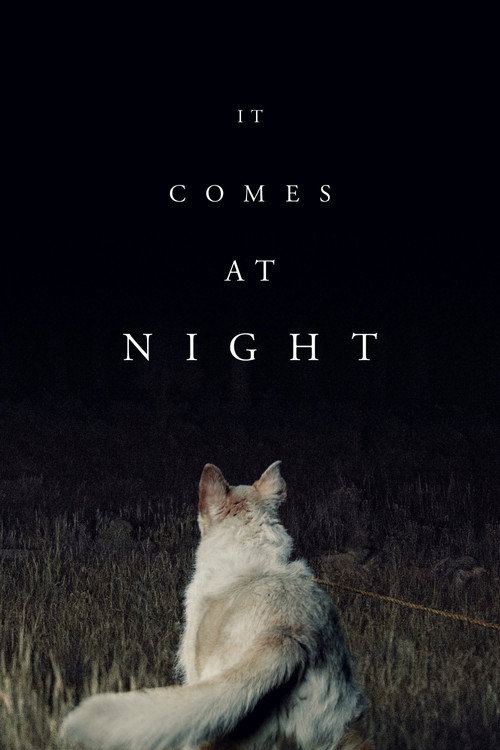
It Comes at Night2017
Isolation, paranoia, and the disintegration of trust in a confined space. Trey Edward Shults creates unbearable tension from what people *think* is happening rather than what is.
But Deliberately withholding and deliberately slow. If you want clear answers or traditional scares, you'll spend the runtime frustrated.
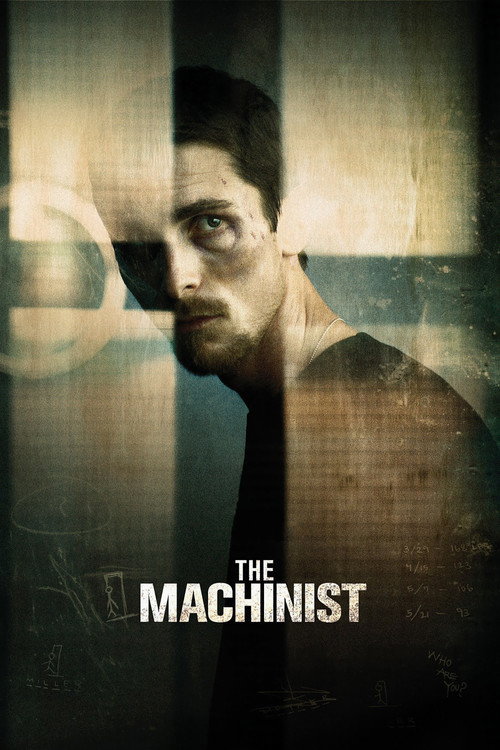
The Machinist2004
Christian Bale's skeletal, insomniac protagonist fractures mentally as his grip on reality splinters. It shares Compound Fracture's interest in how dementia and psychological break blur the line between real and imagined horror.
But It's punishing to watch—bleak, nauseating in its specificity, and designed to make you feel as damaged as the main character.
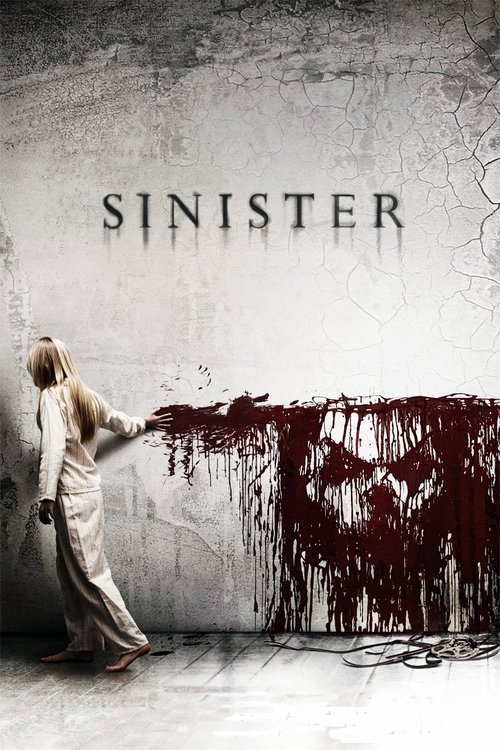
Sinister2012
Scott Derrickson's film traps a writer and his family in a house haunted by something they gradually realize is far worse than they imagined. The found-footage sequences are genuinely disturbing in a way that sticks.
But Relies on jump scares more than Compound Fracture does, and the central gimmick—watching old crime footage—is more exploitative than some can stomach.
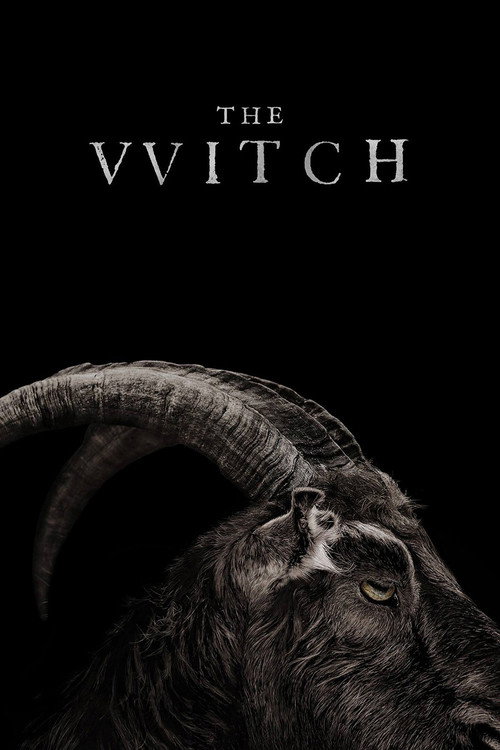
The Witch2016
Robert Eggers creates paranoia and distrust within a family isolated on a New England homestead. Like Compound Fracture, it captures the slow-motion horror of watching a family come apart from the inside.
But The dialogue is period-authentic early modern English, which many find either immersive or impenetrably tedious.
Martyrs2008
This French-Canadian film explores trauma, obsession, and the way the past intrudes violently on the present. Both films understand that sometimes the real horror is what people do to each other in the name of safety or belief.
But It's graphically violent and morally uncompromising. Not recommended if you need your horror to offer catharsis or moral clarity—this is punishment.

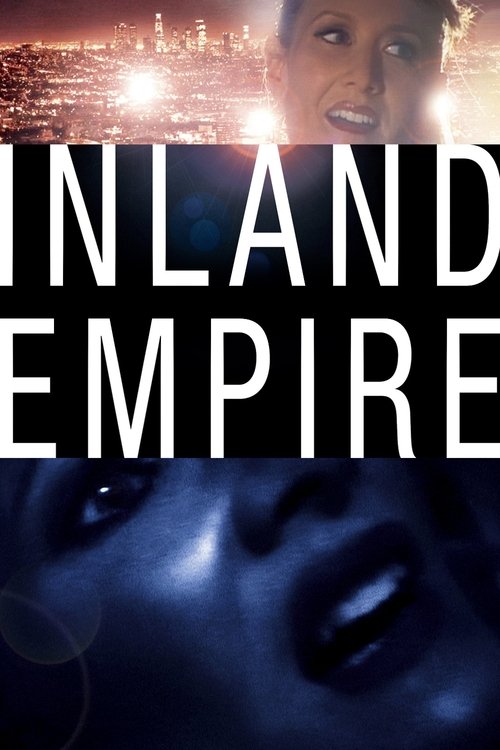
Inland Empire2006
Both films suggest that horror lives in the collapse between what you think is real and what actually is—and that sometimes the mind itself is the compound that fractures.
David Lynch's three-hour nightmare collapses the boundary between actor and character, reality and performance, home and uncanny space. It's about how your own mind becomes the most dangerous haunted house. The disorientation and unreliable perception match Compound Fracture's existential dread, but from the opposite end of ambition.
But It's deliberately incoherent, shot digitally on mini-DV (which looks terrible by intention), and structured to frustrate linear thinking. Many who love Lynch find even this impenetrable.
People
Cast
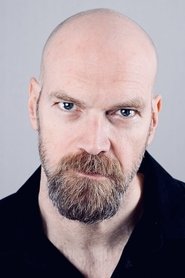 Tyler ManeMichael Wolffsen
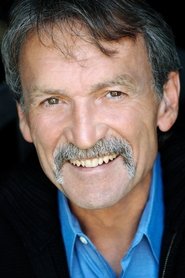 Muse WatsonGary Wolffsen
 Derek MearsWilliam
 Leslie EasterbrookAnnabelle
- Renae GeerlingsJuliette
 Alex SaxonBrandon
 Susan AngeloChloe
 Jelly HowieChristine
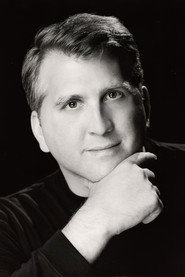 Daniel RoebuckSecurity Guard (Jim)
 Todd FarmerSecurity Guard (Jack)
Directing
- Anthony J. Rickert-EpsteinDirector
Writing
- Renae GeerlingsWriter
- Tyler ManeWriter