
Film
Amityville II: The Possession
- Haunted-house horror
- Fantasy
- Very dark
A 1982 possessed-house sequel that ditches the original's restraint for operatic despair. Anthony Montelli is an abusive tyrant; his family is tormented by a demon that feeds on their dysfunction; a priest arrives to fight both. It's grotesque, earnest, genuinely upsetting—less a horror film than a document of a marriage and household eating itself alive.
If you liked this
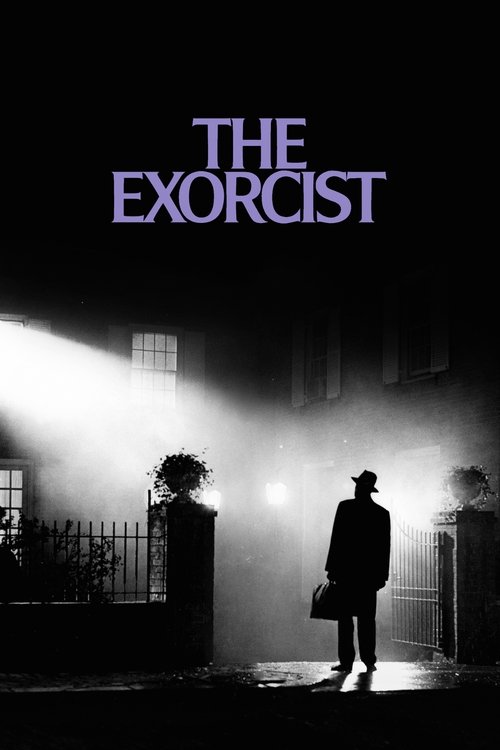
The Exorcist1973
The definitive possession film, perfected: a girl's body becomes a battlefield, a priest's faith becomes his weapon, and evil is patient. Set the template that Amityville II tries to amplify.
But The original's power has calcified into cultural artifact. You may have absorbed it already without watching it. Nearly three hours.
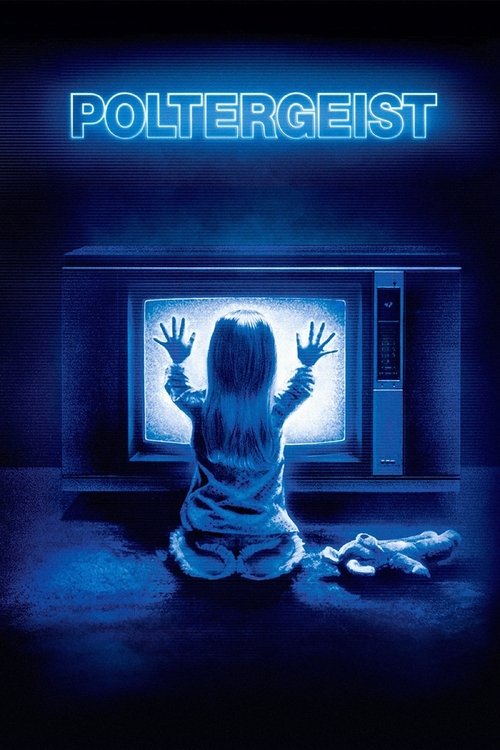
Poltergeist1982
Released the same year, equally unafraid of family horror. A house haunts everyone in it; the family's own grief and anger are the real curse. Spielberg-produced, so it has more technical polish and heart.
But Lighter in tone—this is the crowd-pleaser version of the possessed-house story. If you want more devastation than spectacle, you'll feel the compromise.
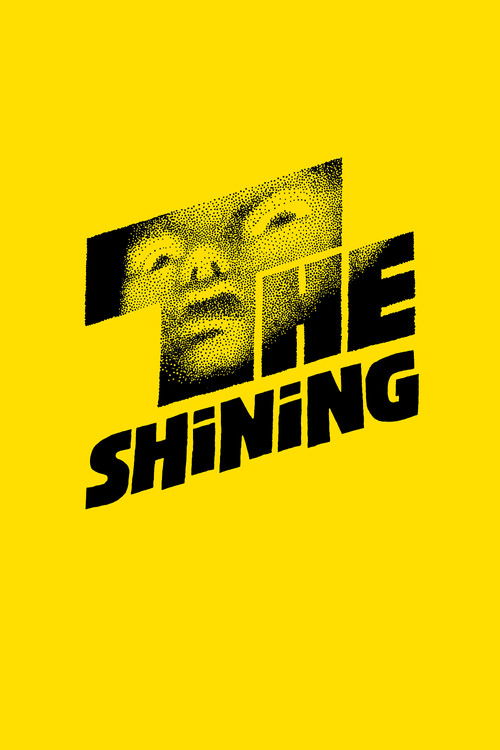
The Shining1980
A house that wants to break its family. Kubrick transforms King into something colder and more architectural; isolation, abuse, and supernatural dread become indistinguishable. A masterpiece.
But Deliberately glacial pacing. The terror lives in the spaces between events. Requires patience and multiple viewings to unlock.
Not sure tonight? Get a pick in a minute, starting from Amityville II: The Possession
The wildcard
Something you would not have found on your own.
The Seventh Seal1957
Both films set evil or damnation loose in a family or household. But Bergman literalizes it as death itself arriving to collect; Montelli shows us how ordinary abuse becomes demonic when it compounds. One is cosmic, one is domestic, but both ask: what does it mean to live under a sentence?
Death visits a knight; they play chess for his life; around them, plague, madness, and faith collapse. Bergman photographs the end of the world as intimate moral reckoning. No horror film has more gravitas.
But Black-and-white, subtitled, philosophical. Zero jump scares. If you watch horror for adrenaline rather than existential weight, this is the opposite direction.

More like this (8)
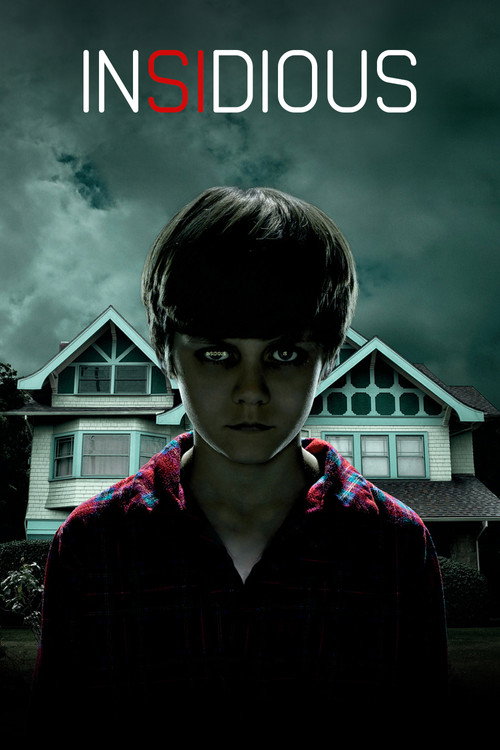
Insidious2011
A family's son falls into a coma and vanishes into another dimension. Visceral scares, a sense of genuine wrongness, and a willingness to go into genuinely bleak territory. James Wan at peak form.
But Relies heavily on jump scares and synthesizer stabs. Some will find it manipulative rather than earned. The sequels are a steep drop in quality.
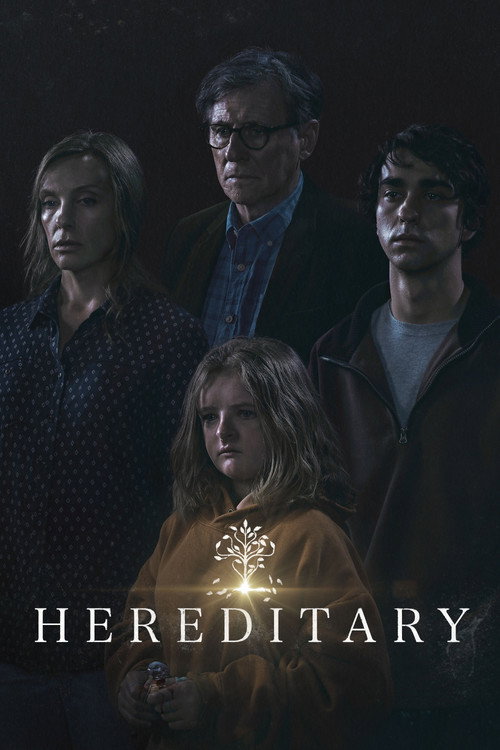
Hereditary2018
A family curse unfolds across generations. Grief, inheritance, and uncontrollable rage twist into something supernatural and catastrophic. Ari Aster crafts dread without giving you the mercy of clarity.
But Genuinely bleak with no catharsis. Toni Collette's performance is so raw it can feel less like a film and more like witnessing suffering. Not a crowd-pleaser.
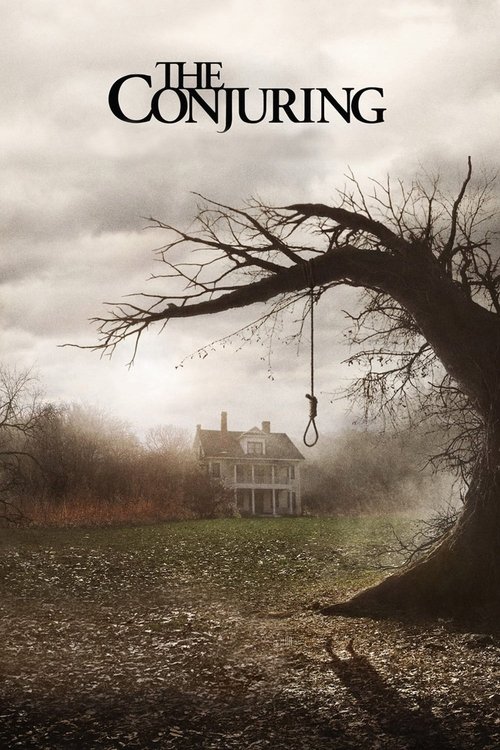
The Conjuring2013
James Wan's crowd-pleasing possessed-house film. Expertly constructed scares, a family to root for, paranormal investigators with chemistry. A reminder that classical horror structure still works.
But Essentially a greatest-hits reel of haunted-house tropes. If you've seen the subgenre before, you'll predict most beats. Intentionally safe.
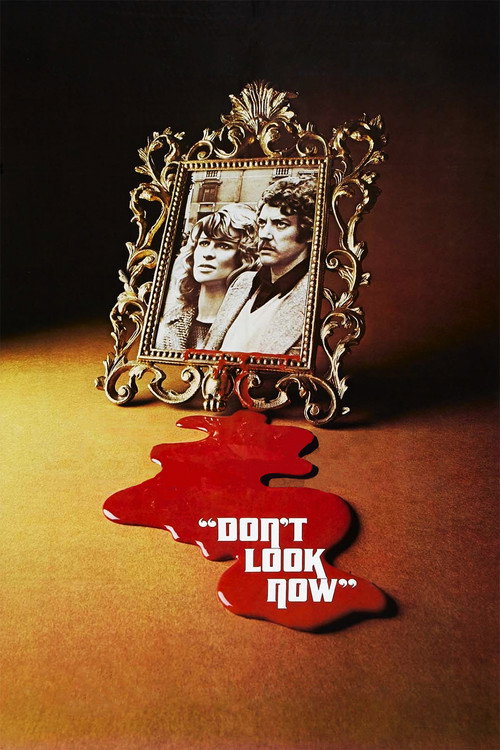
Don't Look Now1973
A couple in Venice after losing their daughter encounter two psychics who seem to know what they don't. Roeg scrambles time and geography; dread accumulates in the camera's gaze. Deeply unsettling.
But Structurally complex—you'll need to pay attention and likely rewatch. No monsters, no gore, just the slow realization that something is wrong.
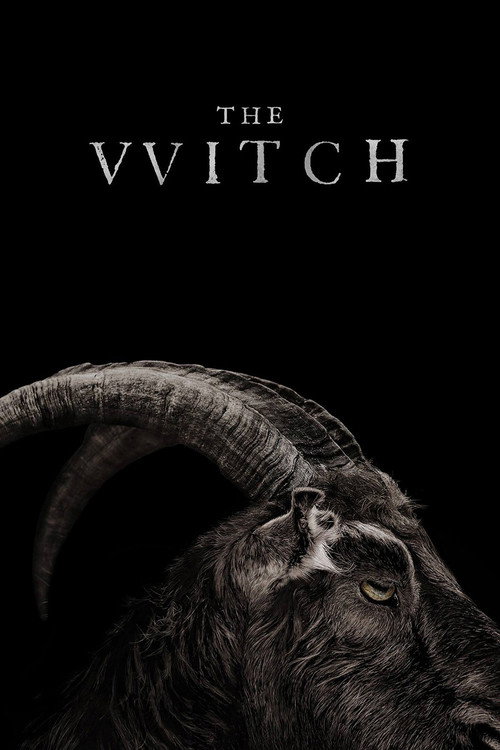
The Witch2016
A Puritan family splinters when something inhuman moves into their clearing. Folk-horror atmosphere, authentic period detail, and a belief in witchcraft that feels lived rather than performed. Deeply American dread.
But Slow-burn with minimal dialogue; shot in natural light and rain. If you need immediate plot momentum or clear scares, this will frustrate you.
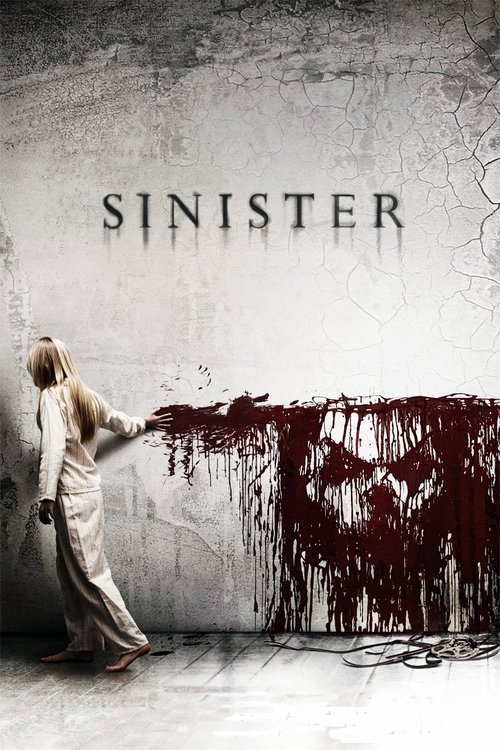
Sinister2012
A true-crime writer discovers footage of families being murdered in the house where he now lives. Minimalist, architecturally smart, and commits fully to images that stay with you. One of the 2010s' best.
But The final act pivots toward supernatural action beats. Some find it a step backward from the slow dread that comes before it.
Come and See1985
Both films find horror in ordinary family collapse under pressure—one supernatural, one historical. But Come and See reminds us that the scariest thing isn't the demon: it's how easily people become its instrument. Amityville II shows a family breaking; Come and See shows what breaking looks like on a civilizational scale.
A Soviet boy joins partisans during WWII and watches everything he loves become ash. Klimov refuses metaphor: this is what happens when you remove the rules. Shattering, essential, absolutely real.
But Graphic violence, child trauma depicted without flinching, bleak to the point of obliteration. Not a film you watch for enjoyment. Requires you to sit with horror as fact, not entertainment.

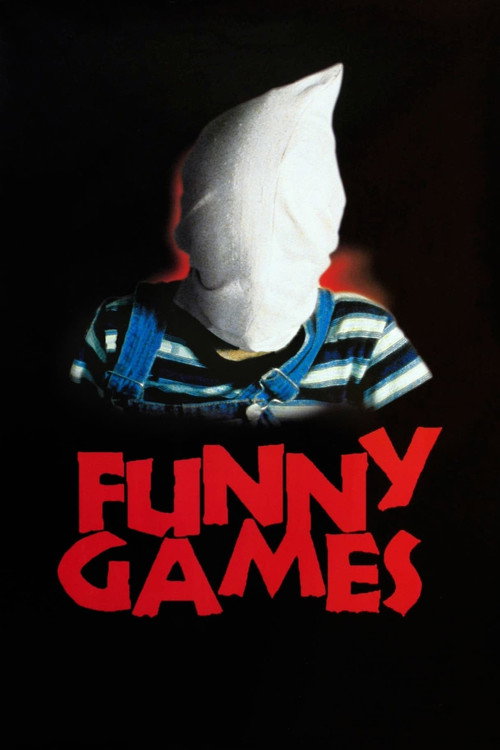
Funny Games1997
Like Amityville II, it traps a family in a house where the ordinary rules stop applying. But where Amityville II blames the demon, Funny Games asks: where does the real evil live? In the supernatural, or in the viewer who came to watch suffering? Both films understand that the house is less the problem than what happens inside it.
Two young men arrive at a family's vacation home and torture them for hours. Haneke makes a film that looks like a home-invasion thriller, then breaks its own contract with you. A meditation on violence and spectatorship that rewires your nervous system.
But Deliberately frustrating—it betrays narrative convention and refuses catharsis. Haneke is not interested in entertaining you. The violence is prolonged and intimate. Some will feel manipulated rather than enlightened.
People
Cast
 James OlsonFather Adamsky
 Burt YoungAnthony Montelli
 Rutanya AldaDelores Montelli
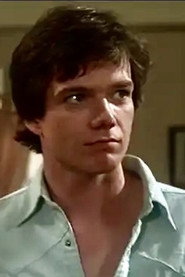 Jack MagnerSonny Montelli
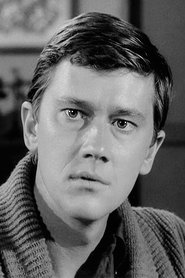 Andrew PrineFather Tom
 Diane FranklinPatricia Montelli
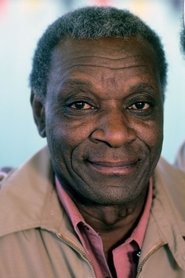 Moses GunnTurner
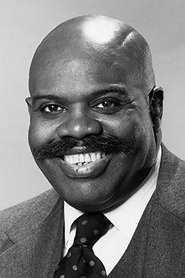 Ted RossMr. Booth
- Erika KatzJan Montelli
- Brent KatzMark Montelli
 Leonardo CiminoChancellor
 Danny Aiello IIIRemoval Man 1
Directing
- Damiano DamianiDirector
- Sheila PaigeScript Supervisor
- Aaron BarskySecond Assistant Director
- David TicotinSecond Assistant Director
Writing
- Hans HolzerBook
- Tommy Lee WallaceScreenplay
- Dardano SacchettiWriter
Production
- José López RoderoAssociate Producer
- Bernard WilliamsExecutive Producer
- Dino De LaurentiisExecutive Producer
- Jeffrey SilverLocation Manager
- Dino De LaurentiisProducer
- Ira N. SmithProducer
- Stephen R. GreenwaldProducer
- Sherri Taffel BrownProduction Coordinator
- Wendy G. GlicksteinProduction Coordinator
- G. Mac BrownProduction Manager
- Michael DryhurstProduction Supervisor