
Film
It Chapter Two
Stephen King's horror epic about childhood trauma, grown-up reckoning, and a shape-shifting evil that feeds on fear. Nearly three hours of scares, humour, and genuinely affecting scenes about the weight of memory and friendship. For anyone who loved the first film or the miniseries, and horror fans who can sit with dread longer than most.
Should you watch it?
Watch it if you like horror where the fear comes from long-buried memories and reunion banter as much as from the creature, and you're happy with a breather between scares.
Skip it if you want relentless, tight scares, since at nearly three hours its long stretches of reminiscing and clue-hunting will drag.
What it asks of you: A slow, talky build runs close to three hours, so it rewards full attention rather than half-watching while folding laundry.
Not sure? Find tonight's pick in a minute.
If you liked this
It2017
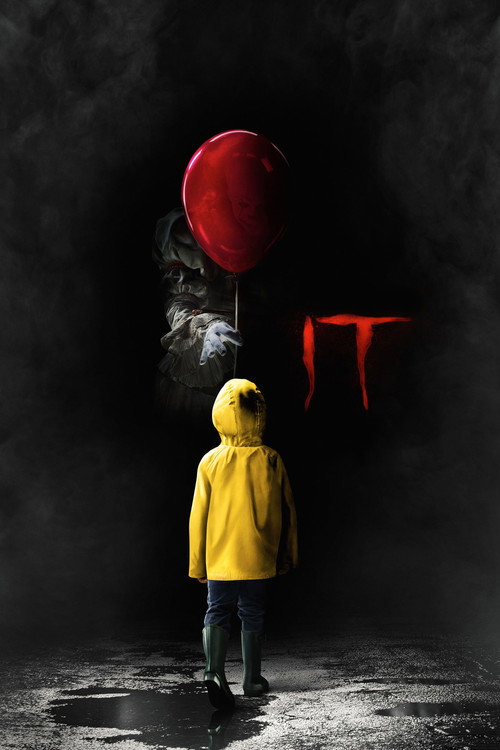
Sets up the characters and mythology perfectly. Bill Skarsgård as Pennywise is unsettling enough to linger. Essential context that makes Chapter Two land harder.
But Two and a half hours of setup means slower pacing if you're there purely for scares. The child cast overshadows some adult storylines.
Gerald's Game2017
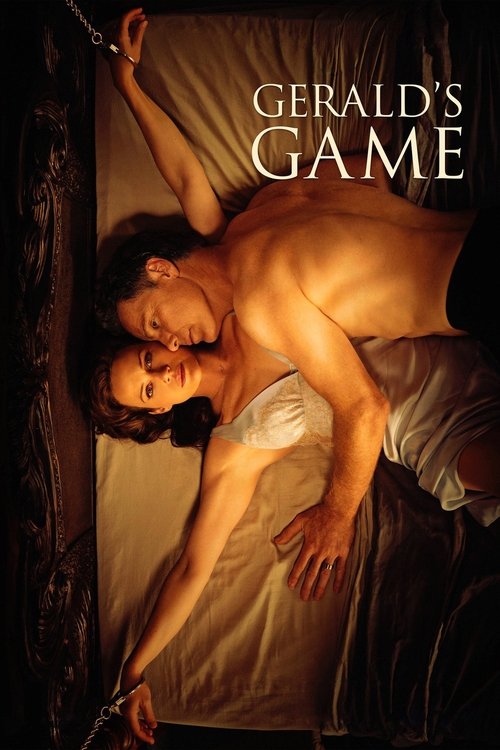
Flanagan at his peak—a claustrophobic horror film about trauma and self-reckoning that's more interested in psychology than jump scares. Genuinely disturbing.
But Very contained setting with no escape valve; some find the intimacy more oppressive than entertaining. Carla Gugino spends most of it helpless.
The Shining1980
Kubrick's masterpiece of slow-burn dread. A family alone in a hotel slowly unravels into madness. Visually perfect, conceptually perfect, utterly hypnotic.
But Moves at its own pace regardless of your mood. Some scenes feel glacial. The ending divides people sharply.
Not sure tonight? Get a pick in a minute, starting from It Chapter Two
The wildcard
Something you would not have found on your own.
Mulholland Drive2001
Both are about revisiting the past to confront what you've become. Mulholland Drive uses surrealism where It uses supernatural horror, but both films argue that the real terror is recognising yourself in the mirror.
Lynch's Los Angeles fever dream about ambition, identity, and the cost of unfulfilled dreams. Visually stunning, emotionally devastating, impossible to predict. A horror film about psychological dissolution rather than monsters.
But Deliberately enigmatic structure; no tidy resolution. Some sequences feel self-indulgent. Requires active engagement, not passive viewing.

More like this (8)
Insidious2011
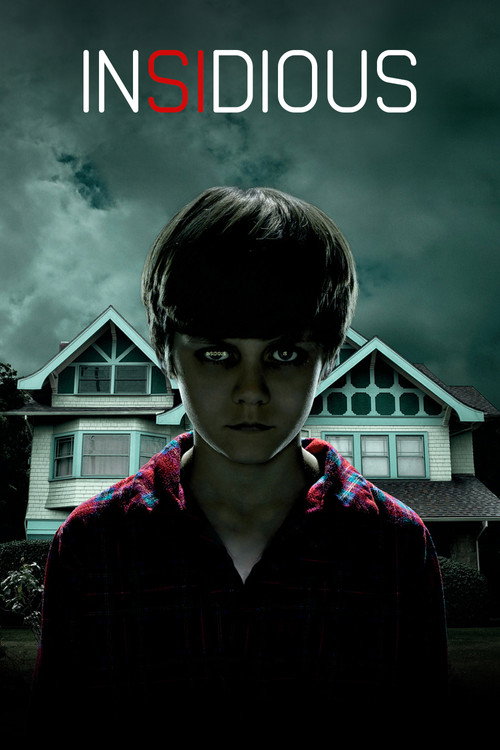
James Wan proving he understands how to build and release tension. Genuinely scary, cleverly designed scares, and a concept that stays with you.
But Budget constraints show in some effects. Once you know the twist, rewatches lose their punch.
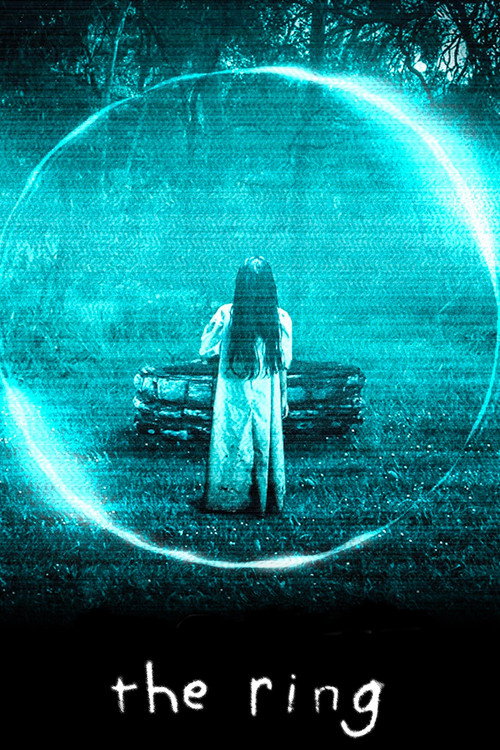
The Ring2002
The film that taught modern horror how to do slow-burn dread. Naomi Watts investigating a cursed videotape. Perfectly paced, visually inventive, genuinely unsettling.
But 2002 technology dating the premise. Some scenes feel overwrought by today's standards.
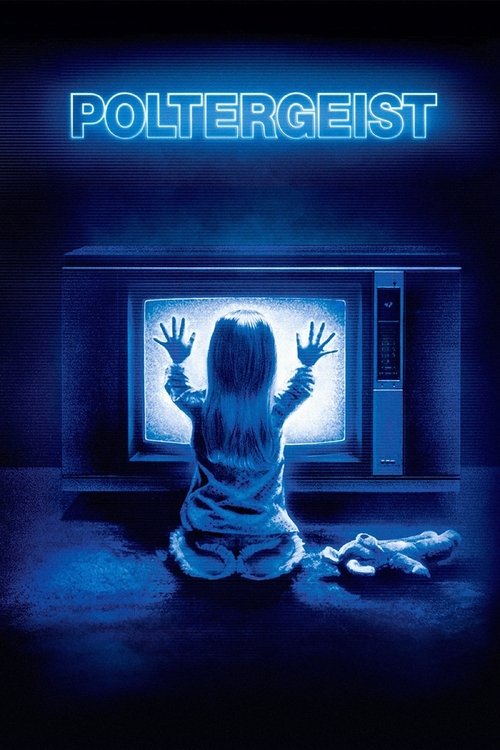
Poltergeist1982
Spielberg-produced haunted-house horror that's both scary and deeply concerned with family fracture. Practical effects that still hold up. Relentlessly inventive.
But Some '80s pacing and acting tics. The poltergeist's motivations are never quite clear, which bothers some viewers.
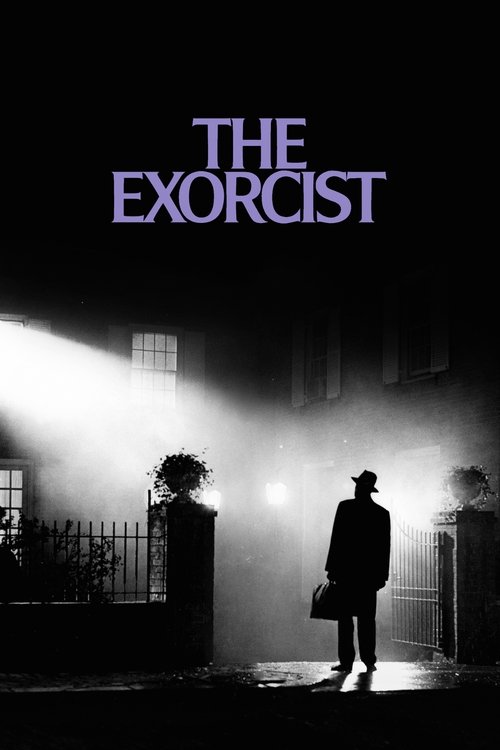
The Exorcist1973
The gold standard. A girl possessed by an ancient evil and two priests trying to save her. Blasphemous, visceral, theologically complex. A masterpiece.
But Glacially slow first half. Some gore imagery hasn't aged well—feels more uncomfortable than scary now.
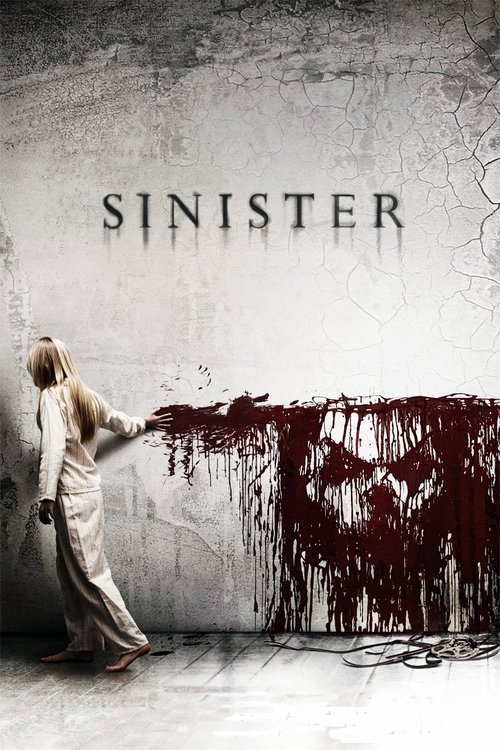
Sinister2012
Ethan Hawke as a true-crime writer discovering something worse than the cases he investigates. Genuinely creepy concept executed with restraint and style.
But Third act loses some of its subtlety. Relies heavily on sudden loud noises in the final stretch.
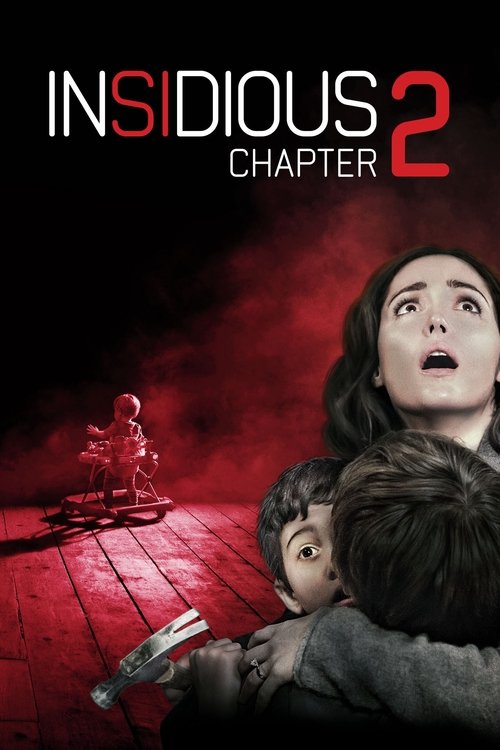
Insidious: Chapter 22013
Wan returning to expand the mythology. Less original than the first but technically impressive and properly unsettling in places.
But Sequelitis sets in—more explanation, less mystery. Some reveal the film as dependent on jump scares rather than genuine dread.
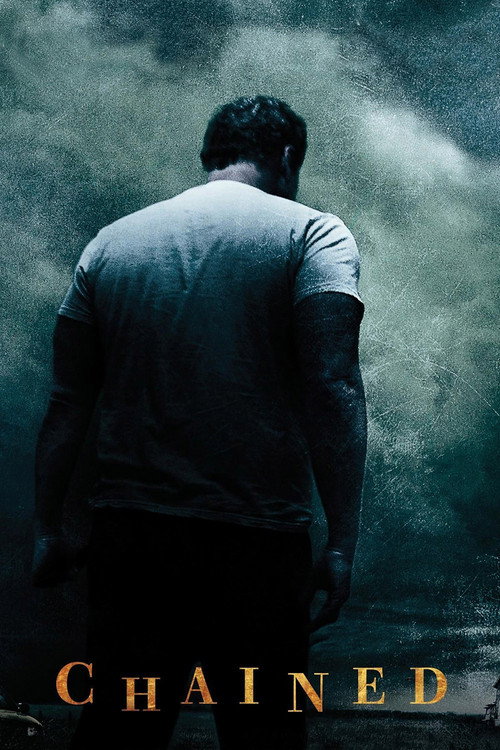
Chained2012
Both interrogate whether childhood trauma can ever truly be overcome or if it just reshapes you. It suggests friendship and return can heal; Chained suggests some wounds never close. They're arguing opposite answers to the same question.
A mother and son kidnapped by a serial killer; years later the son, now an adult, confronts what happened. Raw, uncompromising, structurally innovative. Genuinely transgressive in ways studio horror never dares.
But No catharsis, minimal comfort. The tone is bleak throughout. Some will find it gratuitously dark where it could find meaning.
Come and See1985
Both centre on lost childhood and the reckoning that comes when innocence is stolen. It Chapter Two mourns the end of childhood; Come and See shows childhood ending violently. Same emotional architecture, different extremes.
A Soviet film about a boy conscripted into a partisan unit during WWII. Not horror in the genre sense, but incomparably horrifying—about the destruction of innocence and the weight of witnessing atrocity. Visually and psychologically shattering.
But Relentlessly bleak. No narrative comfort. Genuinely traumatic to watch. Not entertainment; an ordeal that demands respect.

People
Cast
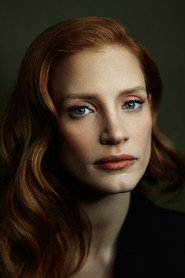 Jessica ChastainBeverly Marsh
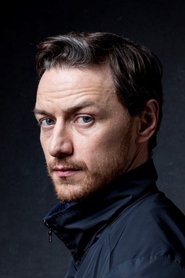 James McAvoyBill Denbrough
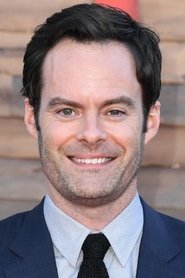 Bill HaderRichie Tozier
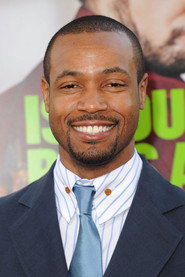 Isaiah MustafaMike Hanlon
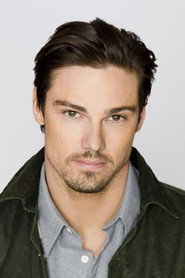 Jay RyanBen Hanscom
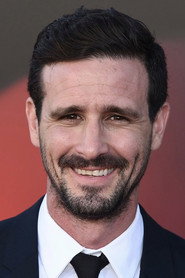 James RansoneEddie Kaspbrak
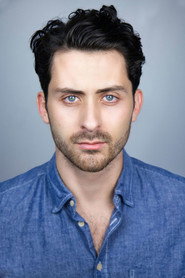 Andy BeanStanley Uris
 Bill SkarsgårdPennywise
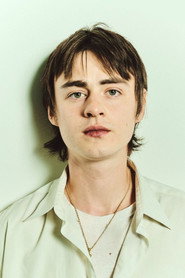 Jaeden MartellYoung Bill Denbrough
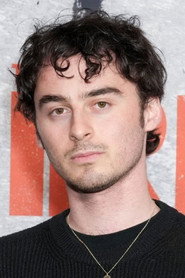 Wyatt OleffYoung Stanley Uris
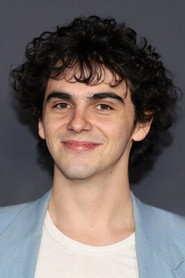 Jack Dylan GrazerYoung Eddie Kaspbrak
 Finn WolfhardYoung Richie Tozier
Directing
- Andy MuschiettiDirector
- Michael LermanFirst Assistant Director
- Shane B. ScottScript Supervisor
- Penny CharterSecond Assistant Director
- Adam BocknekSecond Unit Director
- William WaringSecond Unit Director
- Craig SeitzThird Assistant Director
- Jordana LiebermanThird Assistant Director
Writing
- Stephen KingNovel
- Gary DaubermanScreenplay
- Jason FuchsScreenplay
Production
- Liam KiernanAssistant Location Manager
- Darin ReadAssociate Producer
- Kay RogersBackground Casting Director
- Rich DeliaCasting
- Coco KleppingerCasting Associate
- Jason FuchsCo-Producer
- Victoria PalmeriCo-Producer
- Dave NeustadterExecutive Producer
- David KatzenbergExecutive Producer
- Gary DaubermanExecutive Producer
- Marty P. EwingExecutive Producer
- Richard BrenerExecutive Producer
- Seth Grahame-SmithExecutive Producer
- Candace TempelmeyerFirst Assistant Accountant
- Stephanie GorinLocal Casting
- Randy MorganLocation Manager
- Katharine DukePayroll Accountant
- Barbara MuschiettiProducer
- Dan LinProducer
- Roy LeeProducer
- Elaine ThurstonProduction Accountant
- Cheryl FrancisProduction Office Coordinator
- Anna BebenUnit Production Manager
- Marty P. EwingUnit Production Manager