
Film
Chained
- Serial killer
- Psychological horror
- Very dark
Chained is a brutal psychological horror film about a boy raised by a serial killer, forced to navigate complicity and moral collapse. It's a film of sustained dread that uses intimate confinement to explore how abuse corrupts innocence. For viewers who want horror that earns its darkness, not for those seeking entertainment from suffering.
If you liked this
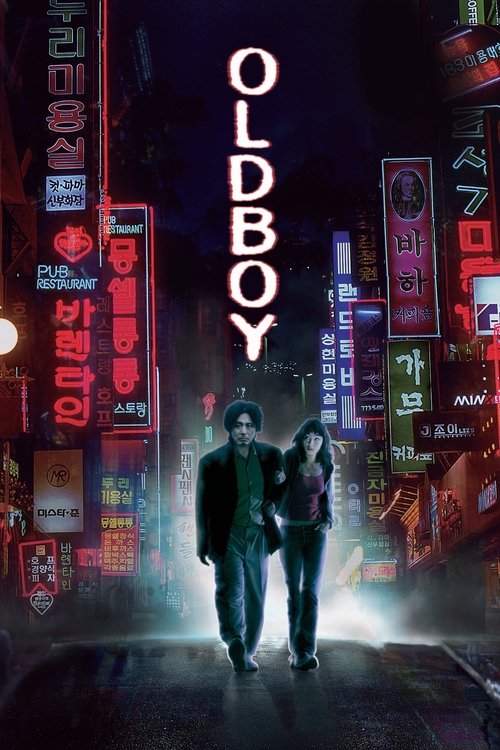
Oldboy2003
A masterpiece of escalating violence and psychological torment where captivity and complicity intertwine. Park Chan-wook's direction turns revenge into moral quicksand, and the final twist devastates. Essential cinema that reshapes what you thought possible in the genre.
But Extremely graphic violence, sexual assault, and a bleakness that doesn't relent. The pacing is deliberately slow in ways that test patience. Not cathartic; it's designed to leave you uncomfortable.
The Devil's Rejects2005
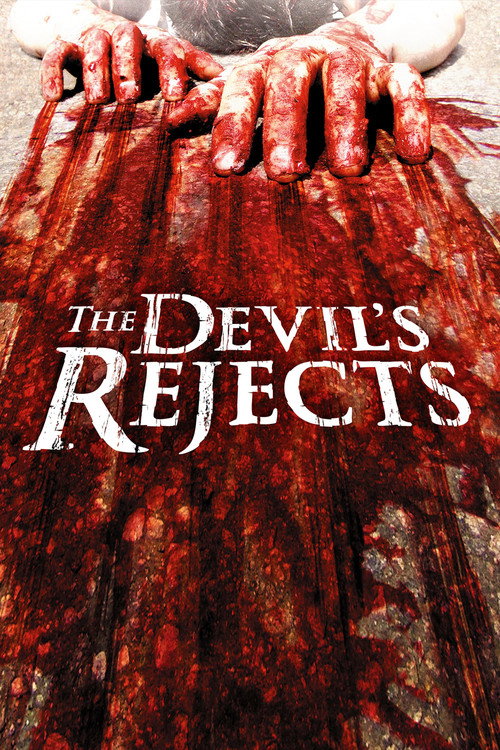
Rob Zombie's nihilistic nightmare about a family of killers on the run. It refuses to make evil sympathetic or entertaining, instead showing violence as stupid and punishing. Raw, uncompromising filmmaking that respects the audience's intelligence.
But Graphic torture, rape, and brutality presented without the softening gloss of narrative reward. The film is hostile to viewer comfort. Some will find it exploitative regardless of intent.
Come True2020
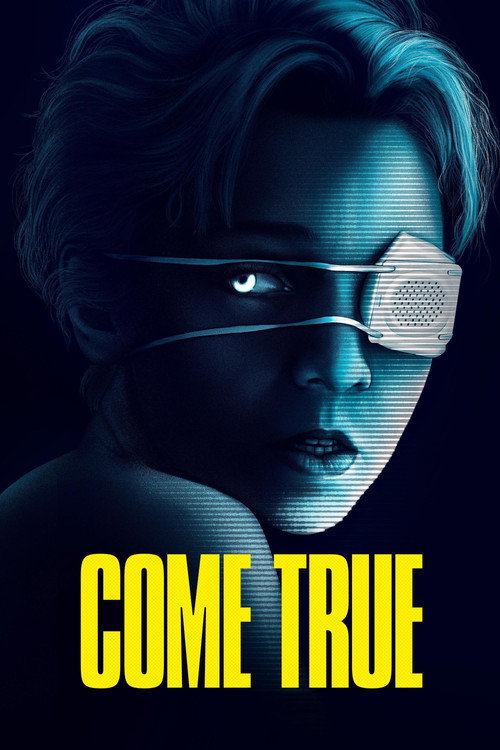
A teenager participates in a sleep study and descends into a nightmare that blurs reality and delusion. Hypnotic cinematography and a synth score create dread from stillness. It's about violation without ever showing violence explicitly—the psychological invasion is the horror.
But Very slow, deliberately vague, and offers no catharsis or clear answers. The ending is ambiguous in ways that frustrate people seeking resolution. More mood than plot.
Not sure tonight? Get a pick in a minute, starting from Chained
The wildcard
Something you would not have found on your own.
The Killing of a Sacred Deer2017
Both films show captivity and corruption as slow interior processes rather than external horrors. The victims in each become complicit, and the real terror is watching someone lose themselves—not to shock, but to inescapable logic.
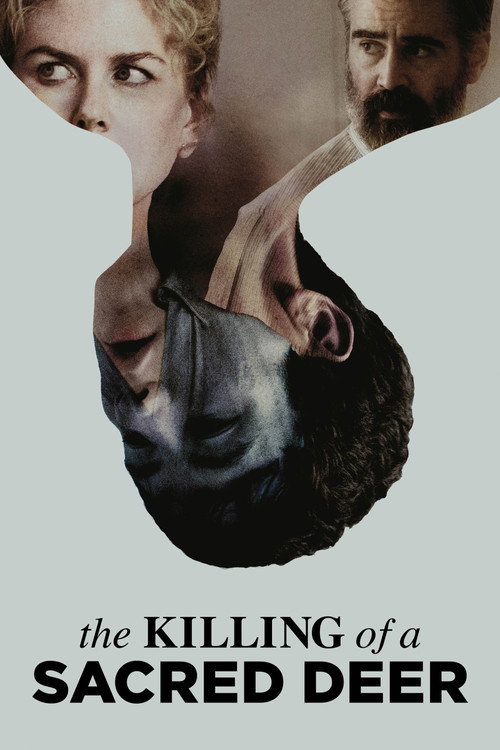
Yorgos Lanthimos crafts a modern Greek tragedy about a father whose family is infected by a young man's presence. It's clinical and cold—dialogue is flat, emotions are buried, but the psychological infection is total. The form mirrors the content: watching a family corrupted from inside feels like watching paint dry until it doesn't.
But Deliberately artificial dialogue and staging that some find alienating. No emotional catharsis. The pacing is glacial. The third act involves graphic injury. Intellectual rather than visceral.
More like this (8)
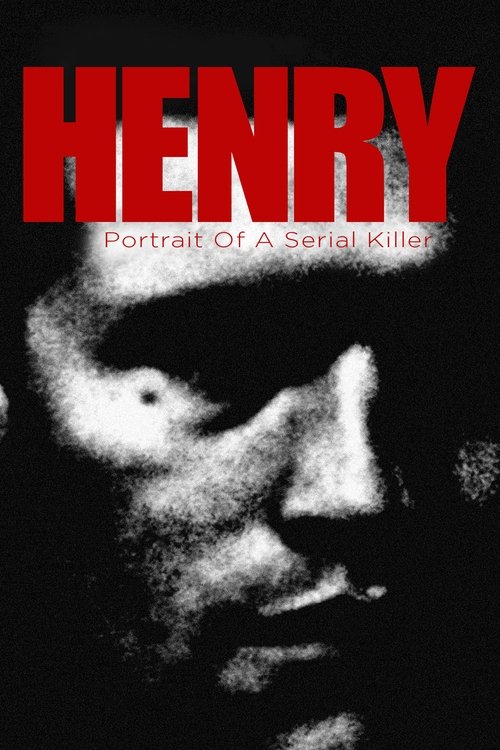
Henry: Portrait of a Serial Killer1986
The film that rewrote the rules for how cinema could depict serial murder: unglamorous, repetitive, mundane. No origin story, no explanation, just documenting a man and his casual cruelty. John McNaughton proved horror didn't need music or jump cuts to terrify.
But Shot on video with deliberately flat presentation that makes it feel uncomfortably real. Multiple murders shown in detail. The point is discomfort, not entertainment, and some viewers find that unethical.
A Prophet2009
Jacques Audiard's masterpiece about a young man corrupted by prison systems. It's not about supernatural horror but the horror of becoming what you're forced to survive. Stunning cinematography and a protagonist whose moral collapse feels inevitable and tragic.
But Prison violence including rape and murder, some scenes very graphic. Three hours long. The protagonist isn't likeable and his transformation is bleak, not redemptive. Demands full attention.

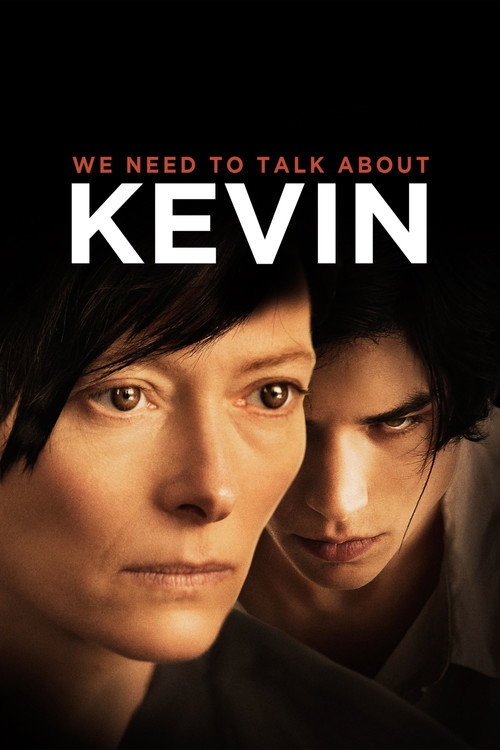
We Need to Talk About Kevin2011
Lynne Ramsay's fractured, poetic examination of a mother's guilt after her son commits a mass shooting. It uses fragmented editing and Tilda Swinton's performance to explore how evil can live inside a family. One of the most unsettling films about parenting and responsibility ever made.
But Non-linear structure that some find confusing. Deals with child abuse, implied sexual assault, and mass murder. Emotionally punishing. Very slow and offers no comfort or answers about causation.
Requiem for a Dream2000
Darren Aronofsky's descent into addiction across four interconnected lives. Rhythmic editing, kaleidoscopic visuals, and a Clint Mansell score that becomes unbearable in the best way. It's about the psychological spiral of compulsion and need.
But Extremely depressing with no uplift. Drug use, electroshock therapy, amputation, and sexual degradation. The sound design is intentionally agitating. Many people find it unwatchable by design.

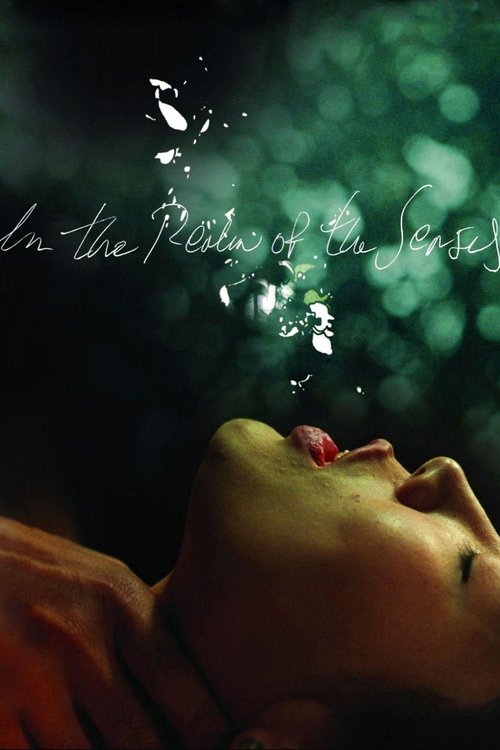
In the Realm of the Senses1976
Nagisa Oshima's transgressive masterpiece about obsessive sexual love that destroys two people. Shot with unflinching directness, it's both erotic and tragic—about how desire can become indistinguishable from self-annihilation. Genuinely dangerous cinema.
But Explicit full-frontal nudity and detailed sexual content throughout. Climaxes in graphic violence. Banned in many countries. The relationship is toxic and the ending is devastating. Not for anyone uncomfortable with sexual content.
The Night of the Hunter1955
Charles Laughton's only directorial effort—a gothic noir about a charismatic preacher hunting two children. Black-and-white cinematography of hypnotic strangeness. It's a psychological thriller before psychology became fashionable, with a villain of operatic evil.
But Pacing is slow and atmospheric rather than propulsive. The villain is charming in ways that make the moral clarity murky. Some find the artifice too stylized to feel threatening. Dated by 70 years.

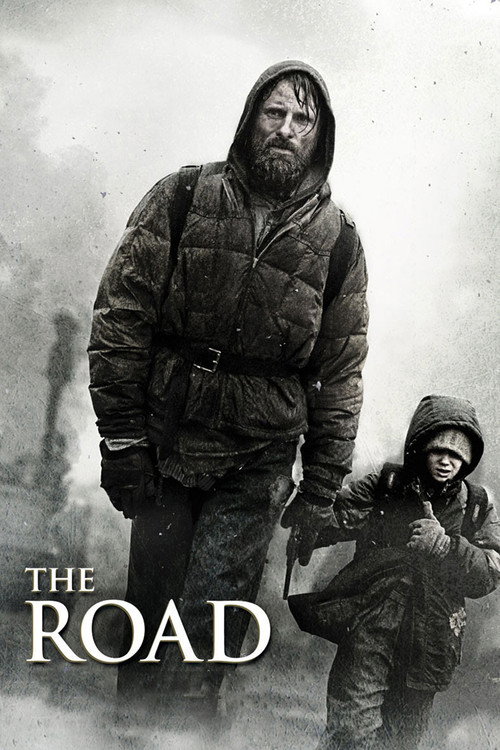
The Road2009
Both examine how darkness and captivity shape the moral compass of the young. Both are interested in whether surviving intact—as a human being rather than just alive—is possible under systematic horror.
John Hillcoat's adaptation of Cormac McCarthy's novel about a father and son crossing a dead world. It's apocalyptic but intimate—about the bonds that persist when everything has been taken. Gray, ashen, devastating. The violence is necessary, not sensational.
But Relentlessly bleak with few moments of hope or beauty. Cannibalism, suicide, and the death of childhood are themes. Some scenes are graphic. The film refuses to make survival feel rewarding—endurance is the point.
Come and See1985
Both films are uninterested in plot and deeply interested in the metamorphosis of a child into something else under systematic horror. Both refuse to make the transformation poetic—they show it as psychic annihilation, the death of self before death of body.
Elem Klimov's Soviet masterpiece about a boy conscripted into WWII. It's not a war film so much as a record of how war obliterates innocence. Shot with documentary realism but edited like a fever dream, it's the most harrowing depiction of childhood trauma ever committed to film. Simultaneously essential and nearly unwatchable.
But Sustained graphic violence against children. Rape, massacre, and starvation. The boy's face is the film's conscience, which means watching him destroyed. Three times as long as it needs to be for emotional impact. Soviet-era release; image quality varies.

People
Cast
 Eamon FarrenOlder Rabbit
 Evan BirdYounger Rabbit
 Julia OrmondSarah Fittler
 Conor LeslieAngie
 Gina PhilipsMarie Fittler
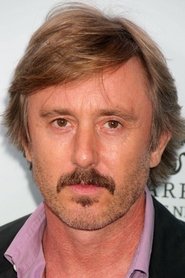 Jake WeberBrad Fittler
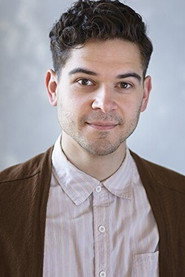 Daniel MaslanyYoung Bob
- Michael MaslanyYoung Brad
- Alexander DoerksenColin
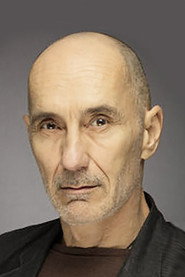 Troy SkogBob's Dad
- Shannon JardineBob's Mom
Directing
- Jennifer LynchDirector
- Trevor CunninghamFirst Assistant Director
- Elspeth GraftonScript Supervisor
Writing
- Jennifer LynchScreenplay
- Damian O'DonnellScreenstory
Production
- Shannon MakhanianCasting
- David BuelowProducer
- Lee NelsonProducer
- Rhonda BakerProducer
- Andrea Baker-FraserProduction Coordinator