
Film
Silent Hill
A video game adaptation that builds genuine dread from mist, isolation, and maternal desperation. Silent Hill trades jump scares for slow-burn psychological horror—it's fog and sirens and the constant sense that something is *watching* you. For people who love horror that lingers, who prefer atmosphere to gore, who want to feel unsettled rather than startled.
Should you watch it?
Watch it if you love horror that works like a fever dream, where the monsters are grotesque and the logic is dreamlike, and you don't mind the plot slipping through your fingers as long as the atmosphere keeps tightening.
Skip it if you need a tidy, explained mystery or a steady pace; this one is loud, murky and visually overwhelming, and its story can feel more like a series of nightmares than a single thread.
What it asks of you: It runs just over two hours and spends much of that time in fog, ash and shadow, so it asks you to settle in and let the imagery wash over you rather than follow every clue.
Not sure? Find tonight's pick in a minute.
If you liked this
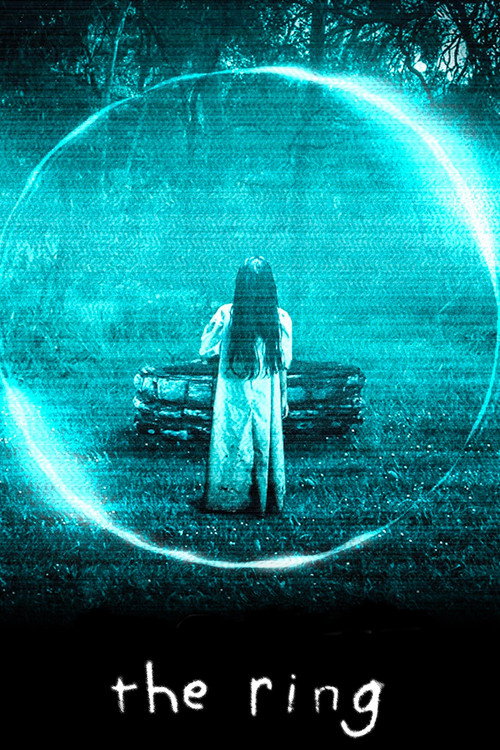
The Ring2002
A horror film that understands pacing and dread the way Silent Hill does. Samara's curse unfolds with terrible inevitability, and the film trusts silence and suggestion over spectacle. Genuinely eerie.
But The central conceit—a cursed videotape—feels dated now, and some of the scares land softly when they once landed hard.
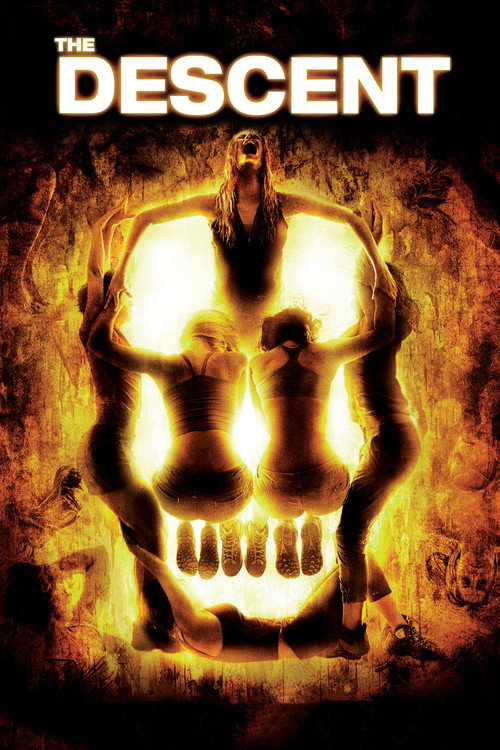
The Descent2005
Claustrophobic horror that weaponizes geography and darkness. It builds claustrophobic dread before introducing monsters, and the human terror matches the supernatural threat. Relentless and smart.
But Brutally bleak ending that some find punishing rather than cathartic. Gore-heavy in its final act.
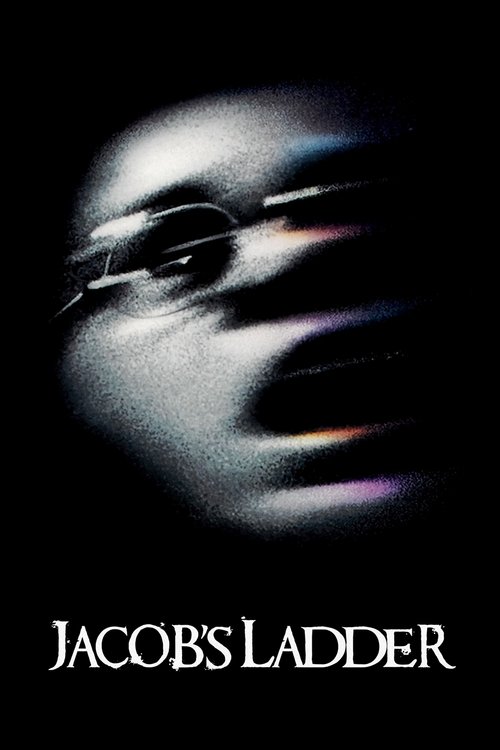
Jacob's Ladder1990
A masterclass in psychological horror and body horror. Adrian Lyne creates an atmosphere of creeping wrongness that never fully resolves—you're as confused as the protagonist, which is exactly the point.
But Deliberately ambiguous and disorienting; you won't get clear answers, which infuriates some viewers.
Not sure tonight? Get a pick in a minute, starting from Silent Hill
The wildcard
Something you would not have found on your own.
Mulholland Drive2001
Both films treat their settings as manifestations of inner psychological states, where location becomes character, and the protagonist's search for truth is inseparable from delusion.
Lynch's nightmare logic applied to Los Angeles. Like Silent Hill, it uses a real location as a dreamscape where reality and obsession collapse into one another. Both are journeys through a woman's fractured psyche rendered as gothic geography.
But Three hours of deliberately confusing narrative that refuses linear sense. Some see it as masterwork; others see it as indulgence.

More like this (8)
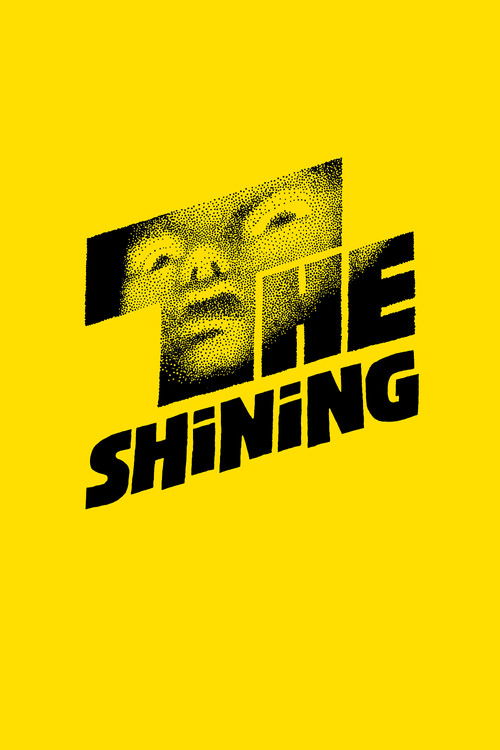
The Shining1980
Kubrick's obsessive approach to horror creates something genuinely unsettling—a haunted hotel that seems to warp space and logic. The Overlook is as much character as setting.
But Slow-paced and deliberately cryptic. Irritates people who want straightforward storytelling.
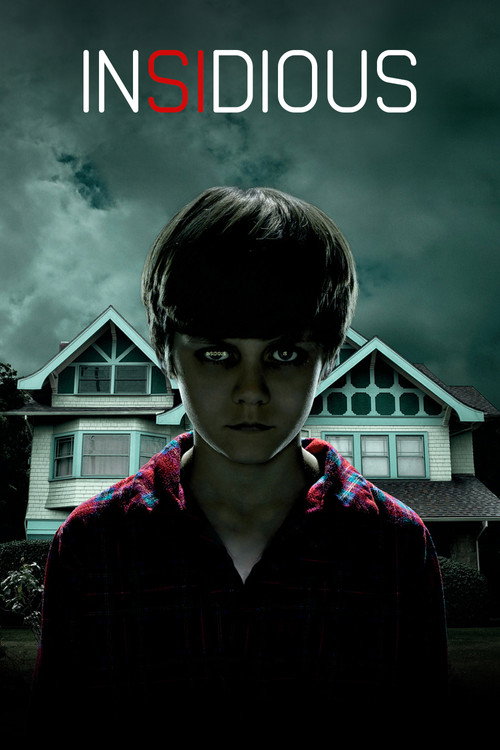
Insidious2011
James Wan understands how to make you afraid of *the background* rather than what jumps at you. The Further is genuinely nightmarish, and the emotional core gives weight to the scares.
But Relies on jump scares once the setup lands, which undercuts some of the slower tension-building.
The Wailing2016
A mystery-horror that tangles faith, doubt, and moral ambiguity into something genuinely haunting. Na Hong-jin layers dread atop dread, and nothing resolves neatly. Masterful.
But 160 minutes and largely in Korean with subtitles. The narrative sprawls deliberately, which loses impatient viewers.

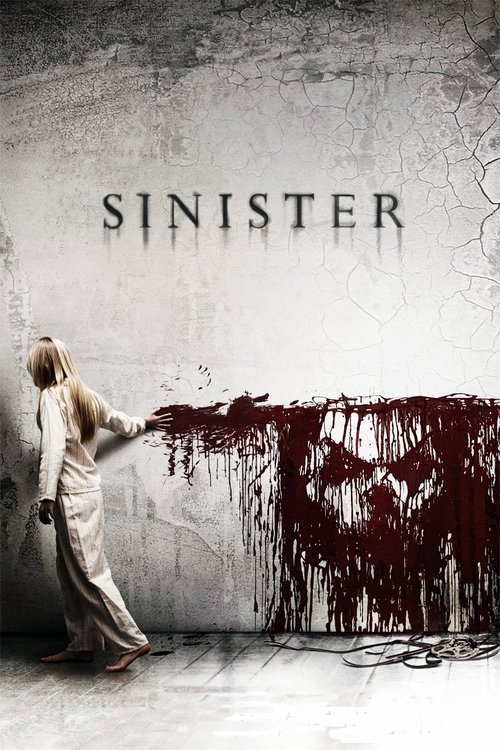
Sinister2012
Atmospheric folk-horror that uses old film stock and a creeping sense of inevitability. Ethan Hawke's desperation mirrors Rose's in Silent Hill—he's searching for truth in a cursed place.
But The core image (Super 8 footage of families meeting gruesome ends) is deliberately unpleasant. Bleak without redemption.
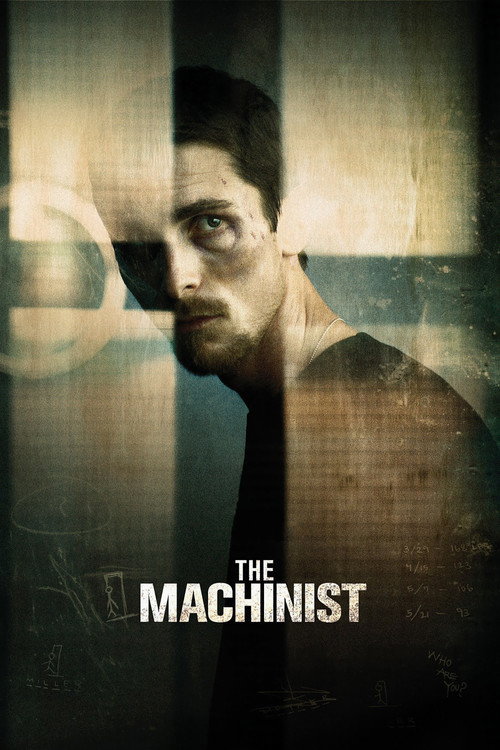
The Machinist2004
Psychological horror that feels like a waking nightmare. The atmosphere of paranoia and decay mirrors Silent Hill's apocalyptic ugliness, and Christian Bale's gaunt performance sells the mental unraveling.
But Slow and inward-focused. No monsters, no gore—pure psychological erosion, which bores people wanting conventional scares.
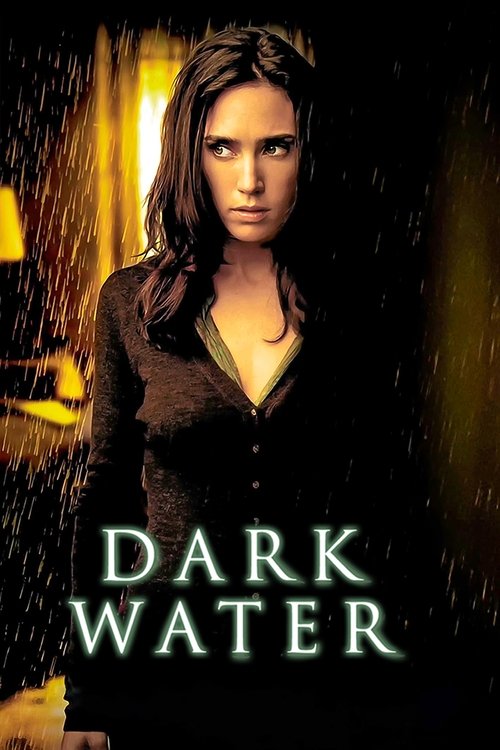
Dark Water2005
A haunted-apartment story about a mother protecting her daughter from a malevolent presence. Japanese horror's restraint and suggestion work as well as American jump-cuts fail.
But The American remake of a foreign film often feels safer than the original. Subdued pacing may frustrate action-starved viewers.
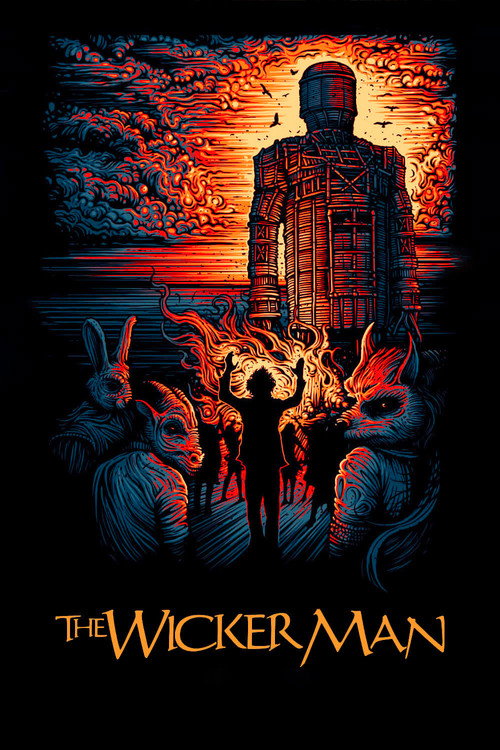
The Wicker Man1973
Both build dread through isolation within a cursed place and an outsider's slow realization that the town itself is complicit in something unforgivable.
Folk-horror that predates modern templates, where a closed community harbors terrible secrets and a visitor's search for answers leads to apocalyptic revelation. It's eerie, entirely unsettling, and built from suggestion rather than gore.
But Low budget shows, and the pacing is glacial by modern standards. May feel quaint rather than horrifying to genre-jaded viewers.
Come and See1985
Both use real locations transfigured by tragedy into nightmare spaces. Both ask: what happens to a place when humans commit atrocities there? Both answer: the place itself becomes the horror.
A Soviet war film that doubles as apocalyptic horror. The landscape becomes hellish, the massacre relentless, and the camera refuses to look away. If you want to understand what unflinching despair looks like on screen, this is it.
But Graphically brutal, absolutely bleak, and emotionally punishing. Not entertainment in any traditional sense. Some viewers find it unwatchable.

People
Cast
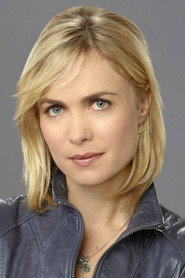 Radha MitchellRose Da Silva
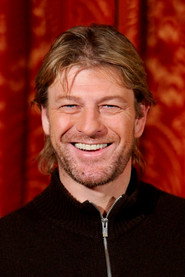 Sean BeanChristopher Da Silva
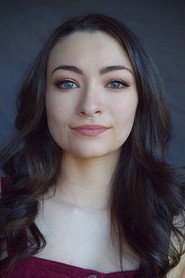 Jodelle FerlandSharon / Alessa
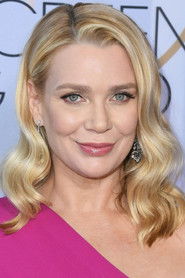 Laurie HoldenCybil Bennett
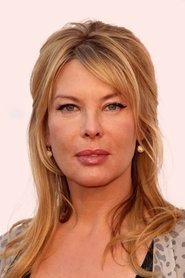 Deborah Kara UngerDahlia Gillespie
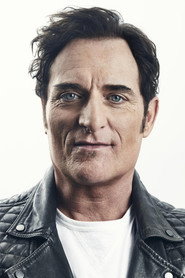 Kim CoatesOfficer Thomas Gucci
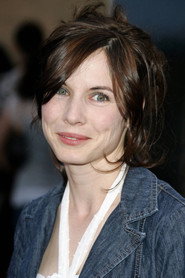 Tanya AllenAnna
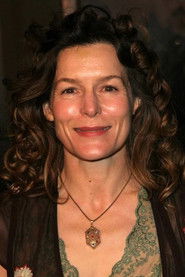 Alice KrigeChristabella
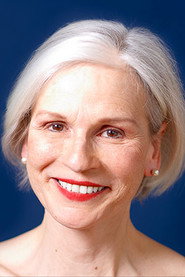 Nicky GuadagniDistressed Woman
- Maxine DumontChristabella's Aide
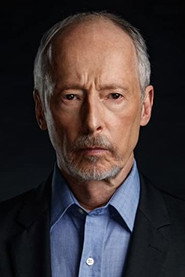 Chris BrittonAdam
 Colleen WilliamsArchivist
Directing
- Christophe GansDirector
- Pierre HenryFirst Assistant Director
- Samantha TimmermanScript Supervisor
- Simon BoardSecond Assistant Director
Writing
- Roger AvaryWriter
Production
- Deirdre BowenCasting
- Akira YamaokaExecutive Producer
- Andrew MasonExecutive Producer
- Victor HadidaExecutive Producer
- Deb LeFaiveLine Producer
- Jonathan MatthewsLocation Manager
- Don CarmodyProducer
- Samuel HadidaProducer
- Lara VoloshinProduction Coordinator
- Melissa GirottiProduction Coordinator
- Deb LeFaiveProduction Manager