
Television series
Salem's Lot
- Horror
- Dark fantasy
- Very dark
Tobe Hooper's 1979 miniseries takes Stephen King's vampire novel and builds something uniquely creeping: a slow-burn haunting of small-town America where the undead aren't flashy or seductive, just inevitable. Three hours of dread, atmosphere, and genuine scares that work because the filmmaking trusts you to feel the darkness before anything jumps. Essential viewing for anyone who loves horror that whispers.
Should you watch it?
Watch it if you love slow-burn small-town dread, where the horror seeps in through gossip, a dusty main street and familiar faces that gradually feel off, and you'd rather be unsettled than startled.
Skip it if you need brisk pacing or modern gore, since this is a 1970s TV production with a deliberate, talky build and an ageing look that a three-hour runtime makes noticeable.
What it asks of you: Settle in for about three hours over two parts, with patience for slow scenes that build atmosphere before anything bites, and dread that gathers slowly.
Not sure? Find tonight's pick in a minute.
If you liked this
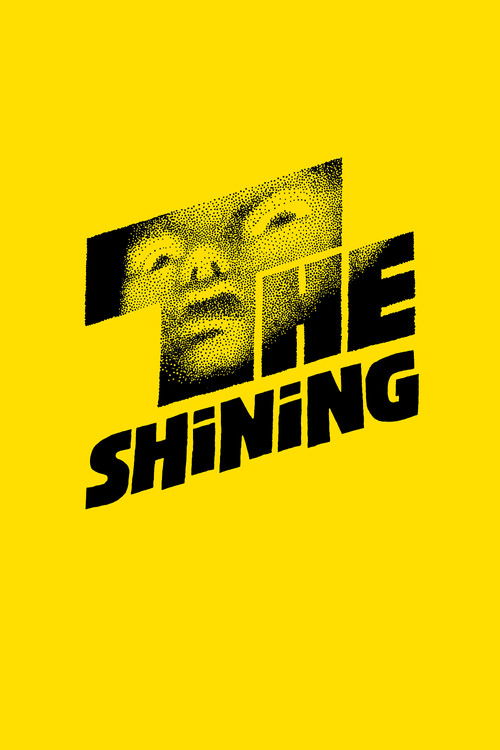
The Shining1980
Kubrick's other Stephen King adaptation, equally obsessed with psychological decay and the weight of isolation. A haunted hotel instead of a haunted town, but the same sense that evil isn't dramatic—it's a slow infection of the mind.
But Three hours of cryptic dread and symmetrical cinematography can feel cold. If you need plot momentum over atmosphere, you'll find yourself checking your watch.
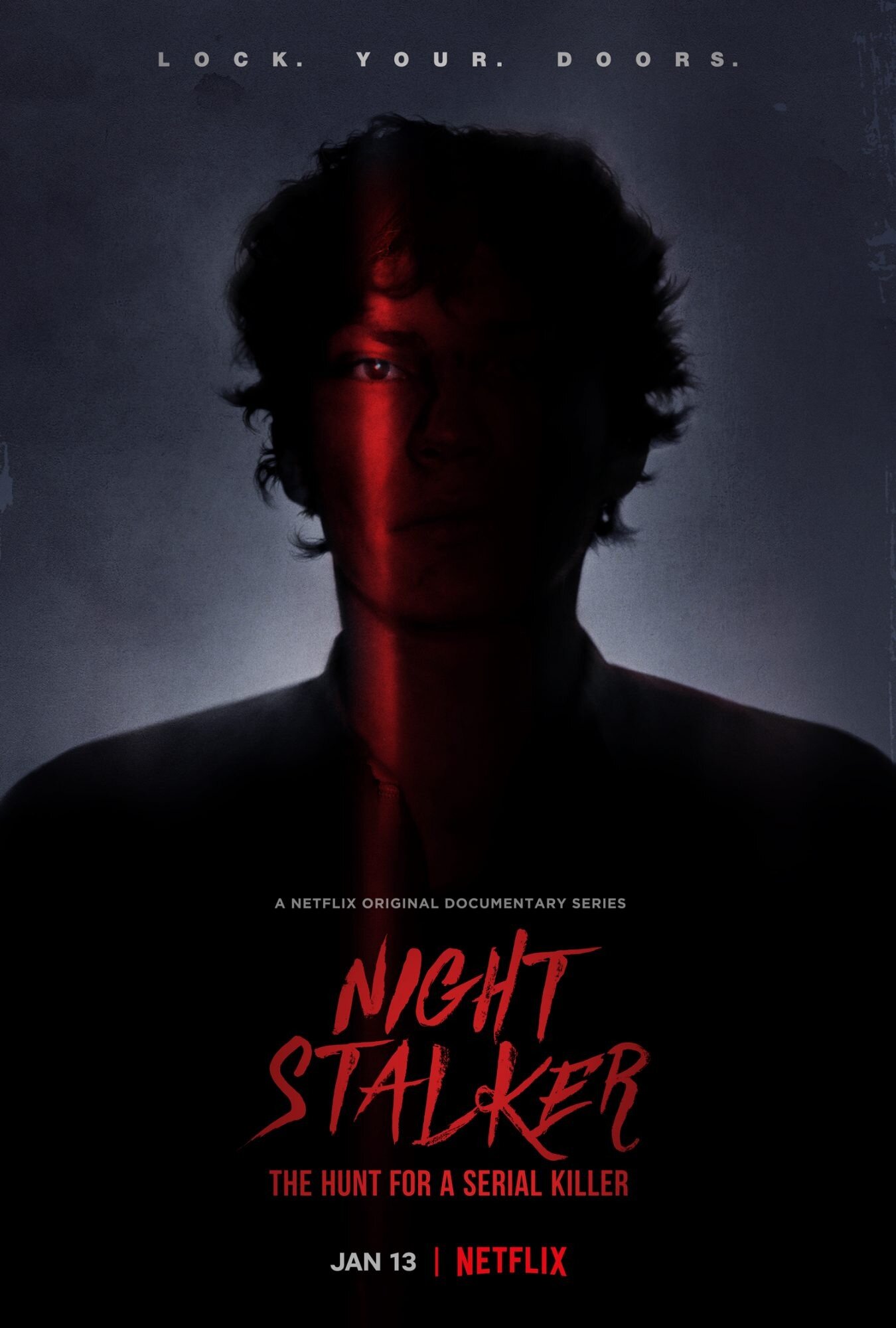
Night Stalker: The Hunt for a Serial Killer2021
Kolchak chasing monsters in America's underbelly, episode by episode. The spiritual ancestor of everything spooky on American television. Jangled nerves, practical effects, and genuine suspense that influenced King himself.
But Seventies TV pacing means it meanders. The monster-of-the-week structure can feel thin compared to a miniseries' sustained dread.
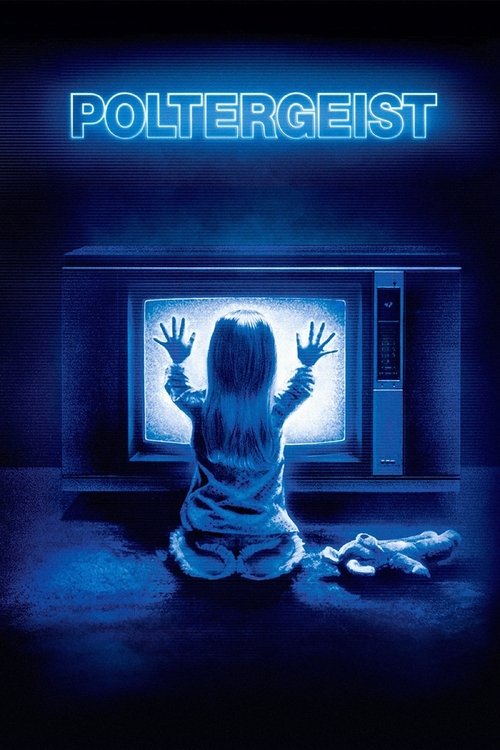
Poltergeist1982
Hooper again, but with a family under siege in their own home. Masterful at building terror from the familiar—suburban safety slowly revealed as an illusion. Pure craft in every frame.
But The script is thinner than the direction; characters sometimes feel like plot delivery systems rather than people you care about.
Not sure tonight? Get a pick in a minute, starting from Salem's Lot
The wildcard
Something you would not have found on your own.
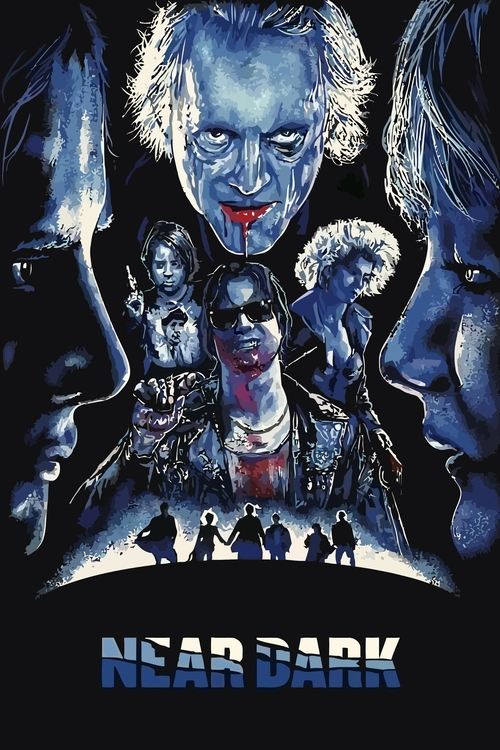
Near Dark1987
Both understand vampirism as infection and inevitability rather than romance. Both are about communities under siege, but where Salem's Lot is interior and small-town American, Near Dark is exterior, transient, and violent.
Kathryn Bigelow's vampire film strips away all romanticism and treats the undead as a feral outlaw gang. Fast, vicious, and utterly uninterested in seduction—vampires as predators, like Salem's Lot, but in the American Southwest with a completely different visual language and moral texture.
But The 80s action-horror tone is very different from Salem's Lot's creeping dread; it's lean and mean where the miniseries is patient and gothic. The gore is real and frequent.
More like this (8)
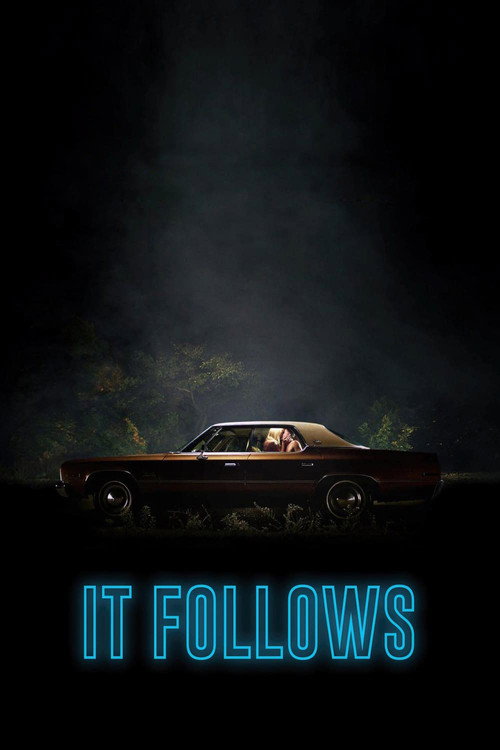
It Follows2015
Modern horror that understands Salem's Lot's lesson: the most terrifying thing is the certainty of threat, not surprise. An invisible, patient evil that will find you. Gorgeous and hypnotic.
But Deliberately paced and ambiguous. If you need your horror loud and explained, this will frustrate you.
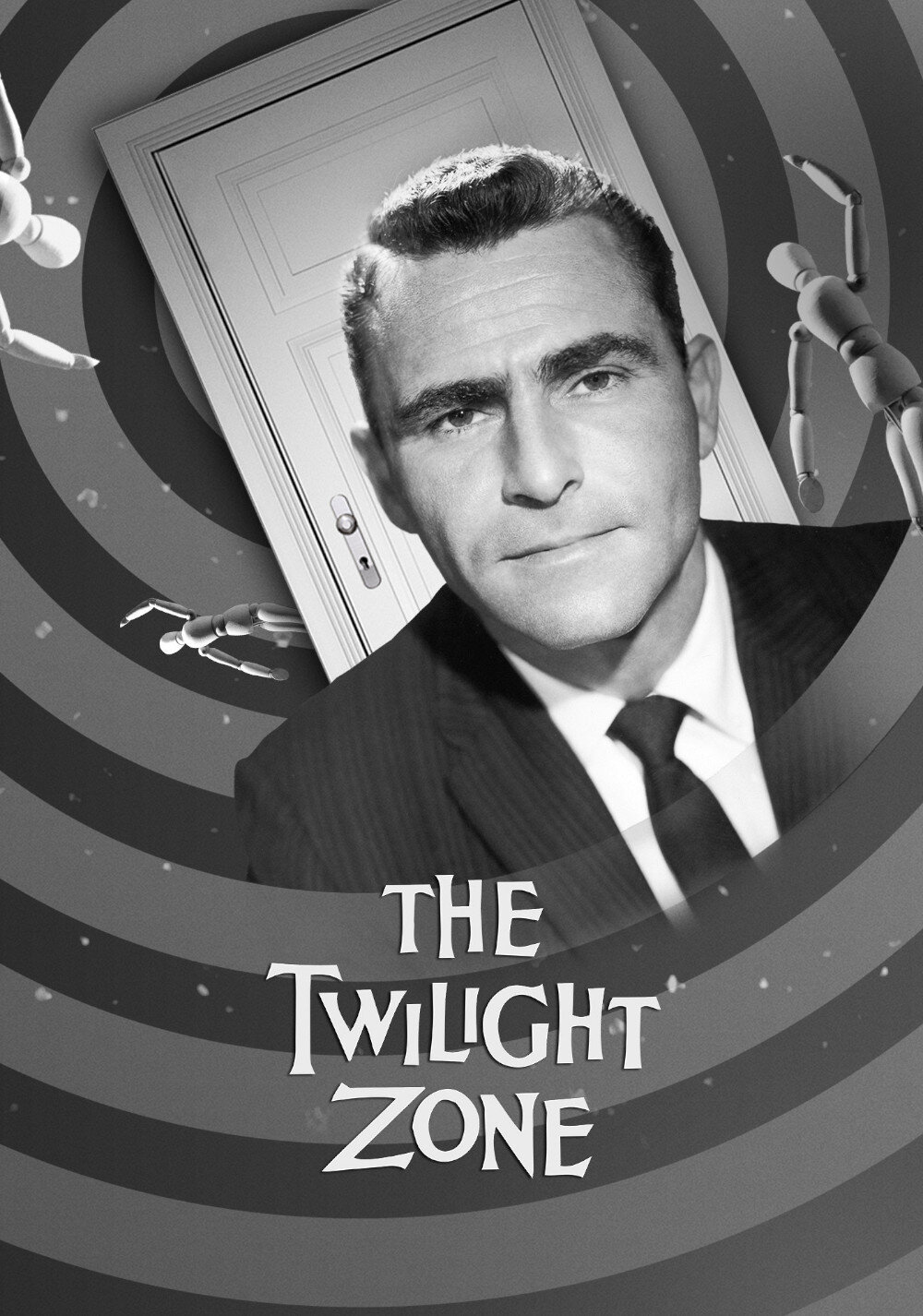
The Twilight Zone1959
The DNA of everything that follows. Serling's anthology format allows for the exact creeping dread Salem's Lot perfects: ordinary places where ordinary people meet something wrong. Endlessly inventive.
But Uneven across five seasons. Some episodes are brilliant; others collapse under their twist endings. You'll skip around.
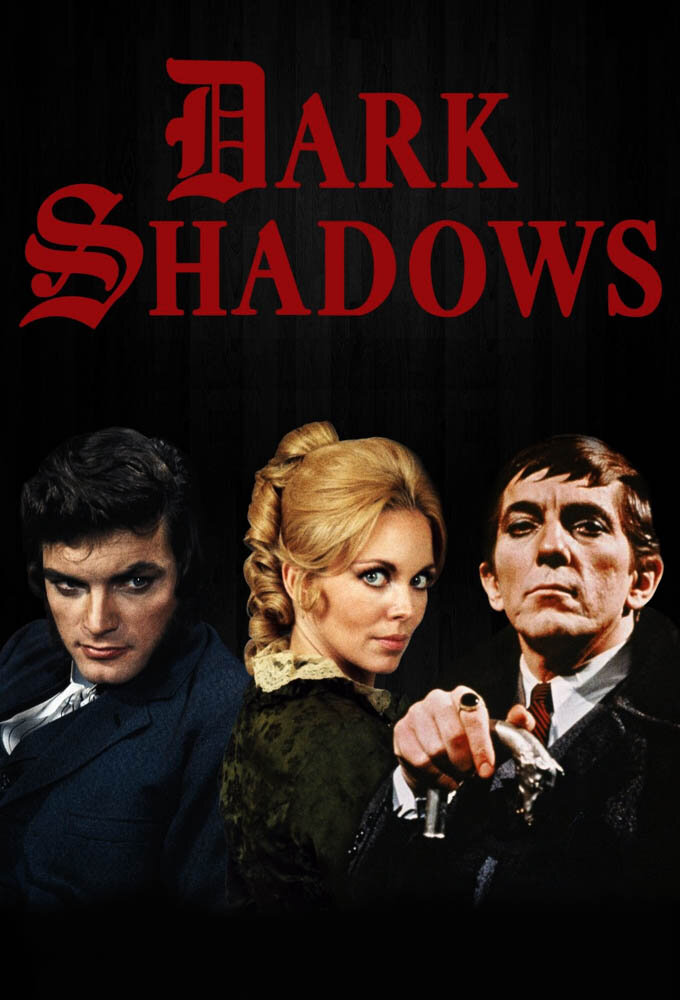
Dark Shadows1966
A Gothic soap opera with genuine atmosphere and a vampire at its core. Campy and sincere at once, with the same small-town claustrophobia and the sense that evil is woven into the town's history.
But Daytime soap production values show. Long stretches of dialogue and repetition; the show moves at its own glacial pace.
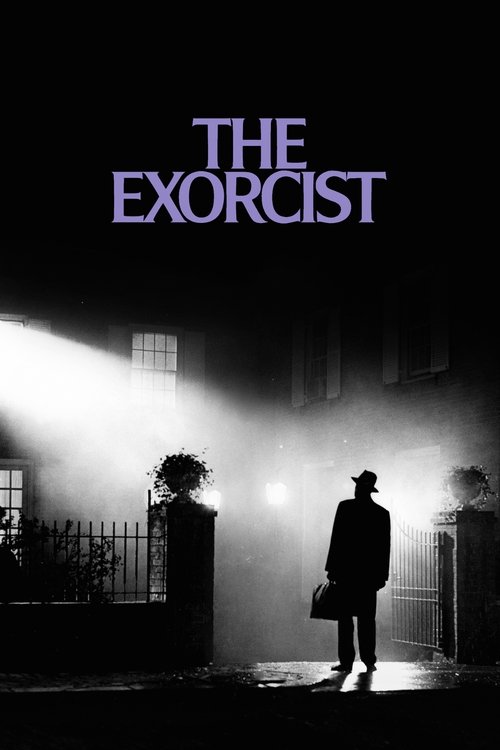
The Exorcist1973
The horror film that changed everything. Methodical, patient, and genuinely unholy. Like Salem's Lot, it understands that the buildup is more effective than the payoff.
But Deliberately slow for two hours before the possessed girl becomes the focus. The philosophical weight can feel ponderous.
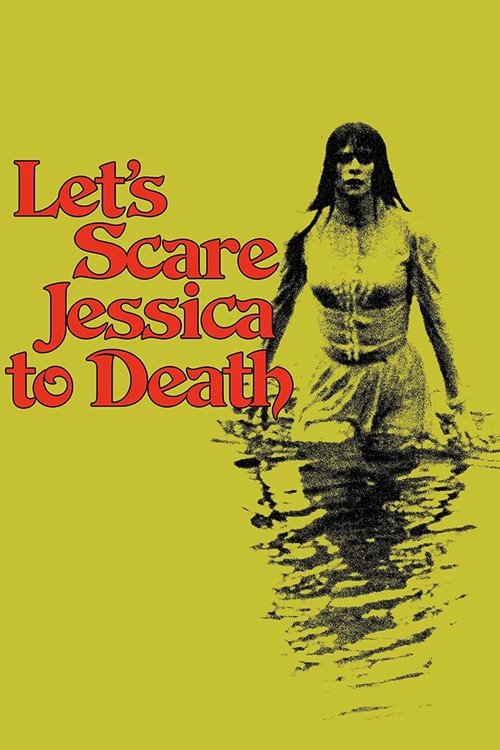
Let's Scare Jessica to Death1971
Low-budget 70s horror that nails paranoia and atmosphere on a shoestring. Zombies in a small town, but the real horror is in the protagonist's fractured perception. Beautiful and deeply unsettling.
But The budget shows; some scenes are incoherent. The ending is deliberately ambiguous and may feel unresolved rather than earned.
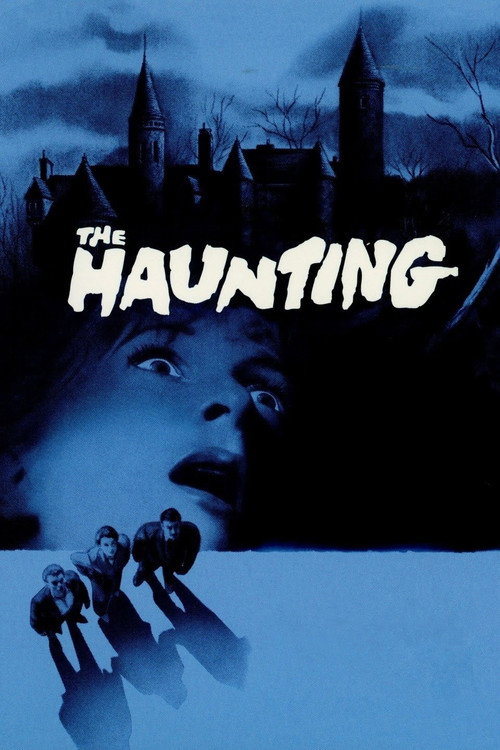
The Haunting1963
Wise's black-and-white masterpiece about a house with a terrible history. Psychological horror that suggests rather than shows, and trusts the audience to feel the malice in architecture and shadow.
But No gore, no jump scares—just creeping dread. If you're watching for conventional horror beats, you'll find it slow and maybe boring.
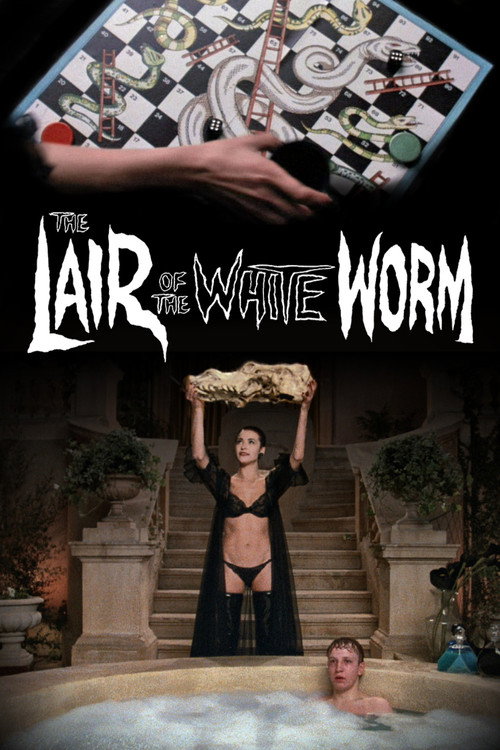
The Lair of the White Worm1988
Both draw from the Stoker tradition of vampire invasion and small-town infiltration. Both are 80s-adjacent British and American takes on inherited gothic evil, but Russell makes it surreal and sexual while Hooper keeps it clinical and creeping.
Ken Russell's delirious adaptation of Stoker, transplanted to rural England. Visually baroque and narratively insane in ways Salem's Lot is restrained. If you loved the supernatural threat in a small community but want something far weirder, this swings for the fences.
But Genuinely unhinged in tone and structure. It's campy, occasionally incoherent, and deeply strange—the opposite of Salem's Lot's disciplined horror. Russell is not interested in scares, only excess.
The Wailing2016
Both are slow-burn horror about communities under siege by an invisible threat that nobody can quite name or fight. Both trust atmosphere and human reaction over spectacle, and both suggest that the real horror is not the evil itself but our inability to stop it once it takes root.
A Korean mystery-horror that builds dread through investigation and ambiguity rather than jump scares. A community poisoned by something unknowable, with performances that cut deep. Patient, layered, and existentially horrifying in ways that linger long after the credits.
But Two hours forty minutes, in Korean, with a deliberately opaque ending that refuses to provide answers. Some will find it frustratingly unclear; others will see that as the point.

People
Cast

Production
- Stirling SilliphantExecutive Producer
- Anna CottleProducer
- Richard KobritzProducer