
Film
Skinamarink
- Horror
- Missing-person mystery
- Very dark
- Strange
- Slow-burning
A haunted-house film that discards conventional horror grammar. Shot mostly in video-game graphics and near-darkness, it traps you in a child's nightmare logic where geography becomes impossible and dread accumulates in silence. For patient viewers who find atmosphere more terrifying than jump scares.
Should you watch it?
Watch it if you love horror that works through sound, shadow and the dread of a room you can only half-see, and you are happy to let a film drift rather than explain itself.
Skip it if you need a clear story or characters to hold onto, since this gives you few and its murky, wandering images can feel like a test of patience.
What it asks of you: Settle in for a long, hushed stretch of near-darkness and slow, unexplained drifts, where the pleasure comes from staying alert to what barely moves.
Not sure? Find tonight's pick in a minute.
If you liked this
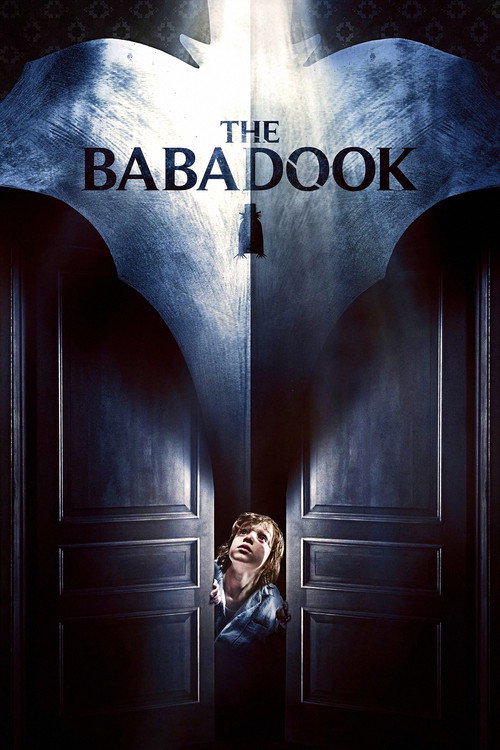
The Babadook2014
Psychological horror that works through metaphor and maternal dread rather than gore. Builds unbearable tension from grief and isolation in a confined space.
But Slow-burn pacing that favours mood over plot momentum; some will find it frustrating rather than frightening.
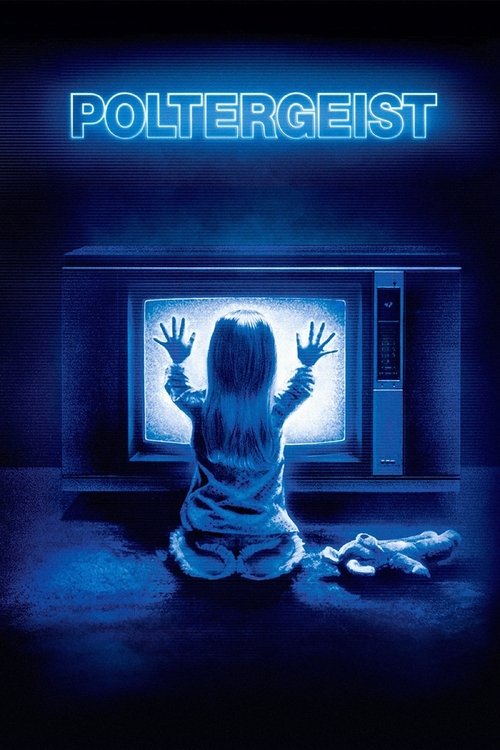
Poltergeist1982
A family home becomes a nightmare when their youngest daughter vanishes into another dimension. Spielberg-produced, genuinely unsettling, and invents half the language modern haunted-house films still use.
But 1980s effects haven't aged perfectly, and it occasionally tips toward melodrama where subtlety would serve better.
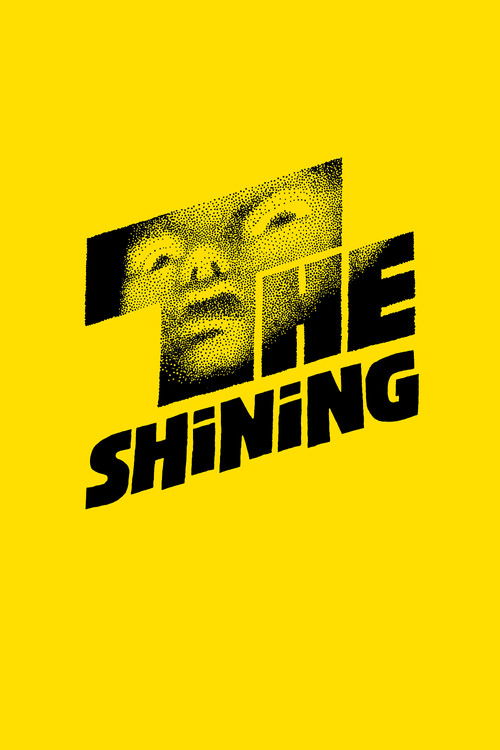
The Shining1980
Kubrick transforms King's novel into pure geometric dread. Every frame calculated. A hotel that shouldn't be navigable becomes a maze of impossible corridors and suffocating isolation.
But Notoriously cold and cerebral; it withholds emotional connection deliberately, which some experience as distance rather than unease.
Not sure tonight? Get a pick in a minute, starting from Skinamarink
The wildcard
Something you would not have found on your own.
Mulholland Drive2001
Both use spatial and narrative impossibility as the primary source of horror; both trust audience discomfort over explanation.
Lynch's Los Angeles nightmare where geography, identity, and narrative logic collapse. Like Skinamarink, it traps you in dream-state confusion where dread emerges from wrongness rather than plot—but channeled through adult desperation and betrayal instead of childhood terror.
But Three hours of deliberate obscurity with no conventional resolution; some experience it as profound, others as wilfully opaque.

More like this (8)
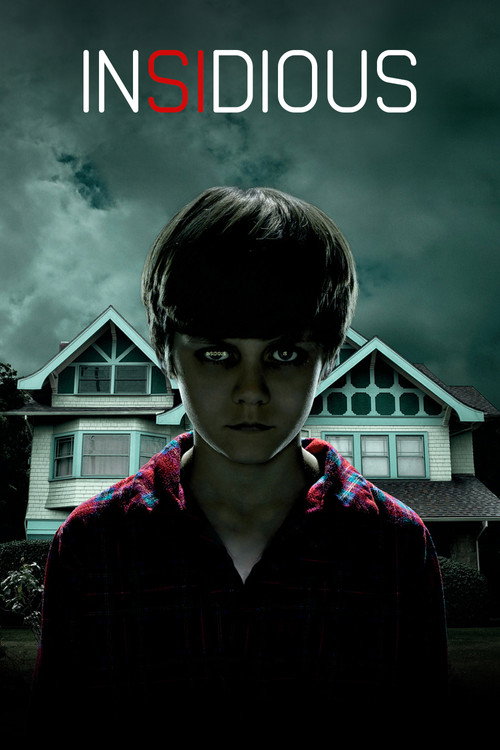
Insidious2011
A child falls into a coma, and his parents discover he's trapped in a nightmarish realm adjacent to our own. Genuinely inventive scares and a real sense of otherness without relying on gore.
But The third act veers toward conventional action-horror; the precise, surgical dread of the first half doesn't entirely sustain.
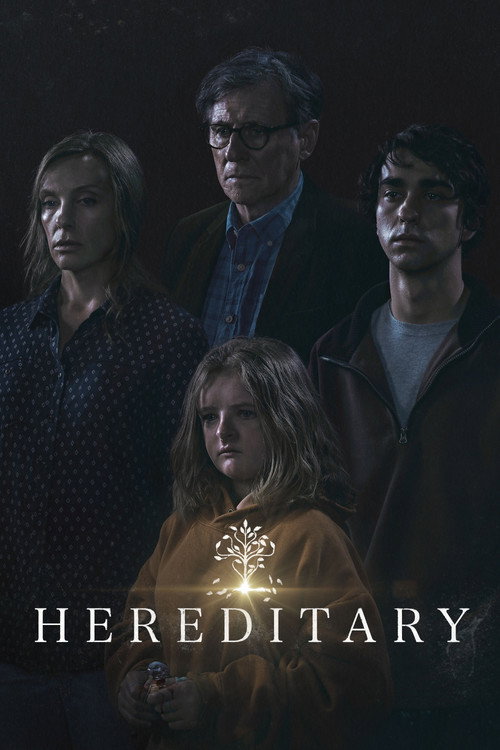
Hereditary2018
Family horror that feels personal and crushing rather than fantastical. Ari Aster constructs unbearable tension through mundane scenes that gradually reveal something wrong. Toni Collette is extraordinary.
But Contains graphic tragedy that will disturb some viewers; the pacing asks patience before delivering impact.
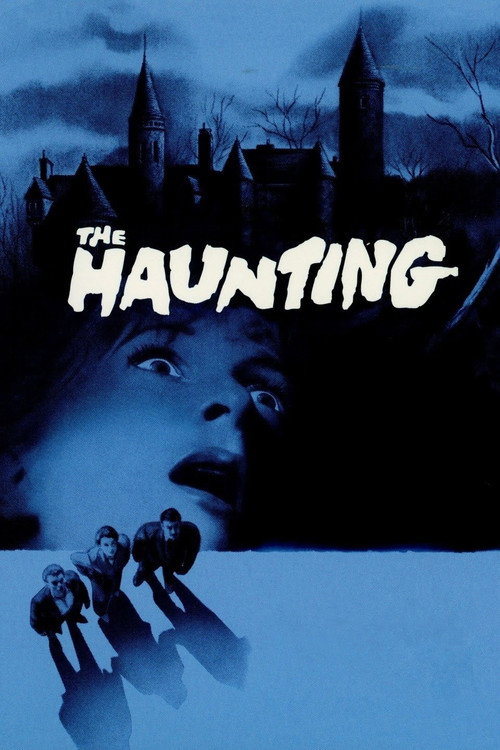
The Haunting1963
A 1963 masterclass in suggesting horror without showing it. Hill House is malevolent through architecture and sound design alone. Unsettling in ways that bypass modern desensitization entirely.
But Black-and-white, slow by contemporary standards, and the ambiguity will frustrate anyone wanting clear answers.
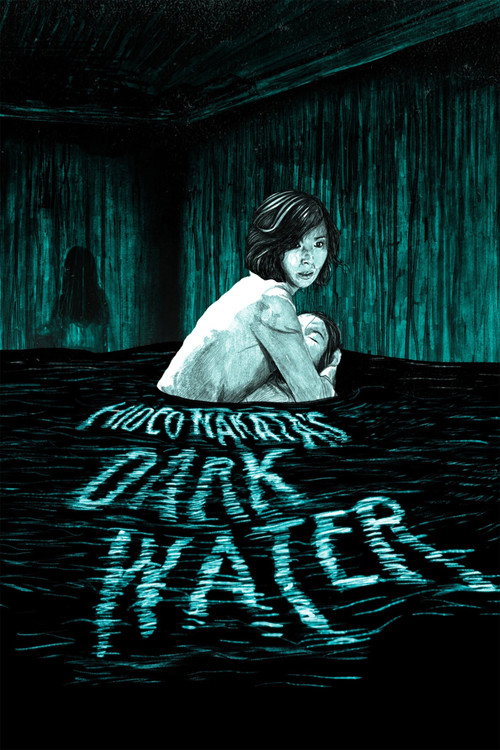
Dark Water2002
A mother and daughter navigate a decaying apartment building haunted by a child's tragedy. Japanese horror that works through texture and inevitability rather than shock—deeply sad and claustrophobic.
But The pacing is deliberate to the point of requiring patience; subtitled, which some find adds to the distance others find essential.
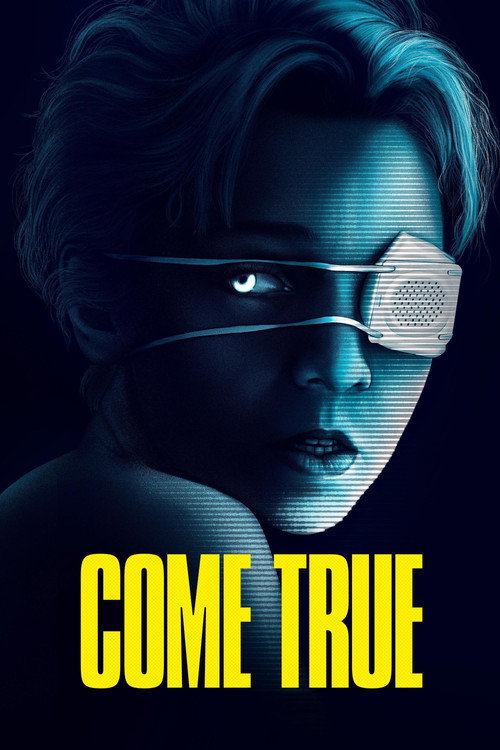
Come True2020
A teenager joins a sleep study that reveals a hidden dimension. Gorgeous, unsettling sci-fi horror with real visual invention and a dreamlike logic that mirrors Skinamarink's spatial strangeness.
But Deliberately opaque about its own rules; the ending divides viewers on whether the ambiguity enhances or frustrates.
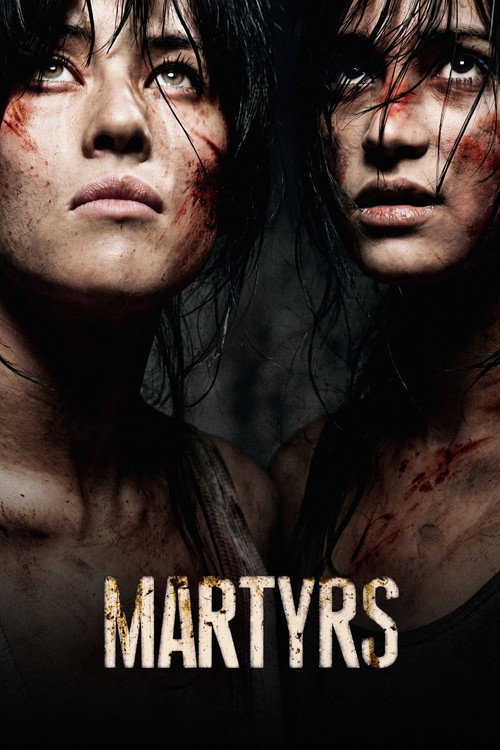
Martyrs2008
A revenge film that transforms into something philosophically disturbing. Brutal and uncompromising, it earns its intensity through craft and an unwillingness to soften its ideas.
But Genuinely graphic violence and prolonged suffering; this is horror as ordeal rather than entertainment, and that's intentional.
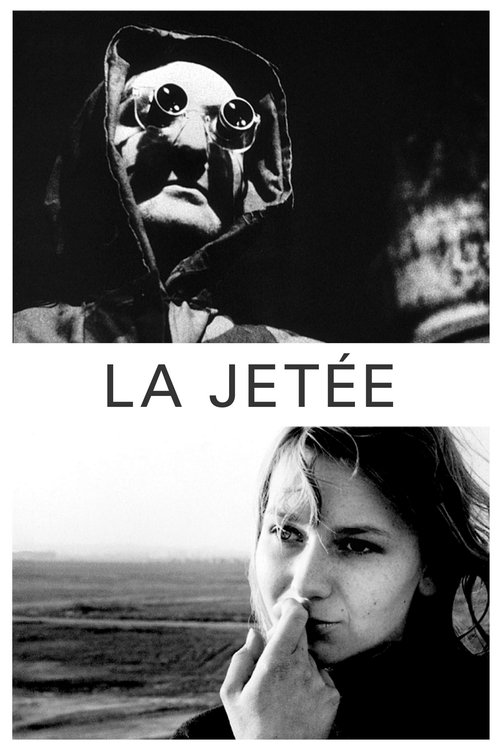
La Jetée1962
Both understand that what you don't see fully is more frightening than what you do; both use constrained visual language to amplify dread.
A post-apocalyptic love story told almost entirely in still photographs. Science-fiction rather than horror, but it achieves Skinamarink's effect of trapping you in time—memory and loss create the atmosphere, not monsters.
But Entirely still images with voice-over; it requires active imaginative work rather than passive watching, and that alone will exclude many viewers.
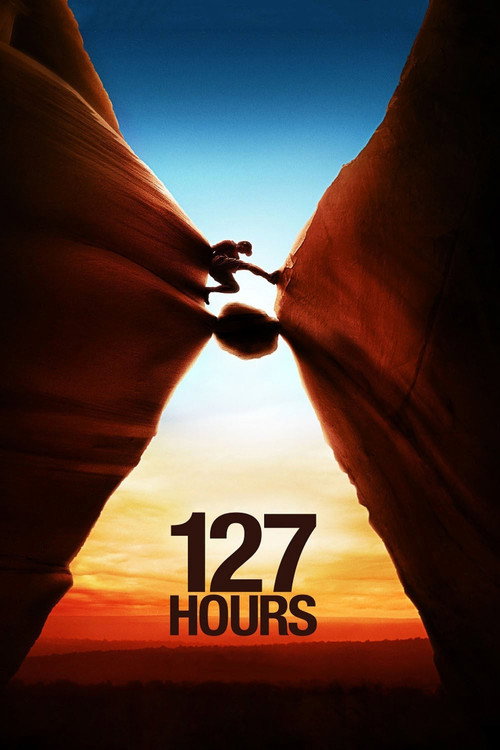
127 Hours2010
Both trap their protagonists in spaces that become hostile and impossible; both derive terror from confinement and the erosion of escape routes rather than external monsters.
A man trapped by a boulder in a canyon for five days. Not horror in genre, but it's genuinely horrifying—the siege of space, time, and the body creates suffocation equivalent to anything supernatural. James Franco, alone, acting his heart out.
But Extremely physical and claustrophobic; the real-world stakes mean there's genuine pain rather than fictional threat, which many find harder to bear.
People
Cast
- Lucas PaulKevin
 Dali Rose TetreaultKaylee
 Ross PaulDad
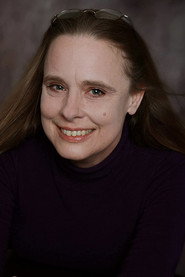 Jaime HillMom
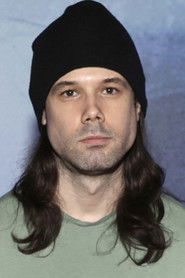 Kyle Edward BallEntity (voice) (uncredited)
Directing
- Joshua BookhalterAssistant Director
- Kyle Edward BallDirector
Writing
- Kyle Edward BallWriter
Production
- Ava KarvonenExecutive Producer
- Edmon RoteaExecutive Producer
- Jonathan BarkanExecutive Producer
- Josh DokeExecutive Producer
- Dylan PearceProducer