
Film
Hokum
- Haunted-house horror
- Very dark
A writer retreats to a remote Irish inn to scatter his parents' ashes and gets tangled in folk horror. Hokum leans into atmosphere and dread over jump scares, building something that feels genuinely unsettling—the kind of film where the hotel itself becomes a character. It's for people who want their horror to breathe, to linger, to make you question what's real.
If you liked this
The Wailing2016
A Korean masterpiece that blurs supernatural horror with psychological mystery. Like Hokum, it plants doubt—you're never sure who the real threat is, and the film rewards your paranoia with genuine dread and thematic depth.
But It's 156 minutes and deliberately opaque. Some viewers find the ambiguity frustrating rather than haunting; others just want clearer answers than the film is willing to give.

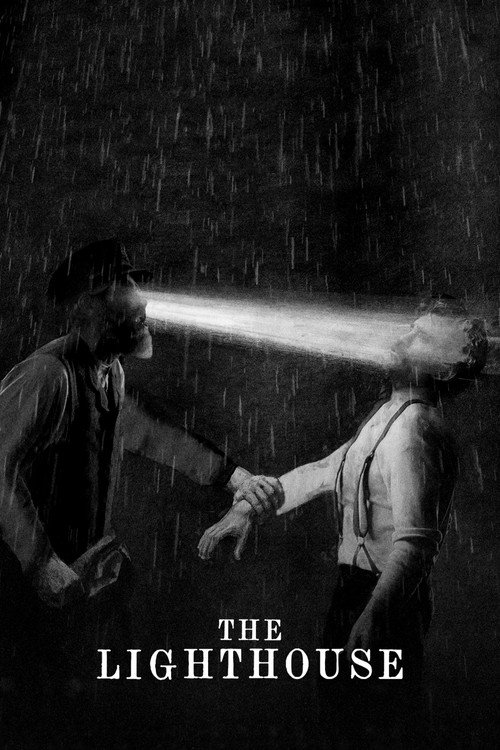
The Lighthouse2019
Two men, isolation, creeping madness, and a location that feels cursed. Like Hokum, it uses confined space and folk mythology to create an inescapable sense of wrongness. Visually and tonally hypnotic.
But Black-and-white cinematography and a deliberately archaic style alienate viewers who want their horror modern and accessible. Some find it glacially slow.
Mulholland Drive2001
A film where reality frays at the edges and you can't trust what you're seeing. It shares Hokum's commitment to atmosphere over exposition, forcing you to piece together what's happening through mood and visual language.
But It's a puzzle box that doesn't have a satisfying solution. If you need clarity, this will leave you frustrated. At three hours, it demands patience most thrillers don't ask for.

Not sure tonight? Get a pick in a minute, starting from Hokum
The wildcard
Something you would not have found on your own.
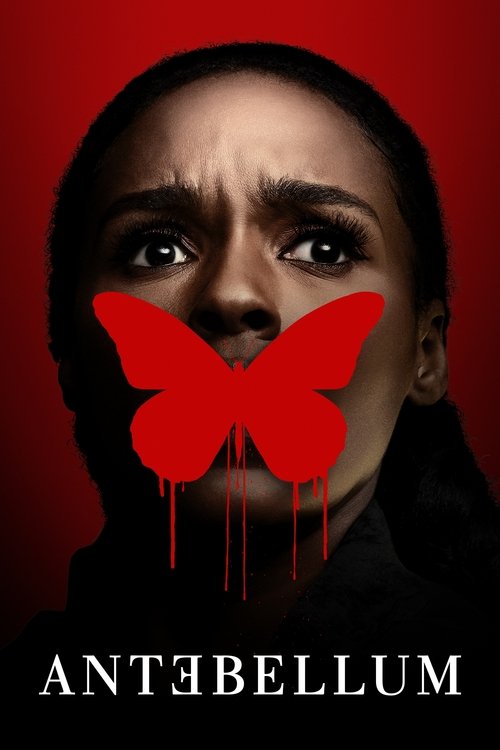
Antebellum2020
Both use psychological trauma and ambiguous reality to create horror. Neither is content with ghosts or monsters—the real horror emerges from what the protagonist brings with them, and what the location reveals about their damage.
A Black horror film that uses temporal disorientation and psychological fragmentation as its engine. Like Hokum, it builds horror from uncertainty and places the protagonist in a situation where past and present collapse. Visually ambitious and thematically rich.
But The twist and its execution divide viewers sharply. Some find it brilliantly unsettling; others feel it's didactic or exploitative. The tonal shifts will frustrate viewers wanting consistent dread.
More like this (8)
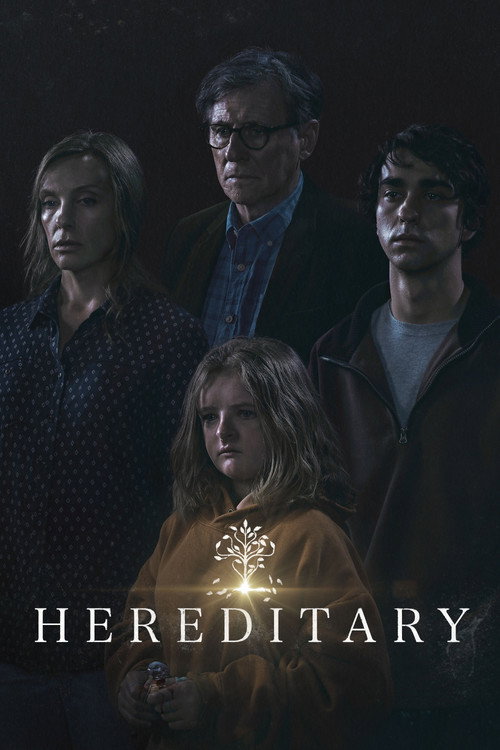
Hereditary2018
A family curse that feels deeply personal and genuinely terrifying. It matches Hokum's willingness to let horror emerge from character and mythology rather than cheap scares. Beautifully crafted dread throughout.
But It's genuinely distressing—grief, loss, and trauma are used as horror fuel. Not a film you watch for catharsis. Some scenes are deliberately difficult to look at.
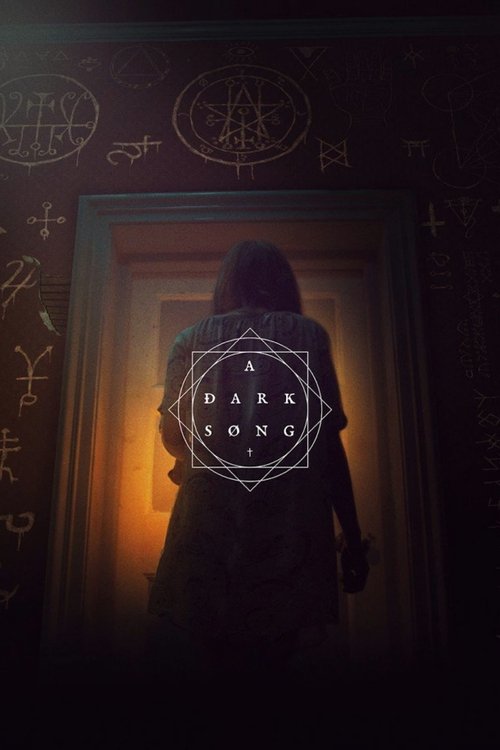
A Dark Song2016
Occult horror that's actually about processing grief. Two people in a remote house summoning something—or someone. It shares Hokum's slow-burn approach and its interest in how trauma warps perception.
But Extremely quiet and introspective. The horror is mostly internal. If you're hoping for scares or action, you'll be disappointed by its meditative pace.
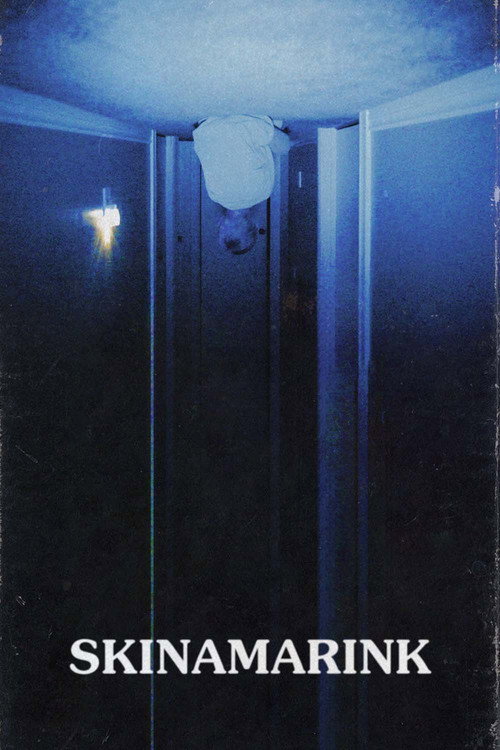
Skinamarink2023
A nightmare logic film about children in a house where the doors and windows vanish. It's fragmentary and unsettling in ways that feel more like dread than plot. Shares Hokum's trust in atmosphere over narrative.
But There's barely a plot. The dialogue is mumbled, the imagery abstract. It's an endurance test—some call it brilliant, others find it impenetrable pretension.
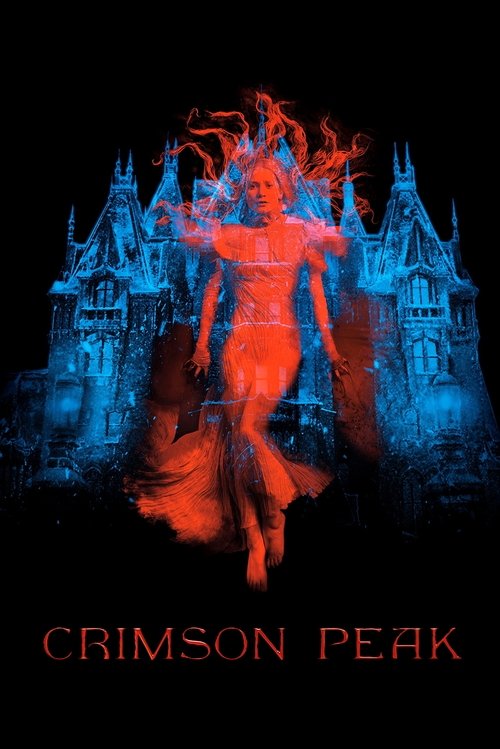
Crimson Peak2015
Gothic romance that becomes gothic horror. Guillermo del Toro's eye for design creates a haunted mansion that rivals any in cinema. It understands that the best supernatural horror is rooted in genuine dread.
But It leans toward beauty and style sometimes at the expense of genuine scares. If you want visceral horror, del Toro's visual elegance might feel like constraint.
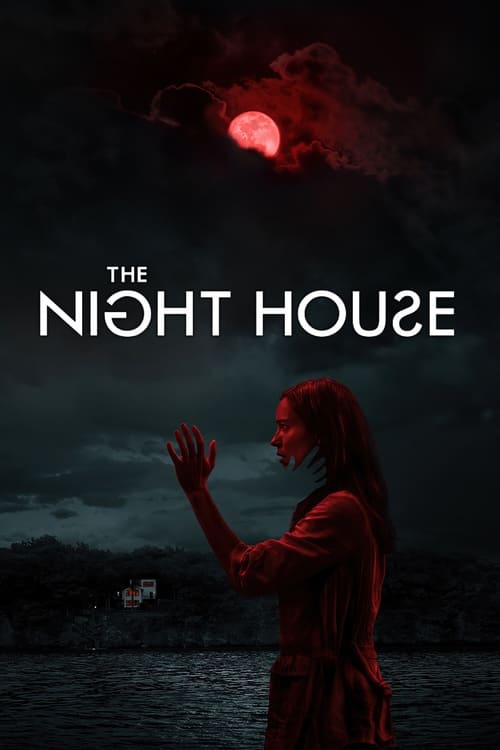
The Night House2021
A widow haunted by her late husband's secrets in their isolated home. Grief becomes the real horror. It mirrors Hokum's willingness to make the personal supernatural and the supernatural deeply personal.
But Very introspective; the horror is existential rather than external. Rebecca Hall's performance is wonderful but mournful—not the crowd-pleasing dynamic you might expect from a thriller.
Under the Skin2014
Scarlett Johansson in a science-fiction horror about an alien predator. Hypnotic, visually stunning, methodical dread. It shares Hokum's commitment to mood and its refusal to explain itself to the audience.
But Deliberately slow and largely dialogue-free. Long stretches have no conventional narrative momentum. Some find it beautiful; others find it frustratingly opaque and boring.

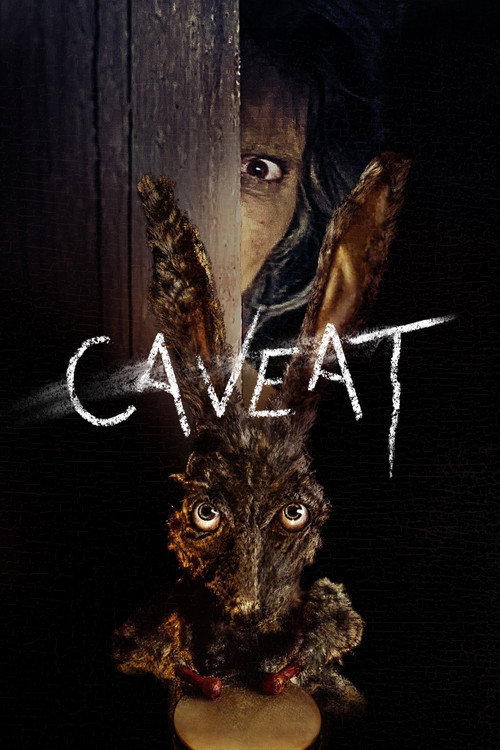
Caveat2021
Both are rooted in Irish mythology and landscape. Both trust their setting to do narrative work. Both understand that folk horror isn't about explaining—it's about feeling like something old and wrong is happening just outside your understanding.
An Irish folk-horror film (also shot there) that feels like an accidental rediscovery of something disturbing. Shot on VHS-quality cameras, it creates authentic dread through constraint and decay. Genuinely unsettling in ways that feel almost accidental.
But The image quality is intentionally degraded and hard to watch. The narrative is fragmented, almost stream-of-consciousness. It prioritizes unease over comprehension, which many viewers find maddening rather than gripping.
Come True2020
Both prioritize the experience of unreality over plot mechanics. Both place an isolated protagonist in a location that becomes increasingly nightmarish and hallucinogenic. Both understand that horror is most effective when you can't quite see what's happening.
A science-fiction horror about sleep studies that drifts into genuine nightmare logic. It's hallucinogenic and formally inventive—the kind of film that makes you question whether what you're watching is really happening. Visually extraordinary and deeply unsettling.
But It's abstract and experimental. Plot is deliberately subordinate to mood and visual language. If you need a coherent narrative and clear cause-and-effect, this will frustrate you deeply.
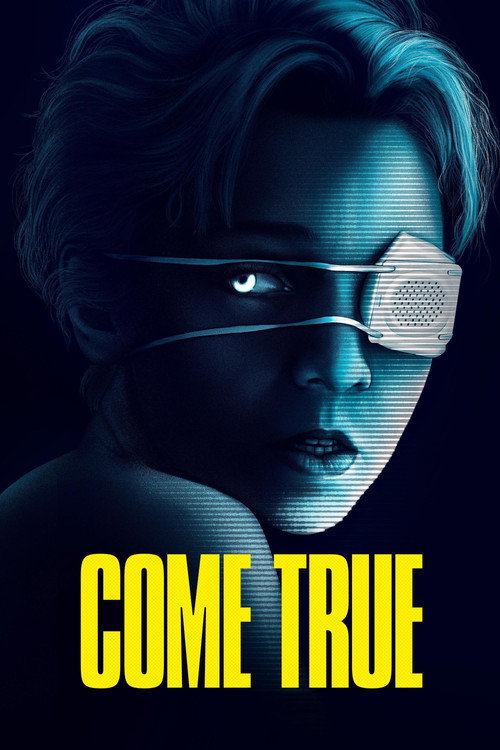
People
Cast
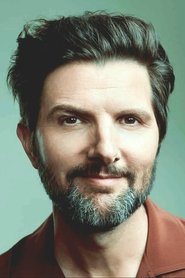 Adam ScottOhm Bauman
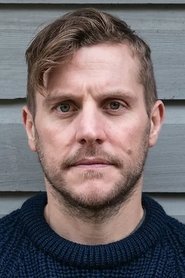 Peter CoonanMal
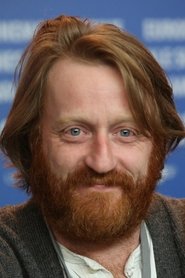 David WilmotJerry
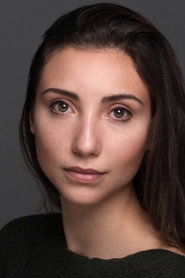 Florence OrdeshFiona
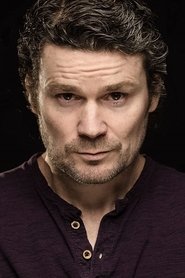 Michael PatricFergal
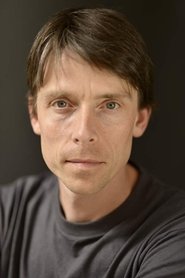 Will O'ConnellAlby / Jack (The Jackass)
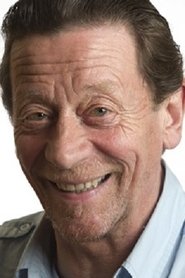
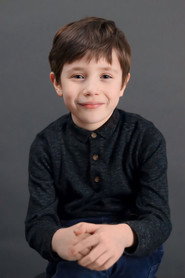
 Austin AmelioConquistador
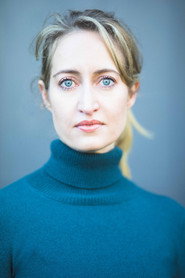 Mallory AdamsOhm's Mother
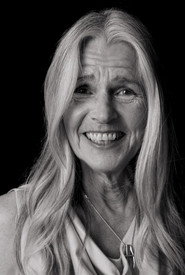 Sioux CarrollWitch
- Brian BowlerBackground Actor
Directing
- Adam ByrneAssistant Director Trainee
- Damian McCarthyDirector
- Jim CorrFirst Assistant Director
- Áine Máire Ní TháibhísScript Supervisor
- Fiona LanhamScript Supervisor
- Carmen KovacsSecond Assistant Director
- Noel McInerneyThird Assistant Director
Writing
- Damian McCarthyWriter
Production
- Gayle SmithAssistant Production Coordinator
- Kyle HoldenAssociate Producer
- Emma GunneryCasting Director
- Jakob PollackCo-Producer
- Andrew ChildsExecutive Producer
- Ben RossExecutive Producer
- Bryan MengExecutive Producer
- Dan KaganExecutive Producer
- Evan O'BrienExecutive Producer
- Jeff DeutchmanExecutive Producer
- Josh RosenbaumExecutive Producer
- Keith PotterExecutive Producer
- Ken KaoExecutive Producer
- Rami YasinExecutive Producer
- Ryan FrisciaExecutive Producer
- Terence ChanExecutive Producer
- Tom QuinnExecutive Producer
- Ivan McMahonLine Producer
- Emma PayneLocation Manager
- Derek DauchyProducer
- Julianne FordeProducer
- Mairtín de BarraProducer
- Roy LeeProducer
- Ruth TreacyProducer
- Steven SchneiderProducer
- Cristian BadeaProduction Coordinator