
Film
Children of the Corn
- Folk horror
- Fantasy
- Very dark
A couple's car breaks down in a remote Nebraska town where children have murdered all the adults and now worship a vengeful entity in the cornfields. It's a lean, efficient slasher with an genuinely unsettling premise—the inversion of children as victims makes it sting differently. Essential eighties horror, and proof that Stephen King's short stories often translate better than his novels.
Should you watch it?
Watch it if you enjoy small-town unease and a slow-building dread where the scariest thing is a community that has quietly gone wrong, with a 1980s rural horror texture you can almost smell.
Skip it if you need a constant stream of scares or a faster pace, since much of the runtime is spent on mood and wandering through eerie empty streets before anything truly frightening happens.
What it asks of you: Under ninety minutes, it moves at an unhurried pace and stays patient, so you need to be willing to sit with atmosphere and accept the bleak, grim tone for long stretches.
Not sure? Find tonight's pick in a minute.
If you liked this
The Wailing2016
A village is gripped by a mysterious illness. A detective investigates a stranger's arrival. Religious faith, paranoia, and moral certainty collapse under scrutiny. Atmospheric, intelligent, and deeply disturbing without relying on jump scares.
But Korean cinema demands patience, and this deliberately withholds answers. At 156 minutes, it's a commitment that doesn't coddle you.

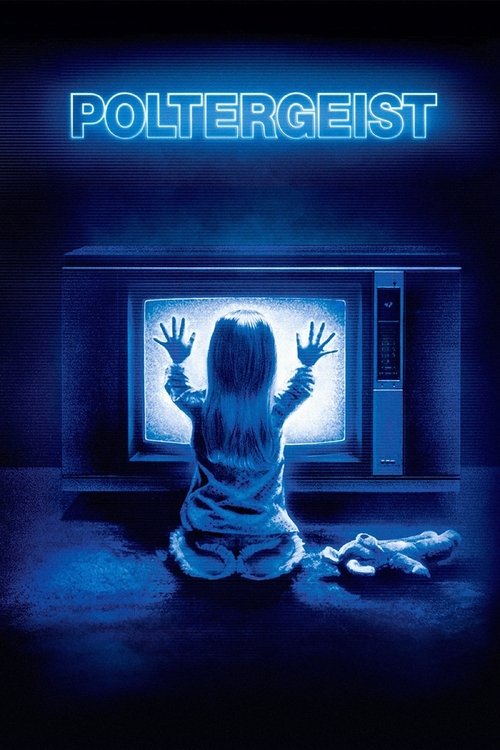
Poltergeist1982
A family's home is invaded by entities. Spielberg produced; Tobe Hooper directed. The craft is immaculate—genuine dread built through sound design and editing rather than gore. A masterclass in suburban horror.
But The special effects have aged unevenly, and the script occasionally talks down to its audience in ways that can take you out of the fear.
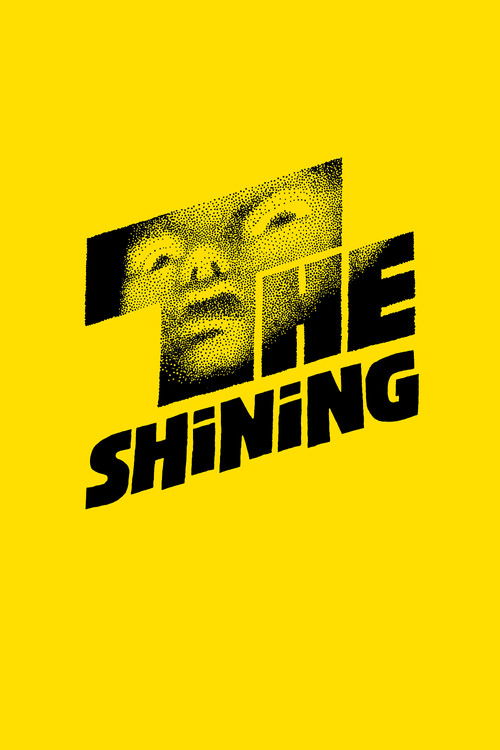
The Shining1980
Kubrick's adaptation of King transmutes source material into something colder and more architectural. Indelible images, impossible performances, a hotel that becomes a character. Horror as psychological labyrinth.
But Kubrick's detachment can read as bloodless. If you want visceral terror, this is icy abstraction instead.
Not sure tonight? Get a pick in a minute, starting from Children of the Corn
The wildcard
Something you would not have found on your own.
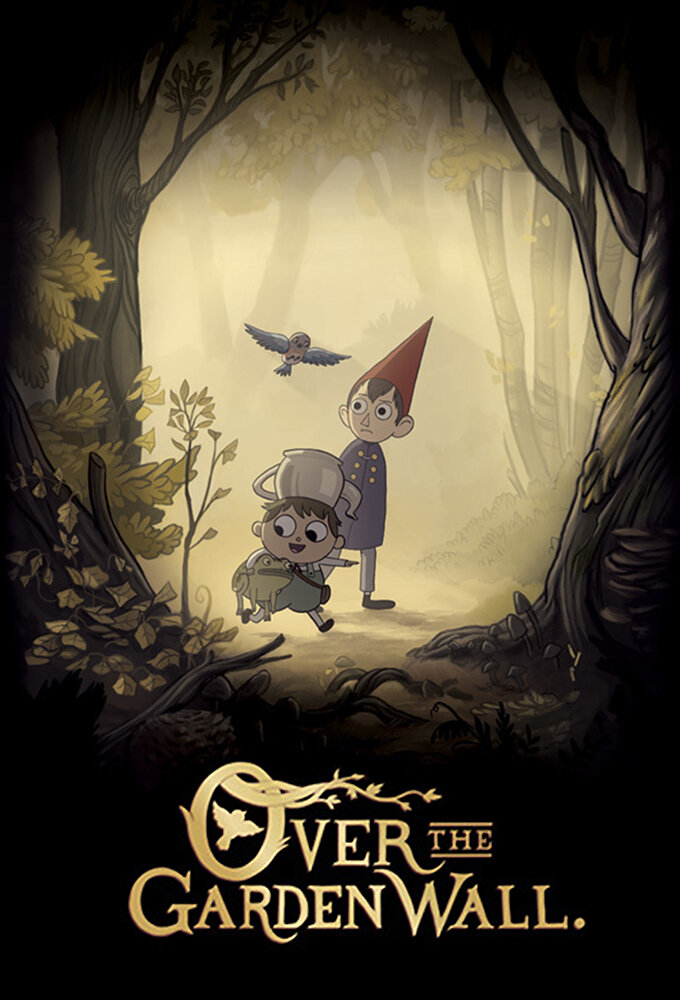
Over the Garden Wall2014
Both trap their protagonists in landscapes that become characters, where isolation breeds cultlike thinking and the real horror is the loss of innocence and agency.
Two brothers are lost in a mysterious forest. Nine episodes, each a miniature narrative arc. It's a fairy tale with genuine darkness—folklore, Americana, and existential dread woven into folk melodies and wet autumn leaves. Heartbreaking and hypnotic.
But It's on the children's network Cartoon Network, which means some expect it to be lighter than it is. The pacing rewards patience; it won't grab you with spectacle.
More like this (8)
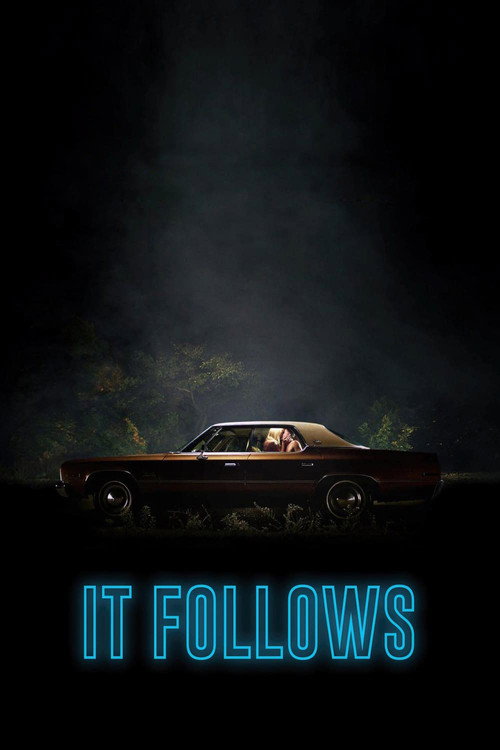
It Follows2015
A teenager is cursed; something follows her, slowly, relentlessly, taking any form. Original concept, hypnotic synthesizer score, and a visual language entirely its own. Modern horror that trusts your intelligence.
But The logic of the curse doesn't always hold up under examination, and some will find the pace too deliberate.
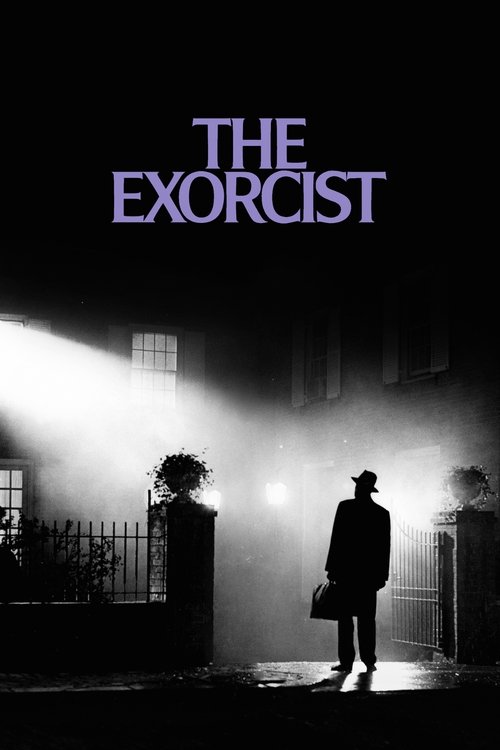
The Exorcist1973
A girl is possessed; a priest loses his faith. Friedkin's masterpiece remains the highest bar for horror cinema—theologically rigorous, visually audacious, genuinely transgressive. It earned every reputation it has.
But Over fifty years old and still legitimately disturbing, which means it commits fully to blasphemy and bodily degradation. Not for the squeamish.
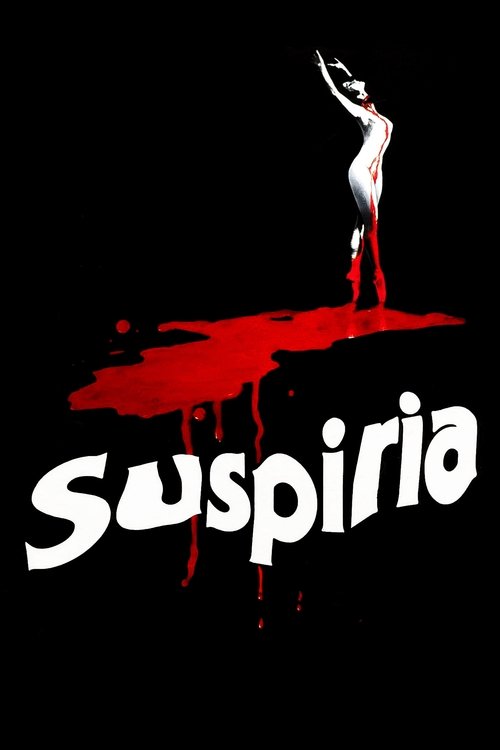
Suspiria1977
A young dancer joins a prestigious academy. It's a ballet of murder and witchcraft, drenched in primary colors and Goblin's pulsing score. Pure cinema—plot matters less than mood and the hypnotic visual language.
But Goblin's electronic score and European surrealism won't click for everyone. It's stylization over realism, which some find cold.
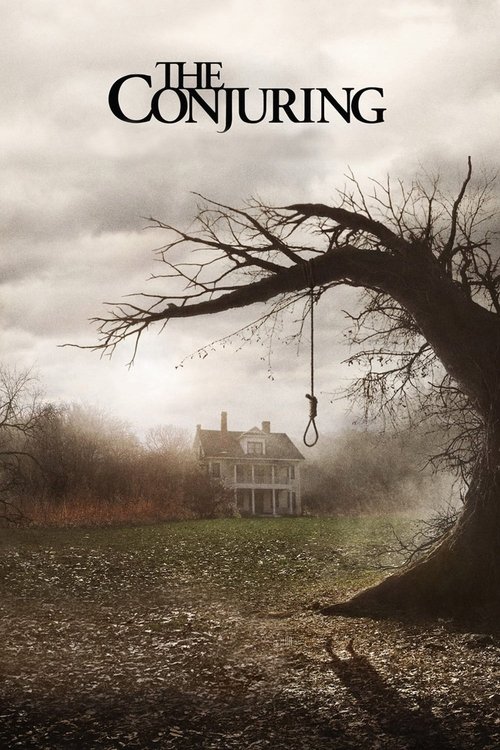
The Conjuring2013
A family is haunted; paranormal investigators intervene. James Wan builds tension methodically—jump scares that earn themselves through setup. Technically superb, genuinely creepy, and fun without winking at you.
But It's a well-made haunted house film, but it doesn't reinvent the wheel. If you've seen several of these, the formula shows.
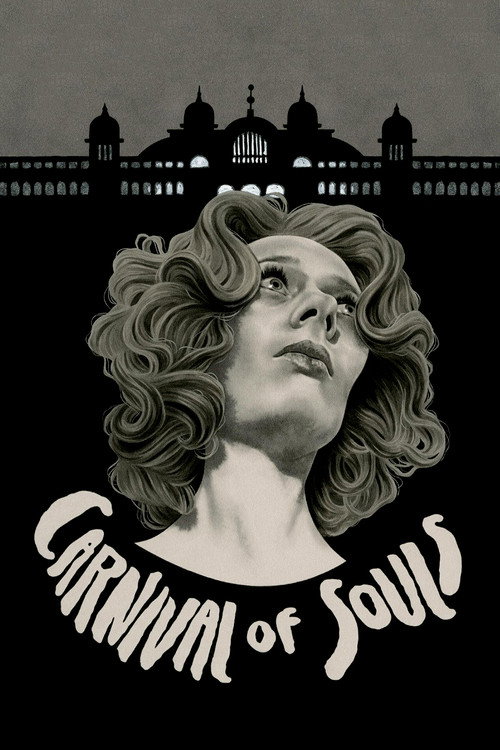
Carnival of Souls1962
A woman survives a car crash and begins to see a phantom carnival and the dead. Made on a shoestring, it has dream logic and genuine alienation. Eerie, unexplainable, proof that budget matters less than vision.
But The acting is community-theater uneven, and the pacing drags in the middle. It requires patience and tolerance for B-movie craft.
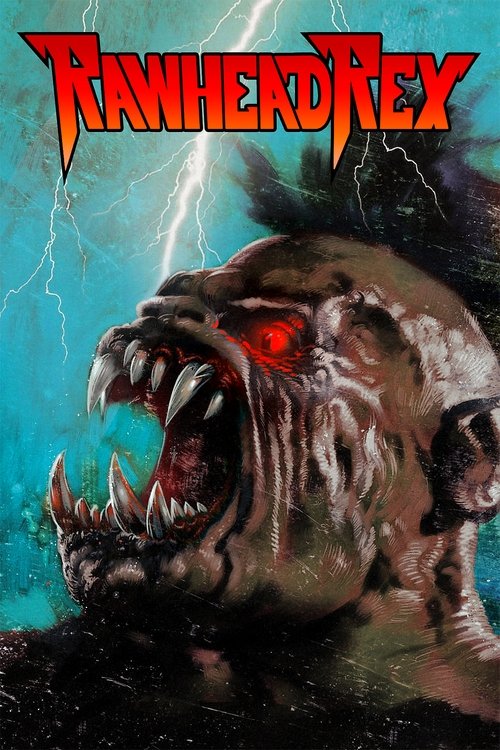
Rawhead Rex1986
A farmer discovers a pagan creature beneath the soil. Barker's direction is baroque and energetic, the creature design grotesque and memorable. It's trashy and committed—no apologies, all commitment.
But The script is serviceable at best, the acting occasionally wooden. It coasts on spectacle and atmosphere rather than character or dialogue.
Midsommar2019
Both examine how communities can collectively rationalize atrocity, and how outsiders are rendered helpless by systems they don't understand—except Aster stages his horror in the sun, where Children of the Corn hid theirs in shadow.
A woman travels to a Swedish festival that isn't what it seems. Ari Aster's daylight horror—the dread happens in broad daylight, among flowers, with smiling faces. Visually gorgeous and deeply unsettling. A masterwork of misdirection.
But At 148 minutes, it's patient and demanding. Graphic body horror and grief are its language; it's not cathartic, just bleak.

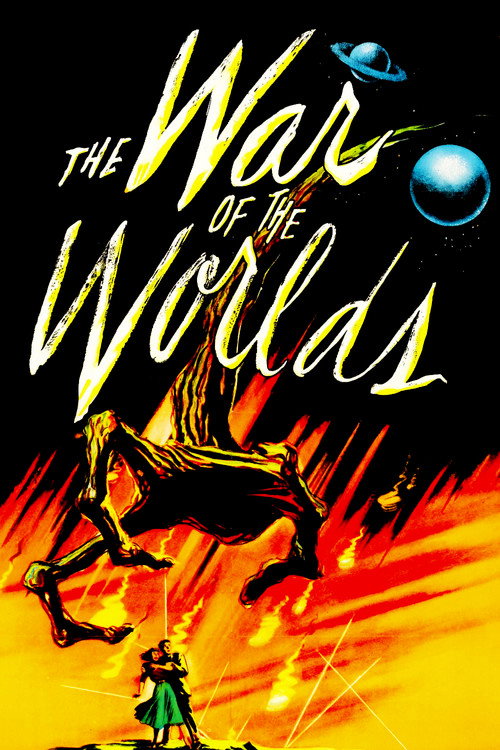
The War of the Worlds1953
Both are King-derived tales about communities in crisis looking to false gods—children to 'He Who Walks Behind the Rows,' Americans to prayer—and both suggest faith itself can be the trap.
Martians invade California. Filmed in 1953, this Paramount spectacle is less about aliens than about American religious faith as a final defense. Theological science fiction dressed as invasion narrative. Earnest, strange, visually inventive.
But Fifties cinema moves at fifties pace. The special effects are dated, the gender politics are period-accurate in the worst ways, and it takes itself very seriously indeed.
People
Cast
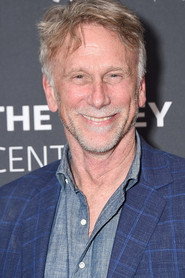 Peter HortonBurton Stanton
 Linda HamiltonVicky
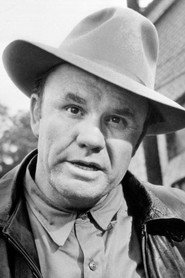 R.G. ArmstrongDiehl
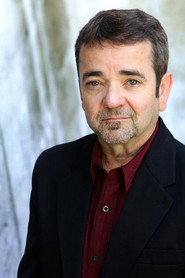 John FranklinIsaac Chroner
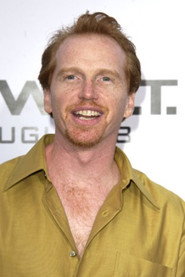 Courtney GainsMalachai
 Anne Marie McEvoySarah
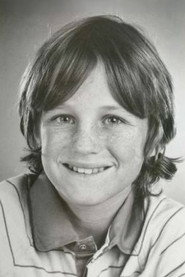 Robby KigerJob
 Julie MaddalenaRachel
- Jonas MarloweJoseph
 John PhilbinAmos
- Dan SnookBoy
- David CowenDad
Directing
- Fritz KierschDirector
Writing
- George GoldsmithScreenplay
- Stephen KingShort Story
Production
- Mark LipsonAssociate Producer
- Linda FrancisCasting
- Charles WeberExecutive Producer
- Earl A. GlickExecutive Producer
- Donald P. BorchersProducer
- Terrence KirbyProducer