
Film
Village of the Damned
A brisk, black-and-white British chiller from 1960 about the eeriest children horror has produced: pale-haired, wide-eyed, and utterly calm, sharing one mind and no mercy at all. George Sanders plays a father torn between love and horror with cold English composure while the film builds dread through implication rather than gore. Efficient, unsettling, and hugely influential — 77 lean minutes that changed what an evil child could look like on screen.
If you liked this
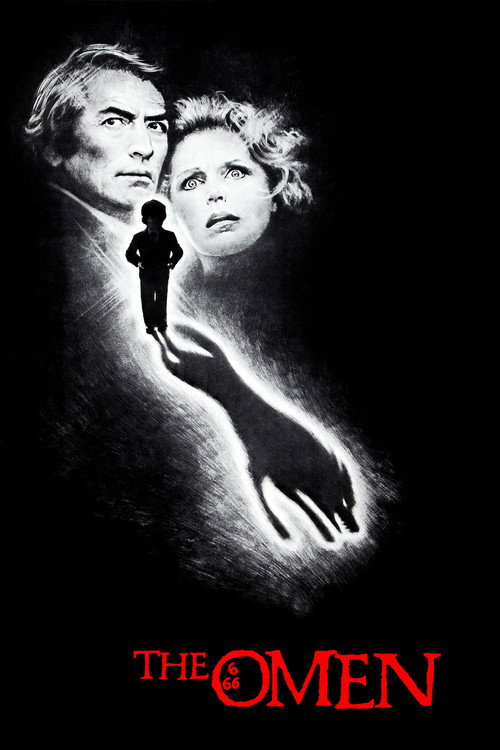
The Omen1976
Damien is the definitive evil-child descendant of Village's blond-eyed brood, wrapped in Richard Donner's stately dread and Jerry Goldsmith's choir-of-the-damned score. It made 'the child is wrong' a whole subgenre.
But The satanic-conspiracy plotting can feel heavy-handed next to the earlier film's cool, quiet restraint.
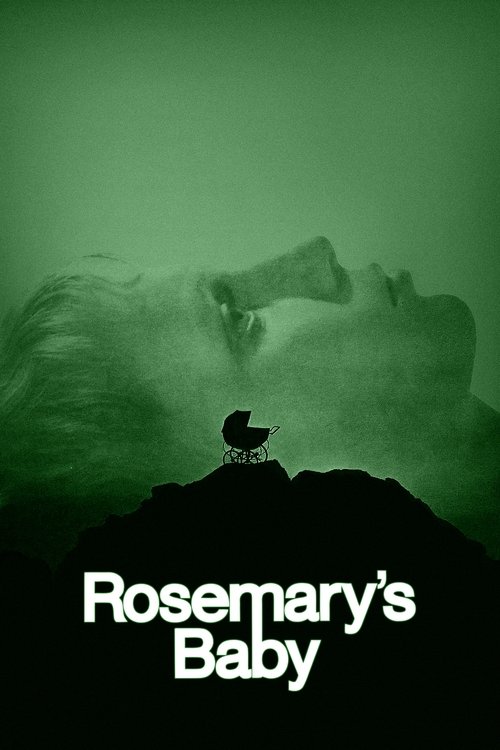
Rosemary's Baby1968
Polanski turns pregnancy itself into the horror, tracing the same dread of a mother realizing her child answers to something other than her. Claustrophobic, elegant, and quietly terrifying throughout.
But Slow burn with almost no scares in the traditional sense — this is psychological dread, not jump-scares.
Children of the Damned1964no page yet
The direct sequel widens the lens to six countries and swaps rural unease for Cold War geopolitics, asking what a government does with children it genuinely cannot control.
But Loses the intimate village setting and much of the original's eerie hush; it's more thriller than horror.
The wildcard
Something you would not have found on your own.
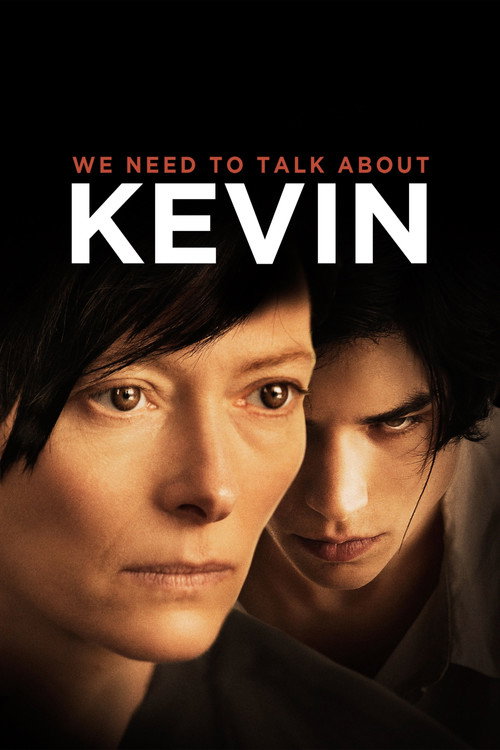
We Need to Talk About Kevin2011
Same central dread — a mother facing a child she cannot love or control — but played as unflinching domestic realism instead of science fiction, with nothing supernatural to soften the blame.
Lynne Ramsay strips away the aliens entirely and asks the question Village only dares to whisper: what if your child is simply, monstrously wrong, with no invasion to blame? Tilda Swinton's performance is devastating.
But There's no genre pleasure to hide behind — it's grief and horror with nowhere to look away.
More like this (8)
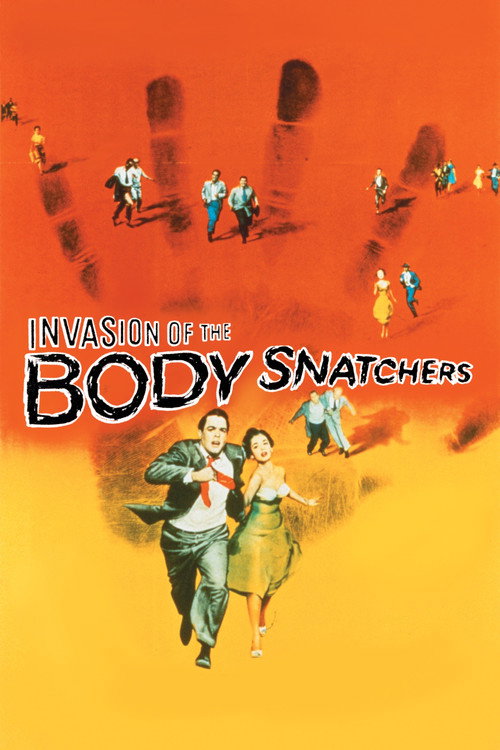
Invasion of the Body Snatchers1956
The same paranoid engine — your neighbours are no longer quite themselves — powers this Cold War classic, one of the most influential B-movies ever made.
But No children involved, and the effects show their age; it's suspense rather than outright horror.
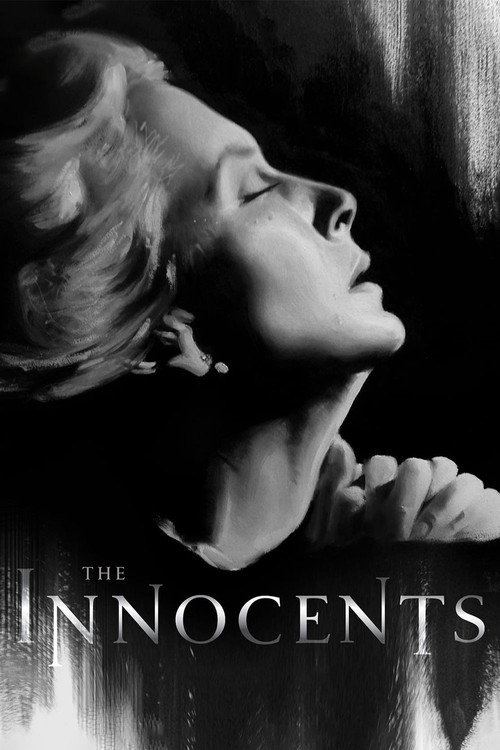
The Innocents1961
Deborah Kerr unravels around two eerily poised children who may or may not be possessed, in a film that trades sci-fi for pure Gothic ambiguity and dread.
But Glacially paced by modern standards and deliberately unclear about what's actually happening onscreen.
The Midwich Cuckoos2022no page yet
A modern adaptation of the same source novel, stretched to six hours, giving the mothers and the fallout far more room to breathe than any film could.
But Some found the update's tonal shifts uneven, lacking the original film's tight, eerie economy.
Children of the Corn1984no page yet
Trades the golden-eyed toddlers for murderous teenagers and Nebraska cornfields, but keeps the same nightmare: children who've turned against the adults who made them.
But Cheaper, campier, and far less disciplined — this is B-movie horror, not the original's cool menace.
It Follows2015
A completely different monster, but the same slow dread of something coming for you that you can't out-think, wrapped in an eerie suburban stillness.
But No literal children or aliens — a stretch for anyone wanting a direct thematic cousin.
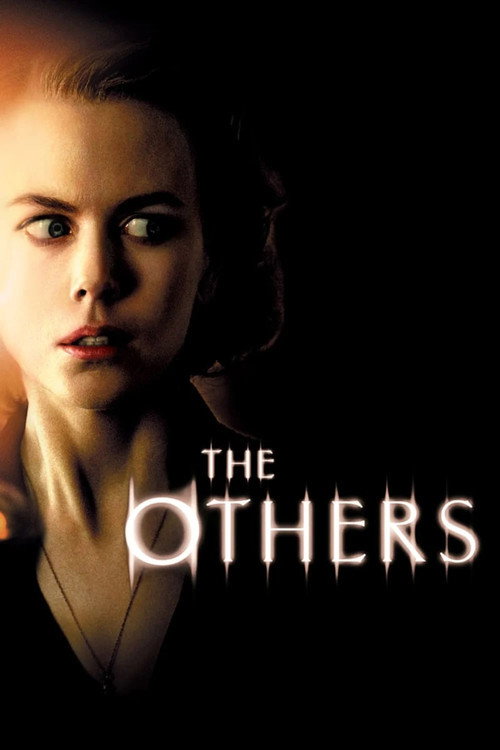
The Others2001
Nicole Kidman anchors a fog-bound haunted house picture that shares the original's hushed, English-manor dread and its careful, late reveal.
But Ghost story rather than sci-fi — the connective tissue is mood and atmosphere, not plot.
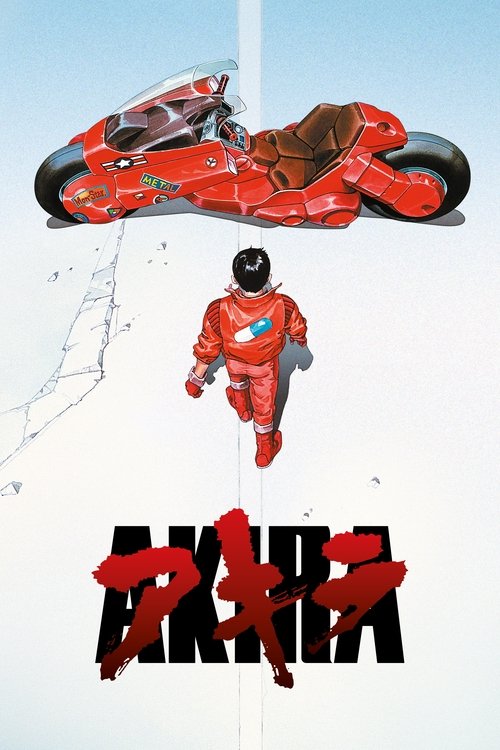
Akira1988
Both hinge on a terrified establishment trying to contain children whose minds have outpaced and endangered their makers — Village does it with cold English restraint, Akira with apocalyptic maximalism.
Swap the English village for neon Tokyo and the golden-eyed children for psychic teenagers, and you get the same nightmare in a wholly different key, rendered in some of the greatest animation ever made.
But Dense, violent, and steeped in 80s anime conventions that can feel disorienting if you've never watched anime before.
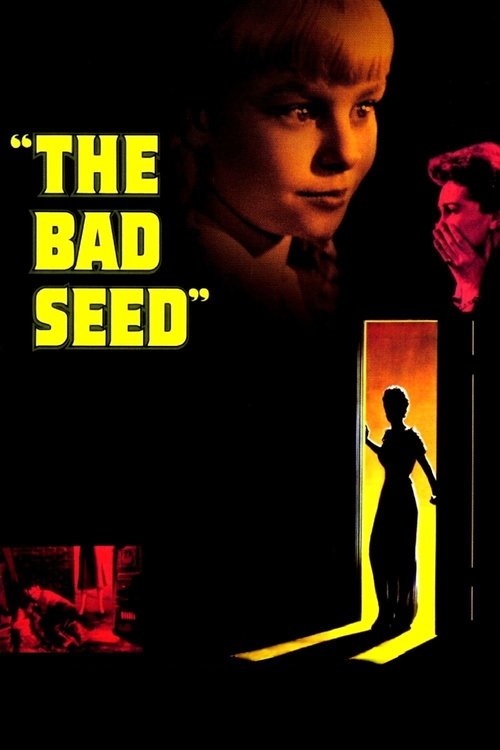
The Bad Seed1956
The same central image — a preternaturally calm, well-mannered child who might be a monster — arrived first here, minus any science-fiction excuse; it's the uncanny-child template Village borrows and gives an alien alibi.
Four years before Village of the Damned, this American melodrama already asked whether a child could simply be born evil, no aliens required, and it's still unsettling in its blank, polite menace.
But Stagey and dated, with a moralising ending forced on it by 1956 censors that undercuts its own nerve.
People
Cast
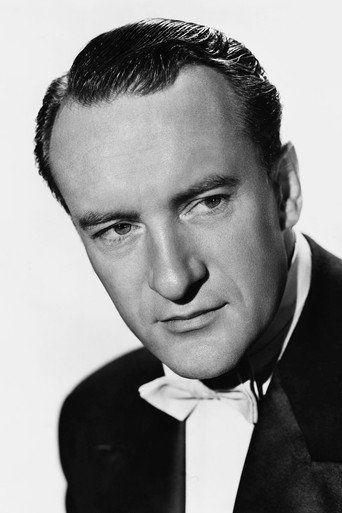 George SandersGordon Zellaby
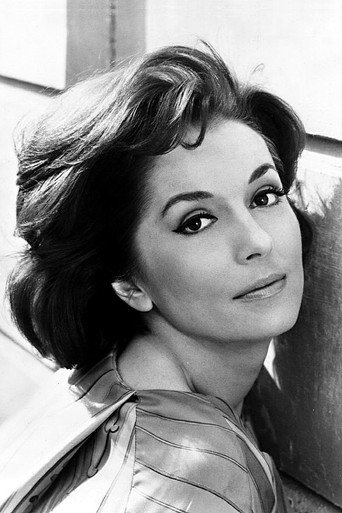 Barbara ShelleyAnthea Zellaby
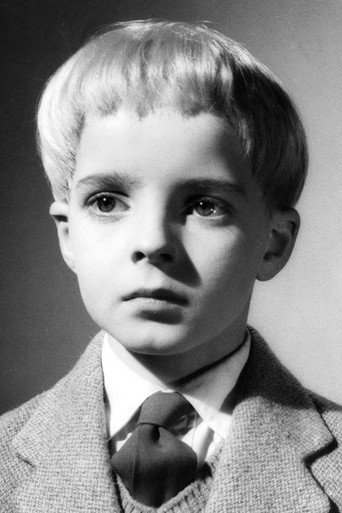 Martin StephensDavid Zellaby
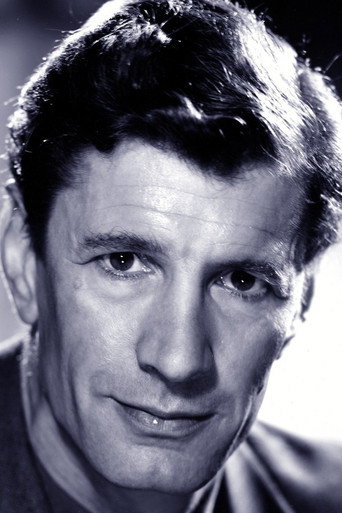 Michael GwynnAlan Bernard
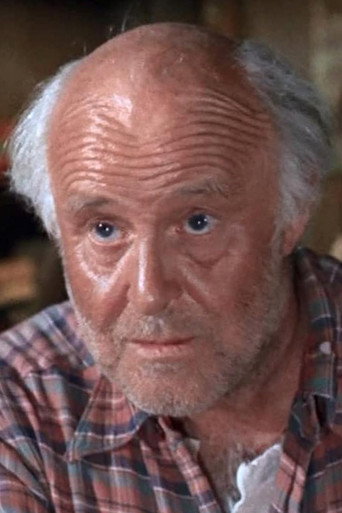 Laurence NaismithDr. Willers
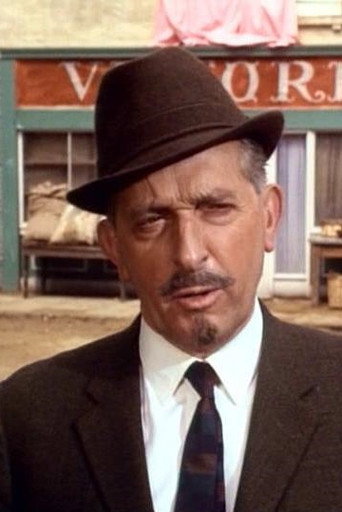 Richard WarnerHarrington
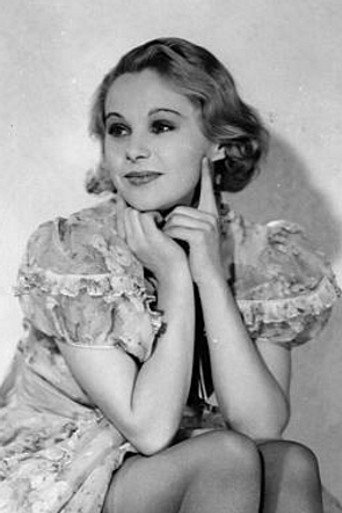 Jenny LairdMrs. Harrington
- Sarah LongEvelyn Harrington
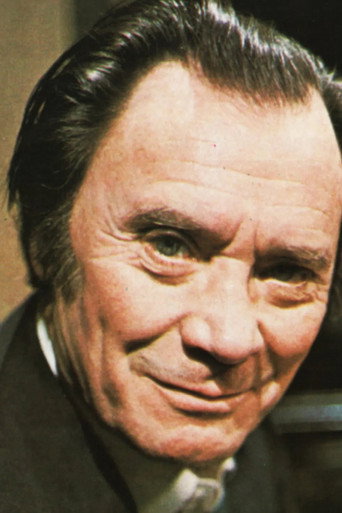 Thomas HeathcoteJames Pawle
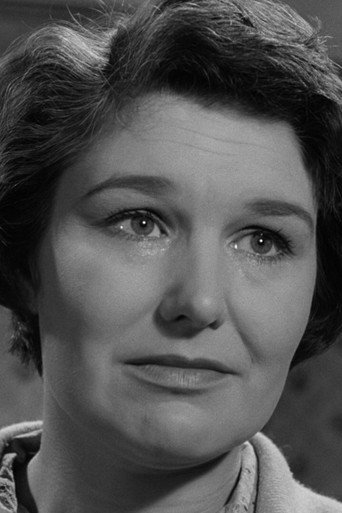 Charlotte MitchellJanet Pawle
- Pamela BuckMilly Hughes
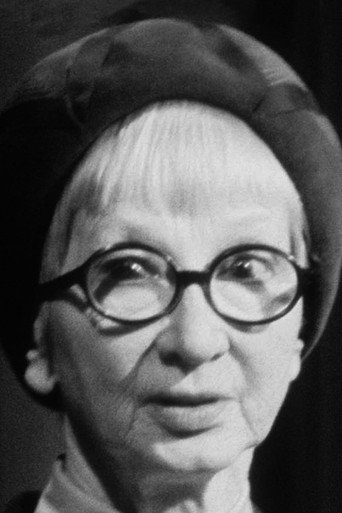 Rosamund GreenwoodMiss Ogle
Directing
- Wolf RillaDirector
- Michael StevensonThird Assistant Director
Writing
- John WyndhamNovel
- Ronald KinnochScreenplay
- Stirling SilliphantScreenplay
- Wolf RillaScreenplay
Production
- Ronald KinnochProducer
- Denis JohnsonProduction Manager
Recommended by
Invasion of the Body Snatchers, Invasion of the Body Snatchers, The Girl with All the Gifts, Signs, Chronicle, The Bad Seed, The White Ribbon, Brightburn, The Omen, Quatermass and the Pit, Quatermass II