
Film
The Lost Weekend
Billy Wilder's unflinching portrait of a writer trapped inside a four-day binge, told with the shadows and nervous energy of film noir even though nobody's committing a crime except against himself. It doesn't moralize, doesn't excuse, and doesn't blink. Tense, occasionally darkly funny, and still startlingly clear-eyed about denial eighty years on.
If you liked this
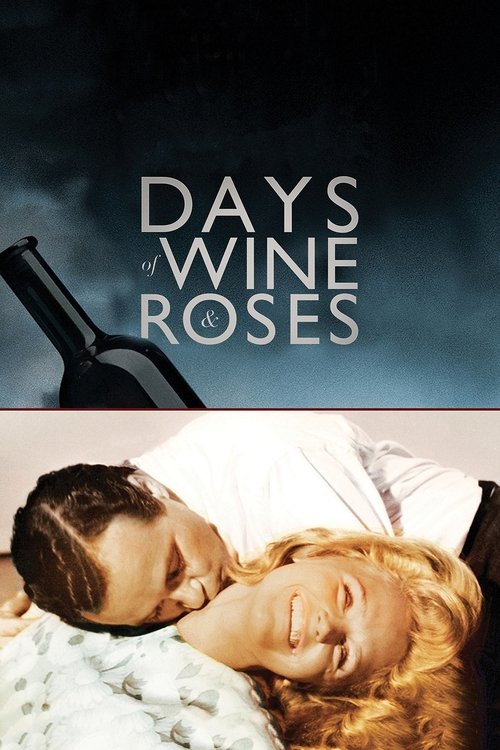
Days of Wine and Roses1963
The clearest heir to Wilder's film: Jack Lemmon and Lee Remick spiral together instead of alone, doubling the wreckage. Same clinical honesty, same refusal to look away, seventeen years further into what alcoholism costs a marriage.
But It's even bleaker than Lost Weekend, with no comic relief and an ending that offers little comfort.
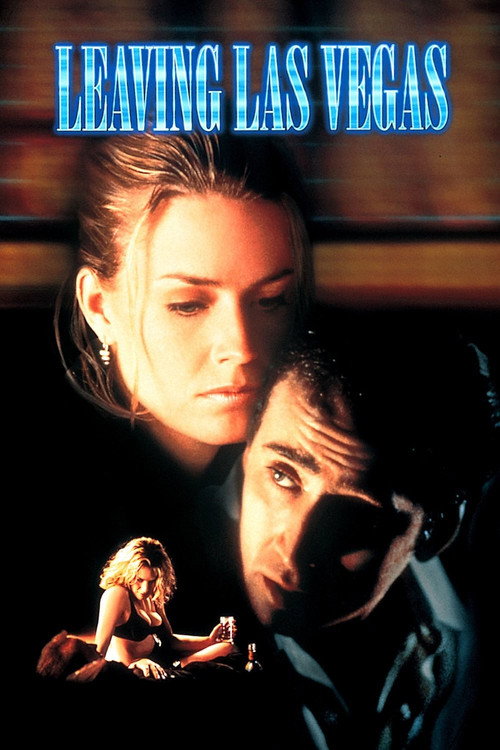
Leaving Las Vegas1995
Nicolas Cage gives one of his most fearless performances as a man who has already decided how his story ends, drinking through Vegas with nothing left to lose. Wilder's curiosity becomes Figgis's elegy.
But Deliberately punishing and sad from the first scene, with none of Wilder's dark wit to leaven it.
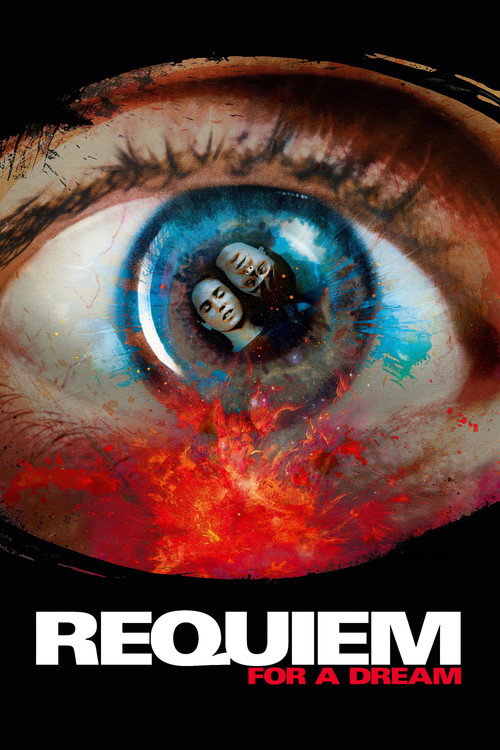
Requiem for a Dream2000
Aronofsky trades gin for heroin and speed, but the trapped, looping mania of addiction—and the refusal to look away from its cost—is pure Birnam, cranked up with strobing style and a merciless final act.
But Visually aggressive and genuinely traumatic; it's a punishing watch rather than a companionable one.
The wildcard
Something you would not have found on your own.
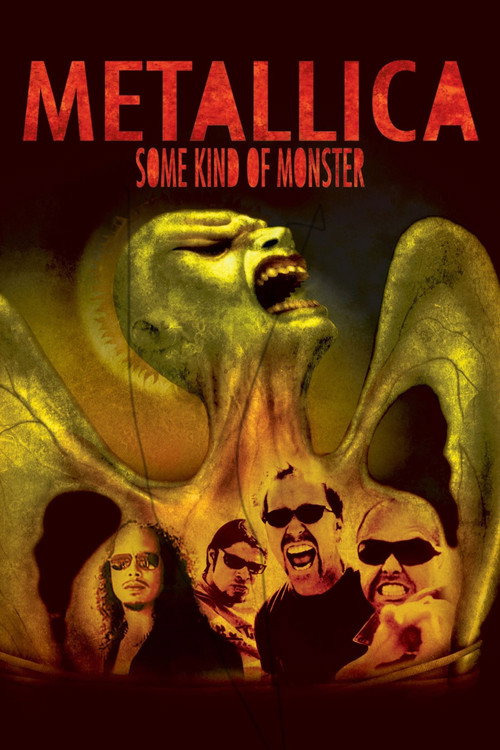
Metallica: Some Kind of Monster2004
Metallica's own implosion, captured on camera with a court-appointed therapist present for the fights: the same denial, self-justification and slow-motion self-sabotage Don Birnam performs for himself, except this time it's real and nobody wrote the dialogue.
A documentary about a band falling apart that plays like the least scripted addiction drama ever made—raw, embarrassing, occasionally hilarious, always painfully honest about ego as its own kind of intoxicant.
But It's about band dysfunction and therapy as much as substance abuse, so the parallel is more emotional than literal.
More like this (8)
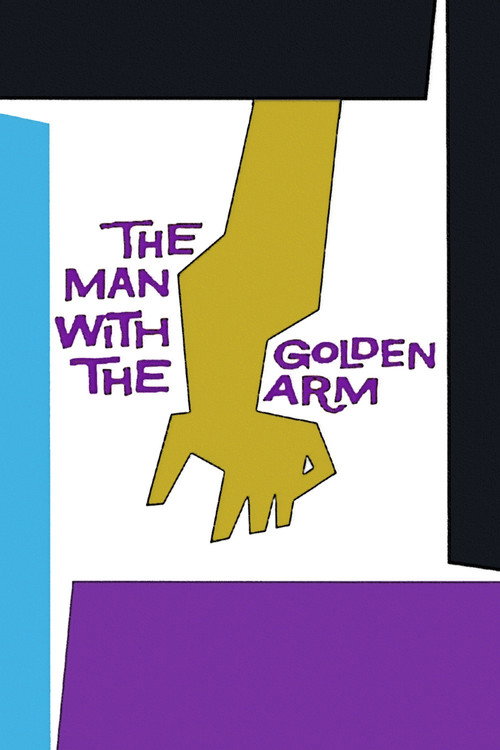
The Man with the Golden Arm1955
Frank Sinatra as a heroin addict trying to go straight, made a decade after Wilder broke the taboo on depicting addiction honestly, and just as bold for its own era. Preminger's version of the same nerve.
But Its visual grammar of addiction now feels dated next to the more clinical modern approach.
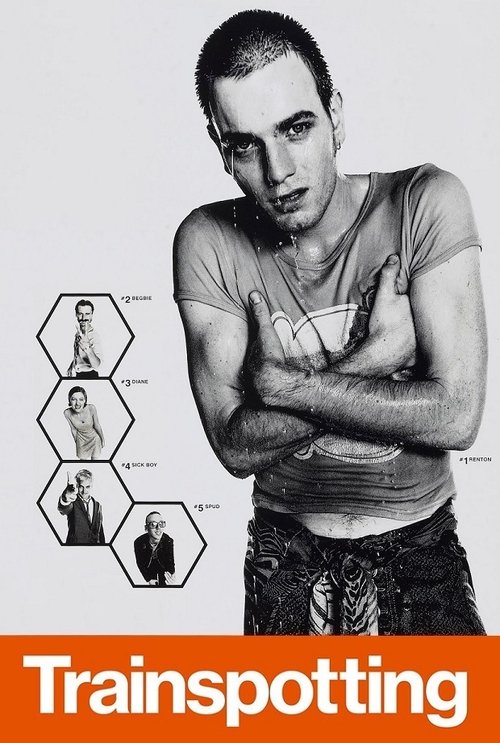
Trainspotting1996
Same core subject, entirely different register: druggy, funny, kinetic, and horrifying by turns, with an energy Wilder's black-and-white restraint never attempts. The comedown hits just as hard.
But Its stylised swagger and dark comedy might feel like tonal whiplash if you want something as sober as Wilder's film.
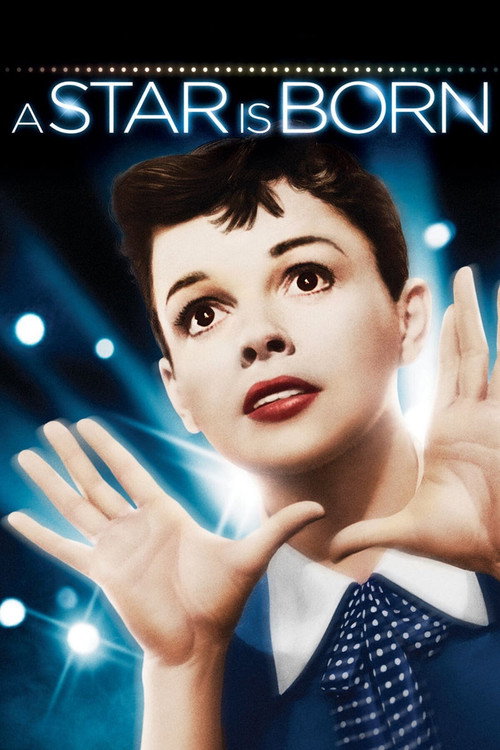
A Star Is Born1954
James Mason's alcoholic star watches his wife's career eclipse his own drink by drink, in a film made almost exactly when Wilder's was still fresh, using melodrama and Technicolor to reach the same rock bottom.
But It's a showbiz tragedy first, addiction study second, and its musical numbers pull focus from the drinking.
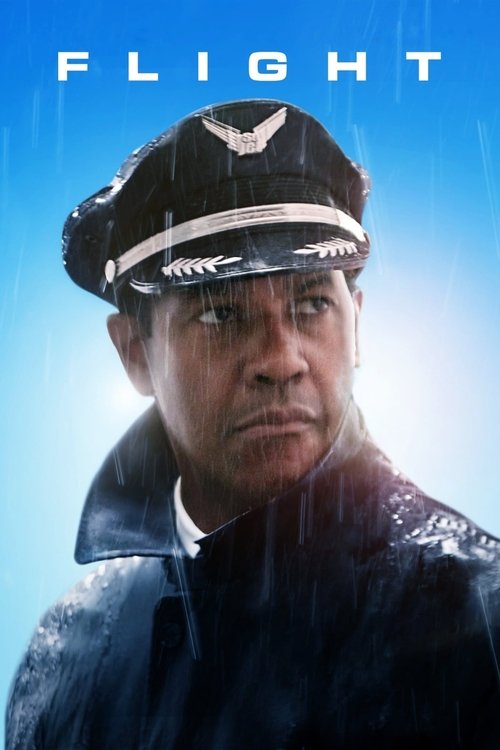
Flight2012
Denzel Washington plays a pilot whose functioning alcoholism becomes impossible to hide after a crash forces scrutiny onto his life. Sharp on denial and rationalization, the exact rot Wilder diagnosed decades earlier.
But The plane-crash framing device is more thriller than character study, and it occasionally oversells its redemption arc.
Clean and Sober1988no page yet
Michael Keaton, pre-Batman, plays a cocaine-and-alcohol addict forced into rehab by circumstance rather than insight—a rawer, meaner performance than his comic reputation suggests, and a clear-eyed look at recovery's first ugly steps.
But Its late shift toward hope and structure is tidier than Wilder allows himself to be.
28 Days2000no page yet
A gentler, more mainstream take on the same territory—Sandra Bullock's court-ordered rehab stint plays the material for warmth and humor rather than dread, useful if Wilder's film left you wanting some daylight.
But Its comfort and neat character arcs are a world away from Wilder's refusal to resolve anything cleanly.
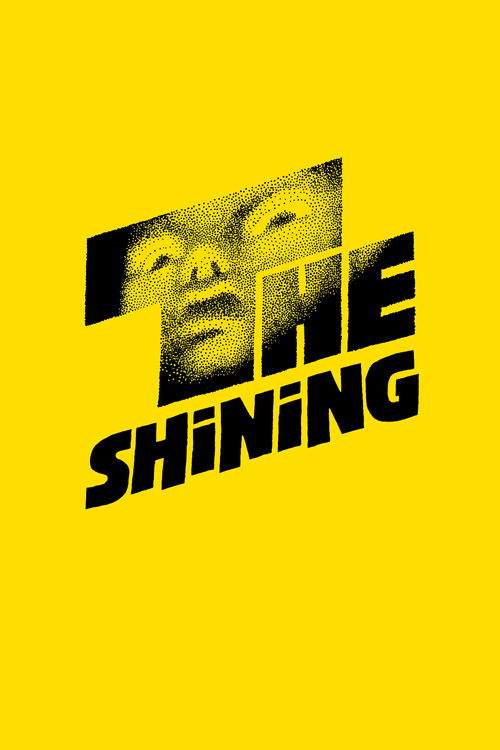
The Shining1980
Strip away the hotel and the ghosts and Jack Torrance is Don Birnam's uglier cousin: a writer, a drinker, a man whose addiction and denial curdle into something monstrous. Kubrick just lets the metaphor become literal horror.
Kubrick's horror masterpiece hides a bone-dry study of alcoholism and rage inside its haunted-house scaffolding—Jack Nicholson's unraveling plays as addiction taken to its most extreme, mythic conclusion.
But It's a supernatural horror film first; if you want grounded realism rather than dread and axes, this pushes the metaphor too far.
Arthur1981no page yet
Same disease, opposite tone: Dudley Moore's charming drunk millionaire gets laughs and a happy ending for behavior that destroys Don Birnam. Watching them back to back is a quietly devastating lesson in how genre decides who gets forgiven.
A big, silly romantic comedy that treats alcoholism as endearing and consequence-free—charming on its own terms, and startling to revisit after Wilder's film makes the same behavior look like a slow death.
But Its rose-tinted, laugh-track treatment of drinking has aged uncomfortably and may grate rather than charm.
People
Cast
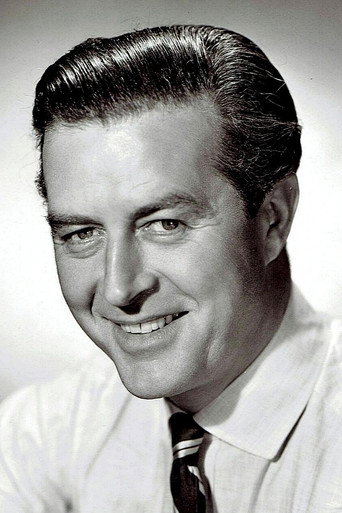 Ray MillandDon Birnam
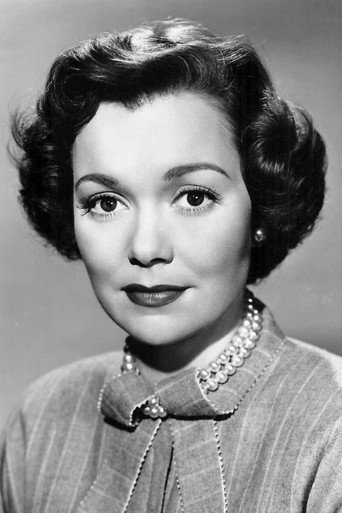 Jane WymanHelen St. James
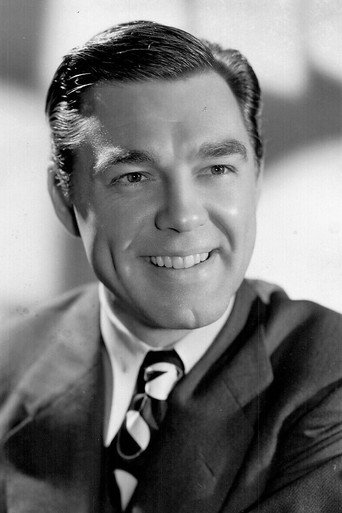 Phillip TerryWick Birnam
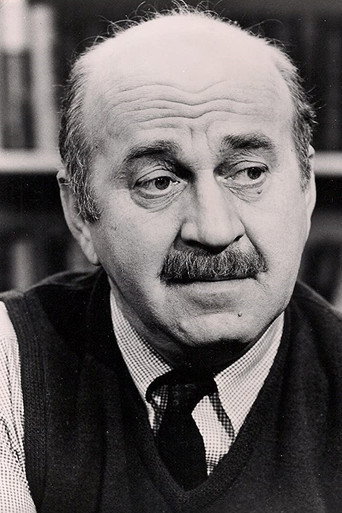 Howard Da SilvaNat the Bartender
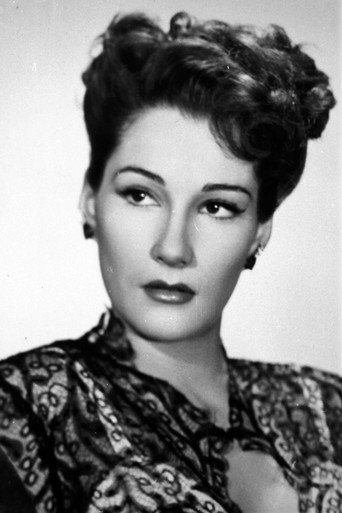 Doris DowlingGloria
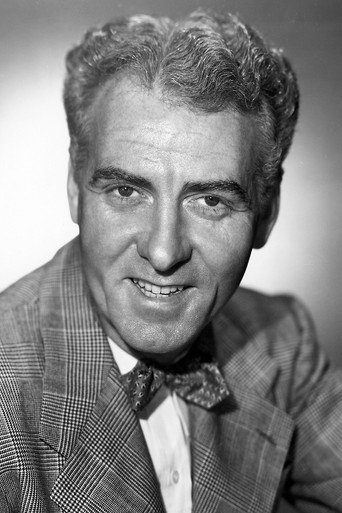 Frank Faylen'Bim' Nolan
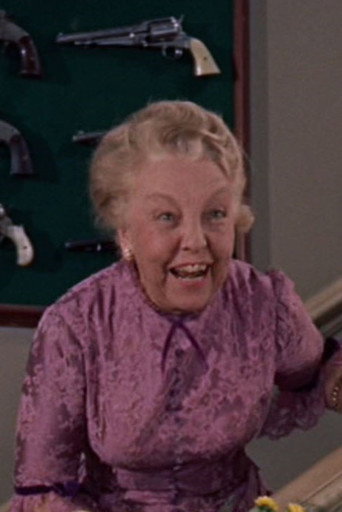 Mary YoungMrs. Deveridge
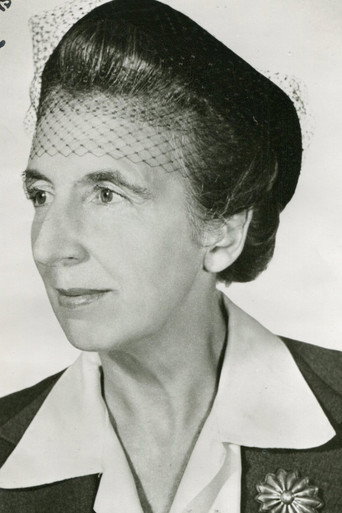 Anita Sharp-BolsterMrs. Foley
 Lilian FontaineMrs. Charles St. James
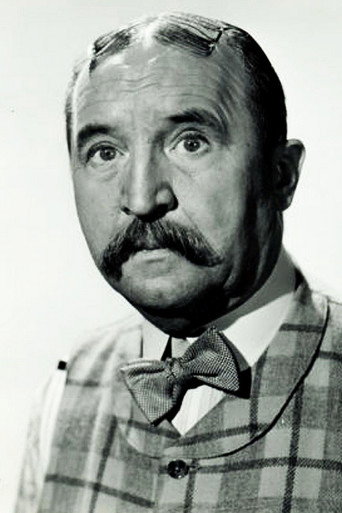 Frank OrthOpera Cloak Room Attendant
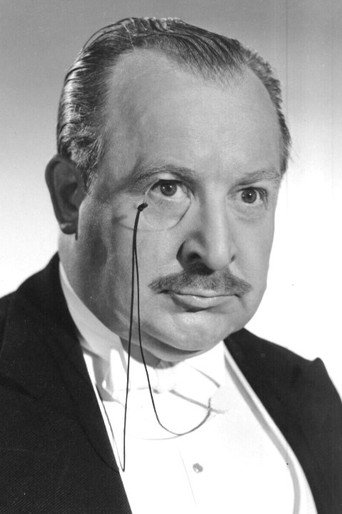 Lewis L. RussellCharles St. James
- Andy AndrewsAlcoholic (uncredited)
Directing
- Charles C. ColemanAssistant Director
- Billy WilderDirector
Writing
- Charles R. JacksonNovel
- Billy WilderScreenplay
- Charles BrackettScreenplay
Production
- Charles BrackettProducer
- Frank ParmenterProduction Manager
- Richard BlaydonProduction Manager
Recommended by
The Man with the Golden Arm, Owning Mahowny, Days of Wine and Roses, Leaving Las Vegas, Flight, A Woman Under the Influence, Greed, Barfly, Shame