
Film
I'll Cry Tomorrow
A 1955 biographical drama about Lillian Roth's rise as a child performer and her devastating descent into alcoholism. Susan Hayward delivers a raw, unflinching performance in a film that treats addiction not as moral failure but as tragedy. It's a character study of ambition's cost, grief's weight, and the long road back. For anyone moved by stories of real struggle and hard-won redemption.
If you liked this
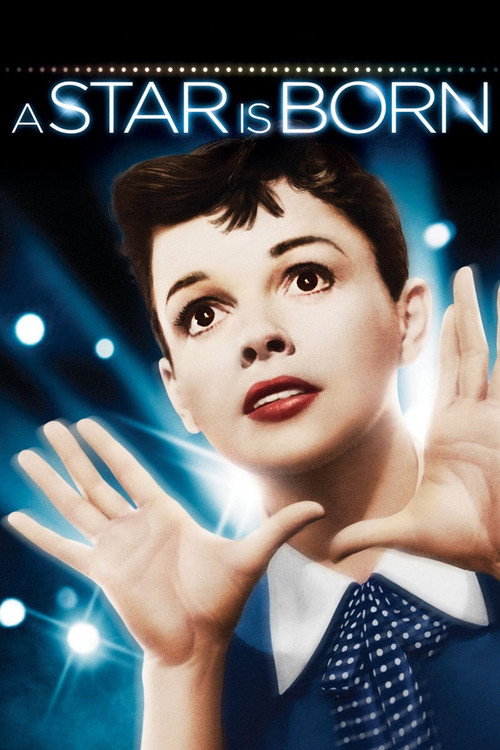
A Star Is Born1954
Judy Garland's parallel story of stardom's seductive cruelty and personal collapse. Released the year before and equally devastating, it captures the same machinery that grinds down talented people. A perfect companion piece.
But It's melodramatic in places, and the ending asks you to accept some pretty grim logic about women's choices. The runtime is substantial too.
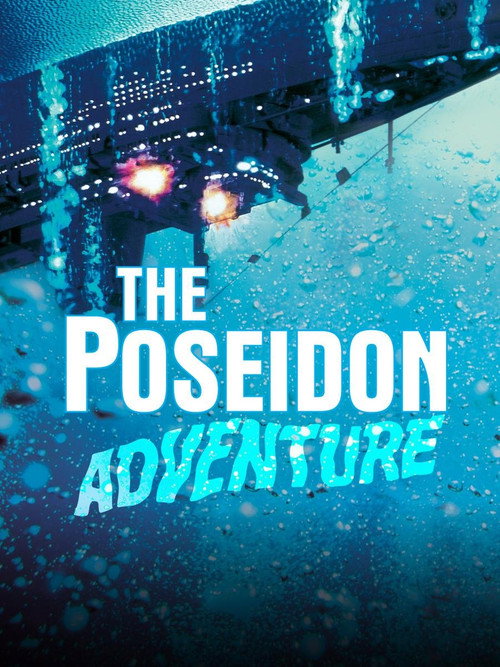
The Poseidon Adventure1972
Not about addiction, but about survival and the will to endure. Shelley Winters gives a performance as emotionally raw as Hayward's, and the film has that same sense of characters clawing toward redemption against the odds.
But It's a disaster movie, so it's preoccupied with spectacle. The tone shifts between intimate trauma and blockbuster momentum in ways that might feel jarring.
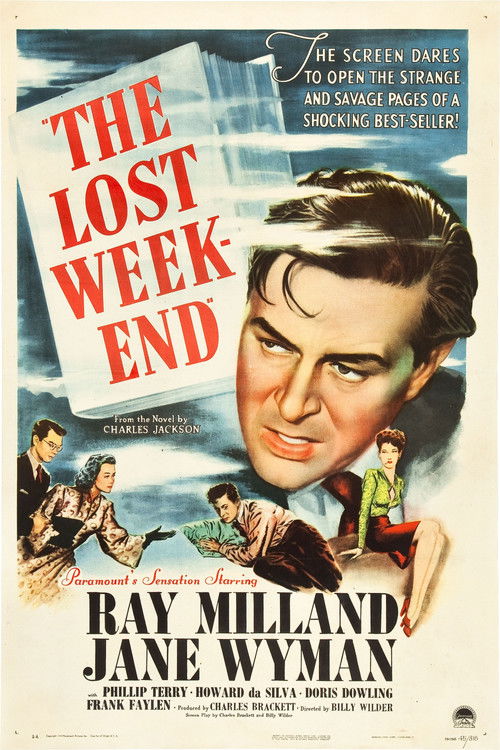
The Lost Weekend1945
The film that broke the silence about alcoholism in Hollywood. Ray Milland's four-day spiral is claustrophobic and honest in ways that still sting. Essential viewing for understanding how *I'll Cry Tomorrow* was able to exist.
But It's shot in a grainy, anxious style that mirrors addiction itself—that's the point, but it's punishing to watch. Some may find it bleak without offering hope.
Not sure tonight? Get a pick in a minute, starting from I'll Cry Tomorrow
The wildcard
Something you would not have found on your own.
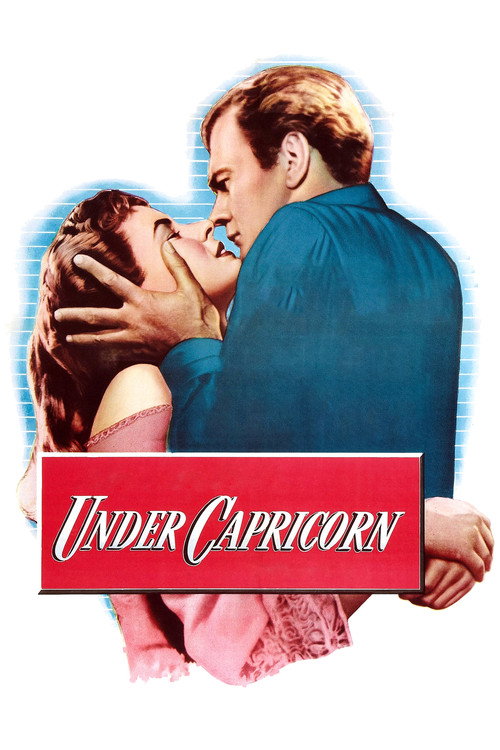
Under Capricorn1949
Both films center on a woman's addiction as the visible symptom of deeper psychological violence—one self-inflicted, one inflicted by others, but the visual and emotional language is nearly identical.
Hitchcock's chamber piece about trauma, addiction, and a woman slowly poisoned by the man she loves. It's *I'll Cry Tomorrow* from inside the nightmare—less a journey of recovery than a portrait of someone being deliberately unmade. Ingrid Bergman is luminous and terrifying.
But It's glacial and theatrical, shot almost entirely on studio sets. The rope camera technique is interesting but exhausting. It's Hitchcock's least accessible film and feels deliberately antagonistic toward the viewer.
More like this (8)
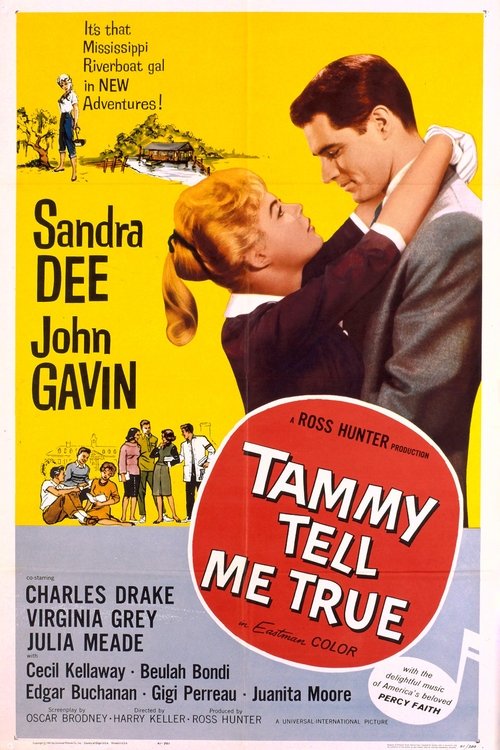
Tammy Tell Me True1961
Susan Hayward again, but playing against type—optimistic, loose, comic. If you want to see her range after the intensity of *I'll Cry Tomorrow*, this shows a performer who could do lightness too.
But It's a romantic comedy, which means it's far slighter in ambition. The plot is genuinely flimsy and the sentiment can feel saccharine.
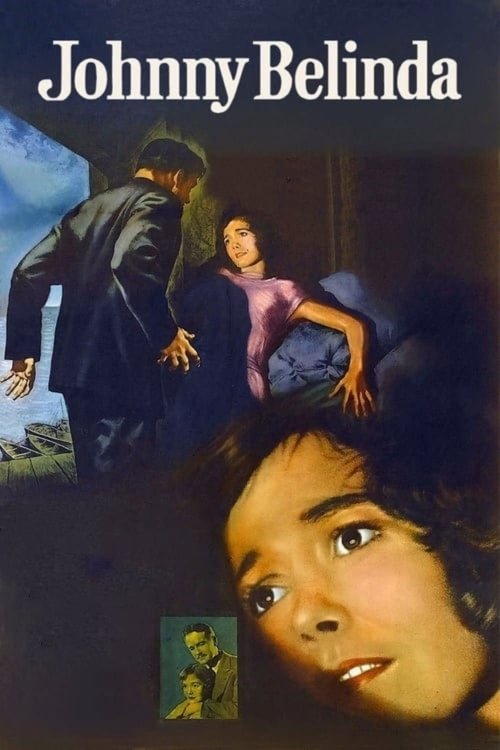
Johnny Belinda1948
Jane Wyman plays a deaf woman overcoming isolation and violence to claim her life. Same era, same register—a woman's struggle for dignity in the face of a world determined to diminish her. Powerfully acted.
But The sexual assault subplot is handled in ways that feel dated and uncomfortable by modern standards. The pacing can drag in the middle act.
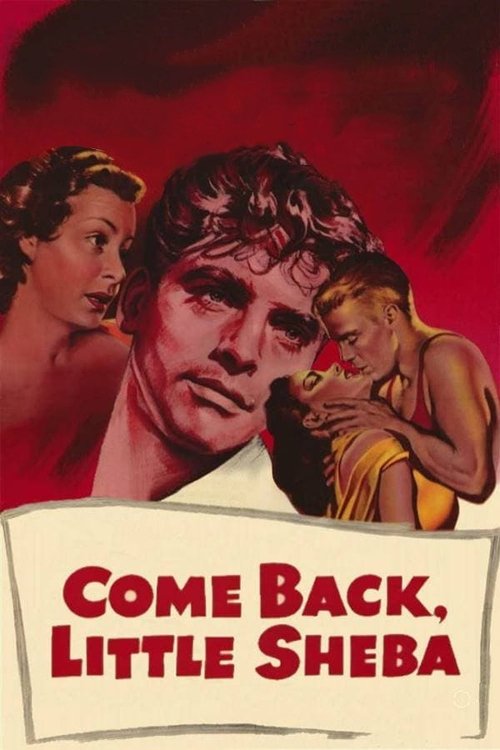
Come Back, Little Sheba1953
Shirley Booth and Burt Lancaster as a couple trying to rebuild after his alcoholism. It's quieter and more domestic than *I'll Cry Tomorrow*, but it asks the same question: what remains after addiction?
But Booth can be grating—that's partly the character, but it makes the film harder to sit with. The play-like structure means it's very talky.
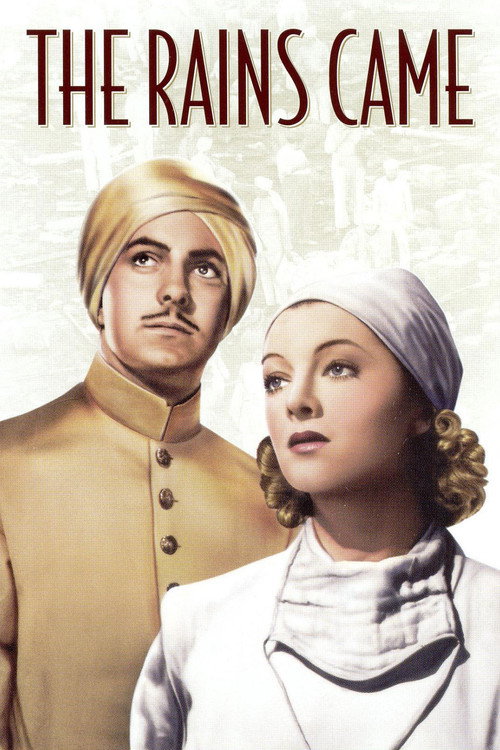
The Rains Came1939
Tyrone Power and Myrna Loy in a melodrama about moral reckoning and redemption. It shares *I'll Cry Tomorrow*'s interest in characters forced to confront themselves, though it wraps it in adventure.
But The production values and acting style are very much of their moment. By modern standards it can feel mannered and slow.
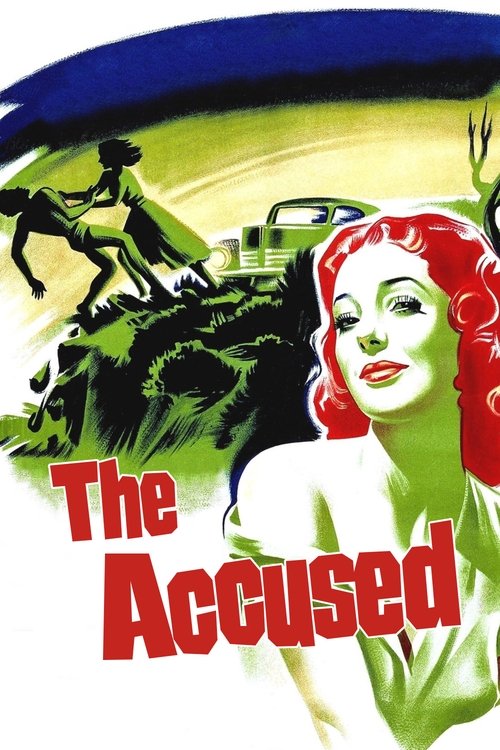
The Accused1949
Loretta Young as a woman whose past haunts her. It's a courtroom drama that, like *I'll Cry Tomorrow*, refuses to let its protagonist be simply victim or villain. Nuanced and intelligent.
But The legal mechanics can feel contrived, and the film occasionally mistakes talking about feelings for exploring them. It's competent rather than transcendent.
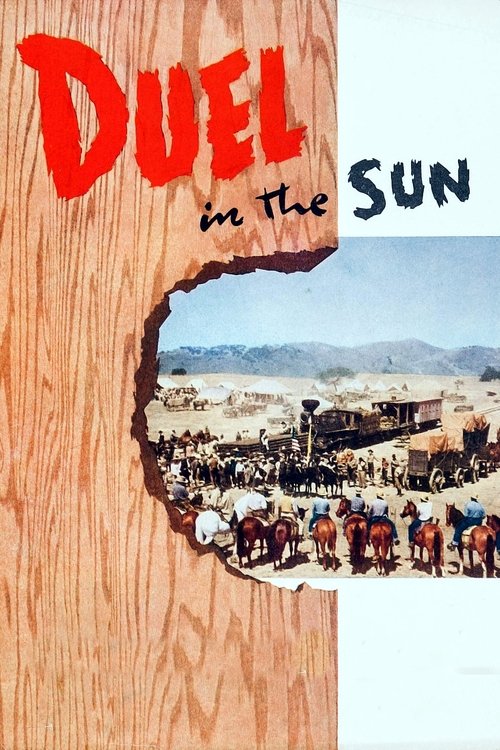
Duel in the Sun1946
Jennifer Jones in a sprawling melodrama about passion, ambition, and self-destruction. It has the same Technicolor intensity and emotional extremity as *I'll Cry Tomorrow*, with similar themes about women shaped by forces beyond their control.
But It's aggressively overwrought—some find it campy rather than moving. The pacing is erratic and the plot wildly convoluted. It requires patience and a taste for high melodrama.
The Best Years of Our Lives1946
Both films insist that recovery from deep damage is not a moment but a process, and that dignity lies in the unglamorous persistence of living forward.
Epic and humanistic story of three men rebuilding after war. It's twice the runtime and fundamentally optimistic where *I'll Cry Tomorrow* is tragic, but it shares the same belief that survival is ordinary work, that redemption looks like showing up day after day, and that we're remade by the people who witness our struggle.
But It's long—nearly four hours—and deliberately paced. The optimism can feel naive, and some of the domestic scenes feel soft compared to the harder truths about trauma. The blackout sequence is difficult.

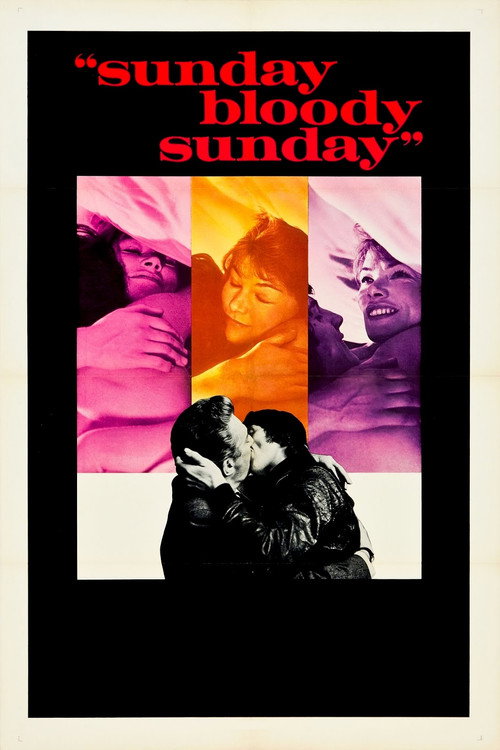
Sunday Bloody Sunday1971
Both films use a close focus on one person's inner devastation as a way of examining how we survive loss and disappointment. Both refuse the comfort of looking away.
John Schlesinger's radical film about a woman and a man who love the same person. It's ostensibly about romance, but it's really about grief, longing, and the ways we numb ourselves rather than feel. Glenda Jackson and Peter Finch are extraordinary. The emotional sophistication is stunning.
But It's deliberately anti-romantic and sexually frank in ways that might alienate those looking for conventional narrative. The rhythm is elliptical. It's also a period piece that looks very much like the 1970s in ways some find dated.
People
Cast
 Susan HaywardLillian Roth
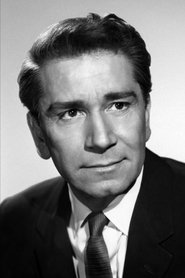 Richard ConteTony Bardeman
 Eddie AlbertBurt McGuire
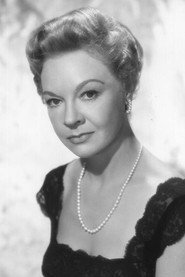 Jo Van FleetKatie Roth
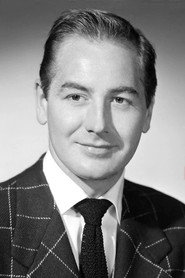 Don TaylorWallie
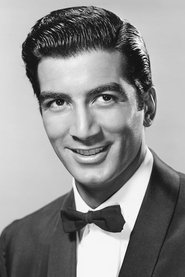 Ray DantonDavid Tredman
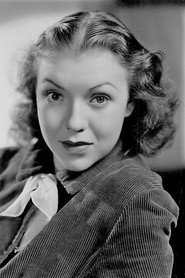 MargoSelma
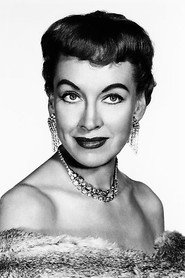 Virginia GreggEllen
 Don 'Red' BarryJerry
- David KasdayDavid as a Child
- Carole Ann CampbellLillian as a Child
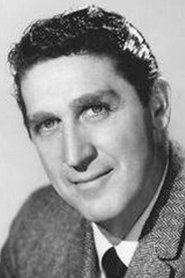 Peter LeedsRichard
Directing
- Al JenningsAssistant Director
- Daniel MannDirector
Writing
- Gerold FrankBook
- Lillian RothBook
- Mike ConnollyBook
- Helen DeutschScreenplay
- Jay Richard KennedyScreenplay
Production
- Lawrence WeingartenProducer