
Film
The Island of Dr. Moreau
Other titles called The Island of Dr. Moreau: the 1996 film.
- Science fiction
- Very dark
A shipwrecked man discovers an island where a mad scientist performs grotesque experiments on animals, transforming them into humanoid creatures. It's a grimy, unsettling creature feature that treats body horror as intimate tragedy rather than spectacle. Burt Lancaster brings melancholy to the role of Moreau, and the film earns its weirdness honestly. For those drawn to pulpy sci-fi that doesn't shy away from ugliness.
Should you watch it?
Watch it if you enjoy a sleek, sun-bleached 1970s adventure where the horror is quiet, uncanny unease rather than gore, and a stranded outsider slowly realises he's trapped somewhere wrong.
Skip it if the pace is deliberate and the effects are very much of their era, so if rubber masks and stagey talk will pull you out, this will test your patience.
What it asks of you: Ninety-nine minutes of patient attention, a slow build and dread that settles in rather than jolts, with little relief along the way.
Not sure? Find tonight's pick in a minute.
If you liked this
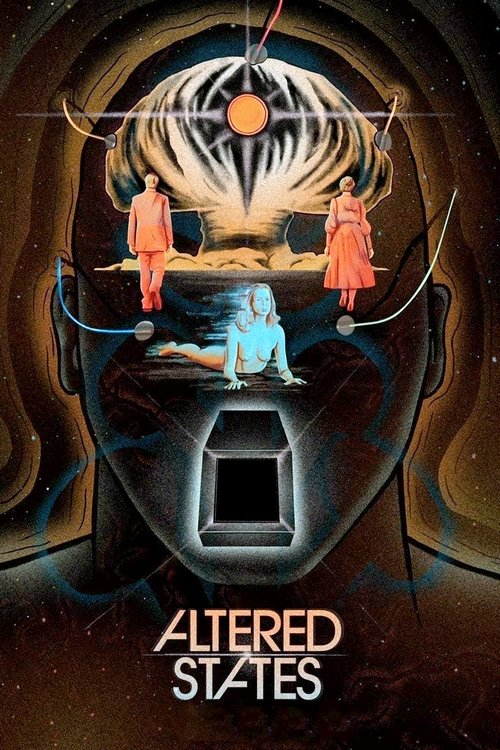
Altered States1980
William Hurt descends into hallucinogenic nightmare as a scientist tampering with consciousness. Shares Moreau's obsession with violating the body and mind in pursuit of transcendence, shot with genuine visceral dread and body-horror conviction.
But The psychedelic sequences are deliberately disorienting and won't resolve neatly; some find it more exhausting than enlightening.
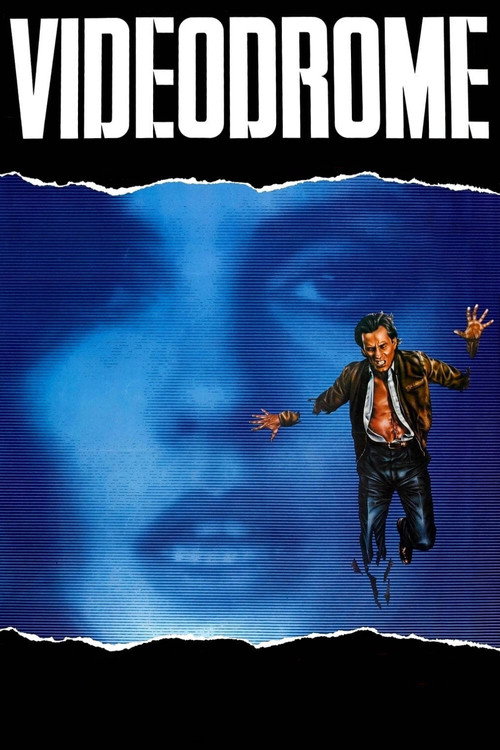
Videodrome1983
Cronenberg's savage satire of media and flesh fused into mutation. The same dread that Moreau generates—the body as corrupted instrument—but here it's technology doing the corruption. Equally uncompromising about what bodies are for.
But It's aggressively visceral and philosophically cryptic. Scenes of transformation are designed to disgust, and the narrative doesn't hold your hand.
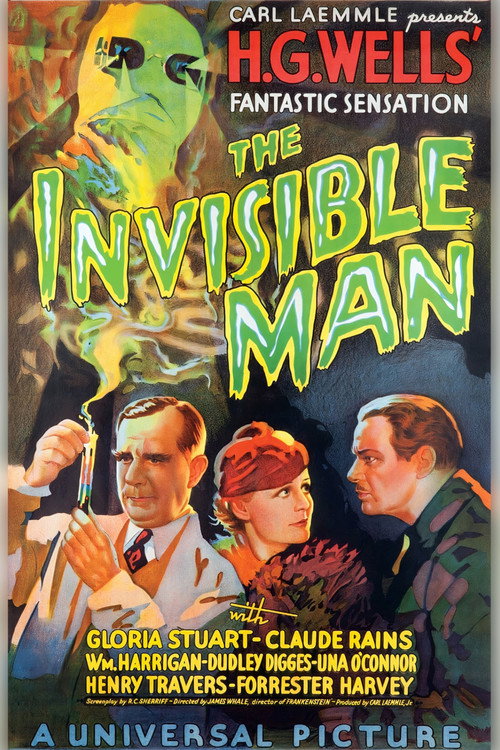
The Invisible Man1933
Universal's masterpiece of a scientist undone by his own ambition. Like Moreau, it's a character study of obsession wrapped in genre thrills, with perfect pacing and genuine tragedy beneath the spectacle.
But It's a 1933 film. If black-and-white and rapid editing distance you from older movies, this won't change your mind.
Not sure tonight? Get a pick in a minute, starting from The Island of Dr. Moreau
The wildcard
Something you would not have found on your own.
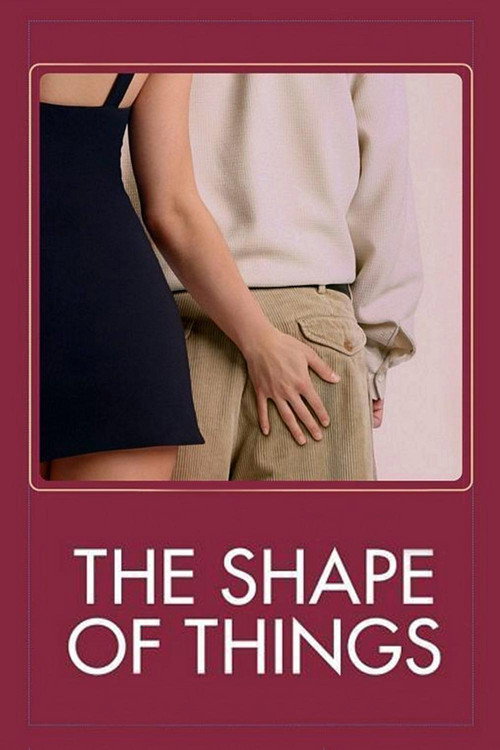
The Shape of Things2003
Both explore how desire and power combine to reshape another person's body and identity. Both refuse to let the audience off the hook by suggesting the victim is blameless.
Neil LaBute's adaptation of his own play: a woman systematically reshapes her lover's body, behavior, and self through manipulation and gaslighting. Moreau's experiment in transformation, but the beast-to-human is replaced by human-to-human mutilation. Cruel and beautiful and utterly unforgiving.
But It's a four-hander largely confined to interiors, with a climactic twist that lands like a betrayal. Some find it bleak to the point of misanthropy. Rachel Weisz is radiant and predatory.
More like this (8)
Scanners1981
Cronenberg again, and again on the theme: humans altered by science into something post-human. Paranoia, body horror, and a genuine sense that something has been violated at the cellular level. Exploding heads optional but memorable.
But The plot is deliberately convoluted; it's more about dread and spectacle than coherence. Some sequences prioritize shock over logic.
Star Trek II: The Wrath of Khan1982
Khan's use of alien life to reshape human bodies recalls Moreau's experiments in violation. It's adventure cinema, but shot through with the same body-horror logic. Khan himself is a scientist playing god with living tissue.
But You need to care about Star Trek. If you don't, the emotional stakes won't land.
Possession1981
Andrzej Żuławski's hallucinogenic nightmare of marriage collapse and cosmic horror. Body horror, mutation, creatures born from human flesh and madness. Shares Moreau's sense that human shape is a fragile thing.
But It's deliberately incoherent and oppressive. The film wants to exhaust you. Some scenes of body transformation are genuinely hard to watch.

The Omega Man1971
Charlton Heston alone on a transformed Earth where mutated survivors hunt him. Post-apocalyptic isolation and the question of what makes us human when the world remakes itself. Pulpy and weirdly moving.
But It's a 1971 film with dated effects and a central performance that doesn't always land. The science is handwavy.
Sunset Boulevard1950
Billy Wilder's dissection of obsession and delusion in an enclosed world. While not sci-fi, it has Moreau's atmosphere: a powerful figure warping reality around themselves, servants and captives complicit in madness.
But It's a Hollywood backstage melodrama. If you want genre thrills rather than psychological decay, this operates at a different register entirely.
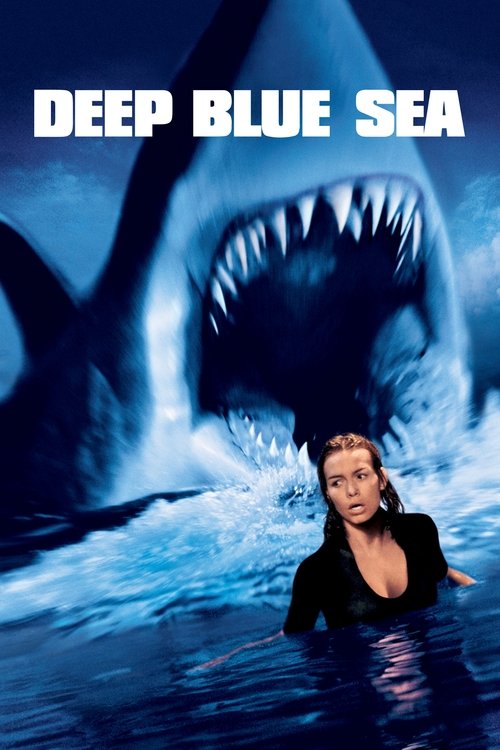
Deep Blue Sea1999
Scientists engineer super-intelligent sharks. It's Moreau's premise in reverse: not beasts made human, but humans made into unwitting prey. B-movie execution of the same ethical nightmare, and it commits to body horror.
But It's knowingly silly. The characters make bone-headed decisions and the film knows it. Not interested in ambiguity or subtlety.
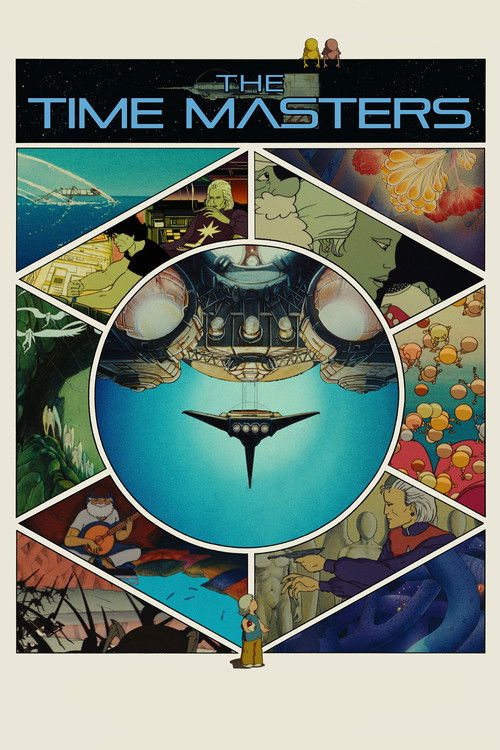
Time Masters1982
Both treat transformation of human flesh as metaphysical rather than just biological. Both refuse to render the creature as tragic or sympathetic; they are simply what they are.
Alain Robbe-Grillet's structuralist sci-fi: mutated humans on a dying planet, their bodies transformed by radiation and time. Shot like a nightmare without plot momentum, more interested in texture and strangeness than narrative. Body horror rendered abstract and beautiful.
But It's experimental French cinema from the 1980s. The narrative barely coheres. No conventional three-act structure. Deliberately alienating.
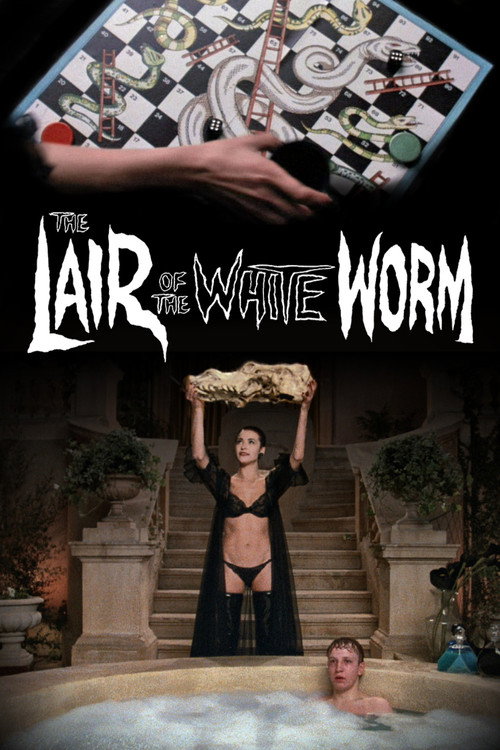
The Lair of the White Worm1988
Both are confident that body transformation and transgression are the proper subject of cinema. Both feature a powerful figure operating an enclosed world by their own rules. Both believe horror lives in the specific texture of corrupted flesh.
Ken Russell's adaptation of Bram Stoker, all grotesque excess and visceral nightmare. Amanda Donohoe as a serpent-woman, ritualistic madness, bodies transgressing their limits. Russell's baroque sensationalism brings the same fevered energy to body horror that Moreau's surgical butchery demands.
But It's camp horror-erotica from Ken Russell at his most unhinged. Genuinely off-putting imagery, nonsensical plot, no interest in restraint. Some find it more silly than scary.
People
Cast
 Burt LancasterDr. Paul Moreau
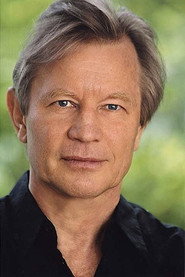 Michael YorkAndrew Braddock
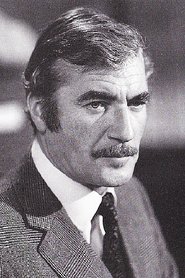 Nigel DavenportMontgomery
 Barbara CarreraMaria
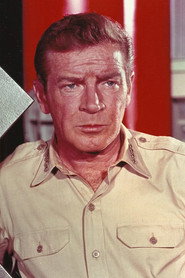 Richard BasehartSayer of the Law
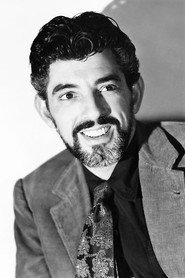 Nick CravatM'Ling
- The Great John L.Boarman
 Bob OzmanBullman
 Fumio DemuraHyena Man
- Gary BaxleyLionman
- John GillespieTigerman
 David S. Cass Sr.Bearman
Directing
- Don TaylorDirector
Writing
- H. G. WellsNovel
- Al RamrusScreenplay
- John Herman ShanerScreenplay
Production
- Samuel Z. ArkoffExecutive Producer
- Sandy HowardExecutive Producer
- John Temple-SmithProducer
- Skip SteloffProducer
Recommended by
Voodoo Woman, The Leech Woman, Voodoo Island, The Black Sleep, Island of the Fishmen, Captive Wild Woman, Mysterious Island, Souls at Sea, The Vulture