
Film
The Dead Zone
Other titles called The Dead Zone: the 2002 series (USA Network).
David Cronenberg's 1983 adaptation of Stephen King's novel is a measured, melancholic thriller about a man who wakes from a five-year coma with psychic powers. It takes its premise seriously—this isn't spectacle, but a quiet exploration of burden, isolation, and the moral weight of knowing too much. A film about gifts that become curses, and the loneliness of being able to see what others cannot.
Should you watch it?
Watch it if you like thrillers built on a quiet, grieving human centre, where a man's melancholy and moral unease matter as much as the supernatural hook, in the manner of Cronenberg's adaptations of King.
Skip it if you want the horror to keep escalating, since this one runs at a patient, somber pace and spends long stretches on conversations, small-town routine and a man's private loss.
What it asks of you: It asks for a settled evening and steady attention, as the story unfolds slowly across about an hour and three-quarters, with its scares arriving sparingly and its mood staying muted rather than frantic.
Not sure? Find tonight's pick in a minute.
If you liked this
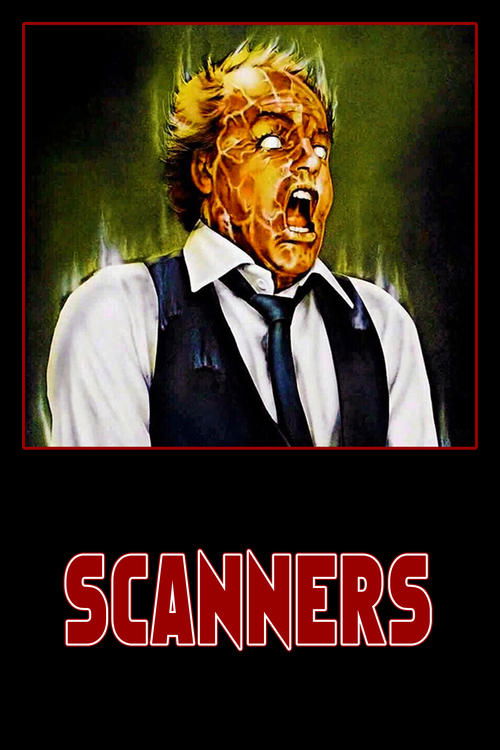
Scanners1981
Cronenberg's earlier dive into psychic horror and bodily transgression. If you loved The Dead Zone's cerebral approach to extraordinary powers, this pushes into deeper, weirder territory with practical effects that still unsettle.
But It's messier and more graphic than The Dead Zone—Cronenberg hasn't yet learned to restrain himself, and the pacing can feel baggy in the middle.
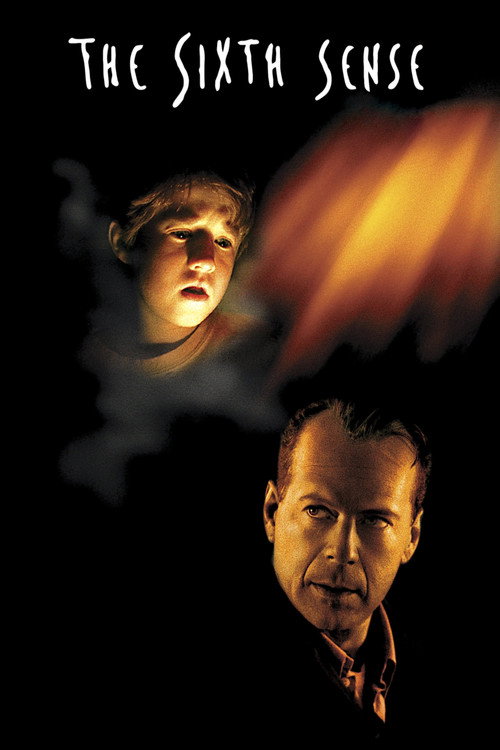
The Sixth Sense1999
A more mainstream take on the same core idea: a protagonist haunted by unwanted psychic ability, trying to help others while slowly understanding what they're seeing. Built for maximum emotional payoff and it earns it.
But It wears its twist ending prominently; if you're the type who spots narrative architecture early, it deflates some of the impact.
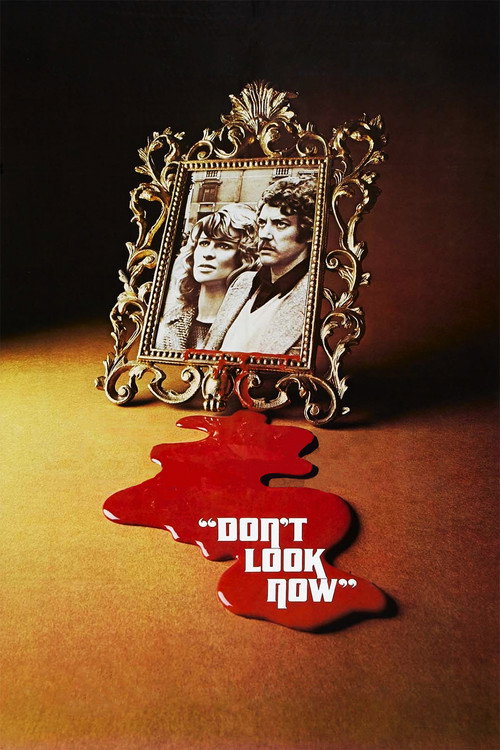
Don't Look Now1973
Nicolas Roeg's masterpiece about a grieving couple haunted by premonitions in Venice. Shares The Dead Zone's mood—dread built from small moments, the uncanny creeping into everyday life, the impossibility of outrunning fate.
But Deliberately paced and cryptic; it won't explain itself. And the ending, when it comes, is genuinely upsetting rather than reassuring.
Not sure tonight? Get a pick in a minute, starting from The Dead Zone
The wildcard
Something you would not have found on your own.
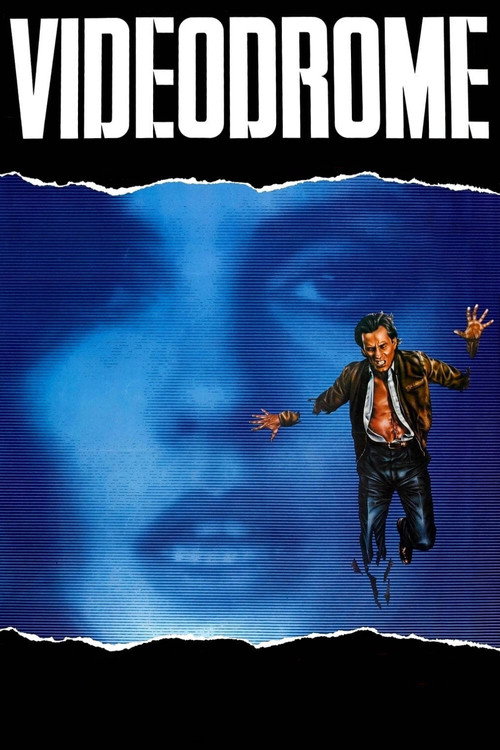
Videodrome1983
Both explore the terror of unwanted knowledge and perception breaking down. Cronenberg's visual language of violation—psychic intrusion in The Dead Zone becomes literal bodily infiltration in Videodrome.
Cronenberg's masterpiece about the boundary between reality and hallucination, perception and truth. Like The Dead Zone, it's haunted by the question: if you can't trust what you see, what can you trust? But it approaches it through body horror and media saturation instead of psychic ability.
But Deliberately disorienting and increasingly graphic; Cronenberg makes you complicit in the confusion. It's not a comfortable watch.
More like this (7)
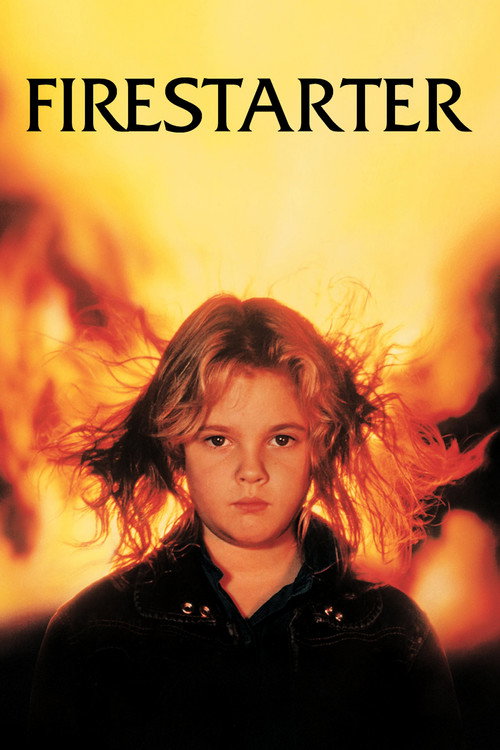
Firestarter1984
Another King adaptation, also about a child with powers hunted by those who want to weaponize her. Similar themes of isolation and the American security state as villain; features a young Drew Barrymore at full intensity.
But It's considerably more action-oriented and less philosophically interested than The Dead Zone. Feels dated in ways that matter less to the earlier film.
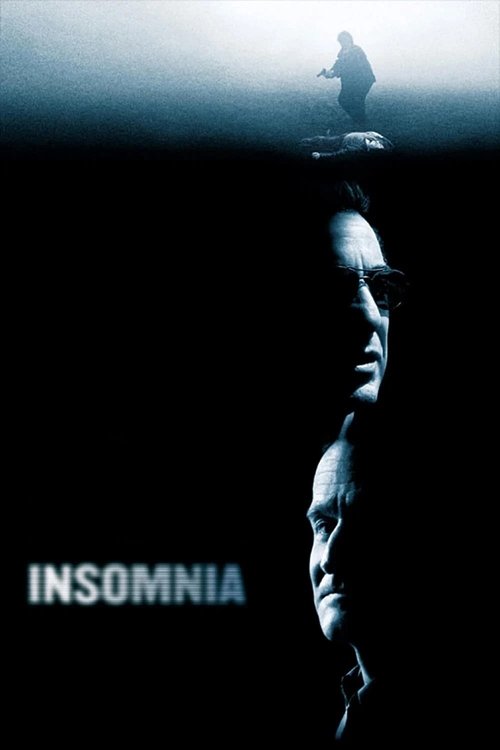
Insomnia2002
Christopher Nolan's Alaska noir with Al Pacino and Robin Williams. Shares The Dead Zone's interest in moral corruption and the psychological toll of seeing truths others avoid. Williams is unsettlingly good.
But It's a remake of a Norwegian film, and some prefer the original's starker, colder approach. The US version softens things slightly.
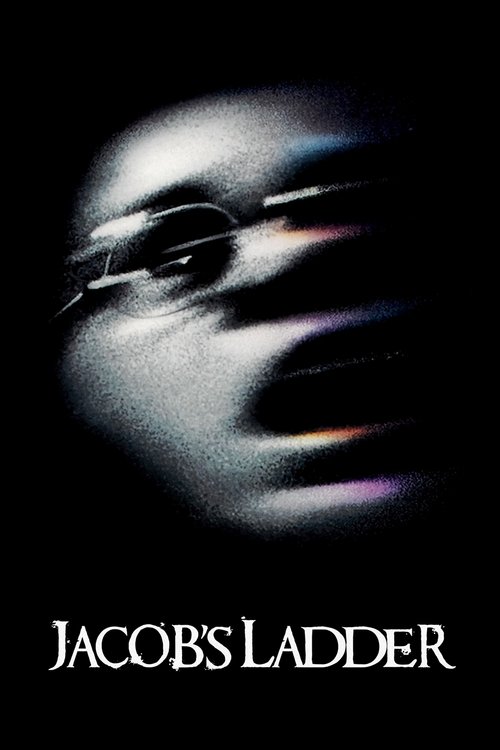
Jacob's Ladder1990
Adrian Lyne's haunting film about a Vietnam vet plagued by visions and the question of whether he's sane. Captures that same mounting dread where you can't trust your own perception.
But 90s effects work is visible in places; the film's attempts at body horror can read as silly to modern eyes. Some viewers find the ultimate explanation unsatisfying.
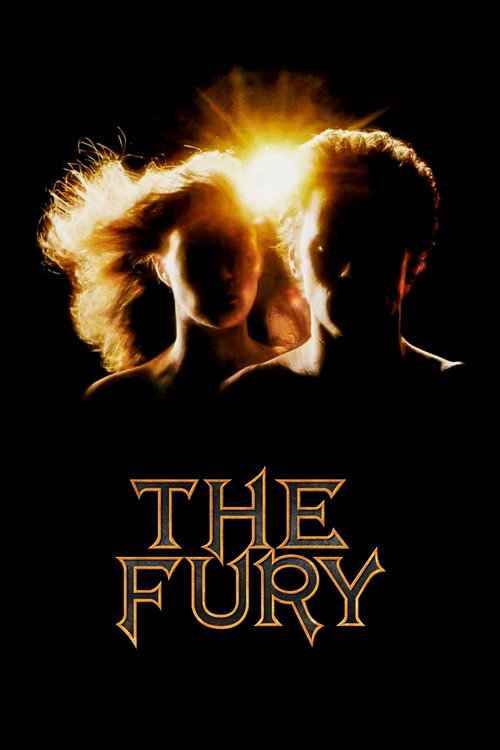
The Fury1978
Brian De Palma's kinetic thriller about psychic children hunted by intelligence agencies. The Dead Zone's paranoid energy turned up to eleven, with spectacular set pieces and a genuine sense of danger.
But It's stuffed with plot and can feel overstuffed; the tonal shifts between thriller and science fiction don't always cohere. Some sequences feel like De Palma showing off rather than serving the story.
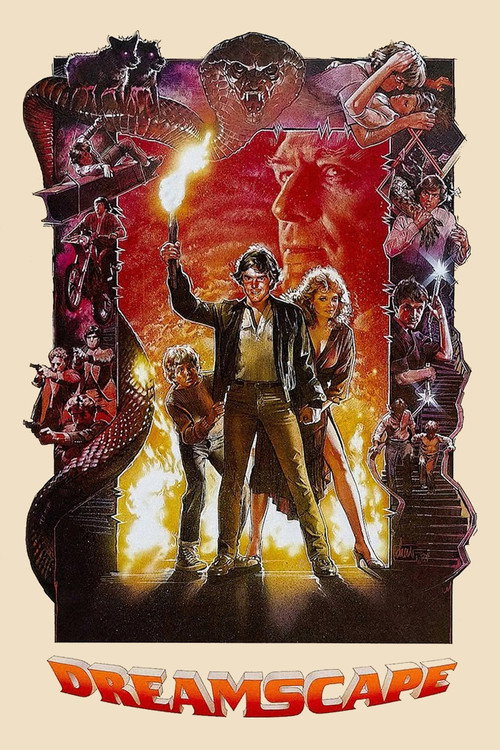
Dreamscape1984
A sci-fi thriller about a man with psychic gifts recruited by the government. Similar premise, similar paranoia, and a genuinely unsettling concept despite its B-movie execution.
But It's schlocky in a way The Dead Zone avoids; the acting and dialogue can feel strained. Worth it for the idea, not the polish.
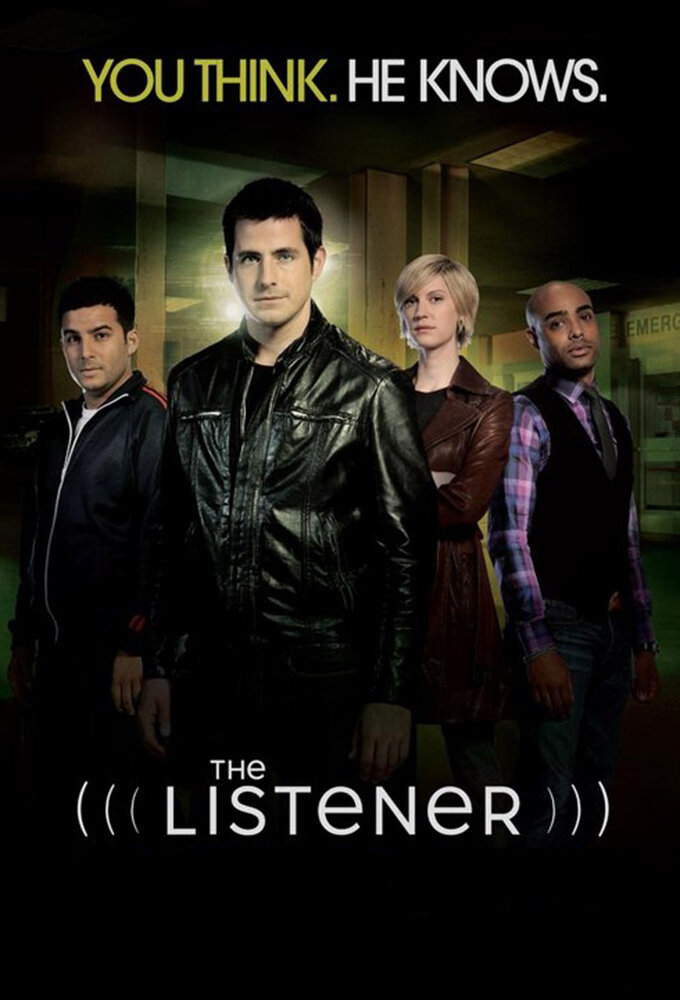
The Listener2009
Both examine psychic ability not as spectacle but as a professional tool that isolates rather than connects. The Listener asks what happens when your gift becomes a day job.
A Canadian thriller series about a woman with supernatural hearing ability who works with law enforcement. Lighter in tone than The Dead Zone but genuinely interested in the loneliness of having a gift no one else can verify or understand.
But It's network television comfort-food thriller, not art cinema. If you want Cronenberg's restraint and melancholy, this pivots toward procedural warmth instead.
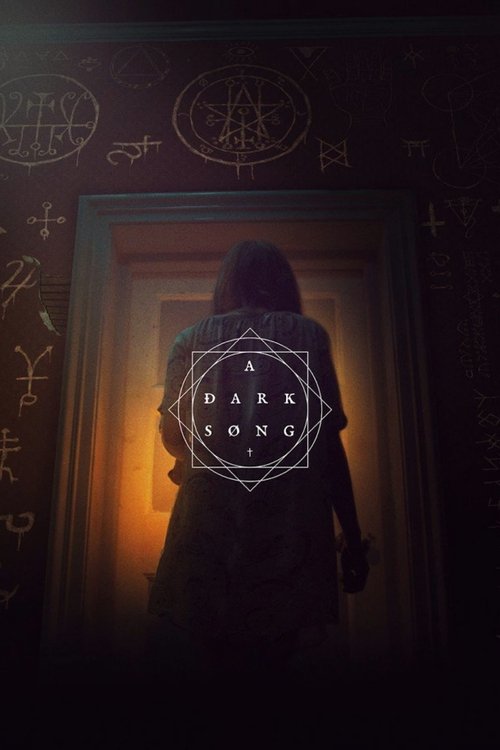
A Dark Song2016
Both films are genuinely interested in grief and its impossibility. The Dead Zone's Johnny can see the future but can't change it; A Dark Song's protagonist seeks the past but must accept she cannot have it back. Both understand that knowledge is not the same as power.
An Irish film about a grieving woman hiring an occultist to contact her dead son—two people trying to access hidden knowledge at any cost. Devastatingly quiet, shot like chamber drama. The Dead Zone's emotional core—the burden of knowing—without any supernatural violence.
But It's deliberately slow and requires patience; there are long stretches of silence and stillness. The ending is not comforting.
People
Cast
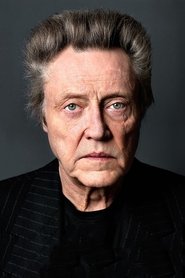 Christopher WalkenJohnny Smith
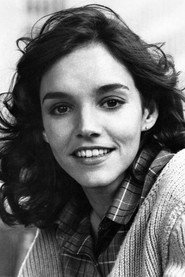 Brooke AdamsSarah Bracknell
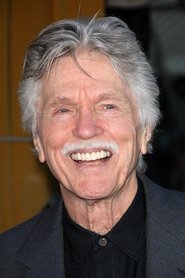 Tom SkerrittSheriff Bannerman
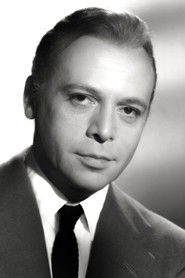 Herbert LomDr. Sam Weizak
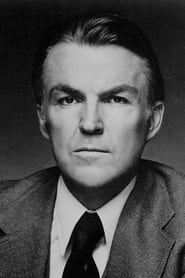 Anthony ZerbeRoger Stuart
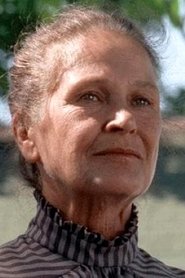 Colleen DewhurstHenrietta Dodd
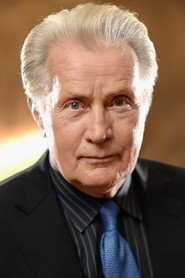 Martin SheenGreg Stillson
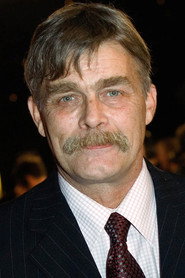 Nicholas CampbellFrank Dodd
- Sean SullivanHerb Smith
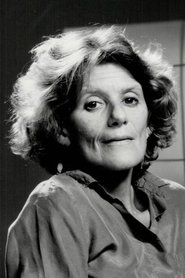 Jackie BurroughsVera Smith
 Géza KovácsSonny Elliman
 Roberta WeissAlma Frechette
Directing
- David CronenbergDirector
- John BoardFirst Assistant Director
- Gillian RichardsonScript Supervisor
- Otta HanusSecond Assistant Director
- Lydia WazanaThird Assistant Director
Writing
- Stephen KingNovel
- Jeffrey BoamScreenplay
Production
- Lyn LucibelloAssistant Accountant
- Susan Starre McKibbinAssistant Accountant
- Jeffrey ChernovAssociate Producer
- Deirdre BowenCasting
- Jane JenkinsCasting
- Janet HirshensonCasting
- Dino De LaurentiisExecutive Producer
- Peter LavenderExtras Casting
- David CoatsworthLocation Manager
- Debra HillProducer
- Randi ChernovProducer's Assistant
- Heather McIntoshProduction Accountant
- Andreas BlackwellProduction Assistant
- Philippa KingProduction Coordinator
- John M. EckertProduction Manager
- Prudence EmeryPublicist
Recommended by
The Ray Bradbury Theater, The Last Voyage of the Demeter, The Fog, Himitsu Sentai Gorenger: The Movie