
Film
Twixt
Twixt is Francis Ford Coppola's fever dream of a film—a genre puzzle about a horror novelist chasing murders in a small town while pursued by ghosts and guilt. It's surreal and deliberately unreal, a fractured mystery that privileges mood and visual strangeness over coherence. For those who love watching a major director swing for the fences, even when he might not connect.
If you liked this
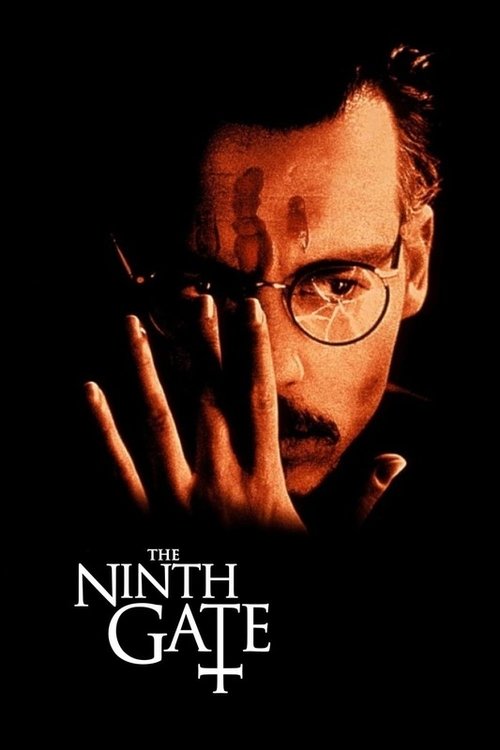
The Ninth Gate1999
Roman Polanski's other bookish, labyrinthine mystery about a man pulled into darkness by rare objects and shadowy forces. Similar atmosphere of creeping dread and moral corruption wrapped in elegant cinematography.
But It's slow and elliptical; the ending is deliberately ambiguous in a way that may feel unsatisfying rather than sophisticated.
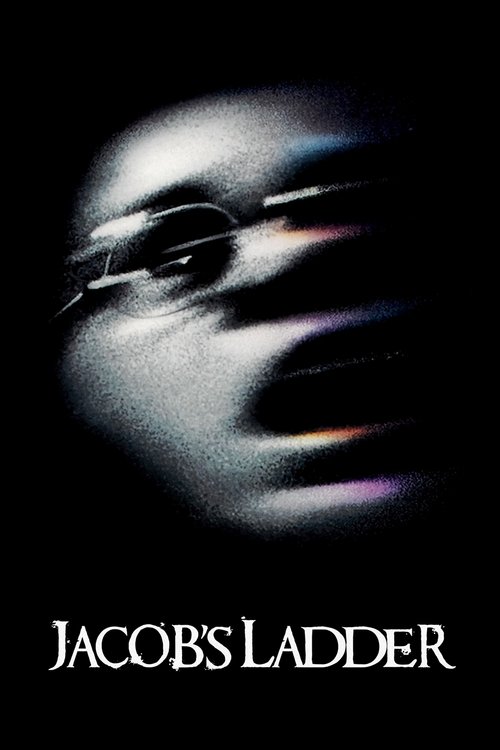
Jacob's Ladder1990
A haunted man unravels in a city where the line between trauma, hallucination, and actual supernatural horror collapses. Adrian Lyne orchestrates psychological terror through fragmented imagery and mounting paranoia.
But Very 90s in pacing and some effects have aged noticeably. The climax divides viewers sharply on whether it's profound or simply cruel.
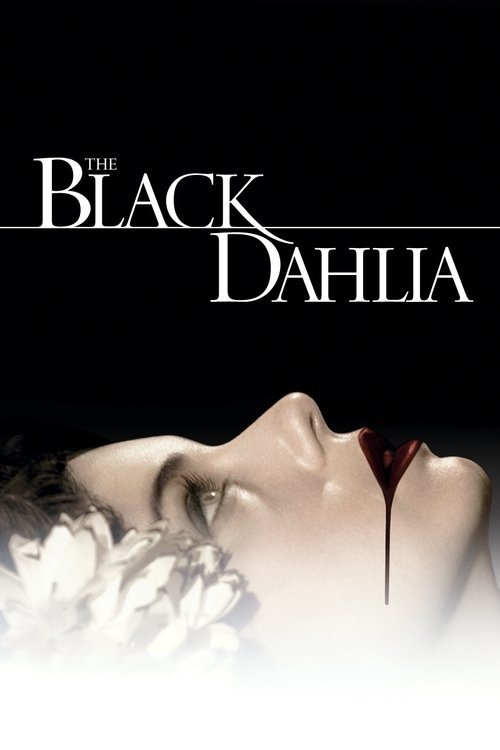
The Black Dahlia2006
Brian De Palma's stylish murder mystery where period LA becomes a maze of obsession and distorted memory. Like Twixt, it's formally ambitious in ways that sometimes undercut narrative clarity.
But Ambitious but messy; critics and audiences largely agreed it doesn't quite work, and that uncertainty might frustrate rather than intrigue.
Not sure tonight? Get a pick in a minute, starting from Twixt
The wildcard
Something you would not have found on your own.
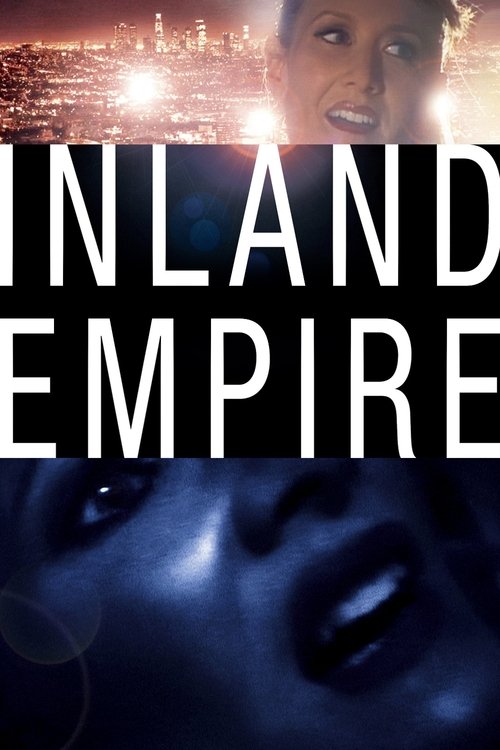
Inland Empire2006
Both are films by American masters in late career, indifferent to audience comfort, using nonlinear narrative and ghost-story elements to explore guilt and the unreliability of memory. Neither pretends reality is solid.
David Lynch's three-hour maximalist nightmare about an actress losing herself in a role. No plot synopsis works; it's pure cinema as psychological dissolution, fractured and hypnotic. For those who believe Twixt didn't go weird enough.
But It's genuinely punishing—shot on digital video, deliberately incoherent, structured to frustrate conventional viewing. Most people will quit it.
More like this (8)
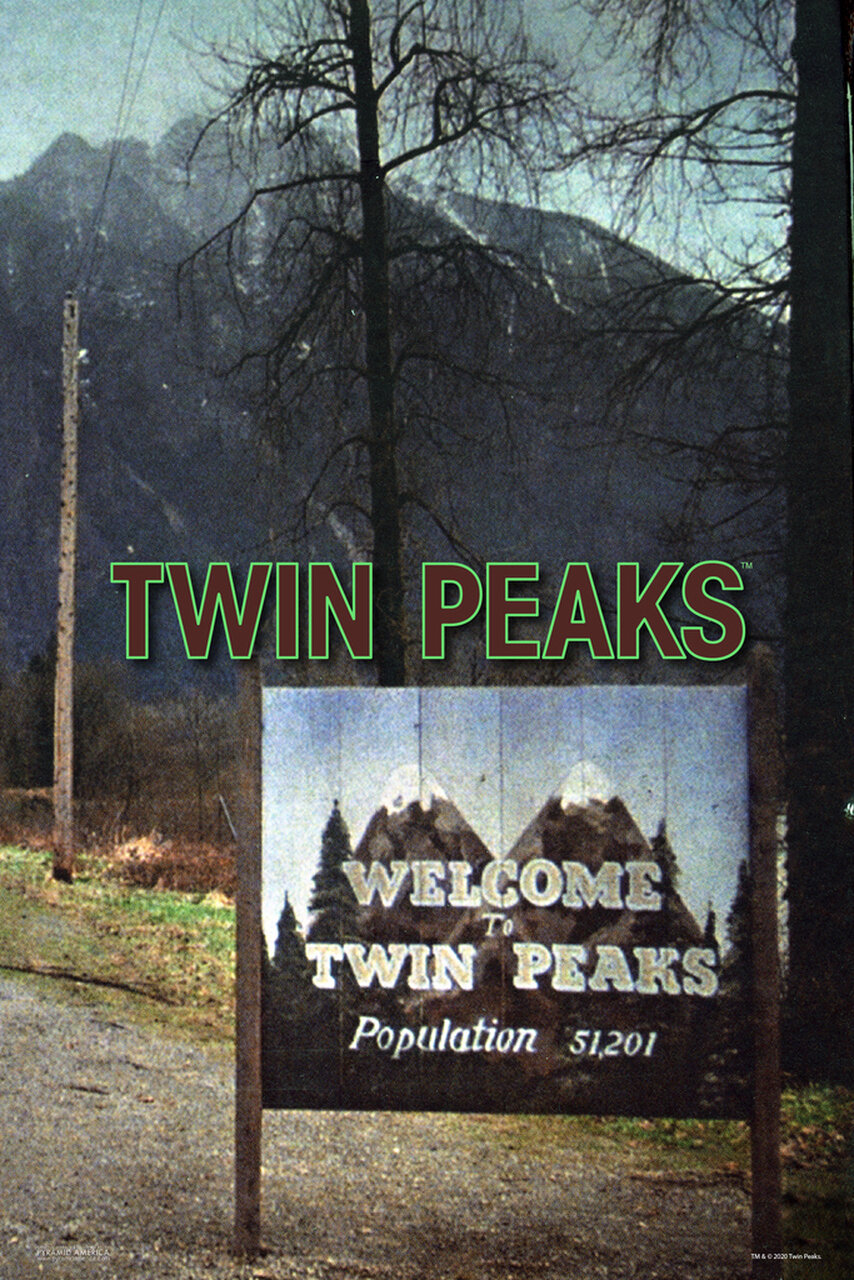
Twin Peaks1990
David Lynch's return to his own mythology—dream logic applied to narrative, long passages of pure mood, the real world tilting sideways. If you can sit with formal strangeness as its own reward.
But Eighteen hours of deliberately oblique storytelling. Some stretches feel punishingly slow, and the initial mystery barely resolves before everything dissolves again.
Mulholland Drive2001
A woman's dream of Hollywood becomes increasingly fractured and duplicitous. Lynch builds something that feels like narrative collapse but rewards close watching—form and meaning bleeding into each other.
But The second half is genuinely difficult to parse on first viewing. Many viewers feel it's more interested in its own mystery than in satisfying the audience.

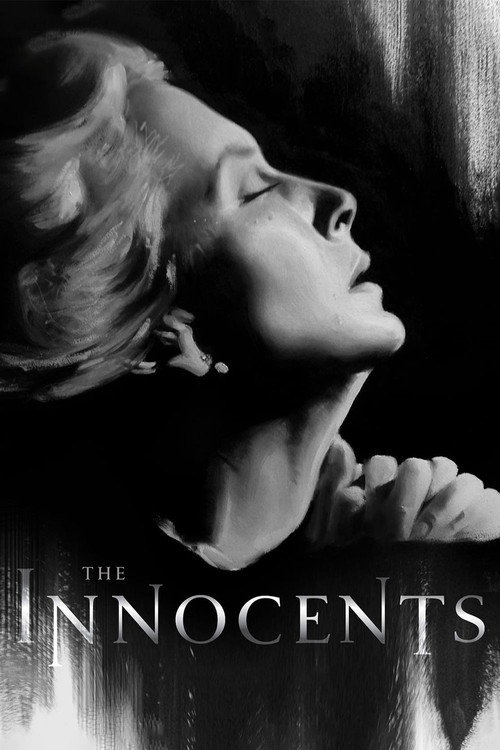
The Innocents1961
A governess in an isolated house becomes convinced she's protecting children from ghosts. Gorgeously shot ambiguity about whether the supernatural is real or psychological—dread without answers.
But Very slow-burn. The restraint that makes it haunting also means long stretches of almost nothing happening onscreen.
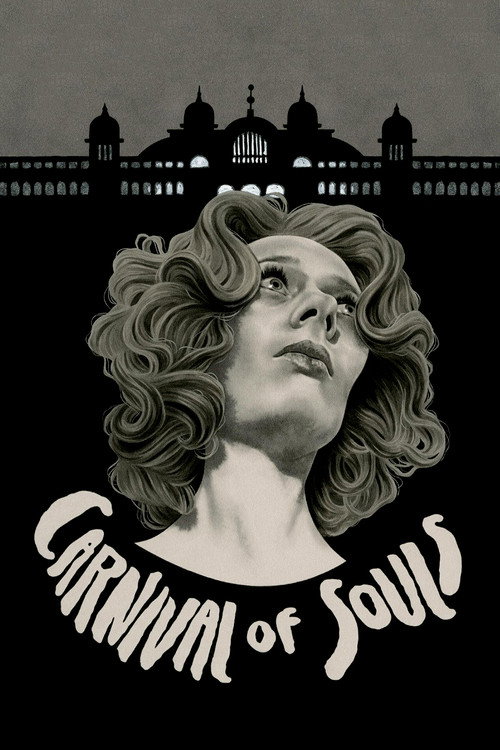
Carnival of Souls1962
A woman escapes a car accident and begins experiencing a nightmarish reality others can't perceive. Cheap and strange and genuinely unsettling—proof that atmosphere matters more than budget.
But The acting is deliberately flat, the dialogue is oddly paced. It's a film that requires patience and won't feel conventionally well-made.
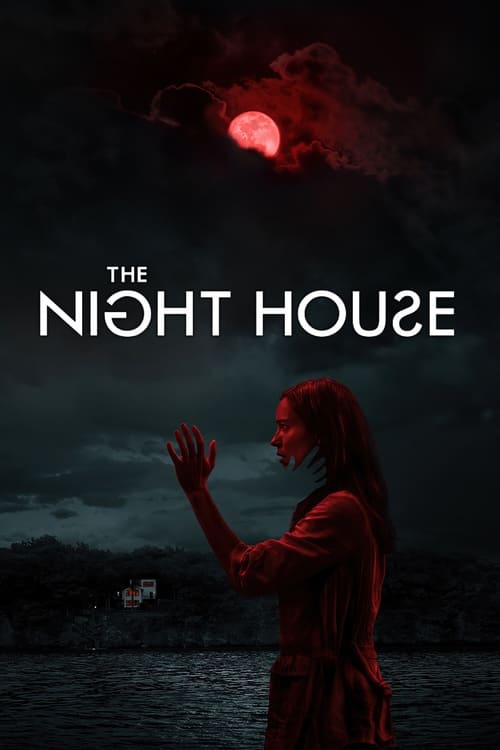
The Night House2021
A widow explores the mysteries her late husband left behind in their modernist home. Grounded supernatural horror that uses architecture and design as psychological landscape, very human at its core.
But More intimate and less theatrical than Twixt; if you're looking for Coppola's maximalism and visual excess, this will feel restrained.
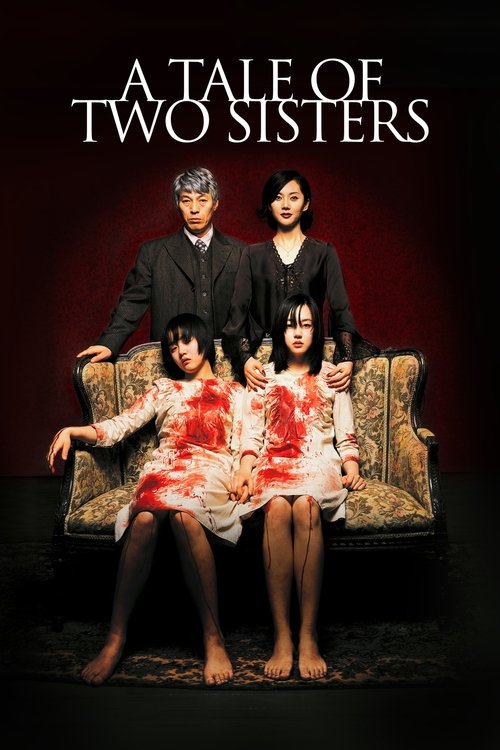
A Tale of Two Sisters2003
A South Korean fairytale-horror about two girls and their stepmother. Visually gorgeous, narratively unreliable, it uses beauty and color to convey psychological damage in ways that linger.
But The twist is the point, not a surprise—if you figure out the structure early, much of the film's power drains away on repeat viewings.
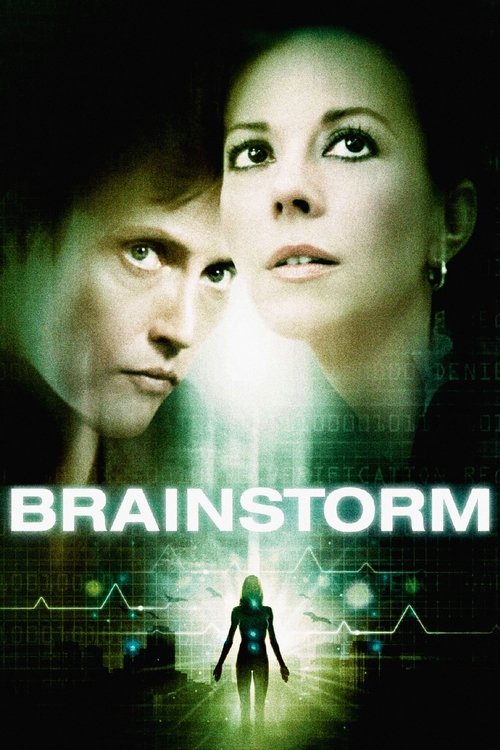
Brainstorm1983
Both films use a technological or supernatural device to explore whether consciousness, memory, and identity persist beyond death. Both are fascinated by the structure of narrative itself—what we can and cannot know about another person's inner life.
A technical thriller about scientists who invent a device to record and playback human experiences—including death. Douglas Trumbull's film is visually ravishing and philosophically ambitious about consciousness, narrative, and what survives us.
But The late-80s tech and some conceptual sequences feel dated. It's cerebral rather than viscerally scary, and the tone can feel dated in ways that distract.
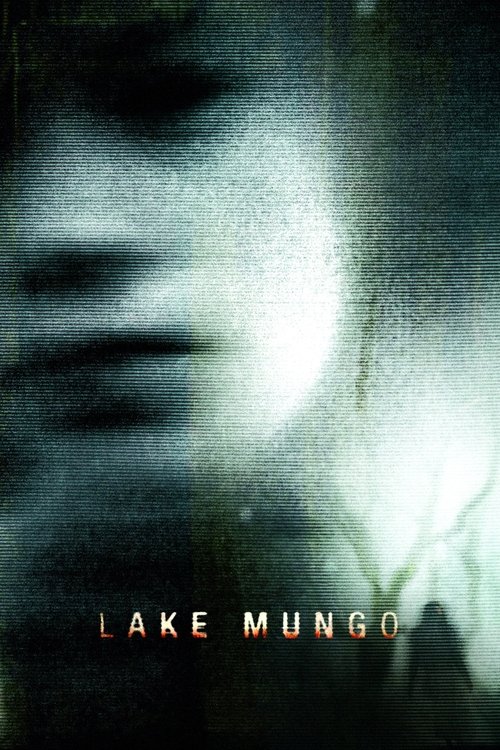
Lake Mungo2009
Both films use the mystery form (solved murder, explained death) as a disguise for something deeper: a meditation on unreliable narration, the stories we construct to survive, and whether truth and narrative can ever align.
An Australian mockumentary about a family investigating their daughter's death. Deceptively simple: it looks like a grief film but becomes something stranger and more troubling about narrative, image, and what evidence can't tell us.
But Very slow and deliberately unglamorous. It refuses emotional beats and climaxes—by design, but that may feel withholding rather than effective.
People
Cast
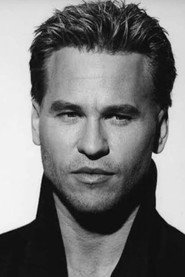 Val KilmerHall Baltimore
 Bruce DernSheriff Bobby LaGrange
 Ben ChaplinEdgar Allan Poe
 Joanne WhalleyDenise
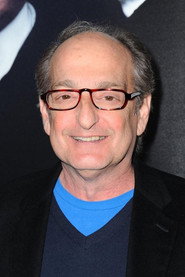 David PaymerSam
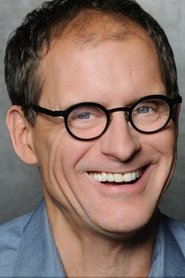 Anthony FuscoPastor Allan Floyd
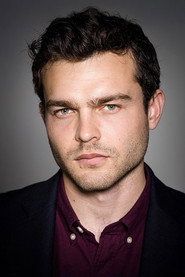 Alden EhrenreichFlamingo
- Bruce A. MiroglioDeputy Arbus
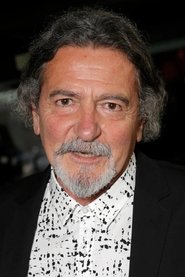 Don NovelloMelvin
- Lisa BailesRuth
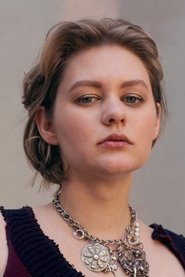 Ryan SimpkinsCaroline
Directing
- Francis Ford CoppolaDirector
- Darren M. DemetreFirst Assistant Director
- Gregory Kent SimmonsFirst Assistant Director
- Anahid NazarianScript Supervisor
- Brendon BreeseSecond Assistant Director
- Shelly HeywardSecond Assistant Director
Writing
- Josh GriffithStory Consultant
- Francis Ford CoppolaWriter
Production
- Alexis ForniAccountant
- Masa TsuyukiAssociate Producer
- Florentine MocanuCasting Assistant
- Anahid NazarianExecutive Producer
- Fred RoosExecutive Producer
- Peter MoodyLocation Manager
- Francis Ford CoppolaProducer
- Alrik BursellProduction Coordinator
- James T. MockoskiProduction Coordinator
- Adriana RotaruProduction Manager
- Darren M. DemetreUnit Production Manager
- Gregory Kent SimmonsUnit Production Manager
Recommended by
Firestarter, The Outlaws, Warning Sign, Night on Bald Mountain