
Television series
Black Box
A neurologist hiding her bipolar disorder runs a cutting-edge diagnostic unit where each case is a visual and neurological puzzle. Black Box pairs genuinely strange brain mysteries with Catherine's personal unraveling, leaning hard into hallucinogenic imagery and medical spectacle. It's for people who want House but stranger, and who don't mind their procedural wrapped around character instability.
Should you watch it?
Watch it if you like medical mysteries where the puzzle is the patient's own distorted perception, and you don't mind a lead character whose brilliance and instability are tangled together.
Skip it if you want a tidy case-of-the-week procedural, since the personal storylines take up as much room as the medicine.
What it asks of you: Thirteen hour-long episodes, and a lot of attention spent inside strange, shifting perceptions; it moves in a steady, sometimes uneasy rhythm rather than rushing.
Not sure? Find tonight's pick in a minute.
If you liked this
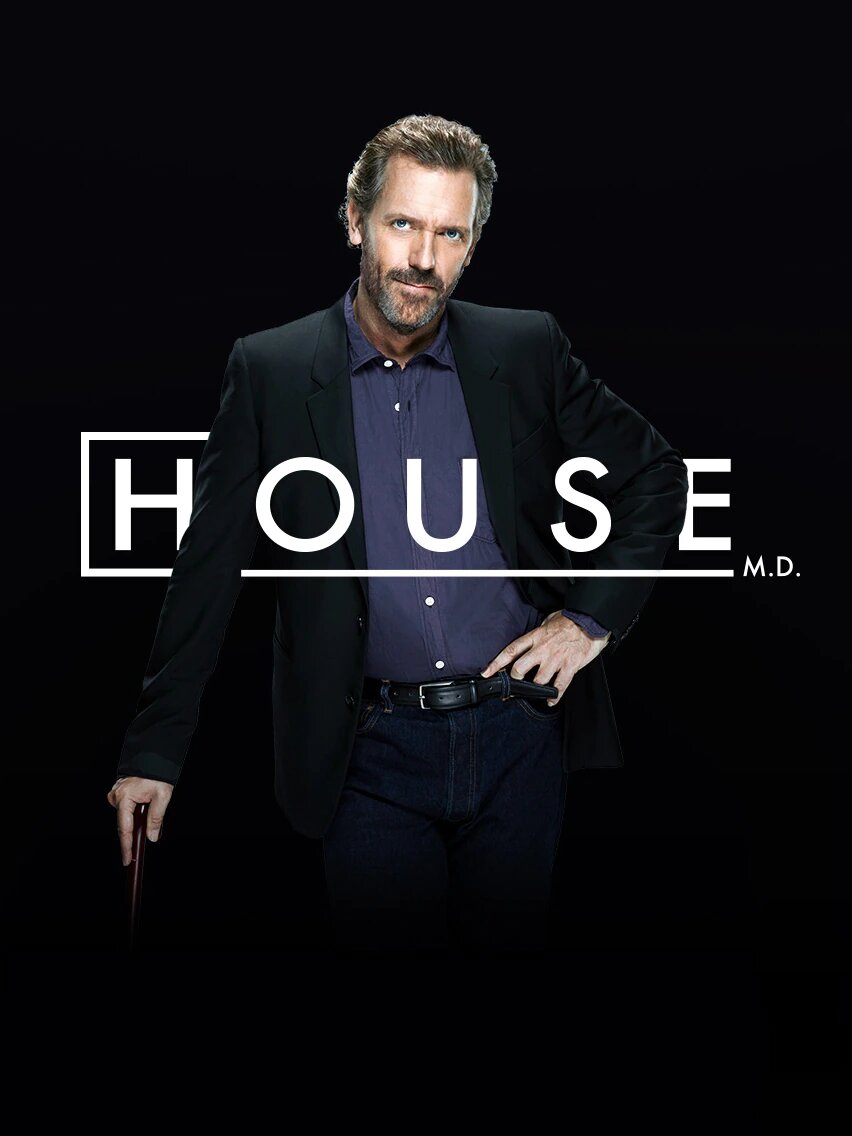
House2004
The obvious DNA match: brilliant maverick diagnostician, rare cases, team dynamics, and that same addiction to solving the unsolvable. House does the formula better, with sharper writing and a more fully realized antihero.
But Eight seasons of repetition wear the format down. House's misanthropy calcifies into predictability by the end.
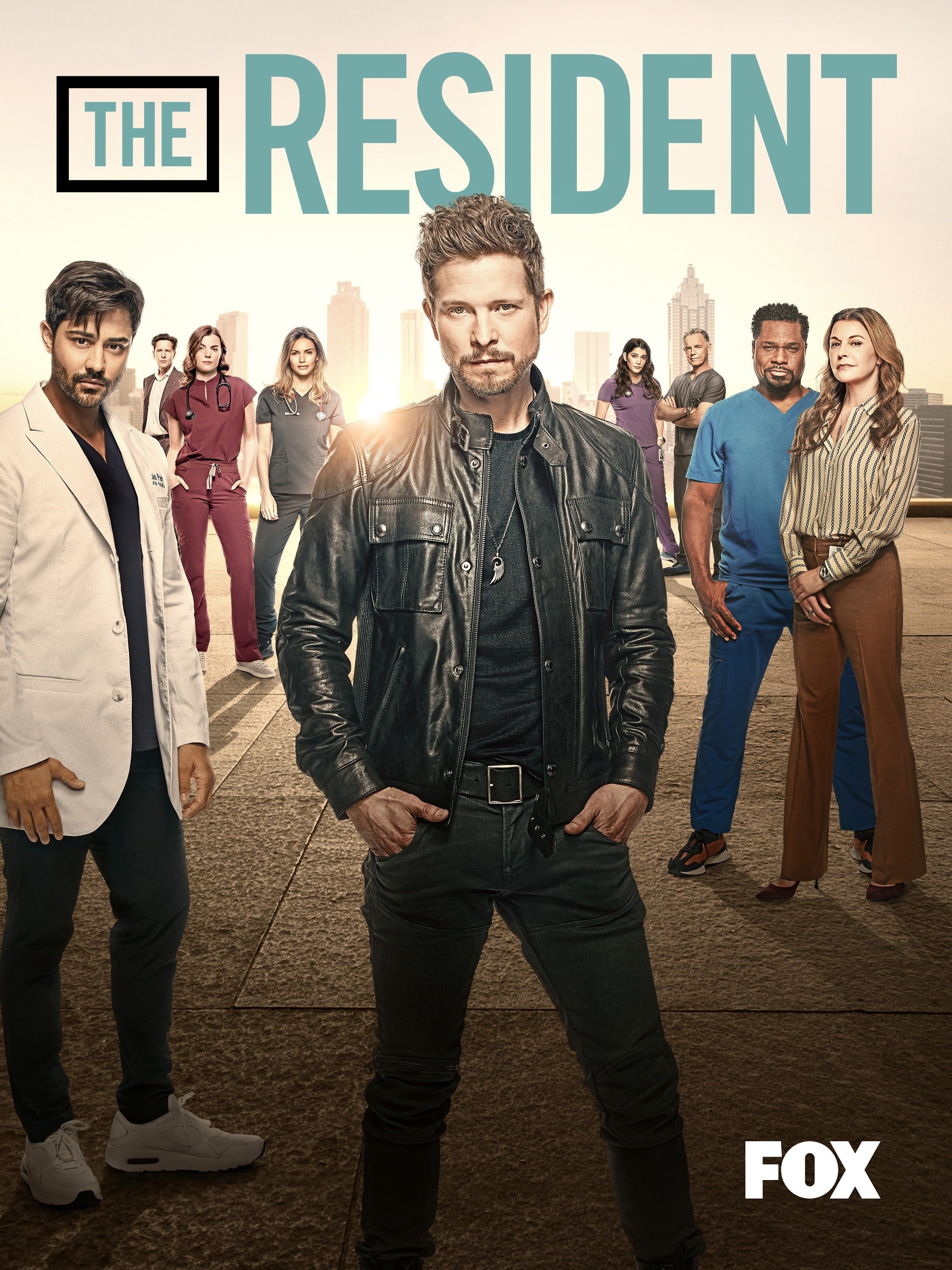
The Resident2018
Another medical thriller obsessed with getting cases right and doing right by patients, but grittier and more willing to show systemic failure. Serious without being self-important.
But It peaks in season two. Later seasons lean into soap opera plotting that dilutes the medical focus.
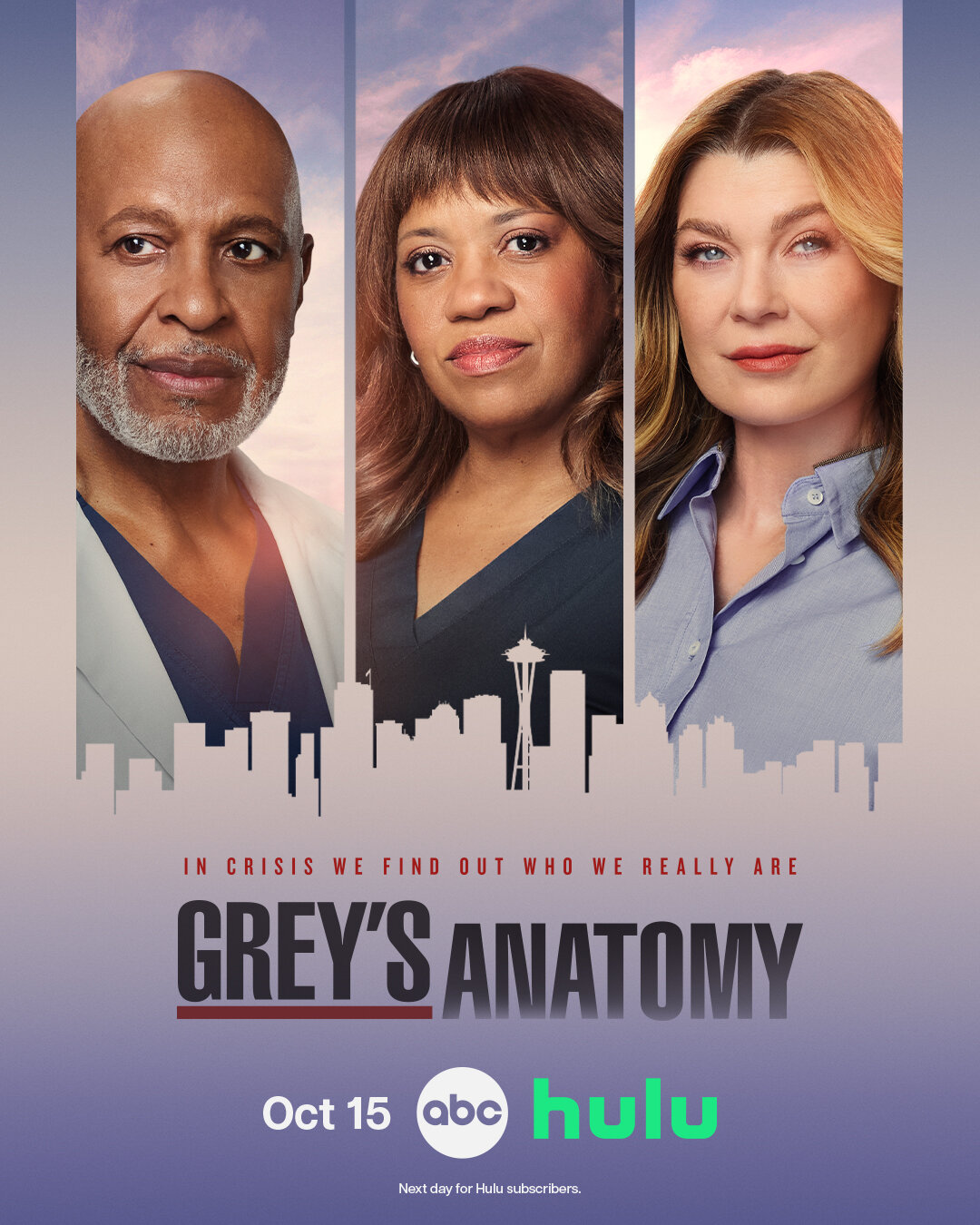
Grey's Anatomy2005
Surgery and neurology share the same high-wire tension, and Grey's proved you could build a show around both case-of-the-week and character rupture. It knows how to make you care about both.
But Twenty-plus seasons mean enormous tonal drift. The show you loved in 2005 is not the show airing now, and not always in good ways.
Not sure tonight? Get a pick in a minute, starting from Black Box
The wildcard
Something you would not have found on your own.
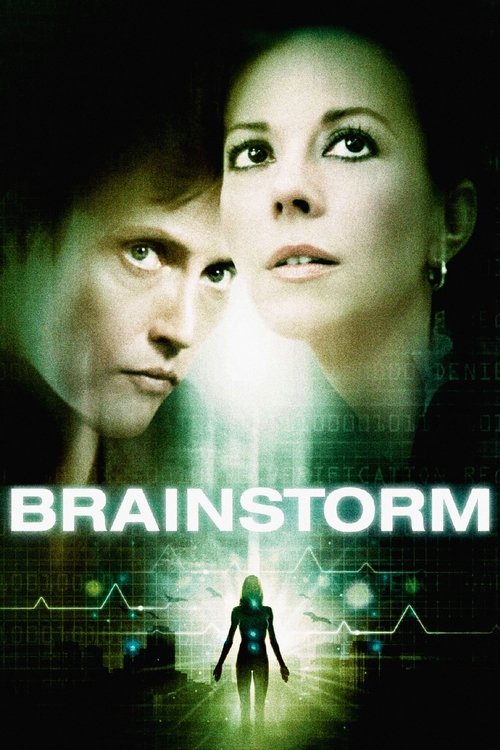
Brainstorm1983
Both are mesmerized by the possibility of making the interior life visible, and both trust hallucinogenic imagery to convey neurological truth.
A scientist builds a machine that records and plays back subjective experience—sights, sounds, feelings, hallucinations. The film uses that premise to visualize the actual texture of consciousness, which is exactly what Black Box tries to do with neurology. Genuinely trippy and grounded in real fascination with how brains work.
But 1983 special effects age visibly, and the plot gets wrapped up in Cold War paranoia that pulls focus. Uneven pacing in the third act.
More like this (7)
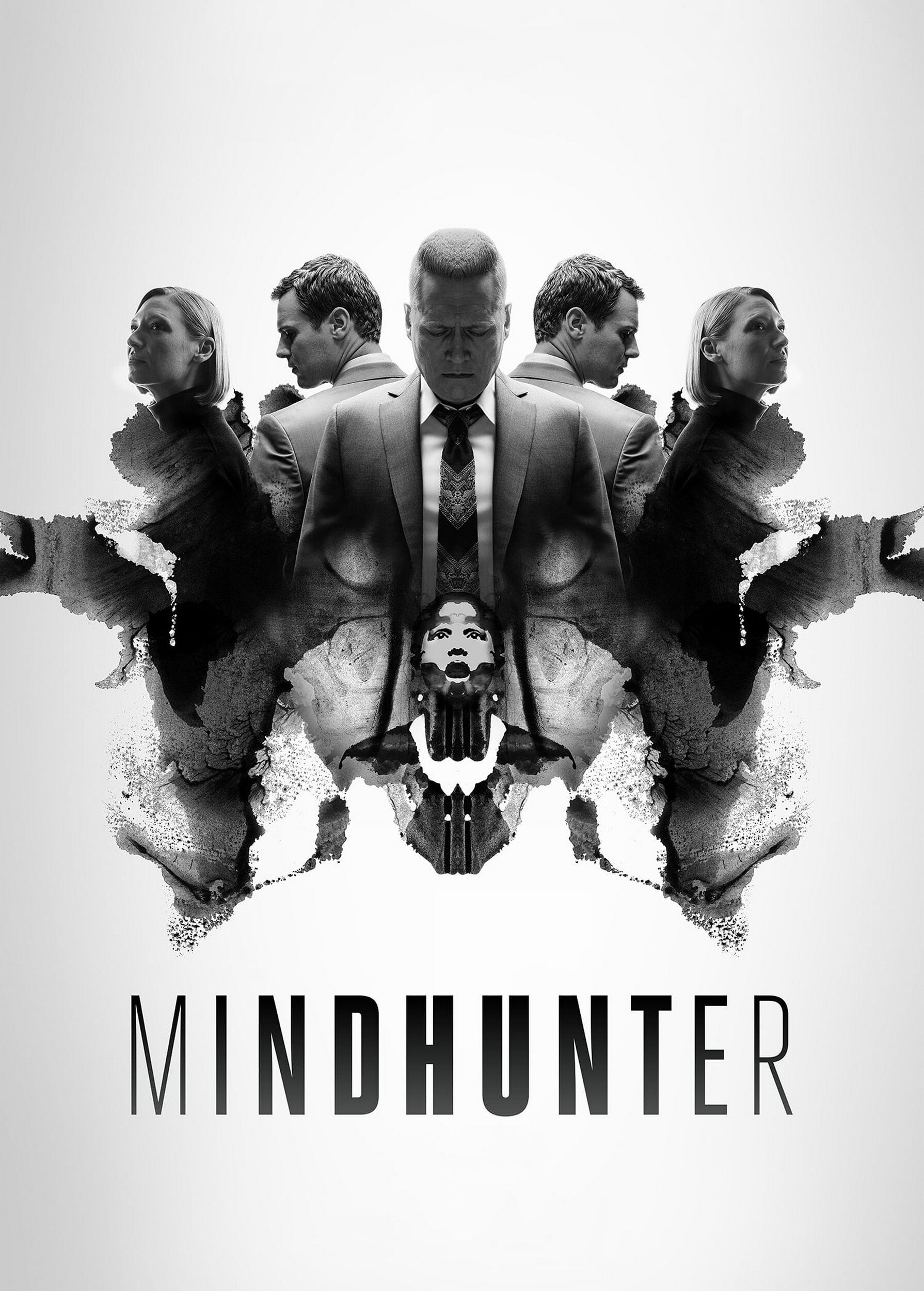
MINDHUNTER2017
Another show about understanding the brain—criminal psychology instead of neurology—with the same visual precision and the same interest in how obsession corrodes the people pursuing it.
But Only two seasons and an abrupt cancellation. You will not get the ending you want, and the second season fumbles its own momentum.
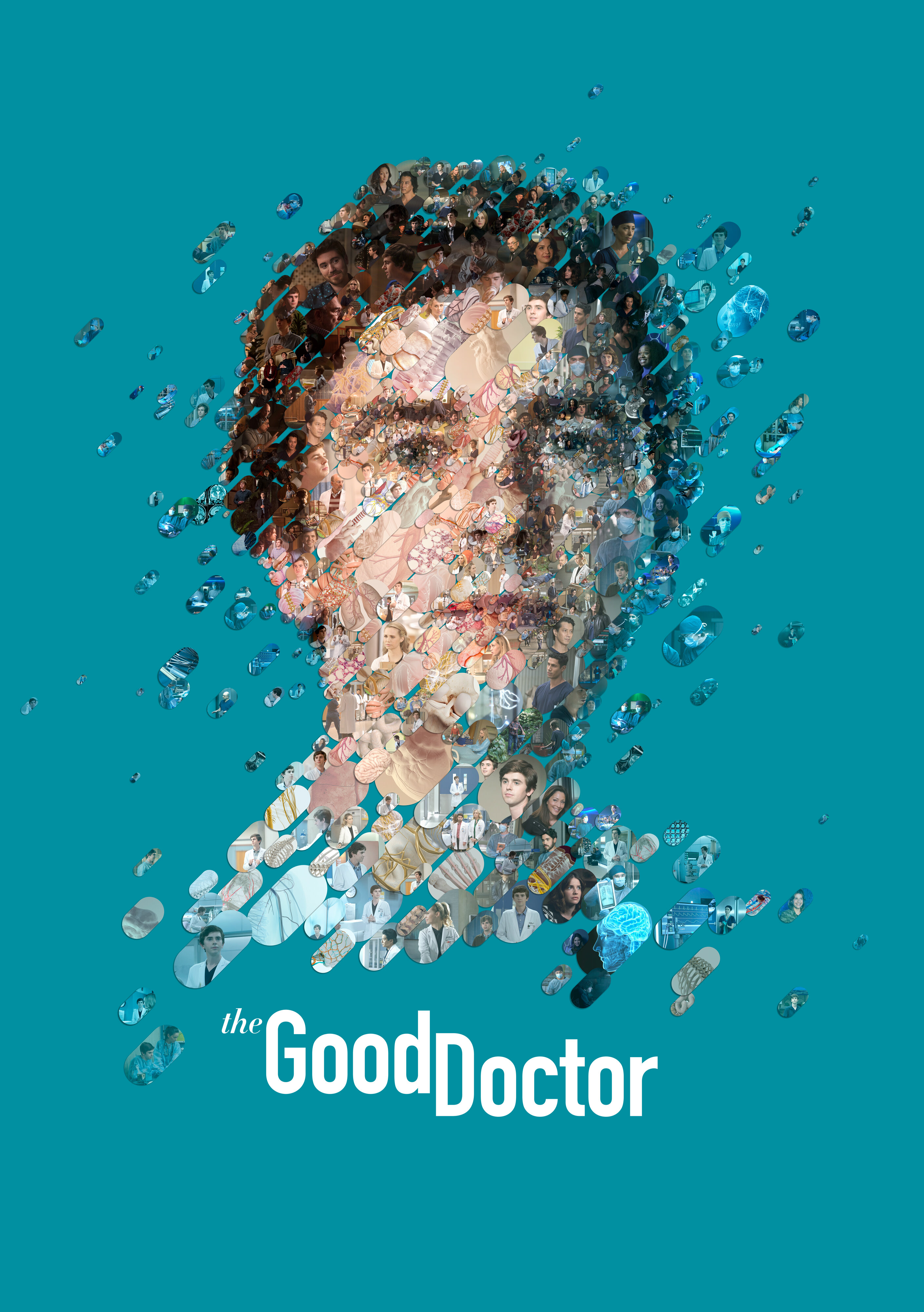
The Good Doctor2017
A medical procedural genuinely interested in neurodiversity and how brilliant minds work differently. Cases are strange and moving; the personal stakes accumulate steadily.
But Schmaltz is baked in. It wears its heart outside its chest, which works for some viewers and exhausts others.
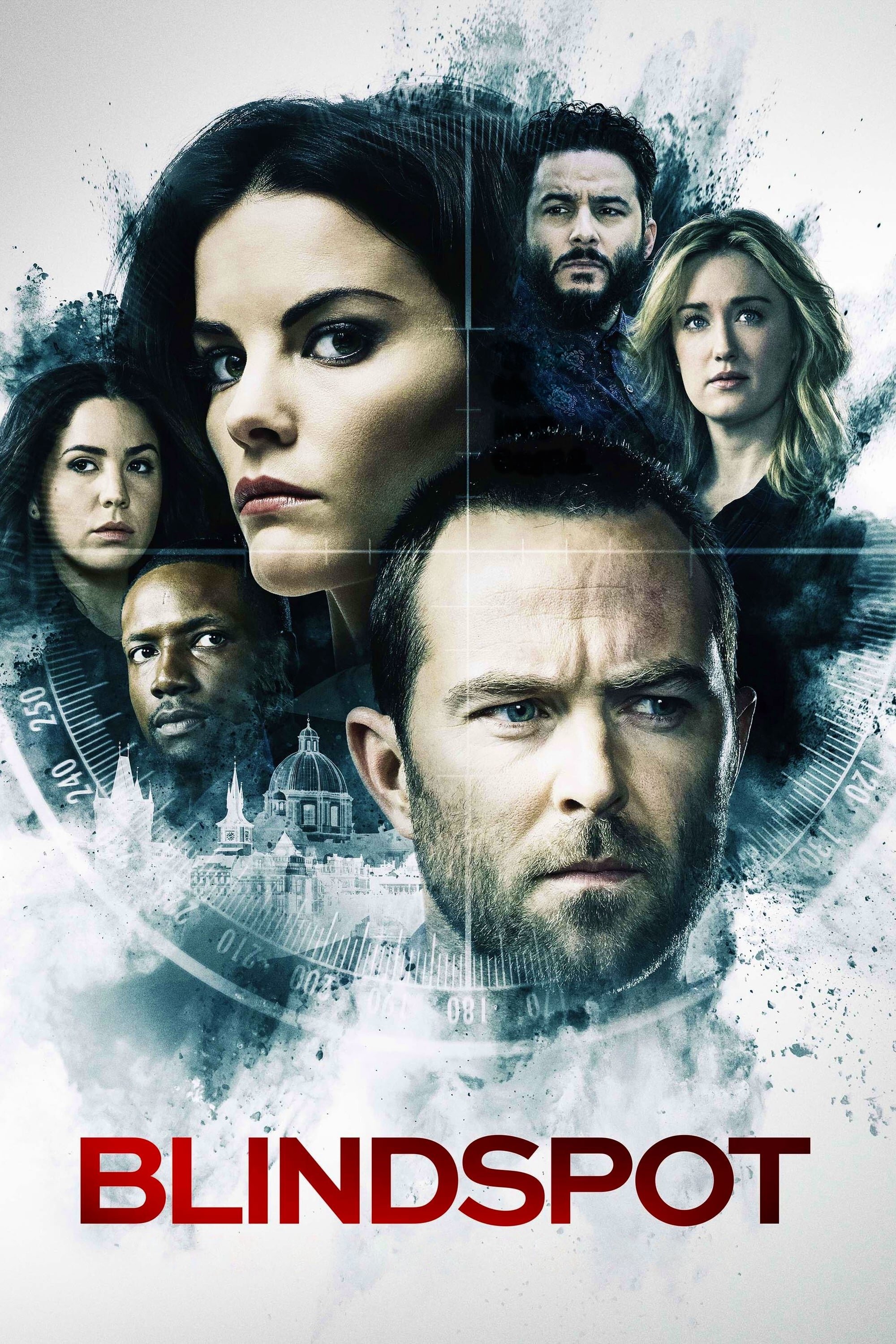
Blindspot2015
A different kind of mystery-solving show with a woman at its center who is fractured and unreliable. Visually inventive, propulsive, happy to be weird and fun.
But The mythology becomes convoluted and increasingly silly. It doesn't know when to quit, and it shows.
Penny Dreadful2014
Gothic horror with a neurotically brilliant protagonist and a deep investment in psychological torment. Beautifully shot, genuinely unsettling, alive to the visual possibilities of madness.
But Very slow, very dark, and the finale feels arbitrary. Not for people who need plots to cohere.

ER1994
The ancestral trauma drama that proved you could weave procedural cases with characters you actually cared about falling apart. Some of television's best writing for how institutions damage people.
But Fifteen seasons is a lot. Quality dips significantly after the early run, though the late seasons have defenders.

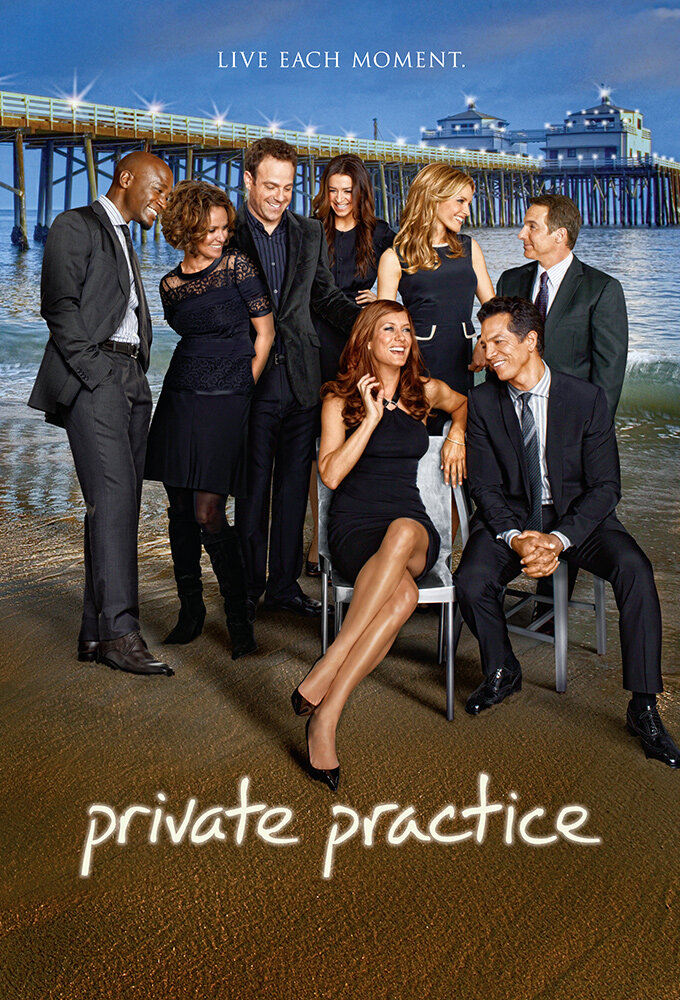
Private Practice2007
A spinoff that manages to be its own thing: smaller scale, more inward-looking, genuinely interested in how medical expertise coexists with personal chaos. Kate Walsh is excellent.
But Tonally uneven and sometimes veers into melodrama over medicine. Cancelled after six seasons on a cliffhanger.
The Midnight Sky2020
Both are visual fever dreams about brilliant, troubled people racing against their own neurology, whether that's bipolar disorder or cosmic radiation. Both use hallucinatory sequences as windows into consciousness under pressure.
A dying astrophysicist on a space station tries to stop a returning spacecraft from approaching Earth. It's quieter than you'd expect, more interested in isolation and mortality than spectacle. The visuals are stunning—space rendered as genuinely alien and beautiful—and the emotional core is about how individual brilliance can become a burden.
But Slow. Very, very slow. And the third-act plot twist divides people sharply on whether it earns its sentiment or squanders it.

People
Cast







Writing
- Amy Holden JonesCreator