
Television series
The Resident
The Resident peels back the hospital curtain to show medicine as it actually happens—messy, political, sometimes corrupt. It's a procedural where the real enemy isn't disease but systems that fail patients. Sharp, angry, occasionally cynical, best for viewers who want drama that questions authority rather than saluting it.
Should you watch it?
Watch it if you like hospital dramas where the institution itself is the antagonist and the power politics between senior doctors matter as much as the surgeries.
Skip it if you want restrained, quiet storytelling, since this one leans on soapy romance and an expose plot that can run hotter than the wards it claims to show.
What it asks of you: Sixty-minute episodes stacked over six seasons and 107 installments make this a long, serialized commitment where storylines build slowly across many weeks.
Not sure? Find tonight's pick in a minute.
If you liked this
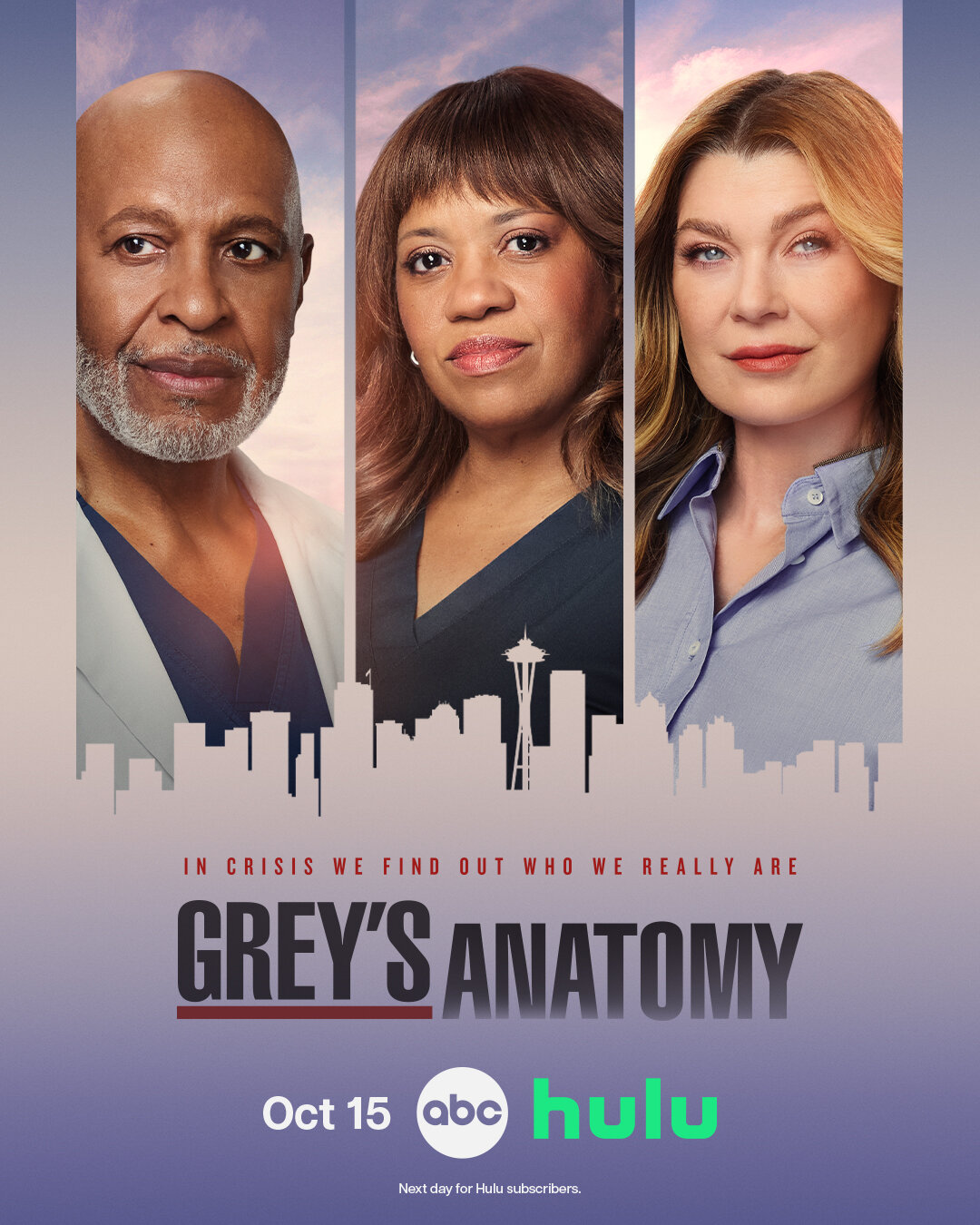
Grey's Anatomy2005
The gold standard medical drama that balances genuine surgical tension with character arcs that span seasons. If you want investment in doctors' lives alongside the cases, this is the template—and it's earned its longevity.
But Eleven seasons in, it becomes more soap opera than surgery. The medical cases sometimes feel secondary to romantic entanglements and trauma backstories.
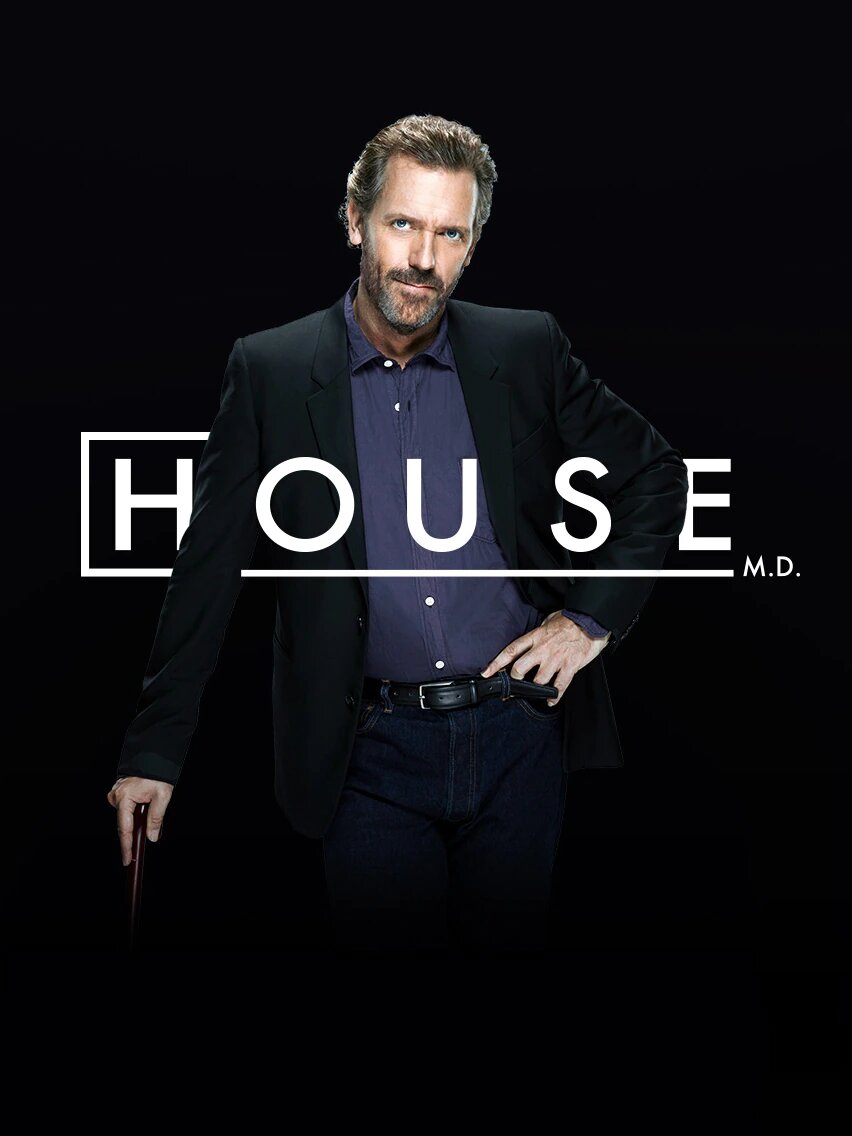
House2004
A brilliant misanthrope solves impossible diagnoses using logic, provocation, and moral flexibility. Like The Resident, it's about a doctor who bends rules to save patients and questions whether the system serves them.
But Hugh Laurie's genius can overshadow everyone else on screen. After eight seasons the formula—mystery, insult, reveal—becomes predictable.
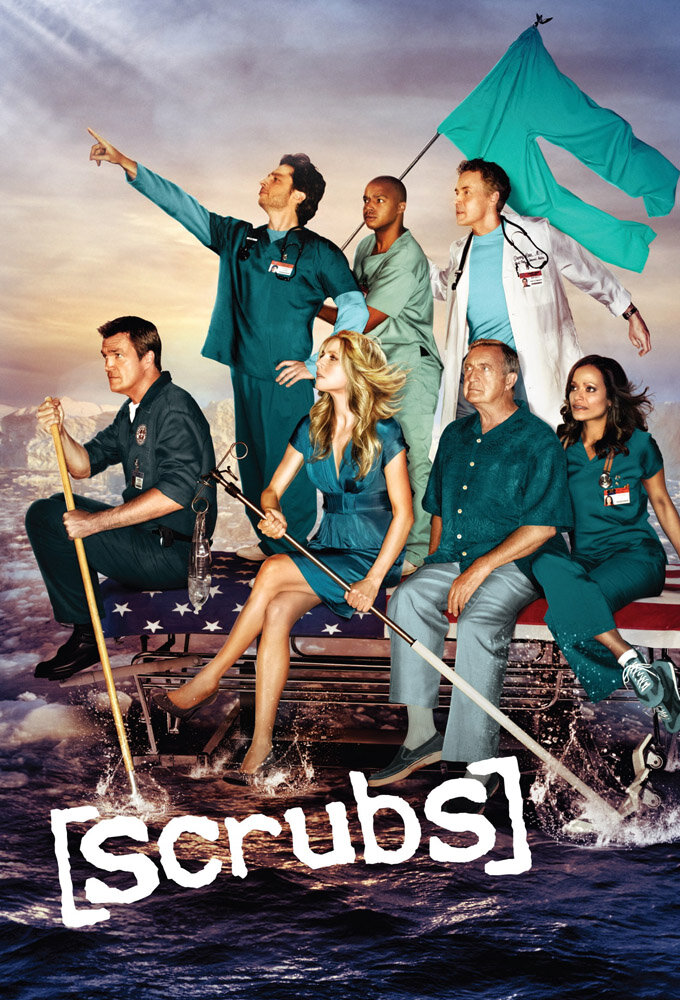
Scrubs2001
Medical drama that actually earned its comedy. Shows the absurdity and weight of hospital life simultaneously, with real emotional stakes underneath the jokes. Hospitals are chaotic; this gets it.
But The tone whiplash between genuinely moving episodes and broad sitcom humour won't work for everyone. Some find the shift jarring rather than cathartic.
Not sure tonight? Get a pick in a minute, starting from The Resident
The wildcard
Something you would not have found on your own.
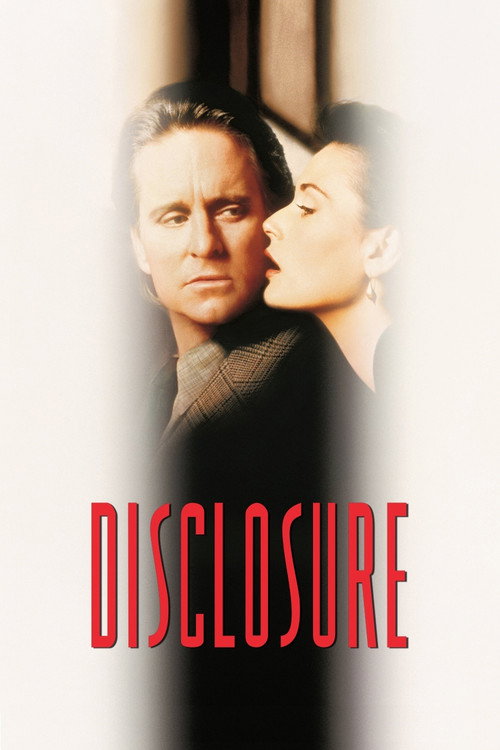
Disclosure1994
Both expose institutional hypocrisy—the difference between official policy and actual practice. Both ask: what happens to whistleblowers in systems designed to protect themselves?
A thriller about sexual harassment and institutional cover-up in a corporate hospital. Same fury at systems protecting the powerful over patients and staff, but in feature form with genuine suspense and moral complexity underneath.
But It's a 90s thriller with 90s politics and gender dynamics that don't always hold up. Michael Douglas carries an agenda that dates it.
More like this (8)
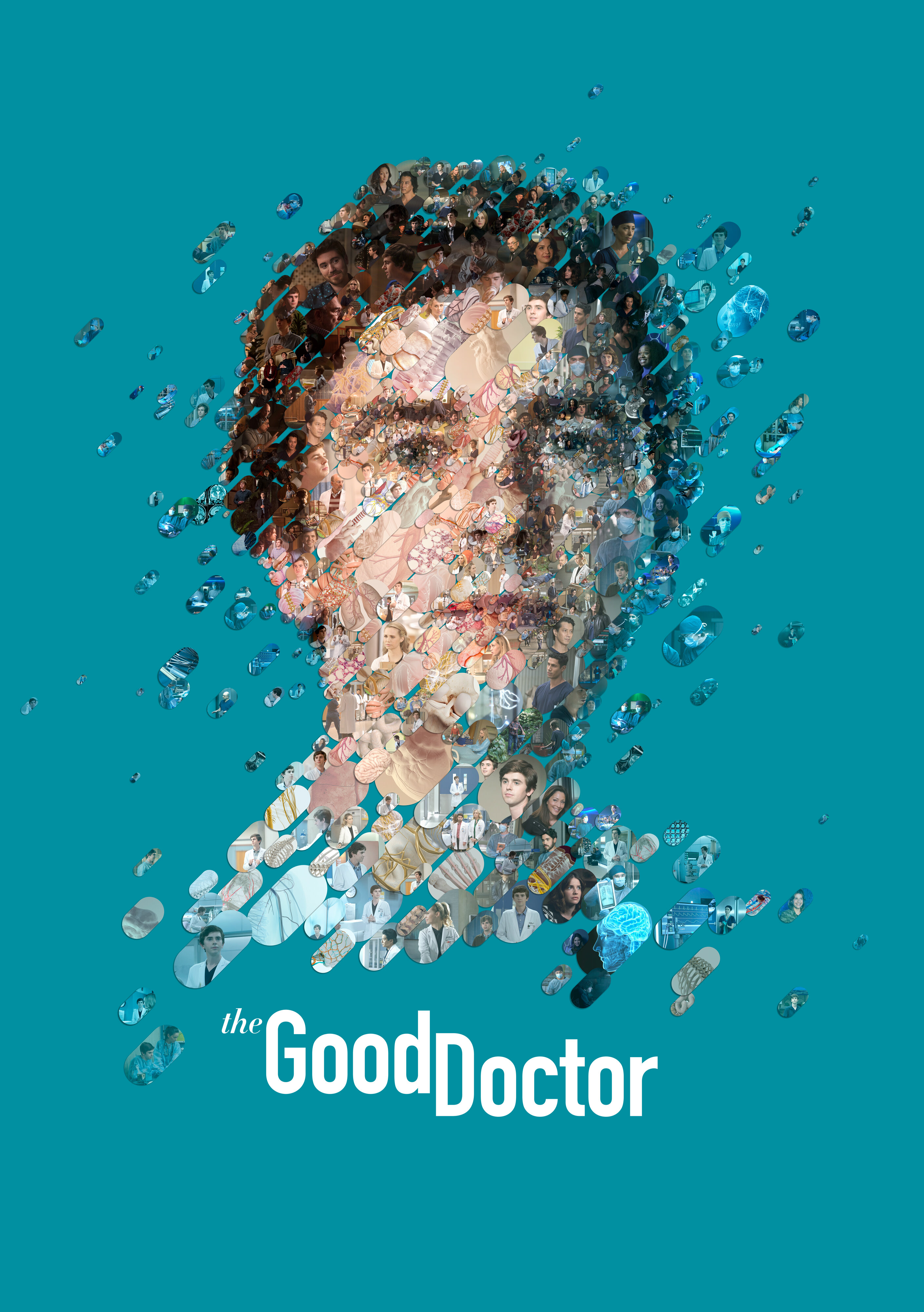
The Good Doctor2017
A surgeon with autism navigates both brilliant diagnosis and profound social isolation. Procedurally satisfying while genuinely interested in neurodiversity, institutional bias, and what expertise actually means.
But The cases are sometimes too neat, and savant-genius-solves-everything can feel wish-fulfilment rather than realistic. Some episodes prioritize emotion over plausibility.
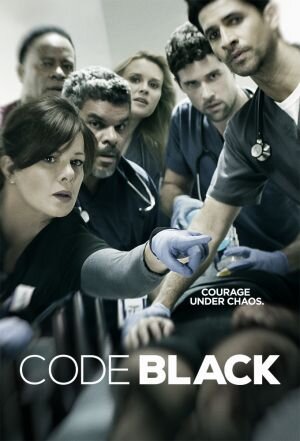
Code Black2015
Raw, urgent, focused on emergency medicine in an understaffed urban hospital. Less about individual doctors' lives, more about triage, impossible choices, and systems breaking under pressure. The chaos is the point.
But It's relentlessly intense with little breathing room. The rapid-fire cases sometimes sacrifice character development for pure adrenaline.
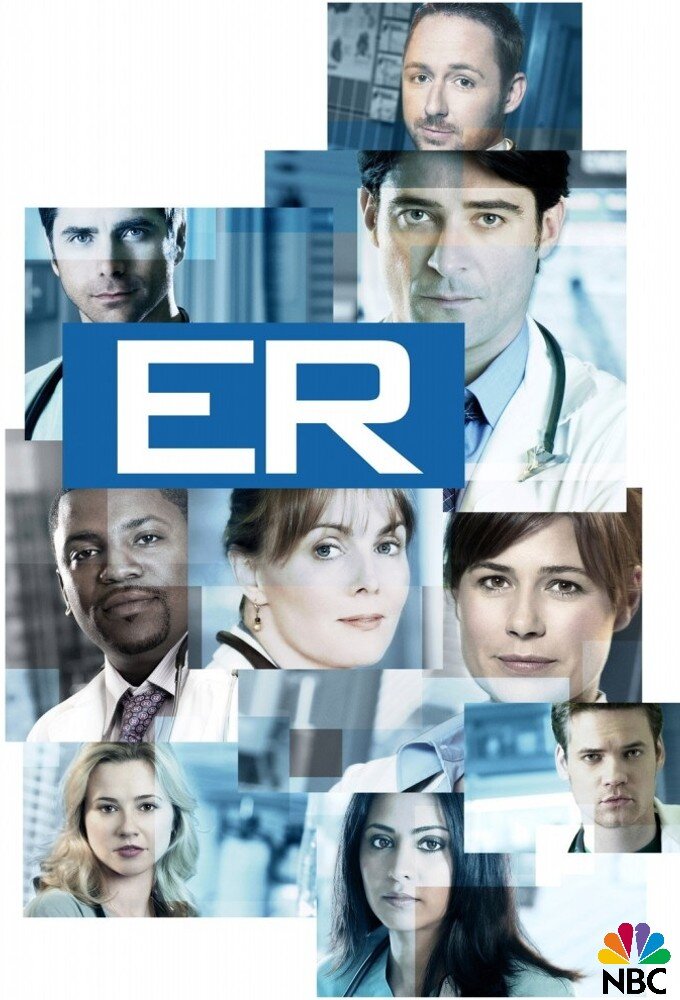
ER1994
The show that proved medical drama could be intelligent, fast-paced, and genuinely moving. Its influence on everything that followed is immense; watching it reminds you why that matters.
But It's dated now—not just aesthetically, but in some of its cultural assumptions. The first few seasons are far better than the later run.
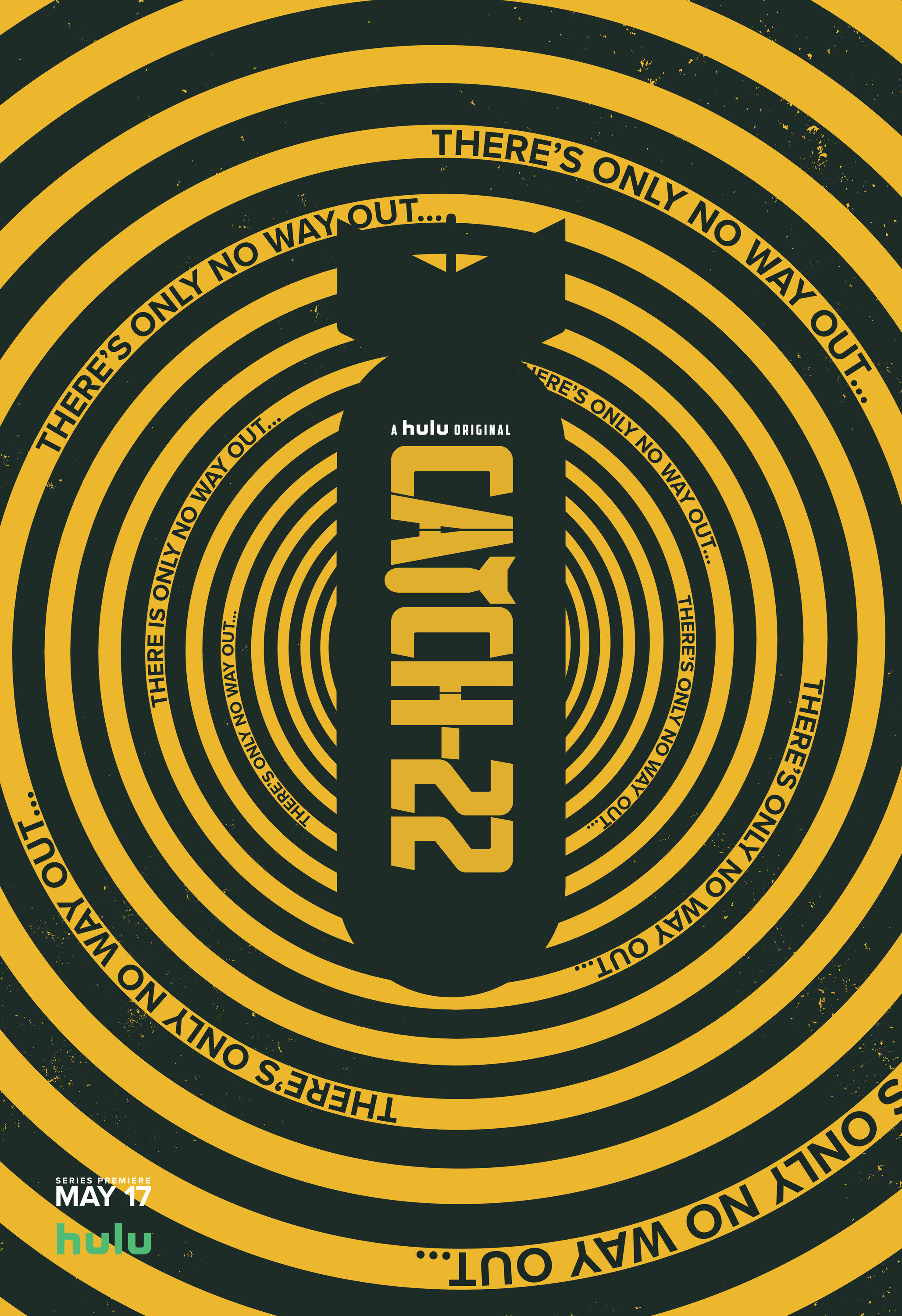
Catch-222019
A miniseries about military medical failure and bureaucratic absurdity that shares The Resident's anger at systems that destroy people. Heller's novel transposed to screen with dark humour and real moral weight.
But It's deliberately cyclical and frustrating in ways that mirror the source material—the repetition that conveys futility can feel exhausting rather than enlightening.
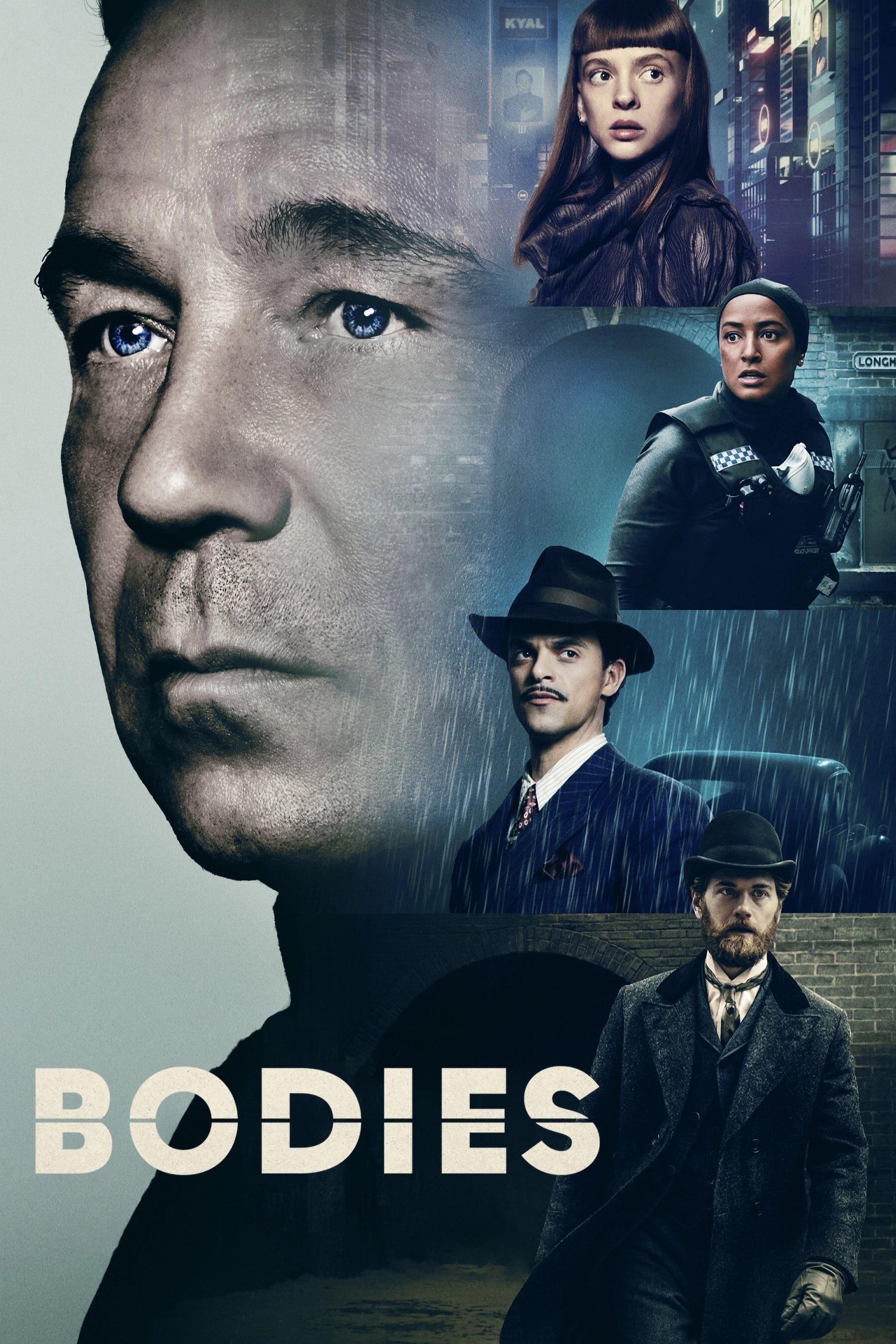
Bodies2023
Four timelines in the same hospital across 175 years reveal how little actually changes in medical practice and mortality. Brilliantly structured and genuinely unsettling—especially about power and whose bodies matter.
But Bouncing between eras requires attention and takes time to cohere. If you want linear narrative, the structure will feel unnecessarily complex.
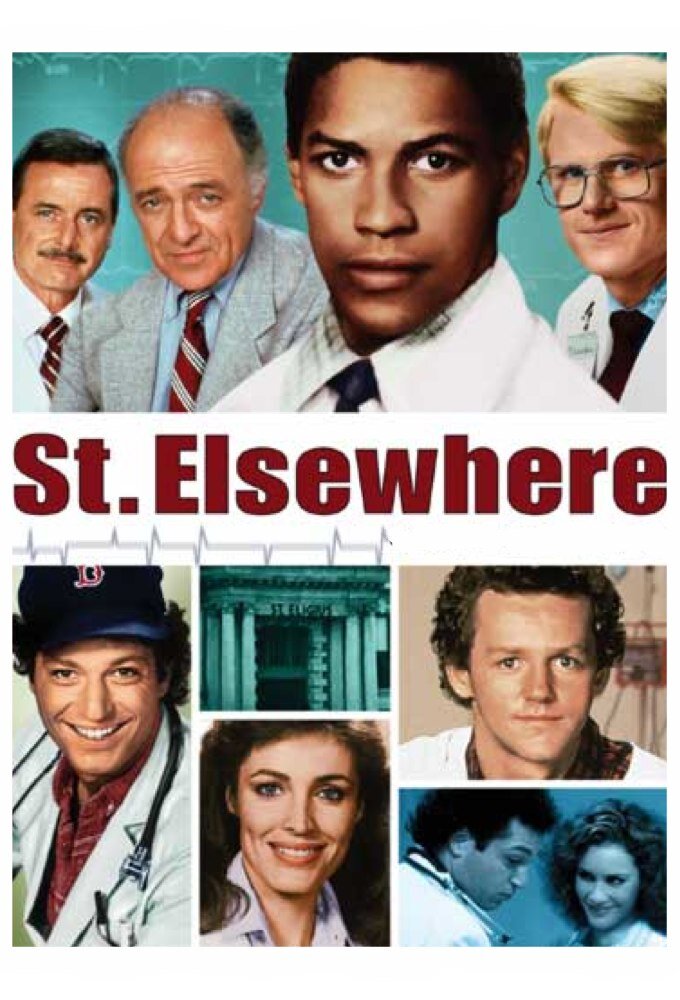
St. Elsewhere1982
The ancestor of the modern medical drama. Character-driven, willing to let people die, interested in institutional failure. Influences The Resident's DNA directly, and still holds up as a complete vision.
But It's 1980s television—pacing, production values, acting styles all feel of their moment. Access is limited; finding all five seasons takes work.
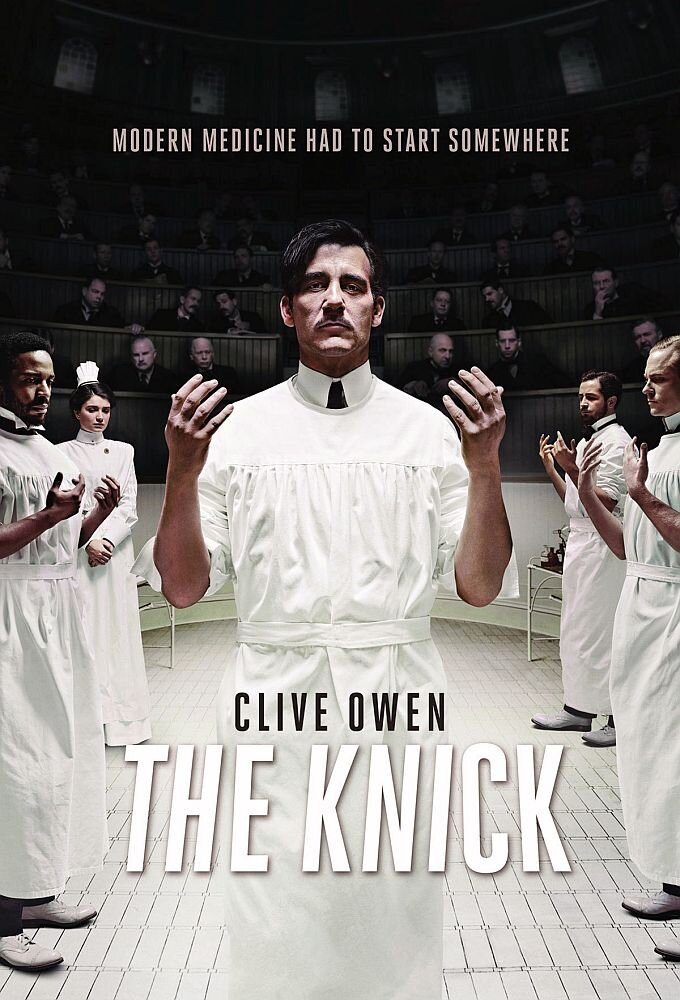
The Knick2014
Both follow doctors whose willingness to break rules serves patients but destroys careers. Both are fascinated by medical innovation happening in the gaps between ethics and necessity.
A hospital drama set in 1900 New York, stylishly shot, starring Clive Owen as a cocaine-addicted surgeon pushing medicine forward through desperation and brilliance. Same obsession with genius bending rules, but in a completely different era.
But It's aggressively stylish—jittery editing, experimental soundtrack—in ways that prioritize mood over clarity. Some find the aesthetic exhausting rather than evocative.
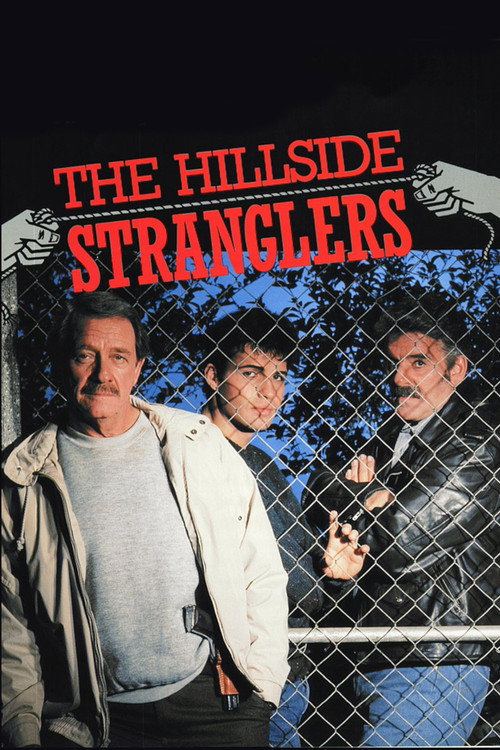
The Case of the Hillside Stranglers1989
Both examine how hospitals can harbour serious wrongdoing because of hierarchy, trust in credentials, and institutional reluctance to investigate. Both ask: who watches the doctors?
A true-crime film about two nurses implicated in murders. Dark, patient, interested in how institutions fail to see what's in front of them, and how charisma and authority can shield someone from scrutiny. Genuinely horrifying.
But It's slow, methodical, and deeply uncomfortable. There's no lightness here—it's about real violence in a medical setting, and it doesn't flinch from that.
People
Cast









Writing
- Amy Holden JonesCreator
- Hayley SchoreCreator
- Roshan SethiCreator
- Joshua TrokeExecutive Story Editor
- Chris BessounianStaff Writer
- Eric LuStaff Writer
- Jenny Deiker RestivoStaff Writer
- Michael NotarileStaff Writer
- Peter ChenStaff Writer
- Tianna Majumdar-LanghamStaff Writer
- Chris BessounianStory Editor
- Tianna Majumdar-LanghamStory Editor
Production
- Jason B. HarkinsAssociate Producer
- Sam FriedlanderAssociate Producer
- Timothy A. GoodAssociate Producer
- Andrew ChapmanCo-Executive Producer
- Elizabeth JB KlaviterCo-Executive Producer
- Hayley SchoreCo-Executive Producer
- Marc HalseyCo-Executive Producer
- Nkechi Okoro CarrollCo-Executive Producer
- Roshan SethiCo-Executive Producer
- Joe McLaughlinCo-Producer
- Kathleen McLaughlinCo-Producer
- Sam FriedlanderCo-Producer
- Kevin FallsConsulting Producer
- Zachary LutskyConsulting Producer
- Amy Holden JonesExecutive Producer
- Antoine FuquaExecutive Producer
- David BoorsteinExecutive Producer
- Oly ObstExecutive Producer
- Phillip NoyceExecutive Producer
- Rob CornExecutive Producer
- Todd HarthanExecutive Producer
- David Blake HartleyProducer
- Jen KleinProducer
- Marqui JacksonSupervising Producer
Recommended by
The Good Doctor, Plastic Beauty, Young Dr. Kildare, Royal Pains, Boston Med, Private Practice, Chicago Med, This is Going to Hurt, Romantic Doctor, Teacher Kim, Holby City, Nurses, The Night Shift, 9-1-1, Doctor X, Doctor John, Shortland Street, Black Box, Znieczulenie