Television series
Doctor John
A South Korean medical thriller that treats diagnosis like detective work. A brilliant pain-management specialist and his team hunt for hidden causes behind patients' mysterious symptoms, turning hospital cases into genuine mysteries. Sharp, absorbing, and willing to sit with uncomfortable ethical questions about suffering and choice.
Should you watch it?
Watch it if you like medical stories built like a mystery, where the question of what is causing the pain stays elusive for a long time, and you don't mind a moral debate running underneath the diagnoses.
Skip it if you want light hospital comedy or quick escapism, since its thirty-two 35-minute episodes keep returning to a heavy moral question about ending suffering.
What it asks of you: Expect a long commitment, around thirty-two episodes of roughly thirty-five minutes each, with slow, patient investigation and a sober, rarely jokey tone that wants your attention on each case.
Not sure? Find tonight's pick in a minute.
If you liked this
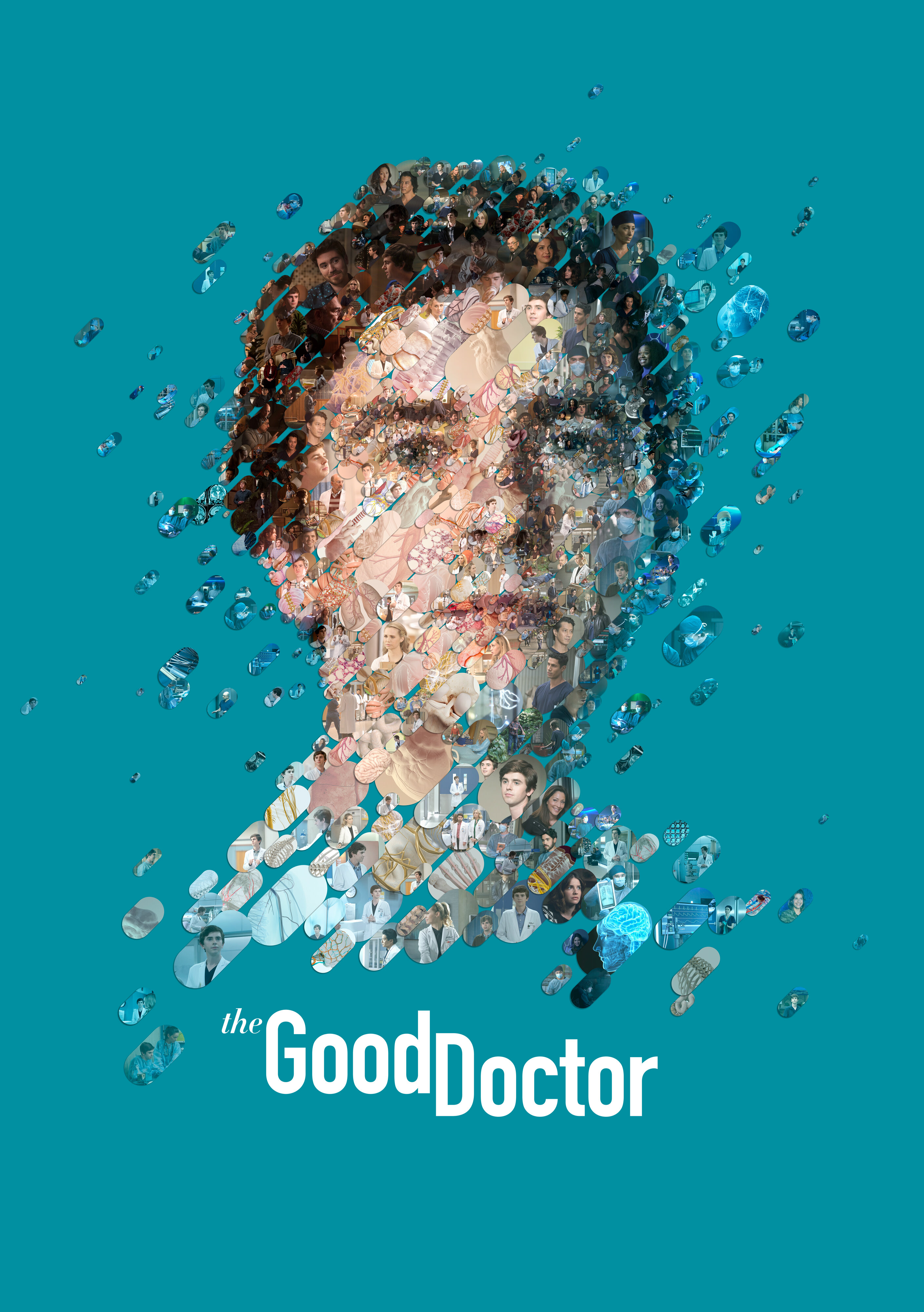
The Good Doctor2017
Another medical procedural elevated by its lead's unusual perspective—here, a surgeon with autism who sees patterns others miss. Shares that satisfying diagnostic puzzle-solving and the emotional weight of each patient's story.
But Occasionally tips into melodrama, and the protagonist's quirks can feel performative rather than integrated into the storytelling.
Diagnosis2019
A real documentary series about actual diagnostic mysteries, following a rare-disease specialist and her patients. The same detective-work satisfaction but grounded in genuine case files and real medical uncertainty.
But No narrative arc or resolution for every case—some mysteries stay unsolved, which can be frustrating if you crave neat conclusions.

Grey's Anatomy2005
The gold standard for character-driven medical drama. Seasons 1–10 especially nail the balance of procedural satisfaction, ensemble dynamics, and genuine stakes that feel earned rather than manufactured.
But Extremely long commitment (19 seasons), and later seasons often prioritize soap opera over medicine. Starts assuming you'll stay forever.

Not sure tonight? Get a pick in a minute, starting from Doctor John
The wildcard
Something you would not have found on your own.
Still Alice2014
Both examine the limits of medical certainty—what happens when diagnosis doesn't equal cure, when knowing the problem doesn't solve the suffering.
A neuroscientist diagnosed with early-onset Alzheimer's watches her own mind become a mystery even to her. Shifts the detective frame entirely: instead of a doctor solving a patient's symptoms, we're inside the patient's search for herself. Devastating and clear-eyed.
But Emotionally punishing. This is a film about cognitive decline and loss, not a mystery with a cathartic resolution. Julianne Moore's performance is so direct it leaves no room to hide.

More like this (6)
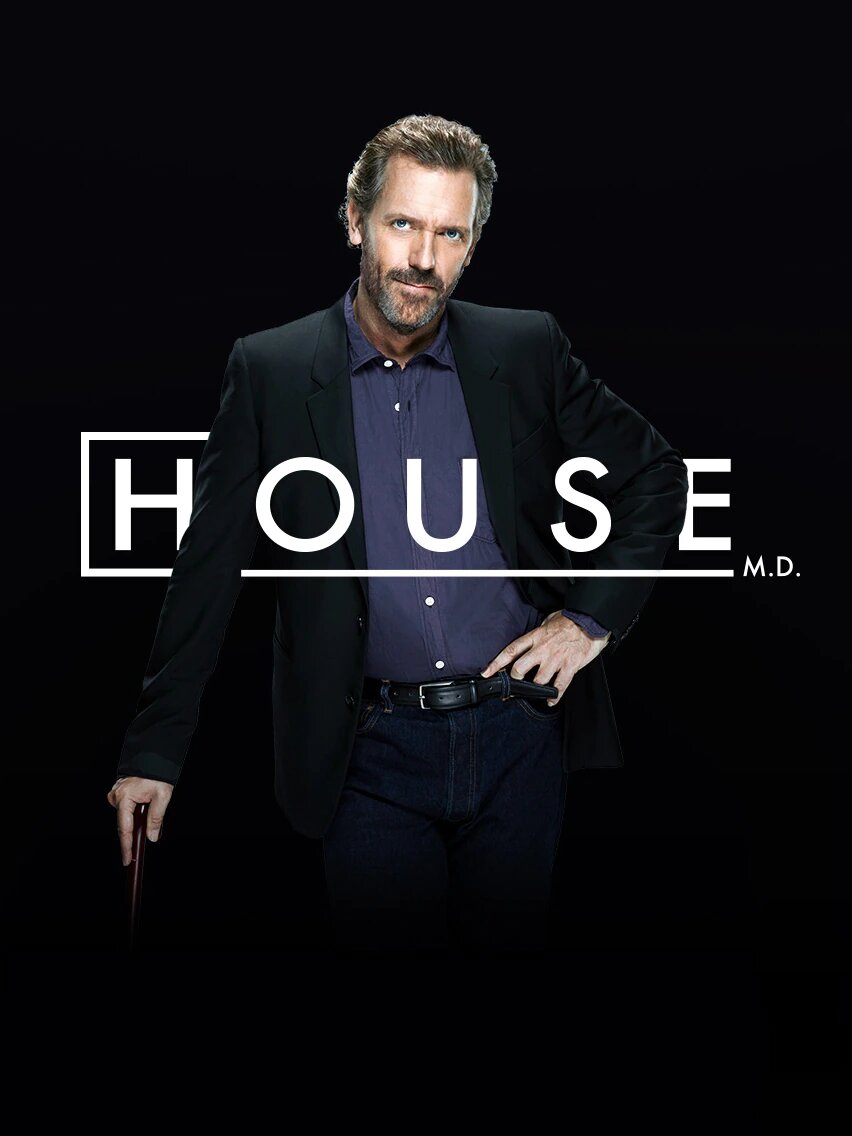
House2004
The spiritual ancestor of the diagnostic-mystery format—a misanthropic genius and his team solve impossible cases. If you love the puzzle aspect of Doctor John, House leans fully into that satisfaction.
But The formula becomes repetitive by season four or five. Hugh Laurie's charm can mask how little the show asks of its audience after the novelty wears off.
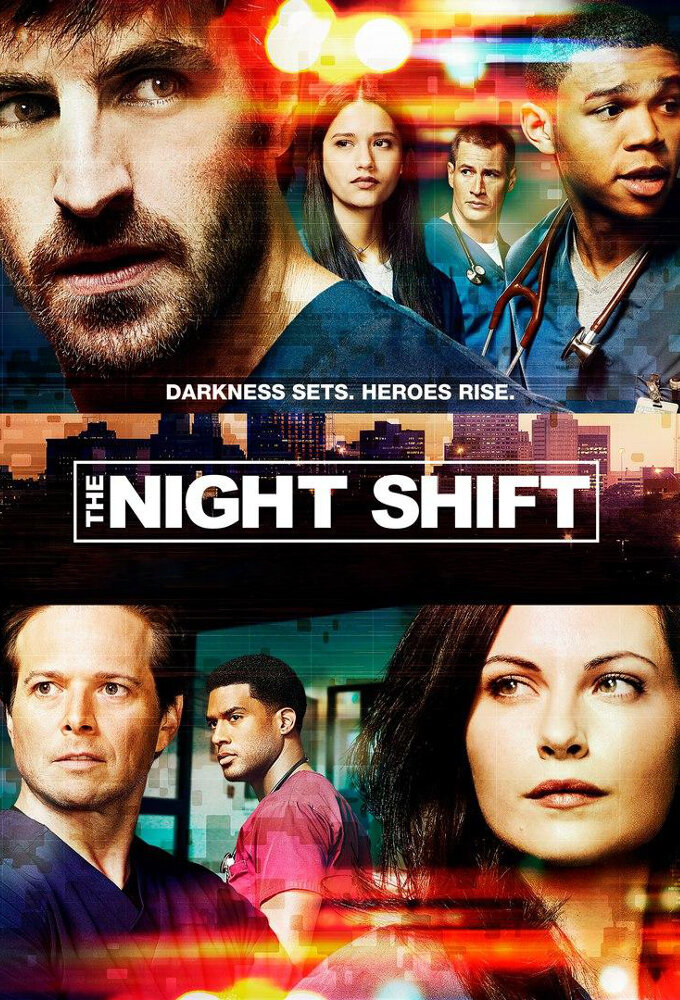
The Night Shift2014
Emergency medicine at 3 a.m., where unusual cases pile up and the team bonds under pressure. Lighter than Doctor John but shares the same 'what is actually wrong with this person?' energy.
But Shifts toward action-thriller territory rather than mystery. Less interested in diagnosis, more in crisis management and heroics.
New Amsterdam2018
A new medical director rebuilds a broken hospital system while still treating impossible cases. Character-forward, ethically engaged, and genuinely moving about healthcare as a human problem, not just a procedural backdrop.
But Sometimes sacrifices specificity for sentiment—not every case feels as carefully constructed as in Doctor John.

The Resident2018
Sharp medical procedural with Conrad Hawkins as a resident who questions everything. Faster-paced than Doctor John, more willing to be cynical about hospital politics and institutional failure.
But Occasionally feels like it's trying too hard to seem edgy. The activism can overshadow the medicine itself.

Midnight Runners2017
The structural DNA is identical: a team racing to solve something urgent before time runs out, each clue leading to the next in a tightly constructed chain.
A Korean thriller about two former special-ops agents chasing a fugitive through the night. Completely different genre, but it has the same propulsive rhythm as Doctor John's best cases—the hunt, the puzzle, information revealed in sharp bursts, adrenaline building toward revelation.
But Action-heavy and plot-driven, not character study. If you're watching for emotional depth or moral complexity, this is pure momentum.

Requiem for a Dream2000
Both treat the human body as a mystery to be studied, but Requiem suggests that understanding what's happening to you might be the cruelest knowledge of all.
Four people descend into addiction and delusion, each on their own catastrophic trajectory. Darren Aronofsky's masterpiece about the body and mind betraying their owners, shot with such formal precision that it feels almost clinical—a dark mirror of medical investigation.
But Brutal and unrelenting. This is not entertainment in any comfortable sense. The visual style is deliberately punishing, and the film offers no mercy or resolution.