
Television series
Boston Med
Boston Med grants you rare access to three elite Boston hospitals—Mass General, Brigham and Women's, Children's Hospital—following surgeons, nurses, and patients through genuine moral complexity. It's medicine without the drama, just the actual stakes: the conversations doctors have when they think no one's listening, the weight of impossible choices, the routine heroism and occasional failure. For anyone fascinated by how hospitals actually work.
Should you watch it?
Watch it if you find real clinical decisions more gripping than any invented drama, and like watching people think out loud about hard calls without being told how to feel.
Skip it if you want characters to follow across a story arc, since this is a loose run of cases, and its emotional weight can feel heavy across eight hour-long episodes.
What it asks of you: Eight hour-long episodes, filmed over four months, with long stretches in corridors and meeting rooms; it rewards patience more than attention spans.
Not sure? Find tonight's pick in a minute.
If you liked this
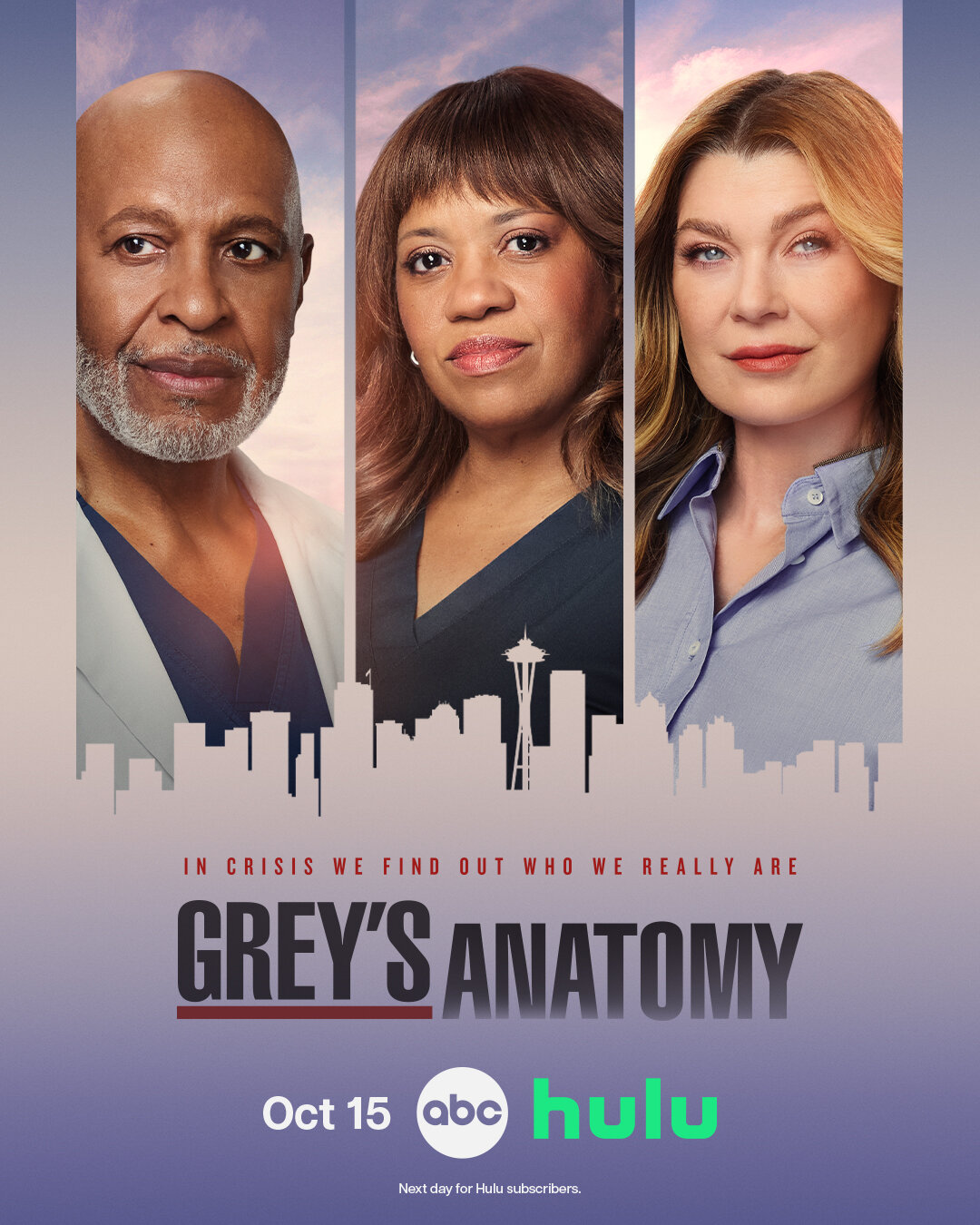
Grey's Anatomy2005
Captures the emotional intensity and procedural stakes of hospital life with genuine warmth. The show's best seasons balance surgery, ethics, and character with real consequence, mirroring Boston Med's focus on what happens in those moments between medicine and humanity.
But It's a soap opera at heart. The personal drama often eclipses the medical, and after several seasons it veers toward spectacle rather than authenticity.
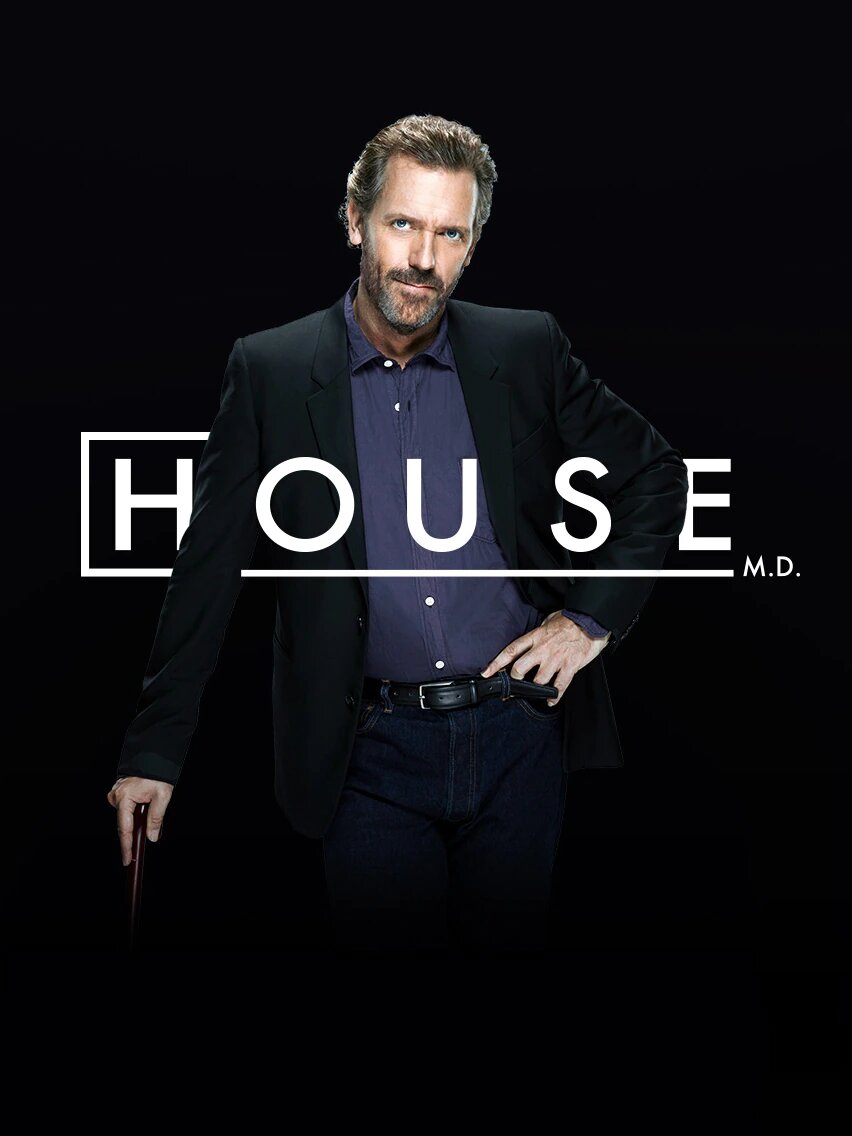
House2004
Every episode is a diagnostic puzzle that forces the show to sit with genuine medical mystery and the conversations that matter. It respects the viewer's intelligence and the complexity of bodies that don't have easy answers.
But The protagonist is deliberately insufferable, and the show's formula can feel repetitive. Some viewers find the misanthropy exhausting rather than compelling.
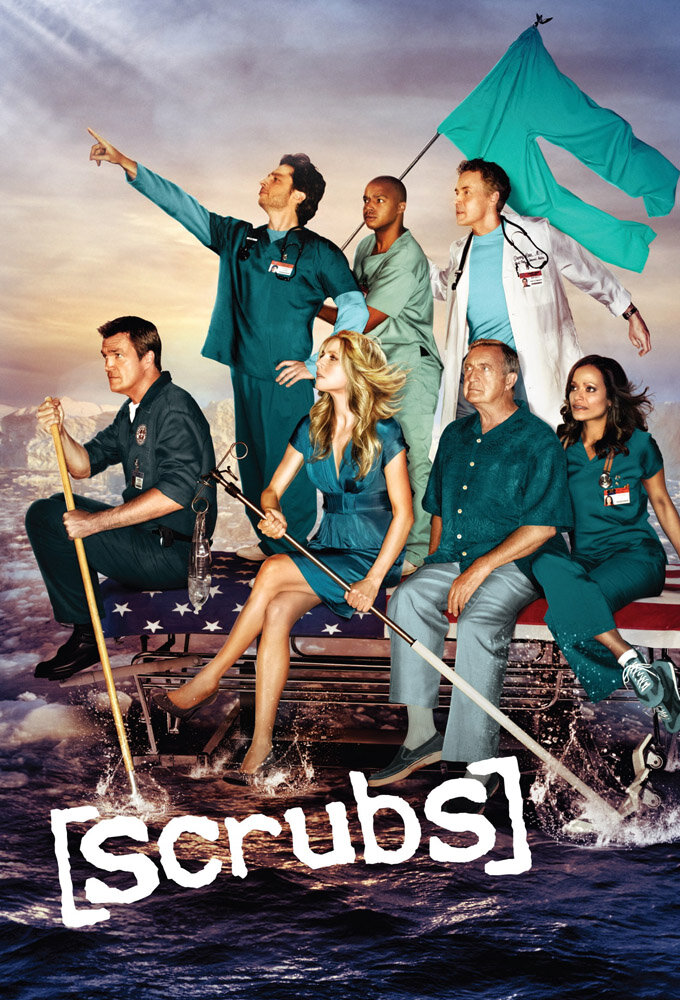
Scrubs2001
Nails the actual culture of hospital work: the gallows humor, the genuine friendship between staff, the way people cope with trauma and mortality. It's funny without ever losing sight of real stakes or the people on the other side of the disease.
But It's primarily a comedy, so the tone shifts away from seriousness. Some of the early seasons feel dated, and the later ones lose their balance between heart and humor.
Not sure tonight? Get a pick in a minute, starting from Boston Med
The wildcard
Something you would not have found on your own.
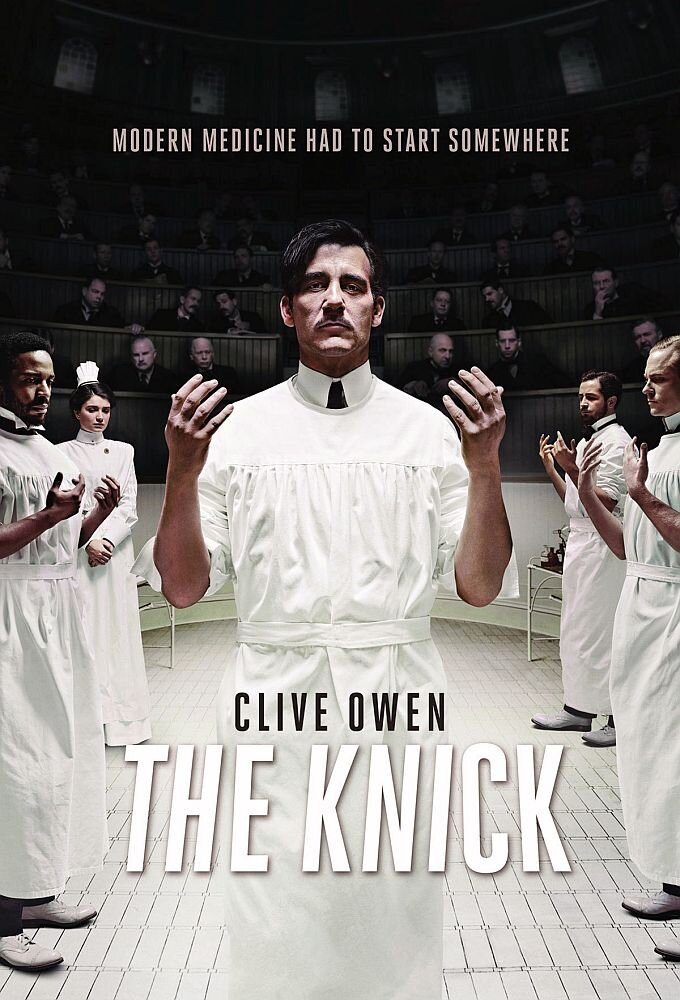
The Knick2014
Both are unsparing looks at institutional medicine and the moral conversations that happen when the cameras aren't supposed to be watching. The Knick just moves them back to when medicine was more dangerous and less sure.
A 1900s hospital in New York where medicine is still guesswork and death is routine. Visually stunning, morally complex, and it makes you feel the actual terror of medical uncertainty. Steven Soderbergh's miniseries treats history as a story about bodies and ambition, not nostalgia.
But It's genuinely dark and disturbing. Some storylines deal with racism, colonialism, and addiction in ways that are unflinching. Also: no dialogue—all music and sound design—which takes adjustment.
More like this (7)
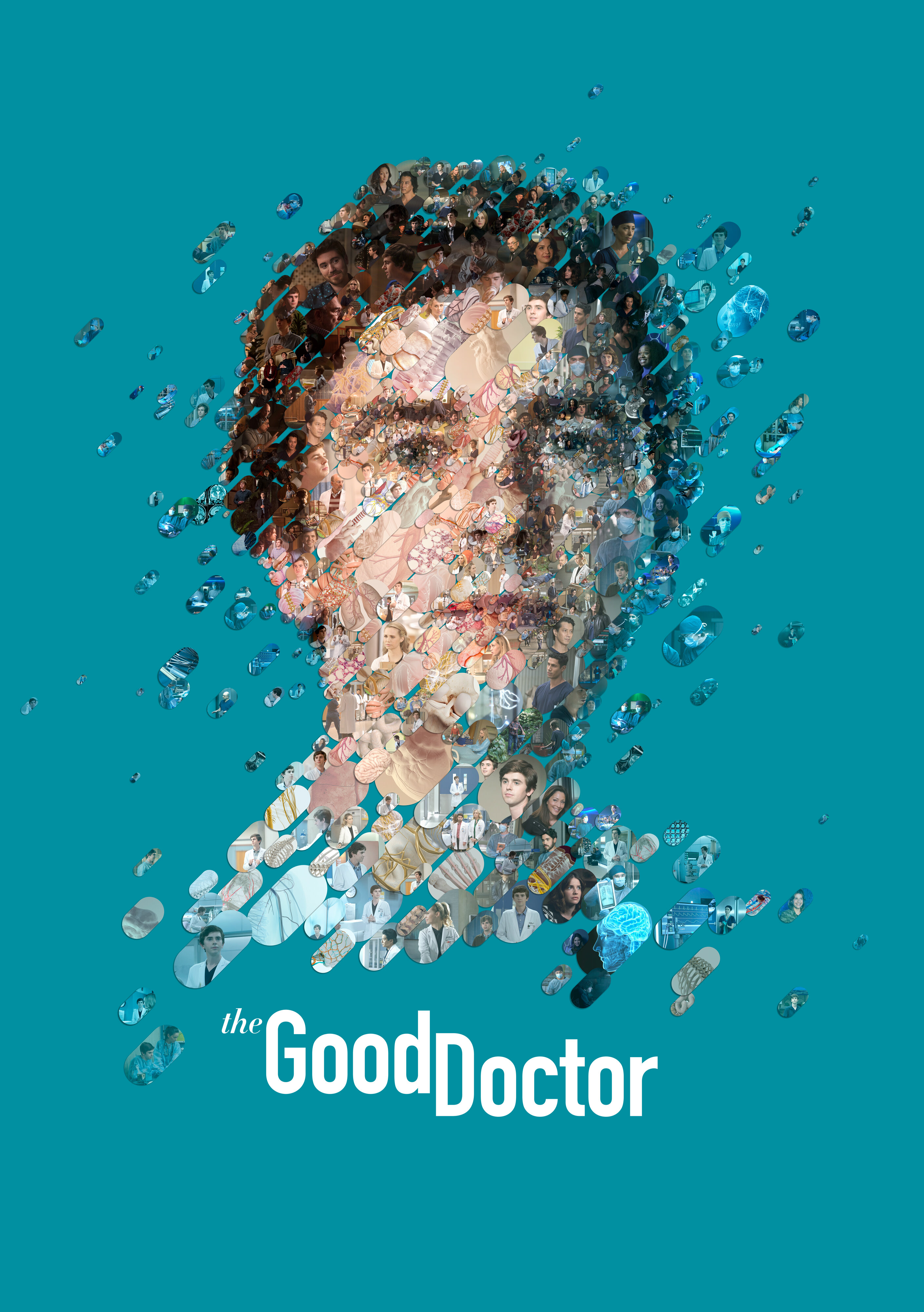
The Good Doctor2017
A young surgeon with autism navigates hospital culture and medical ethics. It takes both medicine and neurodiversity seriously, exploring how different minds approach the same moral problems differently. Strong ensemble work.
But It relies on melodrama and contrived cases to drive narrative. The emotional beats sometimes overwhelm the medical authenticity Boston Med never compromises on.
Code Black2015
Set in an emergency department at a real hospital, it captures the organized chaos and moral triage of emergency medicine with genuine respect for the work. Fast-paced but thoughtful about consequence.
But The emergency format means cases resolve quickly. If you want the slow, unglamorous side of medicine—the management meetings, the waiting—this isn't it.
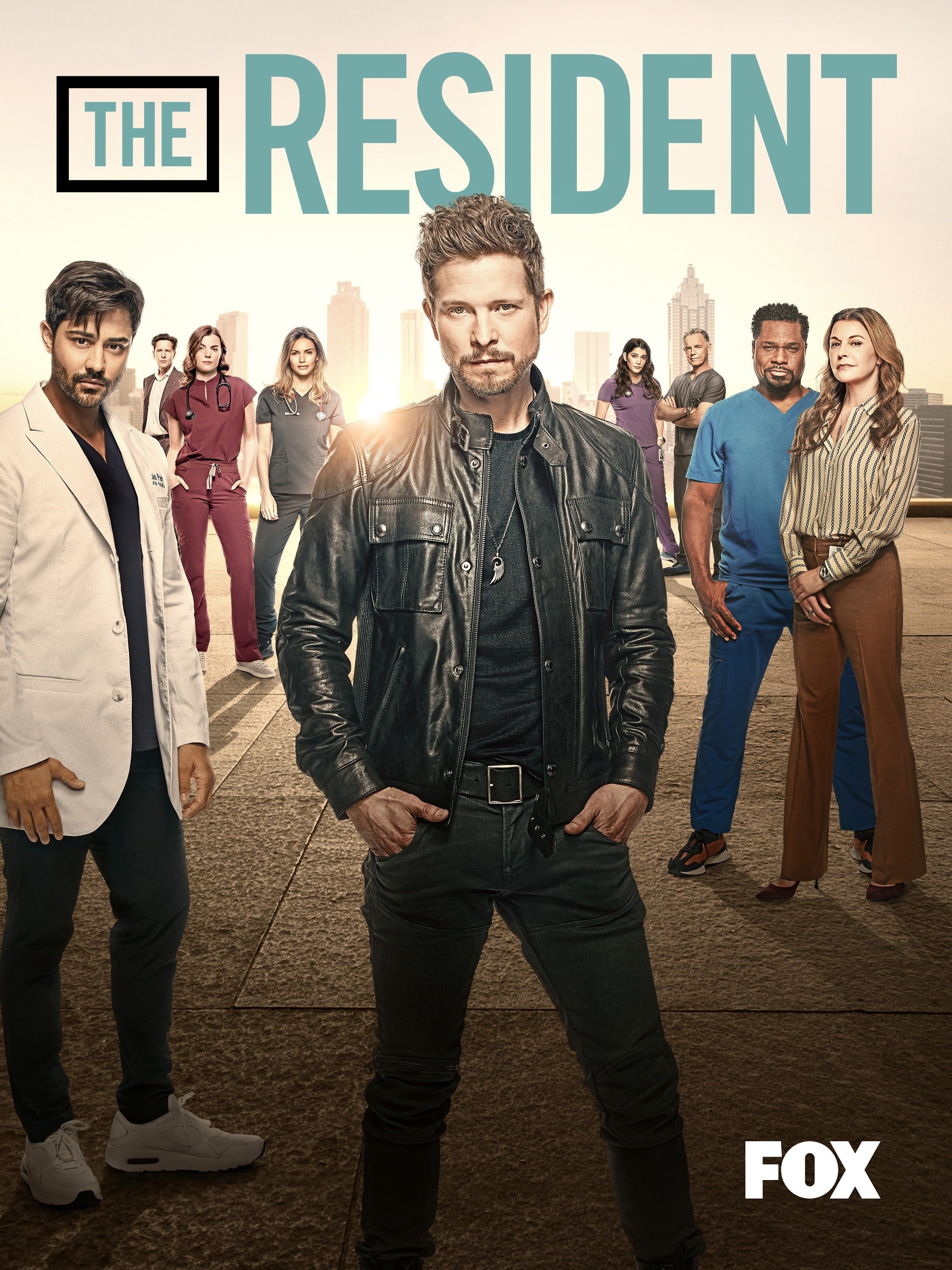
The Resident2018
A cynical look at how hospitals actually function as institutions: the politics, the cost-cutting, the way the system can work against patient care. It doesn't let medicine or business off easy.
But The cynicism can feel performative. The show wants you angry at every turn, which eventually feels more like preaching than storytelling.
St. Elsewhere1982
The ancestor of all hospital shows. It set the template for ensemble medical drama and proved the setting could hold real emotion, humor, and moral weight. It's how they learned to do this.
But It's very much a product of the '80s. The pacing is slow by modern standards and some plots feel quaint now, but it's worth watching for the foundational reasons.

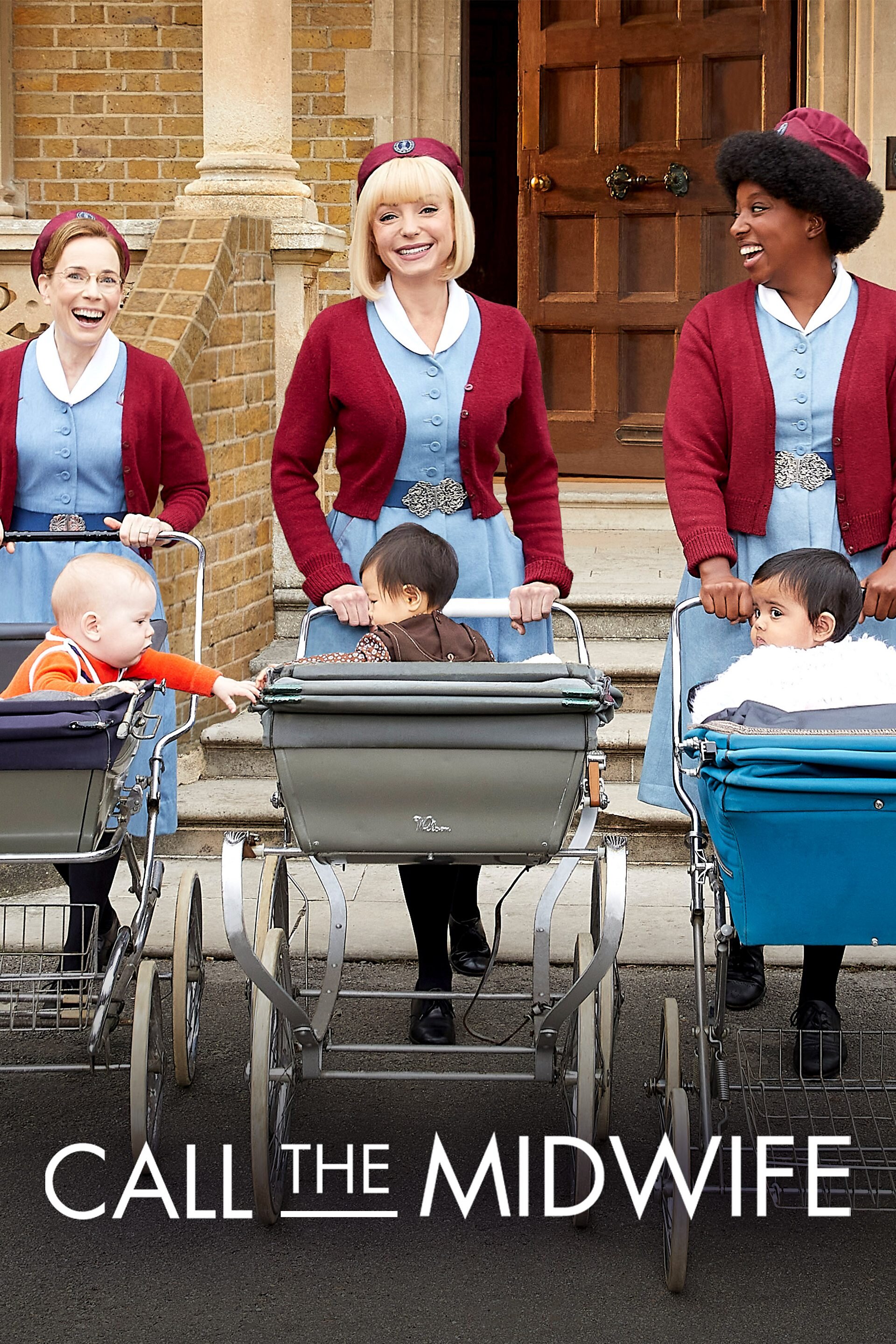
Call the Midwife2012
A different kind of medical practice—midwifery in 1950s East London. It's deeply humanistic, focusing on the people and relationships rather than spectacle. Some of TV's most genuine depictions of grief, care, and what medicine means in ordinary lives.
But Period detail and intimacy aren't for everyone. It's quiet where Boston Med is revealing, and some find the pacing contemplative to the point of slowness.
Love, Death & Robots2019
Both find drama in the intersection of bodies, choice, and systems. Boston Med shows you that hospital medicine is often about managing impossible decisions. Love, Death & Robots explores what happens when humanity meets technology—sometimes medical, always about the human cost.
An animated anthology series. It's formally ambitious in ways live-action rarely attempts: each episode is a different visual language, genre, and story. Some are about technology and humanity, some about consequence, some about bodies and autonomy. Endlessly inventive.
But It's animated, so some dismiss it. More practically: it's uneven. Some episodes are stunning, others miss. And several are graphic in ways that aren't for everyone—violence, sex, body horror used purposefully but not subtly.

The Act of Killing2012
Both are about what happens when cameras gain access to people in positions of power and ask them to tell the truth about their work. Boston Med shows doctors deciding who lives; The Act of Killing shows men who decided who died. Both are about how people justify themselves, and how institutions shape that justification.
A documentary where the filmmaker interviews Indonesian death-squad leaders about the 1960s genocide they committed. They recreate their killings on film. It's a profound meditation on how people live with what they've done and how memory works. Devastating and unforgettable.
But It's about mass killing and genocide. The ethical questions about interviewing perpetrators are real and unresolved. It's not easy to watch and shouldn't be easy—that's the point, but it's a lot.
