
Film
Young Dr. Kildare
A medical school graduate arrives for his hospital internship expecting respect and instead finds himself tormented by the brilliant, cantankerous Dr. Gillespie. This is a foundational mentor drama wrapped in the procedural efficiency of 1930s Hollywood: warm but unsentimental, focused on craft and character over melodrama. Perfect if you like watching experts dismantle pretension.
Should you watch it?
Watch it if you enjoy old studio-era hospital dramas where the pleasure lies in a crisp mentor-and-protege sparring match and the easy rhythm of brisk dialogue over sentiment.
Skip it if you need modern medicine, fast cutting or heavy emotional stakes, since this 1938 picture moves at a leisurely pace and leans on talk more than action.
What it asks of you: It runs a short 82 minutes and asks for patience with old-fashioned staging, a steady unhurried pace, and a willingness to take its gentle, talky tone on its own terms.
Not sure? Find tonight's pick in a minute.
If you liked this
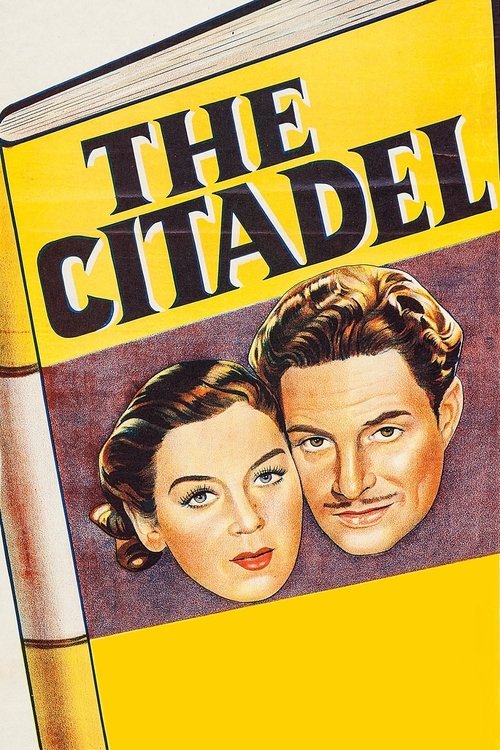
The Citadel1938
A medical drama with real weight about idealism versus compromise in practice. Andrew Hepburn's journey from idealistic doctor to burnt-out pragmatist mirrors Kildare's education, but with darker stakes and moral complexity.
But Preachy at moments and slower than modern medicine dramas. The second half loses momentum as it settles into domestic conflict.
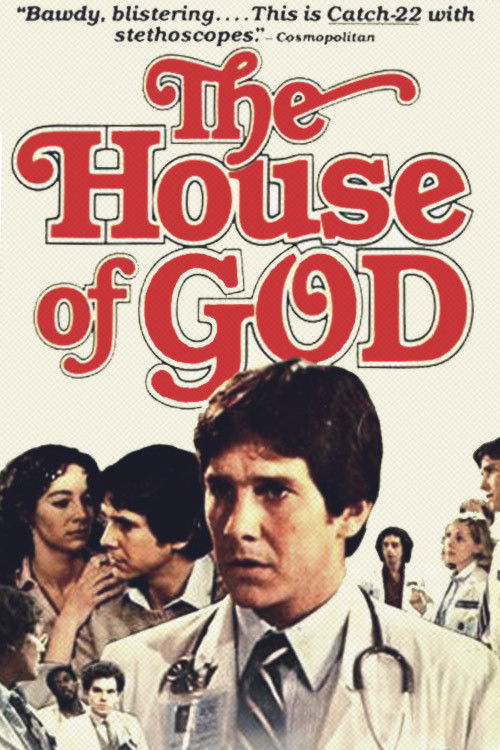
The House of God1984
A brutally honest, darkly comic look at medical training that captures the hazing and disillusionment Kildare experiences but amplifies it tenfold. Roy Scheider's mentor is even more acid-tongued than Gillespie, and the film never flinches.
But Cynical to the point of nihilism. If you want medicine to feel noble, this will push back hard. Also genuinely dated in its gender attitudes.
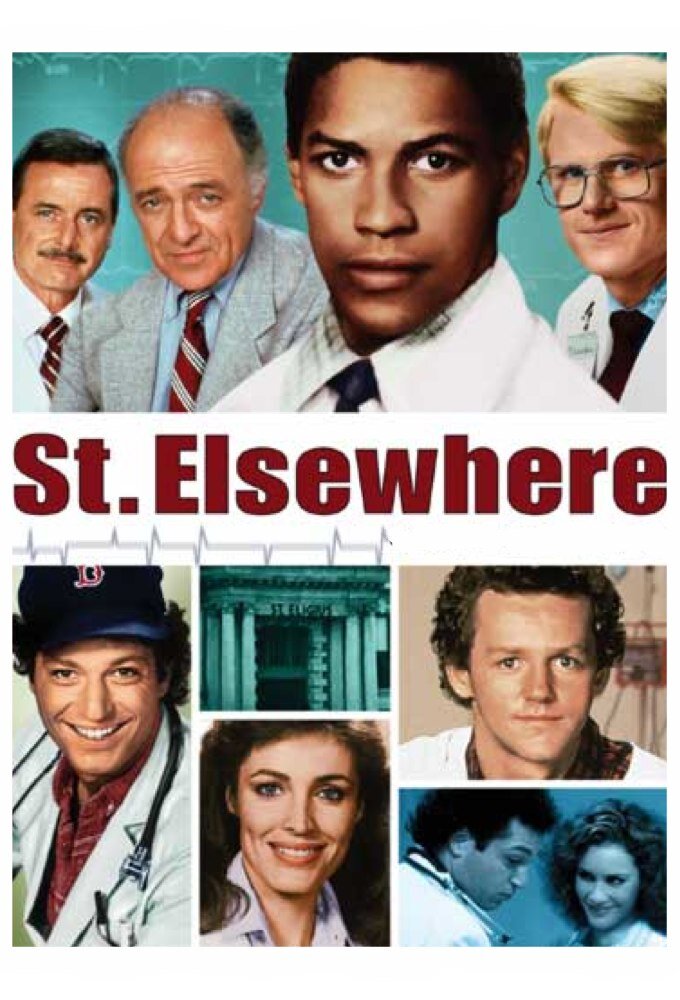
St. Elsewhere1982
This 1980s hospital ensemble learned everything from Kildare and perfected it. Multiple storylines, flawed mentors, residents learning through humiliation and trust—but with real consequences and serialized emotional weight that '38 couldn't reach.
But Six seasons is a commitment. Early episodes feel choppy before the show finds its ensemble rhythm. Some plotlines wander into soap-opera territory.
Not sure tonight? Get a pick in a minute, starting from Young Dr. Kildare
The wildcard
Something you would not have found on your own.
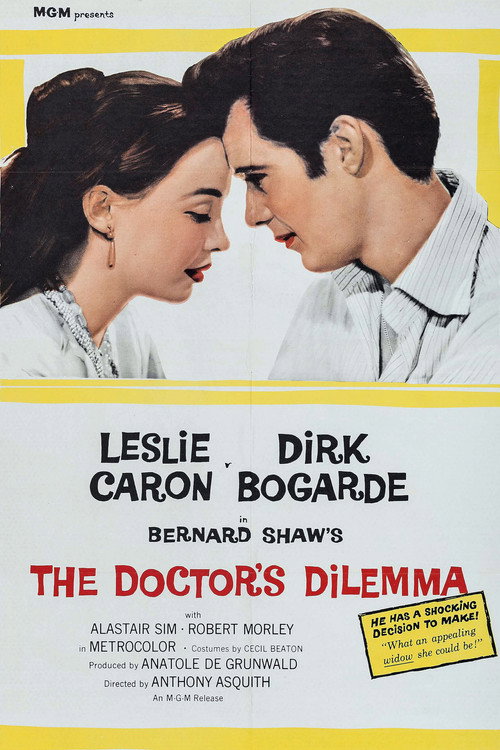
The Doctor's Dilemma1959
Both pit idealistic young doctors against mentors who represent institutional power. Kildare learns the craft; this asks whether the craft is being used rightly.
Shaw's play adapted brilliantly, where young doctors and an aging mentor don't argue about technique but about whether medicine should serve the poor or the famous. It makes Kildare's guild-learning a moral battleground. Absolutely intelligent drama with Dirk Bogarde perfectly cast.
But Theatrically stagey and more interested in philosophical debate than character conflict. If you want plot momentum, this won't deliver it. Shaw's argument can feel stiff if you're not already interested in its ideas.
More like this (8)
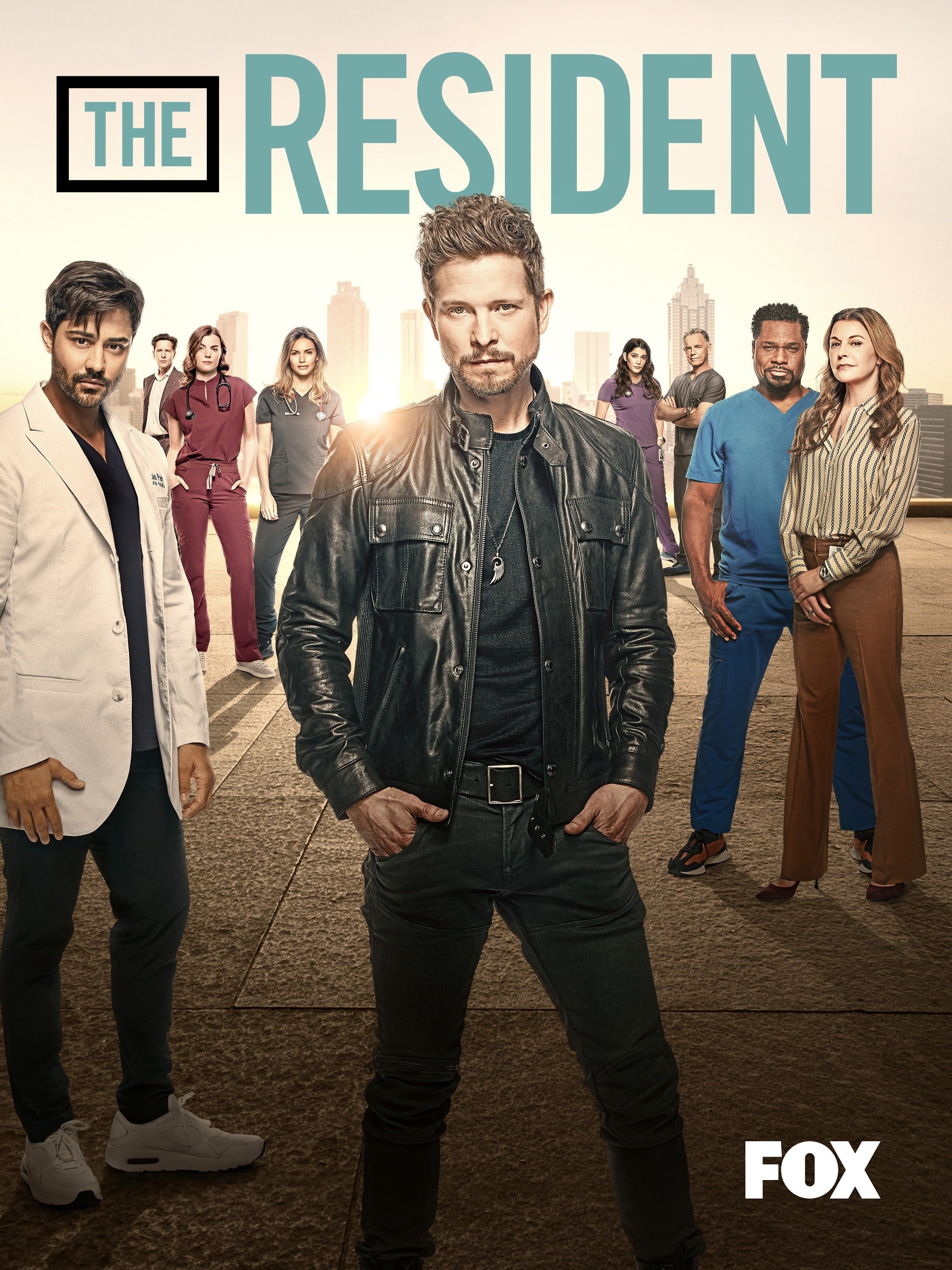
The Resident2018
Restores the mentor-versus-system dynamic with modern toxicity in view. An internist navigates a corrupt hospital hierarchy where the brilliant doctor isn't always right. Sharp, propulsive, and morally clearer about power than Kildare dared be.
But Darker and more conspiracy-minded than Kildare's optimism about institutions. If you want reassurance that good doctors win, this isn't it.
M*A*S*H1970
Surgical hierarchy, mentor figures testing younger doctors under pressure, learning through chaos instead of lecture halls. The comedy is sharper but the underlying structure—how you learn a craft when stakes are real—is pure Kildare DNA.
But Anti-authority and absurdist in a way that might feel flippant about medicine. Longer and shaggy than Kildare's tight efficiency.

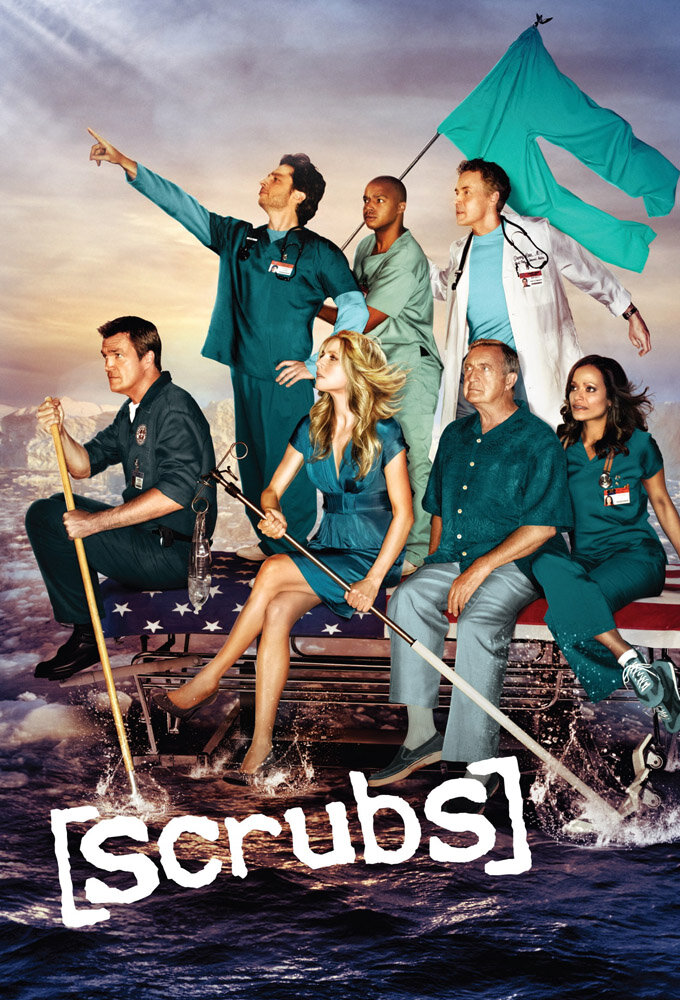
Scrubs2001
Affectionate about the Kildare model but aware of its blind spots. Young doctors learn from gruff mentors, make mistakes, grow up. It balances the warmth of the hospital as family with genuine stakes and character growth across seasons.
But Tonal whiplash between comedy and genuine emotion can feel unearned, especially early on. Some viewers find it too sitcom-y for the dramatic moments.
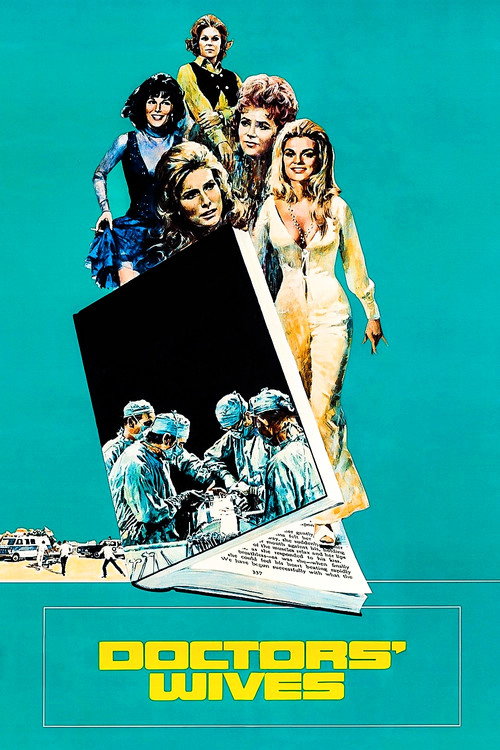
Doctors' Wives1971
A rare period drama that treats medical training as a lifestyle that damages everyone around it. If you want to see the Kildare setup from the perspective of someone exhausted by it, this is brutally honest and often darkly funny.
But More melodrama than medicine, and the gender politics are actively frustrating. It's about doctors' wives as much as doctors, which sounds fresher than it plays.
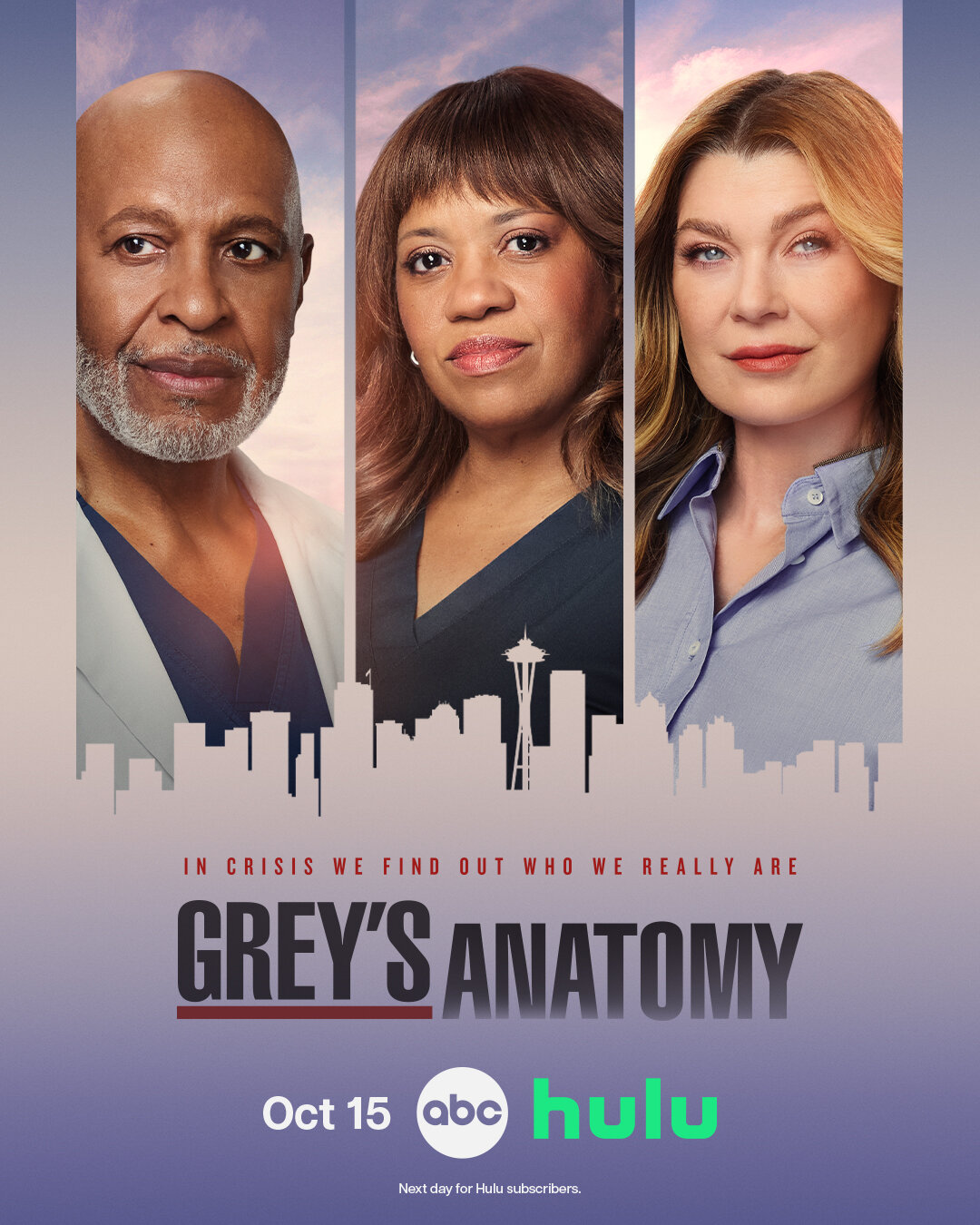
Grey's Anatomy2005
The most direct spiritual descendant: resident doctors learning from attendings who are often brilliant, damaged, or both. Serialized storytelling gives the mentor relationships real depth and consequence over time.
But Seasons 1–3 are excellent; after that it drifts into melodrama. The soap-opera engine eventually overwhelms the procedural one. Also, very long commitment.
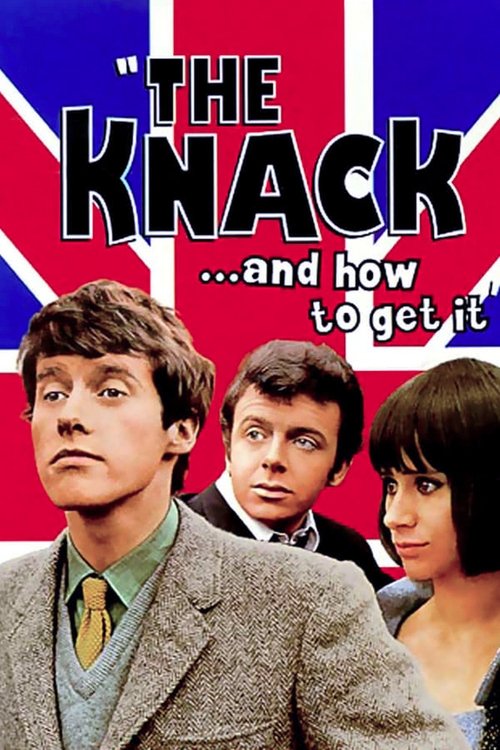
The Knack... and How to Get It1965
A young man learns mastery of seduction from a mentor figure in 1960s Manhattan. It's structurally identical to Kildare—talented youth meets expert who takes him apart to rebuild him—but in a completely different register and with genuine cinematic flair.
But The seduction plot and sexual politics are dated and often uncomfortable. Also genuinely difficult to follow; the editing is experimental and can feel gimmicky.
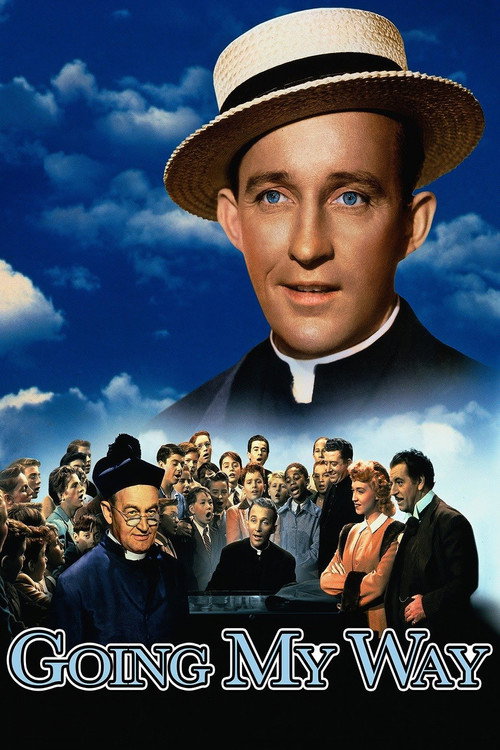
Going My Way1944
The exact same mentor-mentee dynamic: young man arrives expecting to teach the old guy something, learns instead that the old guy was testing him all along. Same structure, completely different emotional register.
Bing Crosby as a young priest arrives at a parish run by crusty Barry Fitzgerald and must prove himself through charm, humility, and slow earned respect. Swap the stethoscope for a collar and the plot is identical—but it's tender without being soft, and Fitzgerald is magnificent.
But Deeply sentimental and Catholic in way that won't resonate if you're not tuned to it. Also shameless tear-jerking; Crosby's warmth can feel cloying to modern ears.
Ikiru1952
Both are about mastering a system and its hierarchy, but Ikiru asks the question Kildare's optimism avoids: to what end? It's what Kildare becomes if he stops believing the system itself matters.
A Japanese bureaucrat dying of cancer looks back at a career spent mastering procedure without purpose, exactly like an inverted Kildare: the craft perfected but never in service of anything real. Kurosawa's masterpiece about learning what matters when time runs out.
But Three hours, Japanese language, and the emotional weight is devastating rather than uplifting. Not a film that leaves you feeling good. Requires patience with silence and stillness.

People
Cast
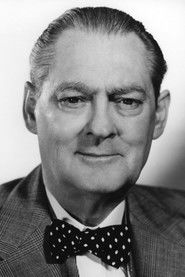 Lionel BarrymoreDr. Leonard Gillespie
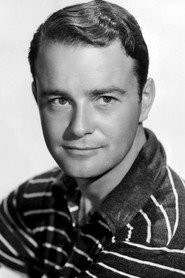 Lew AyresDr. James Kildare
 Lynne CarverAlice Raymond
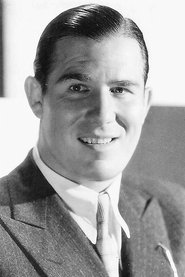 Nat PendletonJoe Wayman
 Jo Ann SayersBarbara Chanler
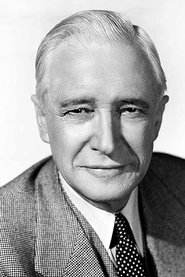 Samuel S. HindsDr. Stephen Kildare
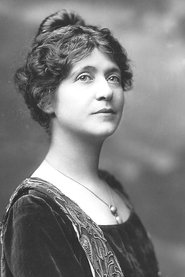 Emma DunnMrs. Martha Kildare
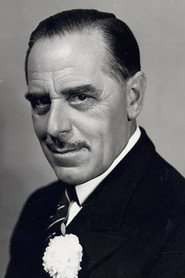 Walter KingsfordDr. P. Walter Carew
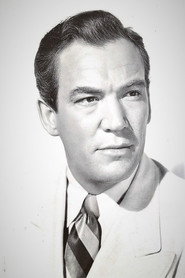 Truman BradleyJack Hamilton
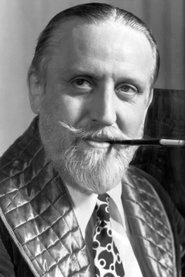 Monty WoolleyDr. Lane-Porteus
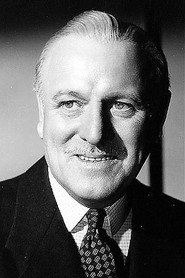 Pierre WatkinMr. Robert Chanler
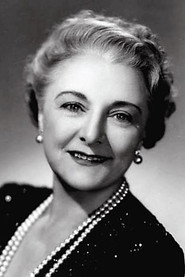 Nella WalkerMrs. Chanler
Directing
- Harold S. BucquetDirector
Writing
- Max BrandStory
- Harry RuskinWriter
- Willis GoldbeckWriter