
Film
The Doctor's Dilemma
George Bernard Shaw's moral comedy about four doctors forced to choose which patient deserves their experimental TB cure. Bogarde plays a charming charlatan artist; the film balances sharp dialogue about ethics, art, and medicine with genuine affection for its flawed characters. For anyone drawn to mid-century British wit and questions without easy answers.
Should you watch it?
Watch it if you enjoy sharp, talky satire where wit about vanity and professional ego does the heavy lifting, and you relish Shaw's habit of making every character argue their way toward a moral mess.
Skip it if you want brisk plotting or warm sentiment; this one is mostly verbal sparring in drawing rooms, and its jokes about medicine and morality can feel dry and self-satisfied.
What it asks of you: It runs about an hour and a half of dense dialogue, so it rewards close listening and patience, with a light, arch tone that stays mostly in conversation rather than action.
Not sure? Find tonight's pick in a minute.
If you liked this
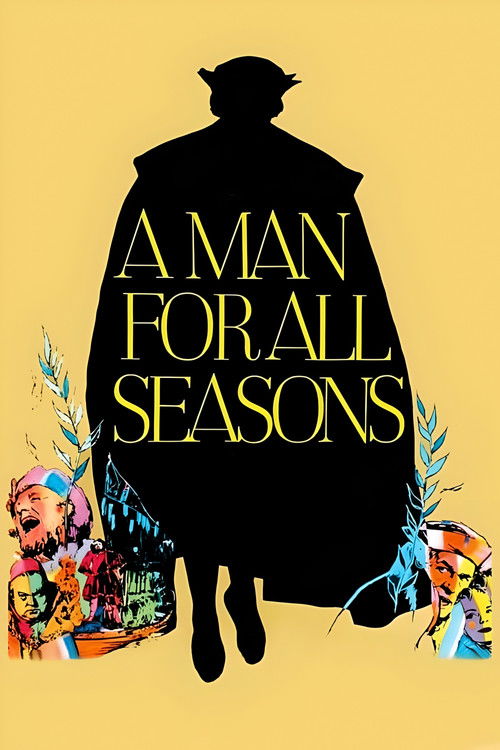
A Man for All Seasons1966
Morally sophisticated period drama where principle and pragmatism collide. Like The Doctor's Dilemma, it builds tragedy from impossible choices between competing goods, with dialogue that makes thinking feel like drama.
But Can feel stagy and slow if you need plot momentum. The intellectual arguments matter more than what happens next.
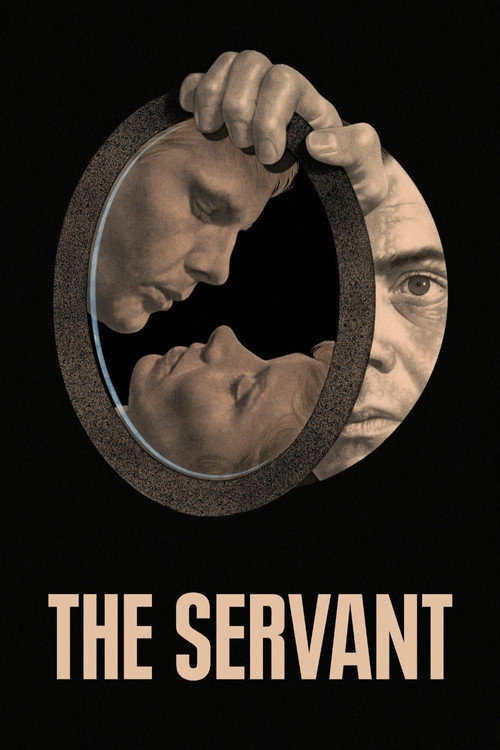
The Servant1963
Dirk Bogarde again, but as the other end of moral ambiguity—a servant who seduces and destroys his employer. Same era, same actor, but far darker and more corrupting than the charming rogue of The Doctor's Dilemma.
But Genuinely unsettling and claustrophobic. Less witty than Shaw, and the manipulation can feel uncomfortably real.
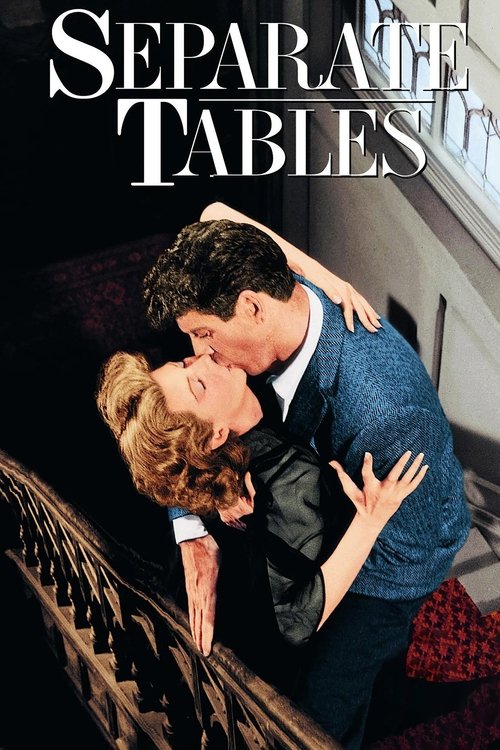
Separate Tables1958
Ensemble drama about flawed people living under one roof, forced by circumstance to reveal their secrets. Shares the affectionate irony toward human weakness and the belief that good people contain multitudes.
But British restraint means emotions simmer rather than explode. If you prefer things stated plainly, the subtext will exhaust you.
Not sure tonight? Get a pick in a minute, starting from The Doctor's Dilemma
The wildcard
Something you would not have found on your own.
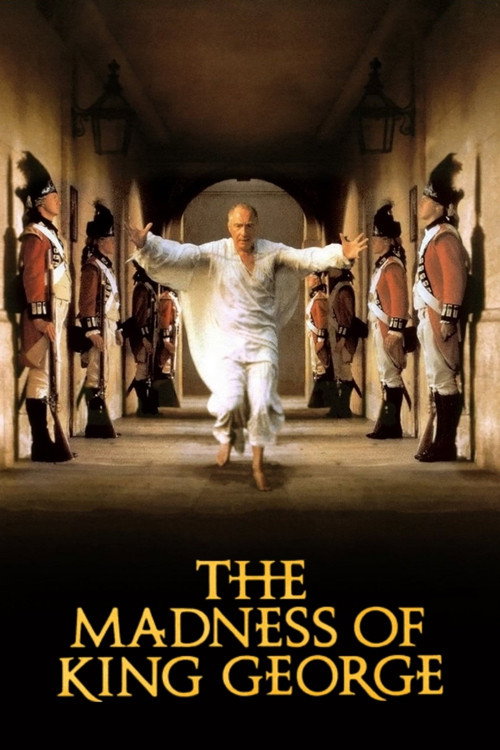
The Madness of King George1994
Both are stage plays about doctors facing impossible moral choices, made by British comedians who believe wit and seriousness can occupy the same space. Bennett studied under Shaw.
Alan Bennett's play about doctors, power, and the impossibility of cure. Reverses the script: now the patient is a king, the doctors compete for influence, and the dilemma is whether to treat the illness or the man. Same Shaw-like wit, same stakes, completely fresh angle.
But Requires you to care about 18th-century court politics and medical history. The satire only lands if the context sticks.
More like this (8)
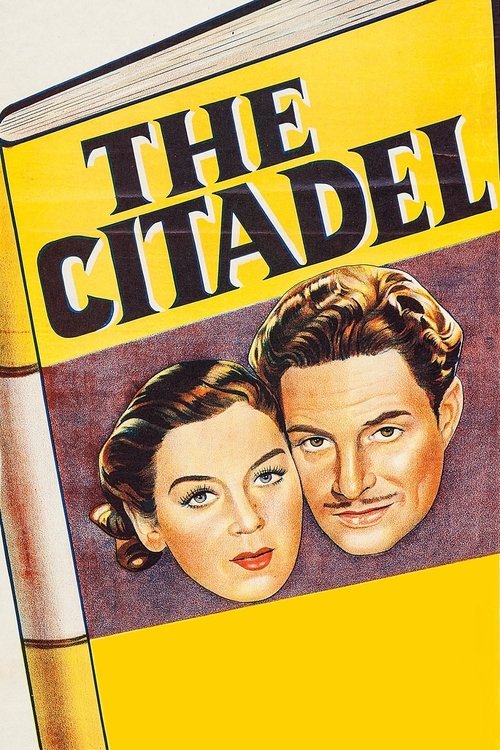
The Citadel1938
A young doctor navigates idealism versus ambition in medicine. Pre-dates The Doctor's Dilemma but shares Shaw's fascination with whether brilliant people deserve different rules.
But The 1938 production values and pacing feel antique. Modern audiences may find it fussy and slow.
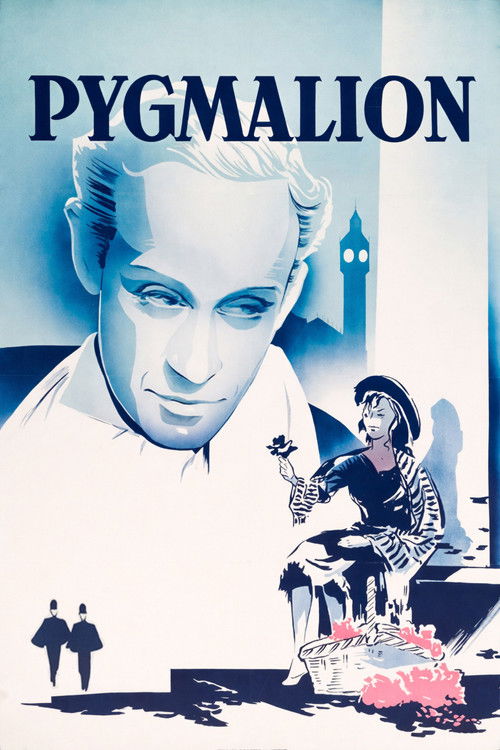
Pygmalion1938
Shaw adapted to screen by its original director. If you love The Doctor's Dilemma's verbal sparring and moral complexity buried in comedy, this is essential.
But The romance plot feels dated. Modern ears may hear the class condescension Shaw was partly satirizing as just his actual opinion.
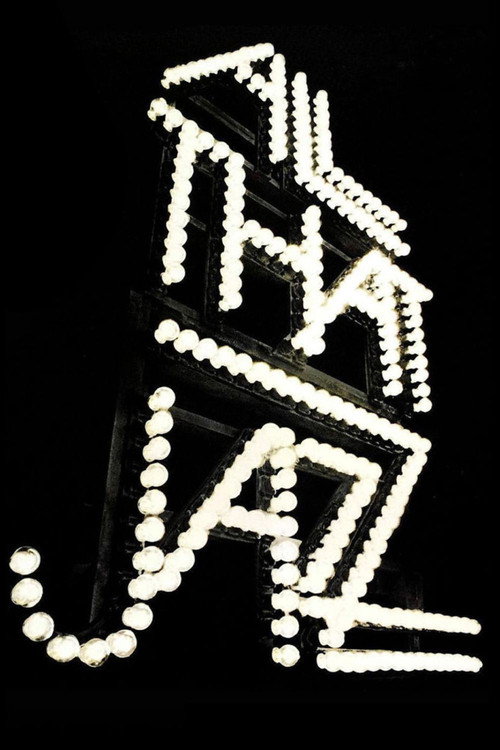
All That Jazz1979
Bob Fosse's fever-dream about a brilliant, destructive artist and the people who orbit him. Shares the core question: do genius and amorality deserve protection?
But Visually relentless and deliberately unpleasant. Fosse doesn't invite you to enjoy his protagonist the way Shaw does.
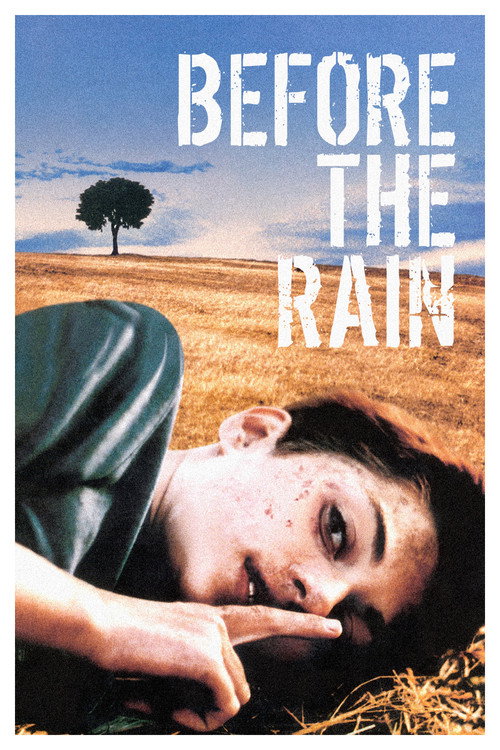
Before the Rain1994
Three interconnected stories about duty, desire, and consequence. Like Shaw, it suggests that doing the right thing is harder and lonelier than anyone admits, and often fails anyway.
But The structure is fragmented and the Balkan setting grim. There's no comic relief, only the comfort of recognition.
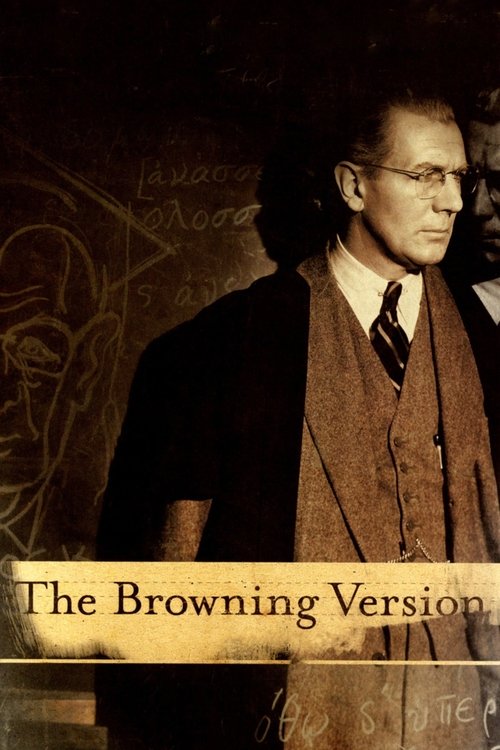
The Browning Version1951
A repressed schoolmaster confronts his failures and his wife's infidelity. British restraint and emotional precision; about how people are trapped by choices and circumstance, like Dubedat but from the inside.
But Nothing much happens. If you need external action, this will feel like watching someone think for 90 minutes.
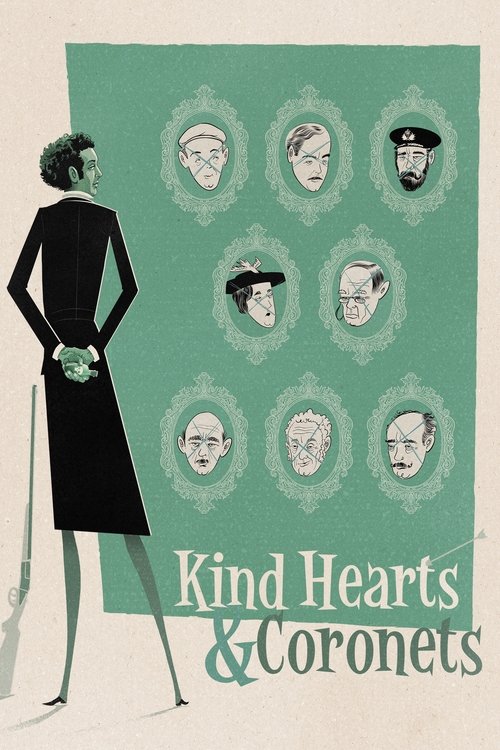
Kind Hearts and Coronets1949
Alec Guinness plays eight roles in a comedy about murder and inheritance. Like The Doctor's Dilemma, it finds the humor in amorality and asks whether charm excuses anything.
But The tone is darker and more grotesque. It loves its villain more openly, which some find off-putting in a comedy.
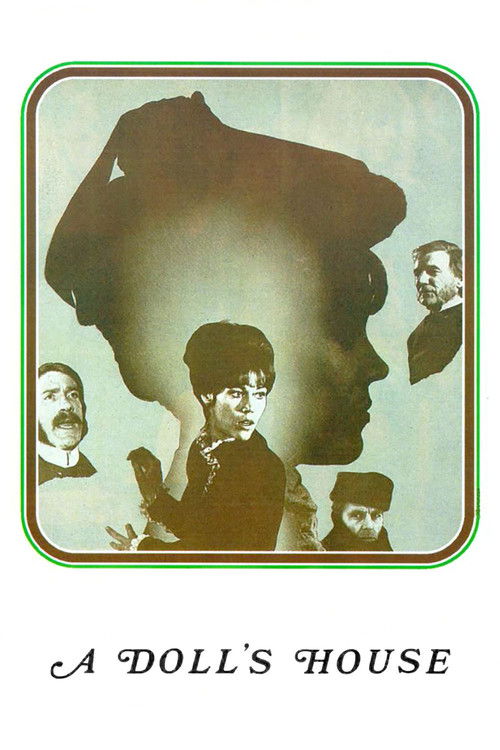
A Doll's House1973
Both are late-Victorian/early-modern problem plays obsessed with whether love and loyalty survive when we see each other clearly. They ask the same question from opposite directions.
Ibsen's play (numerous film versions exist; try the 1973 Anthony Page or the 1992 Campion). The other pillar of the problem play—like Shaw, Ibsen asks whether duty to others outweighs duty to yourself, and refuses easy answers. Nora is Dubedat's mirror: beautiful, selfish, and mysteriously right to leave.
But The first act drags with domestic chatter. The philosophy only matters if you sit with the boredom until it breaks open.
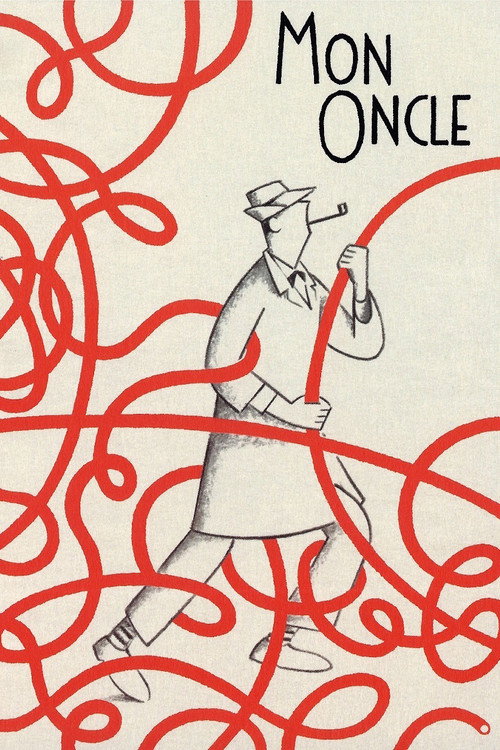
Mon Oncle1958
Same moral texture as Shaw—affection for human weakness—but realized through pure cinema instead of rhetoric. Asks whether we owe the world our usefulness, or whether beauty and pleasure have their own value.
Jacques Tati's silent-ish comedy about an old man whose charm and laziness irritate his modern sister-in-law. Tati plays Dubedat's spiritual cousin—useless, lovable, unwilling to change. But it's a comedy of pure visual comedy, not words. The dilemma is wordless: how do you choose between progress and joy?
But Almost no dialogue; American audiences often find it slow and precious. The humor is so subtle it can feel like nothing is happening.
People
Cast
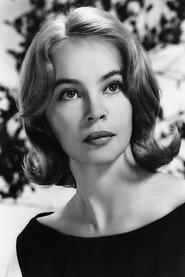 Leslie CaronMrs. Dubedat
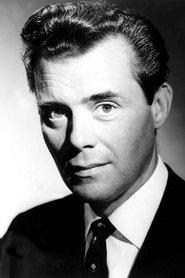 Dirk BogardeLouis Dubedat
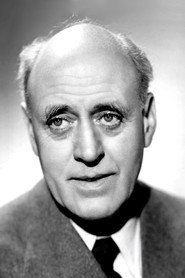 Alastair SimCutler Walpole
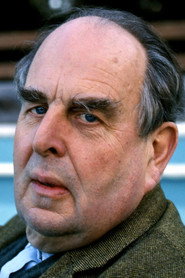 Robert MorleySir Ralph Bloomfield-Bonington
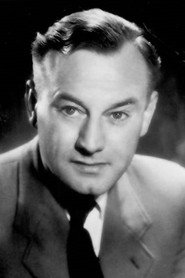 John RobinsonSir Colenso Ridgeon
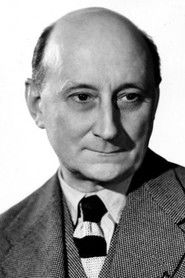 Felix AylmerSir Patrick Cullen
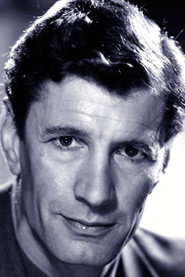 Michael GwynnDr. Blenkinsop
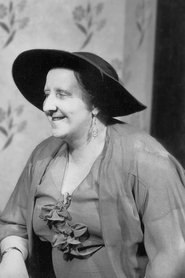 Maureen DelaneyEmmy
 Alec McCowenRedpenny
 Colin GordonNewspaper Man
- Gwenda EwenMinnie
 Terence AlexanderMr. Lanchester
Directing
- Anthony AsquithDirector
Writing
- Anatole de GrunwaldScreenplay
- George Bernard ShawScreenplay
Production
- Anatole de GrunwaldProducer