
Film
Mystery of the Wax Museum
A sculptor's wax museum reopens with grotesque fanfare, and soon corpses vanish from the morgue. Fay Wray investigates, discovering something far worse than theft. This 1933 early Technicolor oddity is genuinely unsettling—pulpy but creepy, with genuine atmosphere and an unforgettable villain. For anyone who loves Pre-Code horror that still hits.
Should you watch it?
Watch it if you love early sound-era horror with a stagey, theatrical glow, where a pulpy whodunit and a reporter's nosing around carry the mood more than gore does.
Skip it if you need brisk modern pacing or realistic scares, since the dialogue is talky and the rhythms of 1930s studio filmmaking can feel creaky at 78 minutes of unhurried setup.
What it asks of you: Settle in for a compact, old-fashioned film that moves in conversational scenes and lingers on atmosphere, asking patience for its theatrical acting and a willingness to meet the eerie in a playful, not punishing, register.
Not sure? Find tonight's pick in a minute.
If you liked this
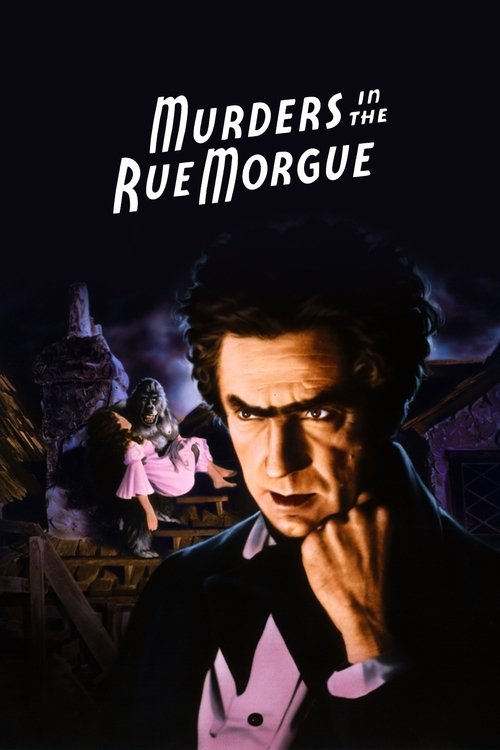
Murders in the Rue Morgue1932
Bela Lugosi in a locked-room mystery with genuine dread and a creature reveal that remains shockingly effective. Universal's horror playbook perfected: mood over gore, suggestion over spectacle.
But The pacing feels slack by modern standards, and the romantic subplot takes time away from the actual mystery. Some scenes drag badly.
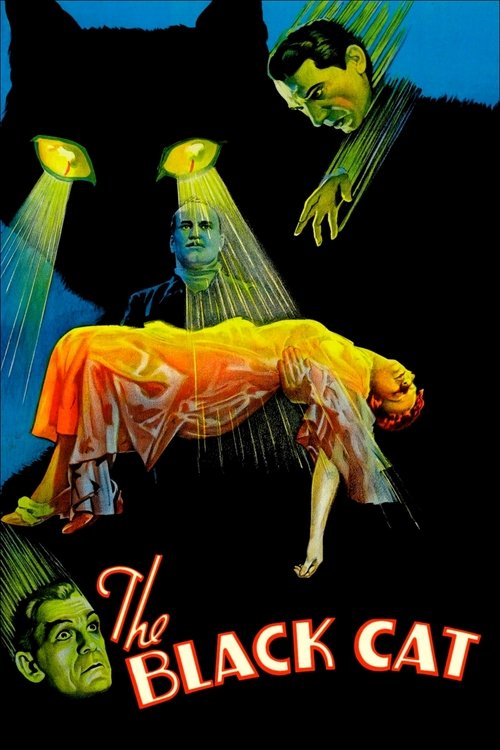
The Black Cat1934
Lugosi and Karloff face off in an ultra-dark, stylish nightmare set in a modernist mansion. The atmosphere is suffocating. Genuinely transgressive for 1934, with real psychological menace.
But The plot doesn't quite cohere—it's atmosphere and performance over narrative logic. Some viewers find it bewildering rather than hypnotic.
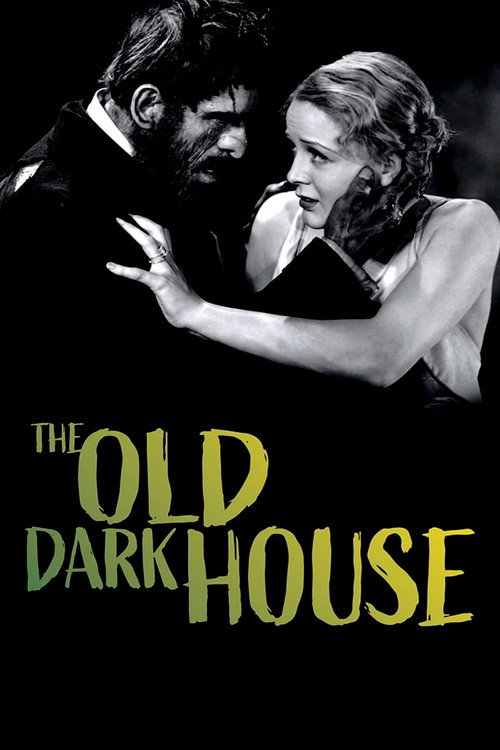
The Old Dark House1932
James Whale directs a group trapped in a Gothic mansion with genuinely strange, unsettling characters. Darkly funny and visually inventive, with an underlying wrongness that never quite lifts.
But It's more interested in character quirk than plot momentum. If you need a strong narrative drive, you'll find yourself frustrated.
Not sure tonight? Get a pick in a minute, starting from Mystery of the Wax Museum
The wildcard
Something you would not have found on your own.
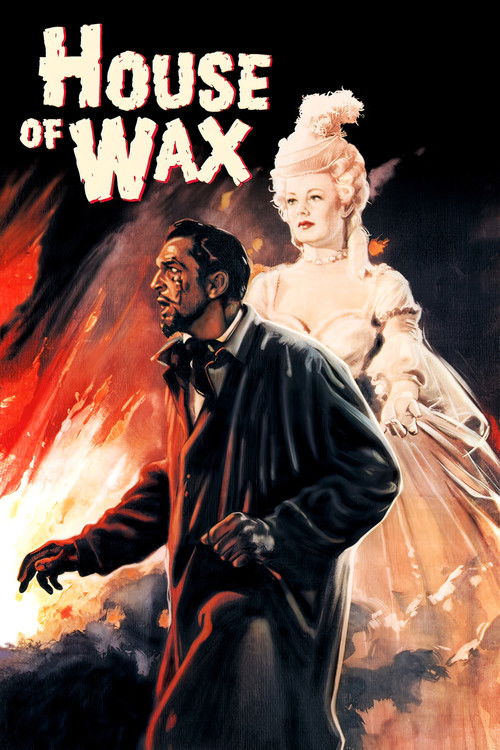
House of Wax1953
Direct remake, but transformed by Price's presence and three-dimensional technology into a different beast entirely—same idea, completely reinvented register.
Vincent Price remakes this story in early 3D color, and it's superior in almost every way. More polished, more sadistic, more fun. Price's theatrical voice work is perfection in a film designed to make you jump.
But Needs to be seen in a proper 3D presentation to work fully; flat versions feel like something's missing. The 1950s sensibility is very different from the Pre-Code rawness of the original.
More like this (8)
The Phantom Carriage1921
A Swedish masterpiece about a ghost returning to haunt a man on New Year's Eve. Visually stunning, emotionally complex, and genuinely spectral. Influenced everything that came after.
But Silent film pacing feels glacial if you're not attuned to it. The melodramatic plot can feel dated, and the print quality varies by version.

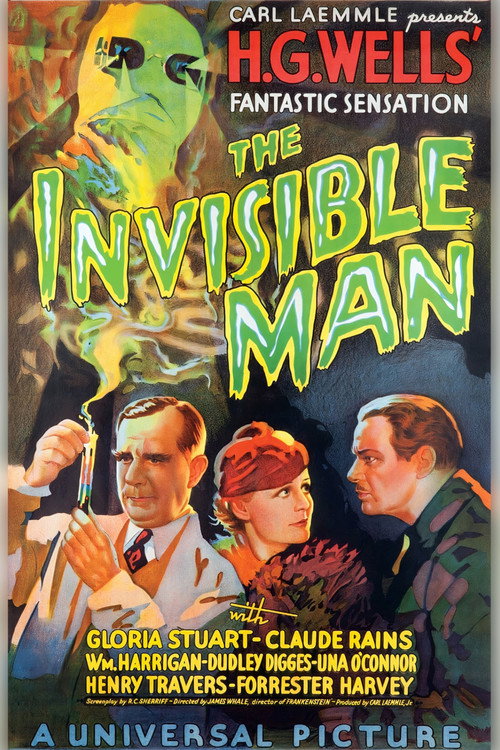
The Invisible Man1933
James Whale again—this time with Claude Rains' perfect voice work anchoring a man driven mad by invisible power. Technically brilliant special effects that still impress, and genuinely funny horror.
But The comedy sometimes undercuts the horror. If you want dread maintained throughout, you might feel whiplashed by the tonal shifts.
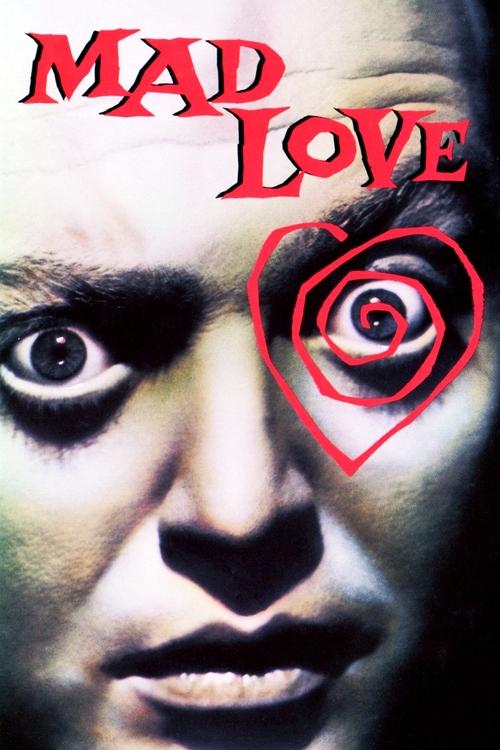
Mad Love1935
Peter Lorre in an obsessive, twisted love story involving severed hands and surgical horror. Visually grotesque and psychologically unhinged in ways that feel modern. Deeply uncomfortable.
But The treatment of women is actively hostile, and the plot pivots on ideas about female agency that will make you cringe. It's unsettling in ways the filmmakers may not have intended.
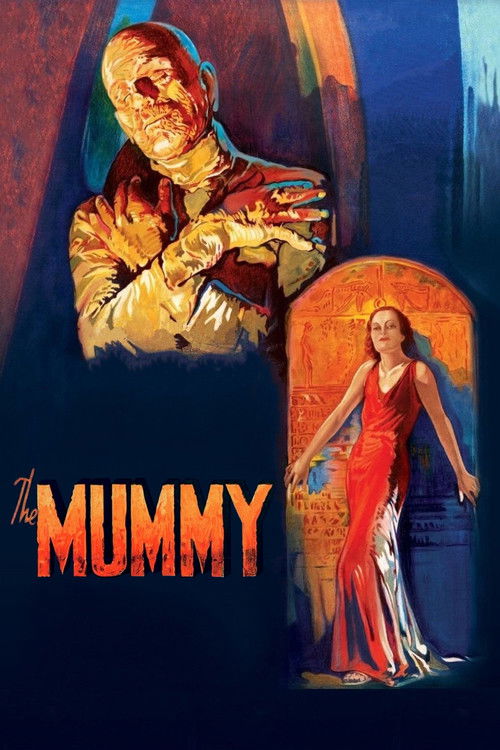
The Mummy1932
Boris Karloff brings melancholy dignity to an undead Egyptian curse. More romance and supernatural drama than action-horror, but the atmosphere of ancient dread is perfectly maintained.
But Very slow, with long passages of dialogue about archaeology and reincarnation. If you want monster thrills, the monster mostly stands around looking dignified.
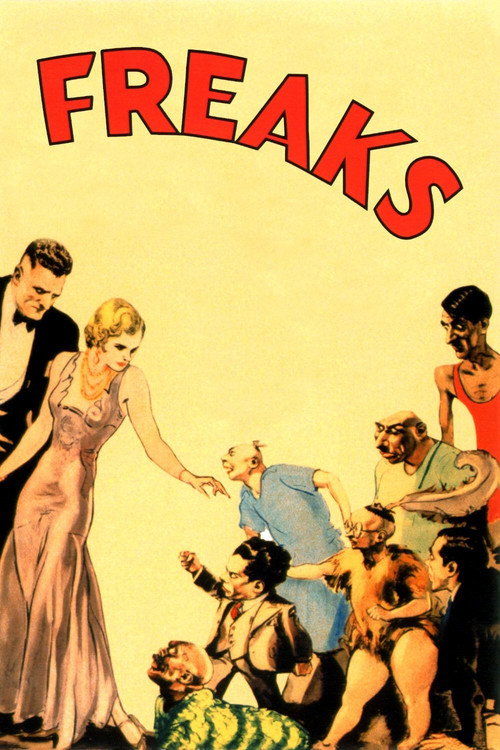
Freaks1932
Tod Browning's carnival sideshow becomes the site of genuine moral horror. Boundary-breaking for its time, featuring performers from an actual circus. Deeply strange and oddly moving.
But The plot is melodramatic and thin. Some viewers find the film more exploitative than transgressive, and the ending feels rushed and tacked-on.
The Cabinet of Dr. Caligari1920
German Expressionism's foundational text: distorted sets, shadows that feel like characters, and a twist that rewrites everything. Visually hypnotic and still genuinely disturbing in concept.
But Silent, theatrical, heavily stylized—if you want naturalism or forward momentum, this will feel like watching a fever dream in German. Some find it pretentious.

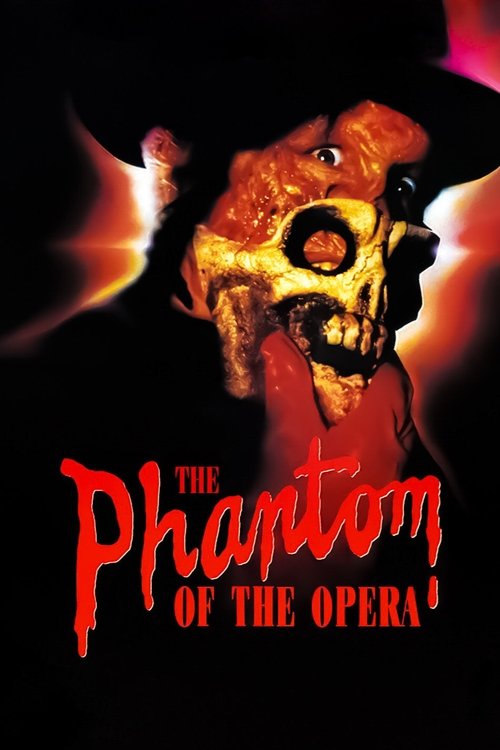
The Phantom of the Opera1989
Both are obsessed with an artist whose creation becomes monstrous; both blur the line between art, beauty, and corruption. Both are visually baroque and interested in the interior life of the beautiful obsessive.
Tony Richardson's operatic, genuinely adult retelling with Bill Nighy as a tragic, sexual, genuinely threatening Phantom. Operatic in scope, filmed like a fever dream, and far more erotic and darker than any other version.
But The makeup and practical effects look dated now, and the romance is genuinely unsettling in ways the film may not control. Very long, very slow, very committed to its own seriousness.
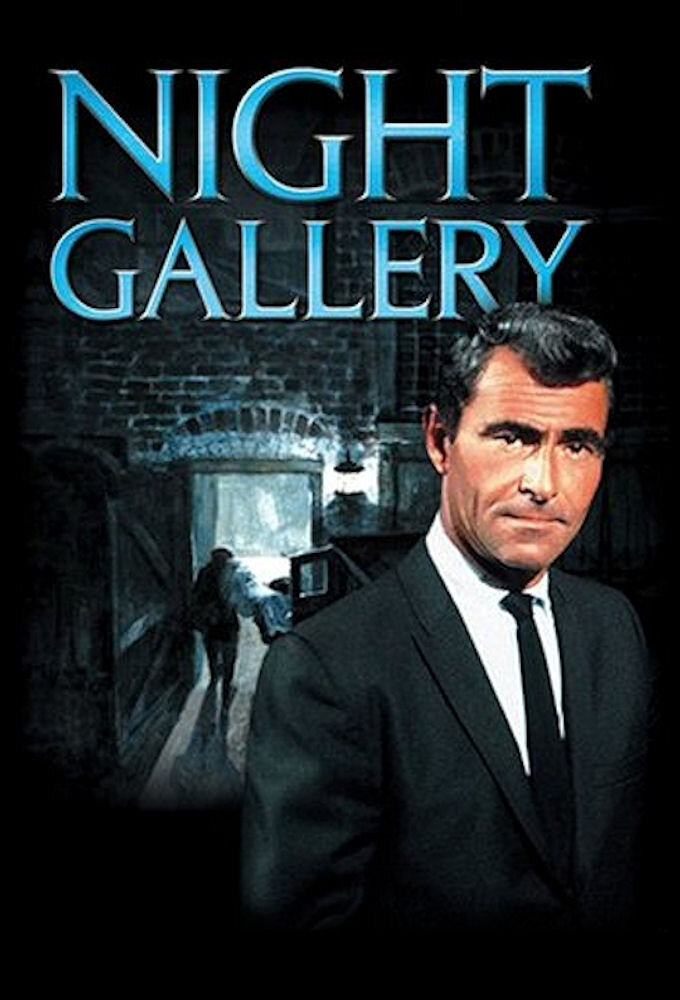
Night Gallery1969
Both use visual tableau and grotesque artifice to explore human corruption. Both are interested in how we're complicit in horror, how we enable monsters by looking away.
Rod Serling's TV anthology series where each episode frames a sinister painting. Atmospheric, genuinely creepy, and vastly more ambitious than the concept sounds. Think horror without jump-scares, pure dread.
But Anthology means uneven quality—great episodes sit next to mediocre ones. Some rely on twist endings that don't land, and the production values are obviously television, not film.
People
Cast
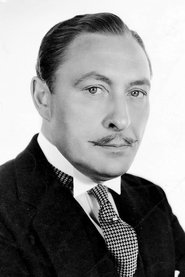 Lionel AtwillIvan Igor
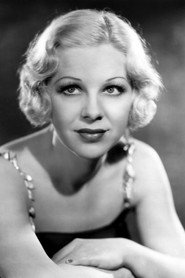 Glenda FarrellFlorence Dempsey
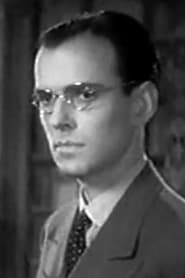 Allen VincentRalph Burton
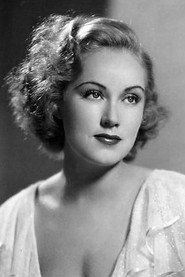 Fay WrayCharlotte Duncan
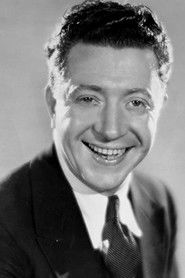 Frank McHughJim
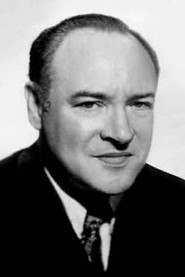 Edwin MaxwellWorth
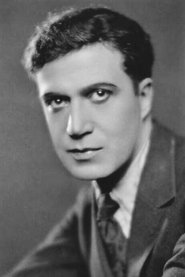 Arthur Edmund CareweProfessor Darcy
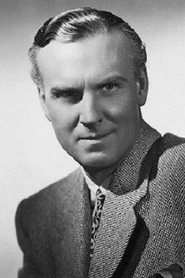 Gavin GordonGeorge Winton
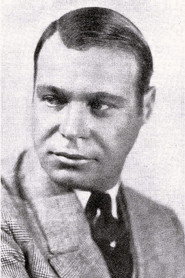 Matthew BetzHugo
- Bull AndersonOtto
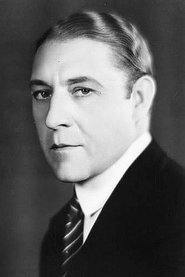 Holmes HerbertDr. Rasmussen
 Claude KingMr. Galatalin
Directing
- Frank ShawAssistant Director
- Lee KatzAssistant Director
- Fred ApplegateContinuity
- Michael CurtizDirector
Writing
- Carl EricksonScreenplay
- Don MullalyScreenplay
- Charles S. BeldenStory
Production
- Hal B. WallisProducer
- Henry BlankeProducer
- William KoenigProduction Manager
Recommended by
The Black Room, The Hands of Orlac, The Mad Ghoul, The Fall of the House of Usher