
Film
The Haunted Castle
A 1921 German silent film that wedges a murder mystery into a Gothic castle weekend where aristocrats gather to expose each other's secrets. It moves with the taut precision of a stage play, mixing genuine dread with operatic social humiliation. Atmospheric, deliberately theatrical, and made when cinema was still learning its own grammar.
If you liked this
Nosferatu1922
German Expressionism at its most hypnotic—a vampire film that proves the style is built for horror. The visual language you'll see echoed in every shadowy thriller made since.
But It's extremely slow by modern standards, and the print quality can be rough. The vampire itself is more conceptual than visceral.

The Cabinet of Dr. Caligari1920
The template for psychological horror expressed through jagged sets and shadows. Unsettling in ways that have nothing to do with jump scares—pure atmosphere and dread.
But The plot is thin and strange, and the acting style is deeply theatrical. If you want naturalism, this will frustrate you.

The Phantom Carriage1921
A Swedish ghost story that's genuinely moving beneath its Gothic trappings. It explores redemption and regret with surprising emotional depth for its era.
But Pacing is glacial even by silent standards. The spiritualist framework may feel dated or heavy-handed depending on your tolerance.

Not sure tonight? Get a pick in a minute, starting from The Haunted Castle
The wildcard
Something you would not have found on your own.
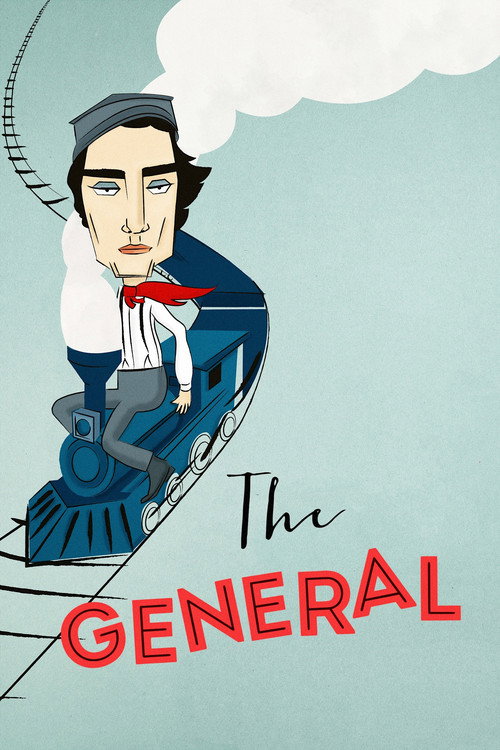
The General1926
Both are built on mechanical perfection—every scene locks into the next with clockwork inevitability. Both understand that suspense and humor spring from the same well: the control of information.
Buster Keaton's comedy masterpiece—not horror, but constructed with identical precision to a locked-room mystery. Every frame purposeful, every gesture a reveal. You'll recognize the architecture of surprise beneath the comedy.
But It's a silent comedy, and comedic timing decays with eras. If you don't find Keaton's deadpan funny, you'll find it mannered and cold.
More like this (7)
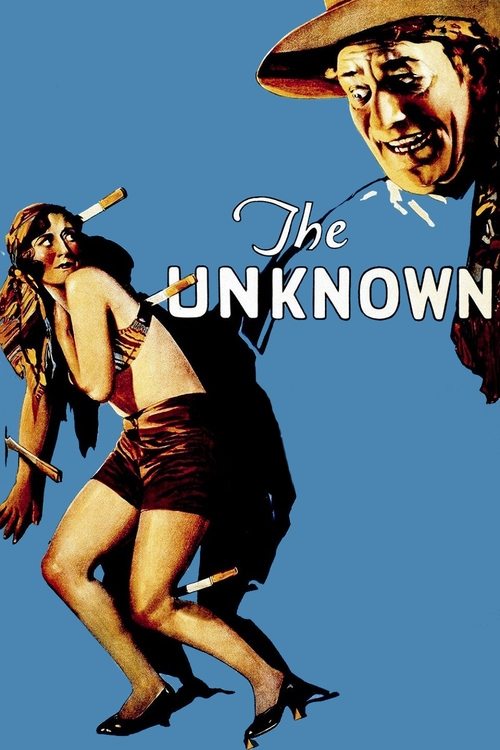
The Unknown1927
Lon Chaney in a circus melodrama with a genuinely dark sexual undercurrent. Character-driven and strange in ways that still feel unsettling.
But The final act veers into melodrama that can feel overwrought. Some plot elements creak audibly.
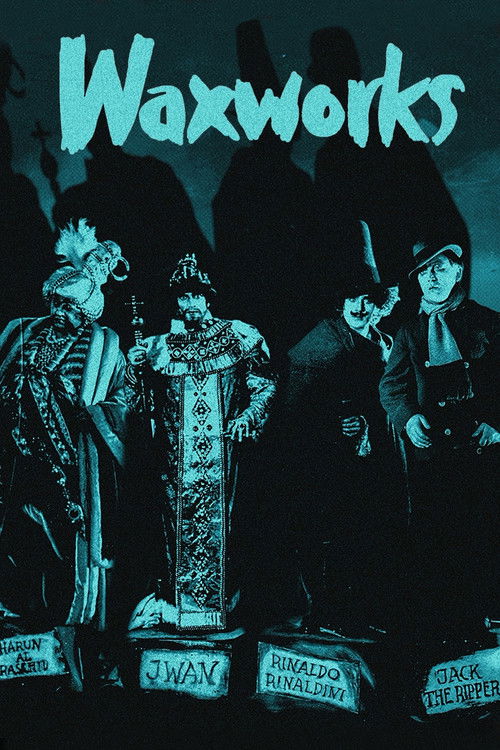
Waxworks1924
Three interlocking horror tales set in a wax museum—anthology structure lets you taste different moods. Visually inventive and genuinely creepy in patches.
But Uneven in quality; the middle section drags. The anthology format means no single story gets deep.
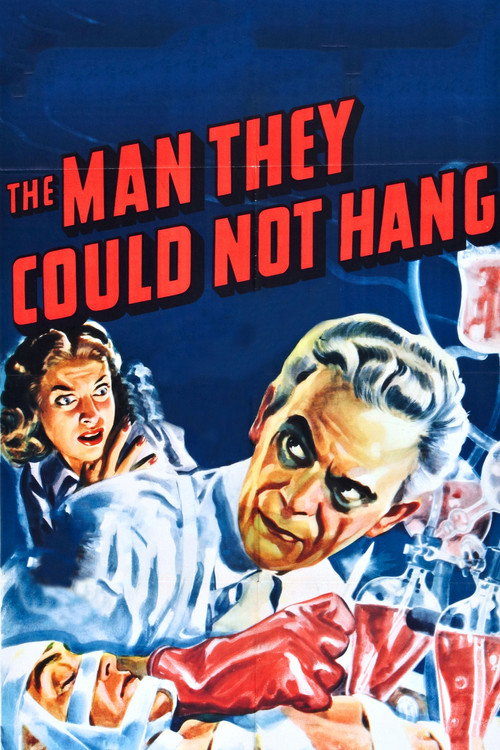
The Man They Could Not Hang1939
Boris Karloff as a wronged scientist seeking revenge. Efficient, tense, and surprisingly effective at building claustrophobic dread in a smaller scale.
But It's B-movie material and looks it. Plot mechanics are transparent if you're paying attention.
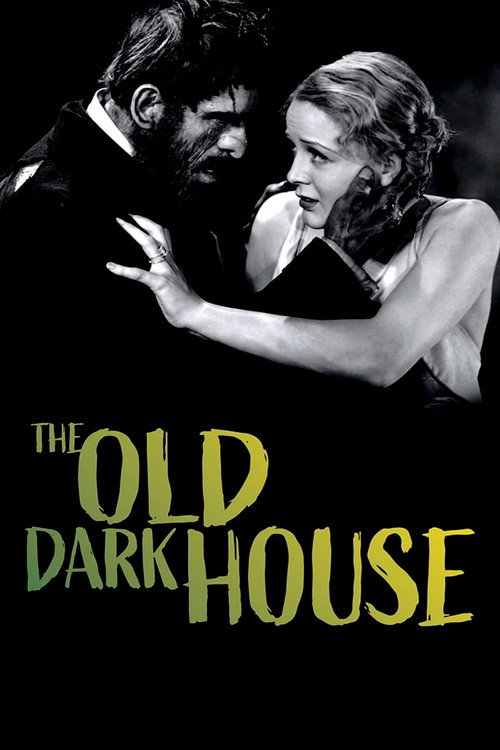
The Old Dark House1932
James Whale directs a house-of-strangers mystery with genuine eccentricity. Funny and unsettling in equal measure, wildly entertaining.
But Tone shifts erratically—comedy and horror don't always mesh. Some scenes tip into farce when the film means to frighten.
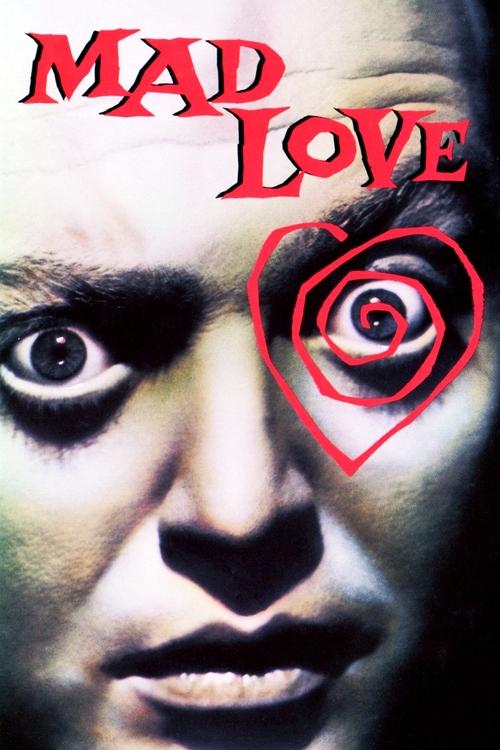
Mad Love1935
Peter Lorre as an obsessed surgeon—psychologically darker than most horror of the era, with real sexual menace underneath the genre machinery.
But The plot strains credibility even by the standards of the time. Lorre's intensity can dominate the film to its detriment.
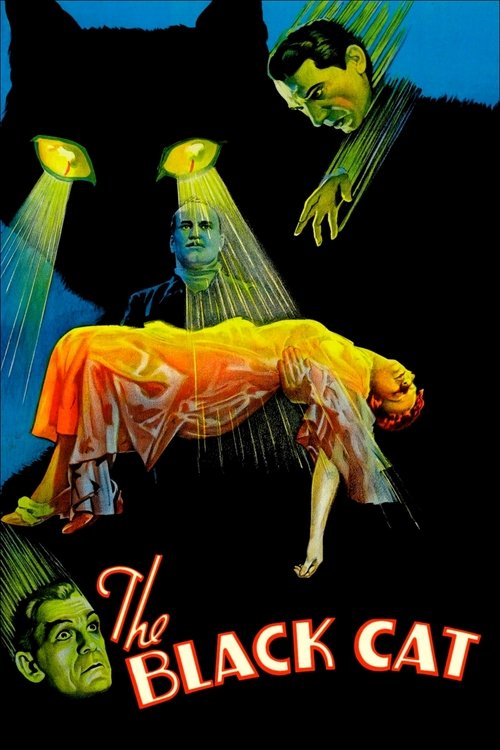
The Black Cat1934
Karloff and Lugosi in a Deco nightmare that prioritizes atmosphere over sense. Art-deco modernism colliding with classic horror—visually unlike anything else from the decade.
But The plot makes almost no logical sense. If coherence matters to you, this will test your patience severely.
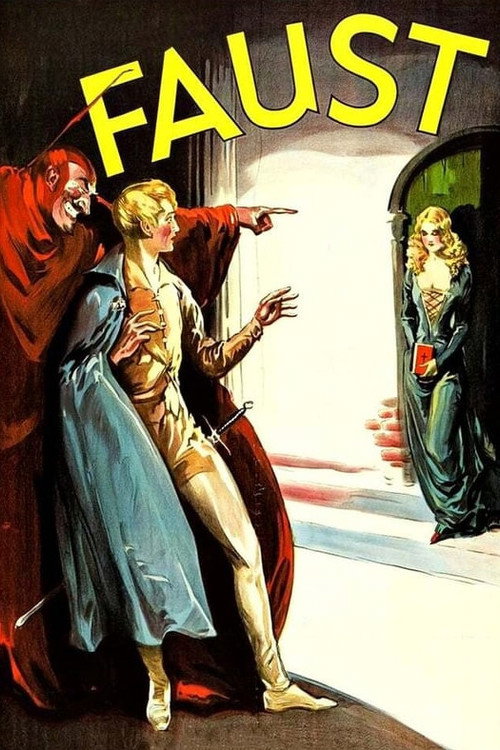
Faust1926
Both stage aristocratic collapse as spectacle—the difference is that Faust assumes you're watching the fall of a soul, while The Haunted Castle suggests the soul never existed. One is tragedy; the other is exposure.
F.W. Murnau's adaptation transforms Goethe into pure cinema: supernatural forces and moral corruption visualized through sets that bend logic. A mansion inhabited by evil feels small after watching this.
But It's operatic and very long (two hours-plus). If you want subtlety, the film's ambitions will feel grandiose to the point of exhaustion.
People
Cast
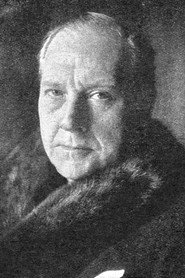 Arnold KorffLord von Vogelschrey auf Vogeloed
- Lulu Kyser-KorffLady Centa von Vogelschey (as L. Kyser-Korff)
- Lothar MehnertGraf Johann Oetsch (as Lotar Mehnert)
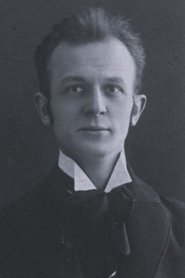 Paul BildtBaron Safferstätt
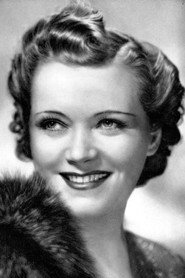 Olga TschechowaBaronin Safferstätt
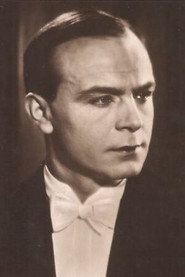 Paul HartmannGraf Peter Paul Oetsch
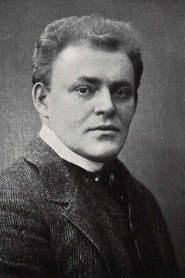 Hermann VallentinLandgerichtsrat a.D.
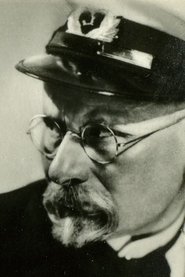 Julius FalkensteinÄngstlicher Herr
- Georg ZawatzkyKüchenjunge (uncredited)
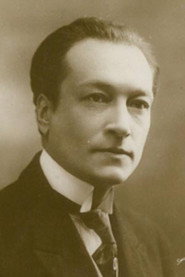 Robert LefflerMajordomus
- Victor BluetnerPater Faramund (as Victor Blütner)
- Walter Kurt KuhleDiener (as Walter Kurt-Kuhle)
Directing
- F. W. MurnauDirector
Writing
- Rudolf StratzNovel
- Carl MayerScreenplay
Production
- Erich PommerProducer