
Film
The Raven
Other titles called The Raven: the 1935 film, the 2012 film.
A sorcerer cursed into a raven's body seeks help from a retired magician in this gloriously unhinged horror-comedy. Price, Lorre, and Karloff trade barbs and spells with genuine glee, treating Poe's poem as a jumping-off point for anarchic fun. It's campy without being contemptuous—a film that knows exactly how silly it is and loves itself anyway.
If you liked this
House of Wax1953
Vincent Price at the height of his theatrical powers, presiding over grotesque beauty with genuine menace. A masterclass in how to make artifice feel seductive and dangerous. Color cinematography that still dazzles.
But The pacing is deliberate, and the plot mechanics creak audibly. If you need constant forward momentum, this will feel like watching paint dry (albeit gorgeous paint).
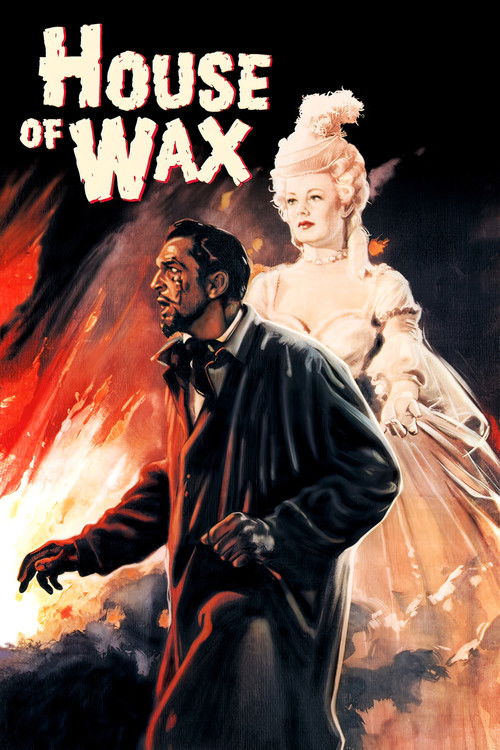
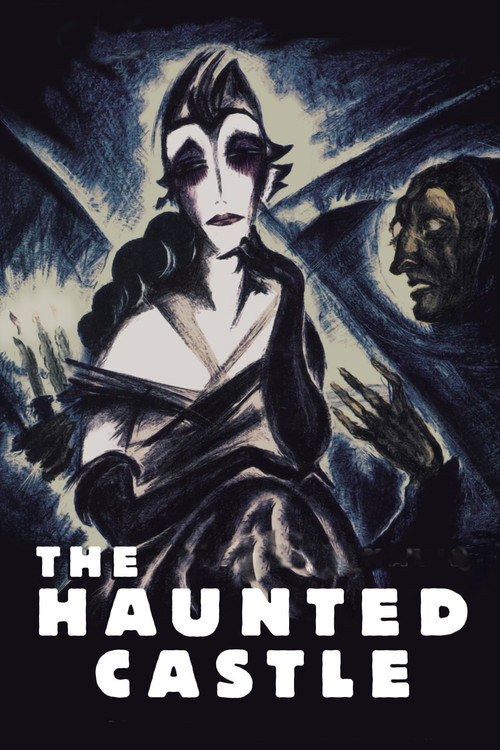
The Haunted Castle1921
An ancestor of everything *The Raven* is playing with—German Expressionism filtered through vaudeville, genuine frights mixed with knowing comedy. Silent but never quiet. The production design is haunting.
But It's silent, which means subtitles and no dialogue to carry you. The prints available can be rough. Requires patience from modern viewers.
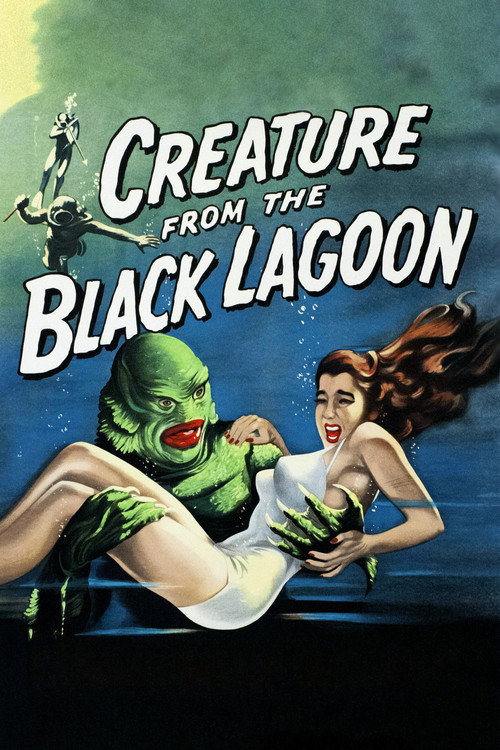
Creature from the Black Lagoon1954
A monster movie made with real craft and atmosphere, where the creature is genuinely tragic. The 3D sequences still impress. Serious creature design meeting genuine adventure storytelling.
But It's earnest rather than playful, and the romantic subplot feels dated. If you want *The Raven*'s winking tone, this won't deliver it.
Not sure tonight? Get a pick in a minute, starting from The Raven
The wildcard
Something you would not have found on your own.
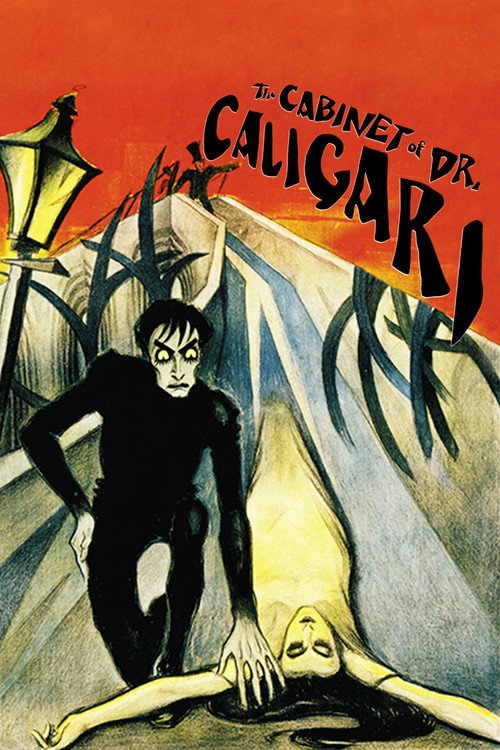
The Cabinet of Dr. Caligari1920
*The Raven* plays with theatrical artifice and deliberately stagey evil; *Caligari* is its direct ancestor—the moment horror realized design and performance could weaponize space itself.
The grandfather of all this—Expressionist set design as a character itself, madness baked into every frame, performance and environment fused into one fever dream. It invented the visual language Price and company inherited.
But Silent, in German Expressionist style that demands active viewing. No one speaks, the titles explain plot, and what seems shocking now barely was then. Can feel like a museum piece rather than living cinema.
More like this (7)
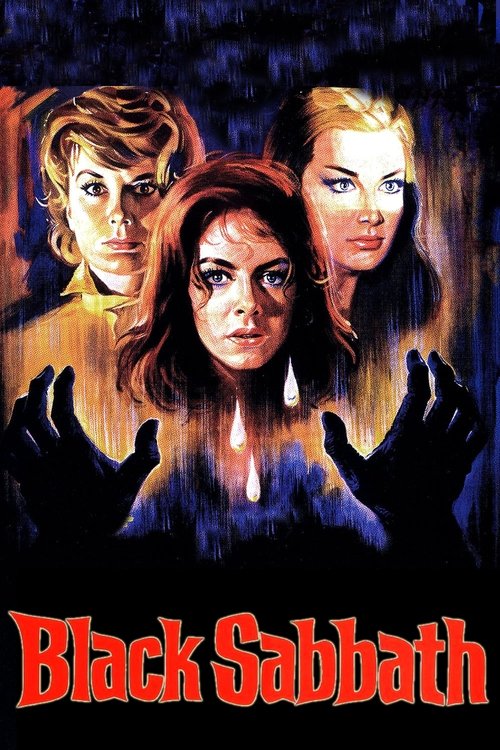
Black Sabbath1963
Italian horror from the same year, mixing genuine dread with theatrical excess. Bava's visual language is pure cinema—color, shadow, and geometry as much as narrative. Three distinct stories keep it fresh.
But Dialogue is dubbed and can feel flat. The stories are disjointed, so there's no emotional throughline. Subtitled, which demands attention.
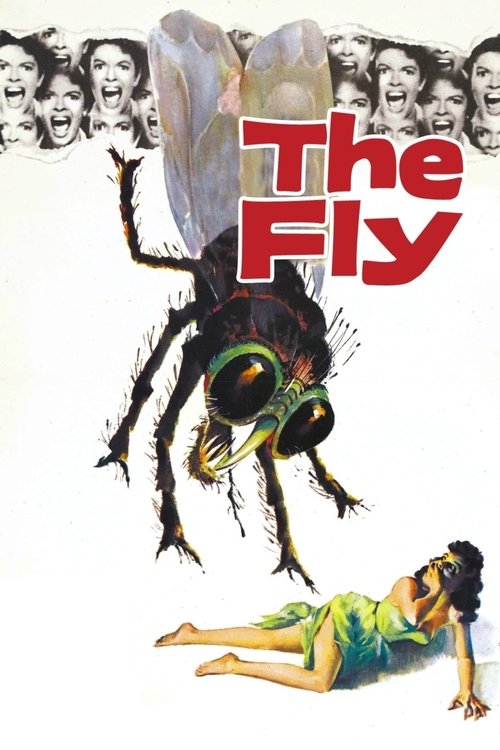
The Fly1958
Body horror wrapped in tragedy and genuine emotion. Neumann's direction keeps the grotesque and the human in constant tension. Landau is heartbreaking as a man becoming something else.
But It's deeply uncomfortable in ways that outlast the plot. The practical effects, while effective, can turn your stomach. Not a fun romp.
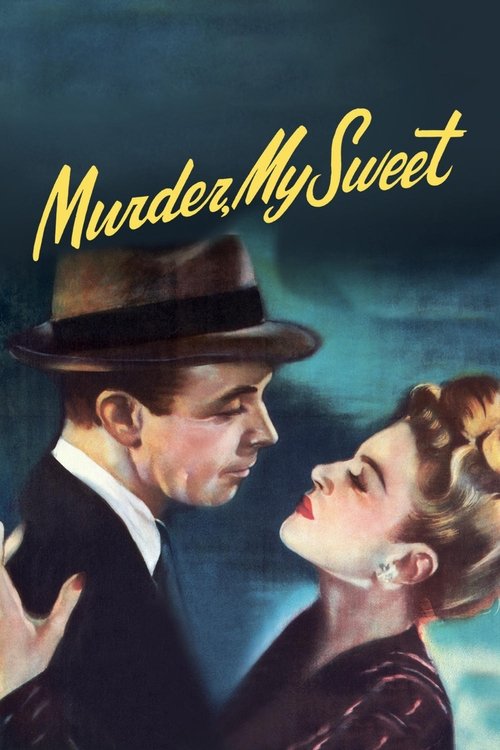
Murder, My Sweet1944
Dick Powell against type in a noir that cares about character as much as mystery. Gorgeous black-and-white cinematography. The romantic chemistry between Powell and Claire Trevor actually lands.
But It's a murder mystery, which means plot complexity that demands attention. If you're after spectacle over substance, look elsewhere. Pacing is measured.
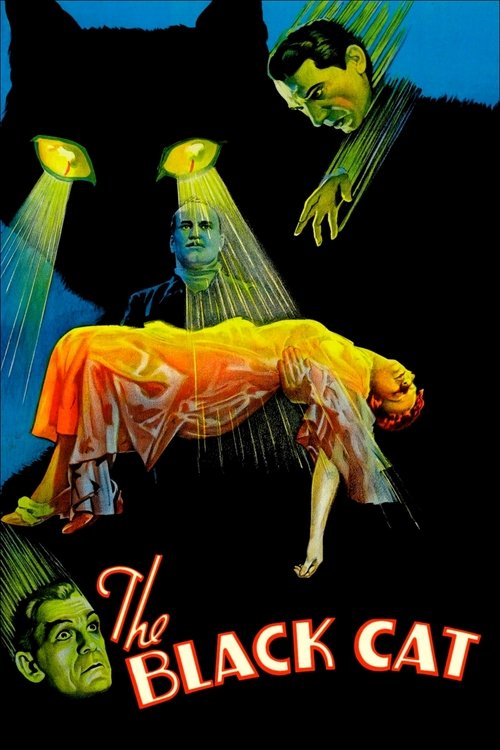
The Black Cat1934
Lugosi and Karloff facing off in an Art Deco fever dream. Perverse, stylish, and genuinely unsettling despite its brevity. Ulmer creates atmosphere from shadow and suggestion alone.
But The plot barely holds together. It's more mood and design than story. Some of the content hasn't aged well, and the pacing is glacial by modern standards.
The Invisible Man1933
James Whale proving that horror works best when you can't see the monster. Technically innovative, genuinely funny, and Claude Rains delivers a star-making performance you only hear. Manic energy throughout.
But The special effects, while clever for 1933, are visible effects. The comedy occasionally overwhelms the drama. Some may find the tone inconsistent.
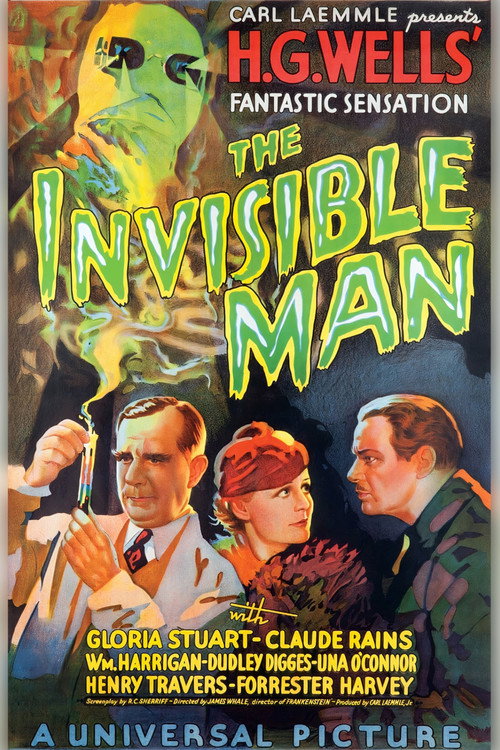
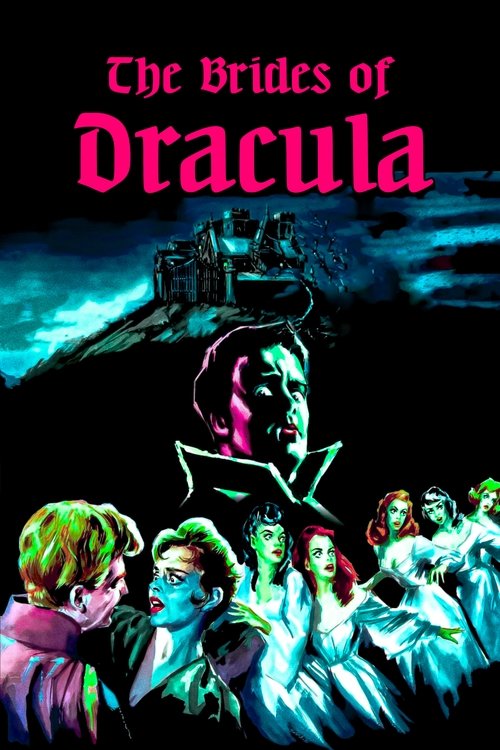
The Brides of Dracula1960
Hammer horror without Lugosi, which means Cushing and the studio could actually breathe. Stunning Technicolor, real romantic tension, and genuine scares. Peter Cushing makes an excellent Van Helsing.
But It's a sequel to a film most people haven't seen, and references do pile up. The women exist mainly as victims, which modern viewers may find frustrating. Pacing dips in act two.
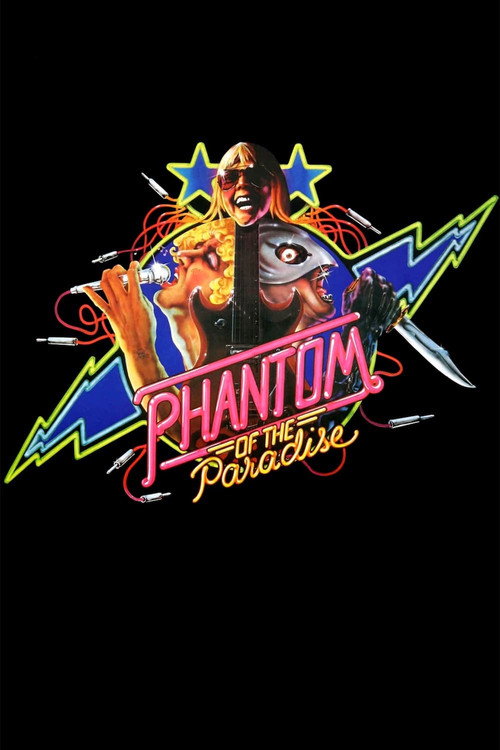
Phantom of the Paradise1974
Both worship theatrical excess while sneaking real darkness underneath. Both use horror-comedy not as deflation but as escalation—the jokes make the stakes higher, not lower.
Brian De Palma's rock-horror fever dream: *Faust* meets *The Phantom of the Opera* with a synth score and real menace underneath the glitter. William Finley is astonishing. It moves like *The Raven* but with genuine stakes.
But It's sexually violent in ways that haven't softened with age. The plot is deliberately baroque and hard to track. If you need straightforward narrative, you'll get frustrated.
People
Cast
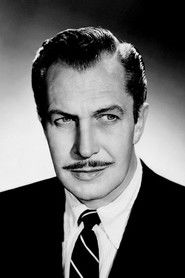 Vincent PriceDr. Erasmus Craven
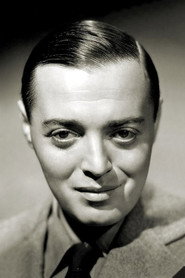 Peter LorreDr. Adolphus Bedlo
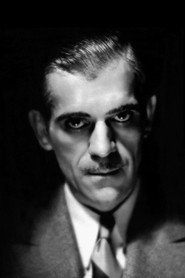 Boris KarloffDr. Scarabus
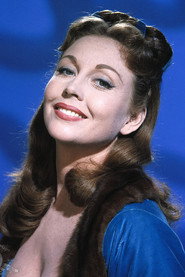 Hazel CourtLenore Craven
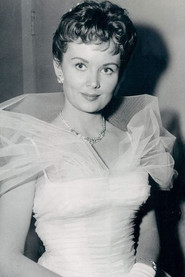 Olive SturgessEstelle Craven
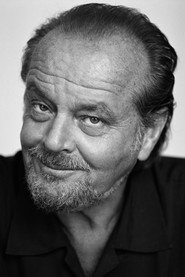 Jack NicholsonRexford Bedlo
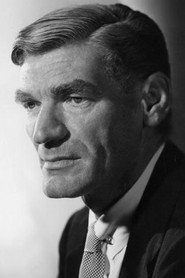 John DierkesRoderick Craven
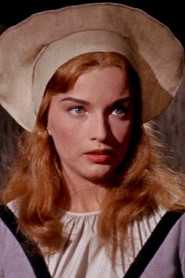 Connie WallaceMaid
- William BaskinGrimes
- Aaron SaxonGort
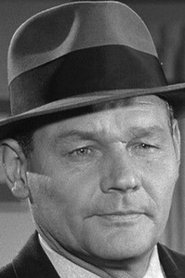 Leo GordonGrimes (voice) (uncredited)
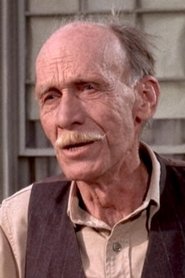 Dick JohnstoneRoderick Craven (uncredited)
Directing
- Jack BohrerAssistant Director
- Roger CormanDirector
Writing
- Richard MathesonScreenplay
- Edgar Allan PoeShort Story
Production
- James H. NicholsonExecutive Producer
- Samuel Z. ArkoffExecutive Producer
- Roger CormanProducer
- Bartlett A. CarréProduction Supervisor
- Robert AgnewUnit Manager