
Film
Black Sabbath
- Supernatural horror
- Fantasy
- Very dark
- Dip in and out
A trio of Italian horror tales directed by Mario Bava: a woman terrorized by sinister phone calls, a family hunted by vampiric creatures, and a nurse's reckoning with a dead medium's vengeance. Bava's mastery of shadow and color transforms everyday spaces into nightmares. Visually sumptuous, deeply unsettling, and genuinely strange—not jump-scares but genuine dread.
If you liked this
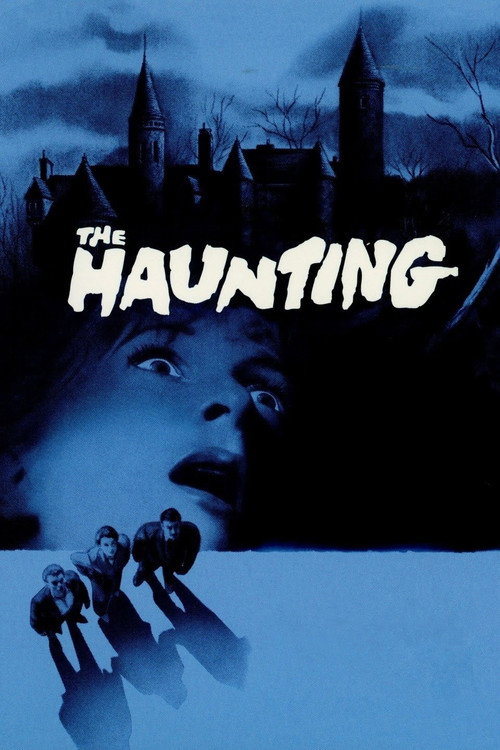
The Haunting1963
Released the same year, Robert Wise's masterpiece proves horror needs no gore. Psychological terror, architectural dread, and ambiguous supernatural forces create an atmosphere so thick you'll hold your breath. Essential viewing for anyone who loves slow-burn scares.
But Glacially paced by modern standards. Long stretches of dialogue and atmosphere over incident may frustrate viewers wanting constant action or clear answers.
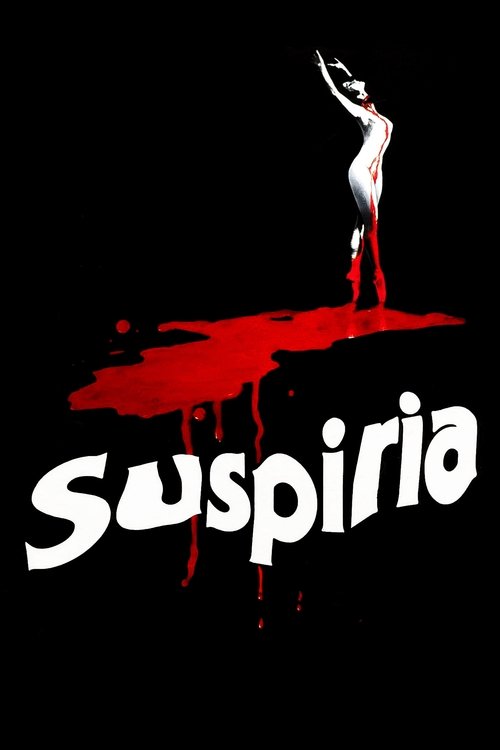
Suspiria1977
Dario Argento's garish, dreamlike nightmare shares Bava's love of color and shadow as a weapon. A young dancer enters a ballet academy that may be a coven. Visually ravishing, rhythmically hypnotic, and genuinely frightening in ways that linger.
But The plot is thin and the dubbing can feel distant. If you need logical narrative clarity, this headlong descent into mood over story will frustrate you.
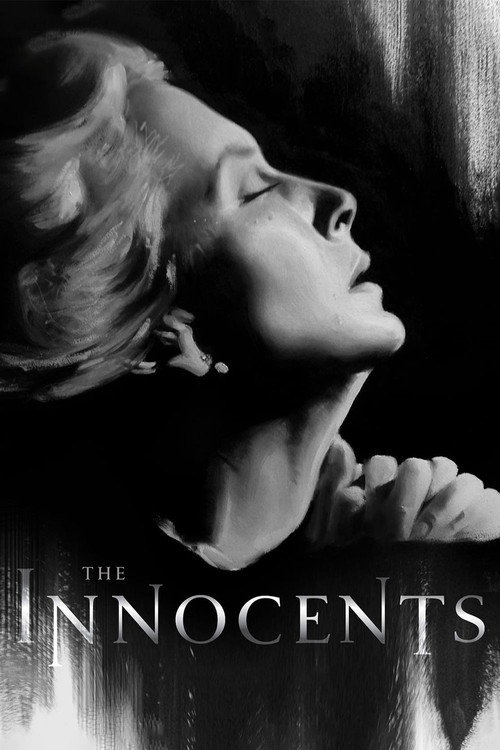
The Innocents1961
Jack Clayton's adaptation of *The Turn of the Screw* uses black-and-white cinematography like Bava uses color—as pure psychological expression. Ambiguous hauntings, corrupted innocence, and genuine unease. A masterclass in suggesting horror without showing it.
But Deliberately evasive about what's really happening. If you dislike interpretive endings and need definitive answers, the film's beautiful ambiguity will feel like a dodge.
Not sure tonight? Get a pick in a minute, starting from Black Sabbath
The wildcard
Something you would not have found on your own.
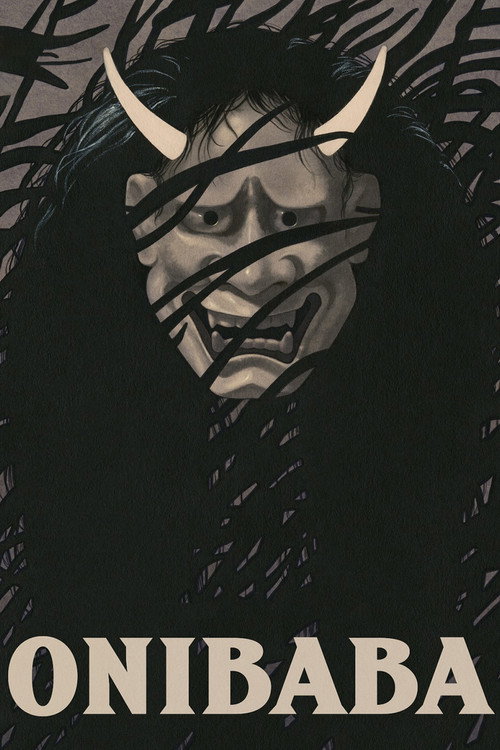
Onibaba1964
Both are constructed as linked moral fables where supernatural consequences follow human transgression. Both understand that revenge and violation haunt the perpetrator as much as the victim. Era, medium, and geography completely different; moral architecture identical.
A Japanese film about a mother and daughter surviving medieval war by robbing corpses and hiding in tall grass. Visually stunning, morally corrosive, and built on cyclical violence and the supernatural as consequence. The mask scene alone is unforgettable.
But Slower and more methodical than Western horror. The humanism alongside brutality might feel distant or cold. Subtitled, and the cultural context requires engagement rather than passive watching.
More like this (7)
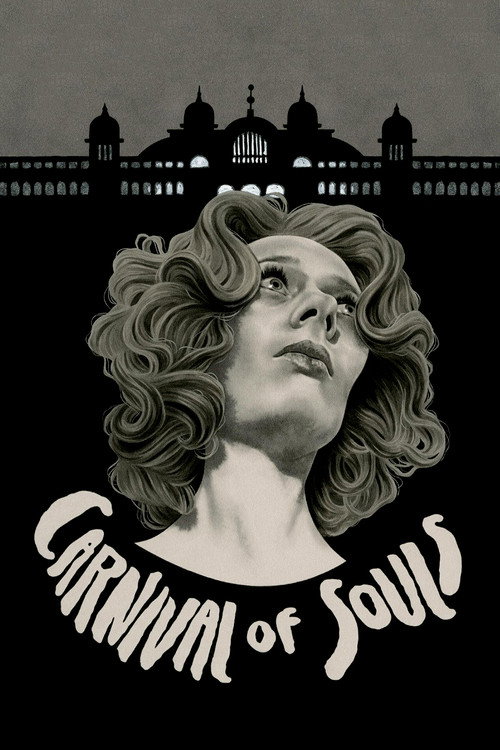
Carnival of Souls1962
A low-budget American oddity with hypnotic, dreamlike logic. A woman survives a car crash and finds herself increasingly isolated and strange. Uncanny organ score, grotesque imagery, and a final twist that recontextualizes everything you've watched.
But The acting is occasionally wooden and the budget shows. Some will find its strangeness more awkward than atmospheric; others will be mesmerized. You'll know which immediately.
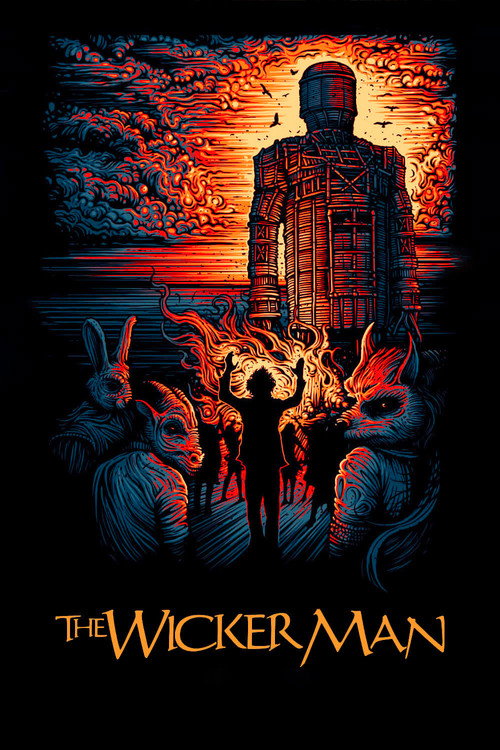
The Wicker Man1973
A British policeman travels to a remote island to investigate a missing girl and discovers a pagan community with terrifying intentions. Folk-horror perfection: eerie, beautifully scored, and deeply unsettling. The ending will haunt you.
But It's methodical and wordy, with a folk-music soundtrack that some find kitschy rather than creepy. If you want supernatural spectacle, this is anthropological horror instead.
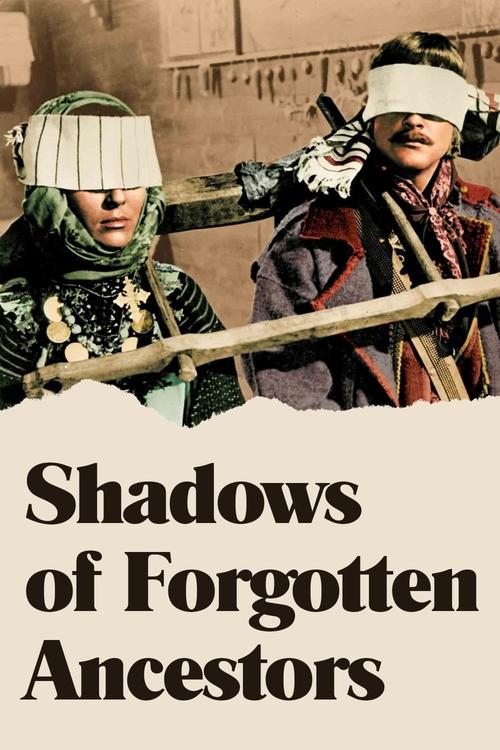
Shadows of Forgotten Ancestors1965
Sergei Parajanov's Ukrainian masterpiece is visually baroque—a folk-horror love story saturated in ritual, superstition, and tragic inevitability. Every frame is painterly. A ghost story for people who want cinema as much as story.
But Wordless long passages and dreamlike narrative logic demand active viewing. It's challenging, gorgeous, and strange—not accessible, not plot-driven, and deliberately archaic in its pacing.
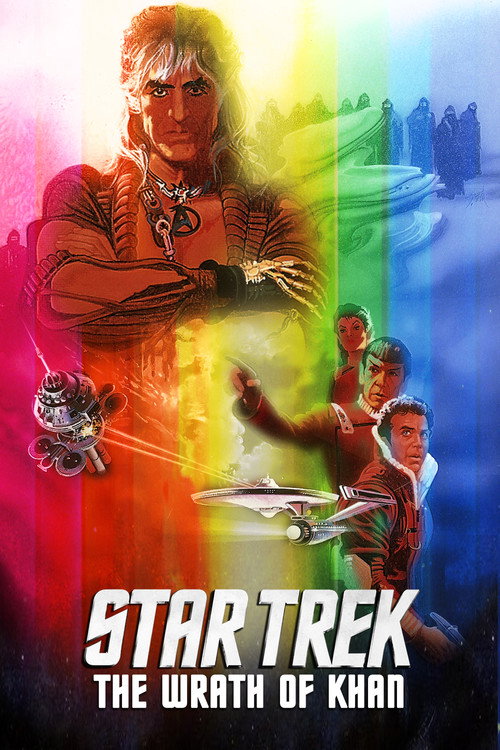
Star Trek II: The Wrath of Khan1982
Wait—bear with me. Like *Black Sabbath*'s three linked tales of obsession and vengeance, Khan explores how fixation warps the soul. Ricardo Montalban's performance is operatic, the revenge-plot structure mirrors Bava's moral fatalism, and it proves horror and SF speak the same language.
But If you're not already *Star Trek* literate, the references will alienate you. It's also loudly a 1980s blockbuster, not a contemplative art film. The tonal contrast might feel jarring.
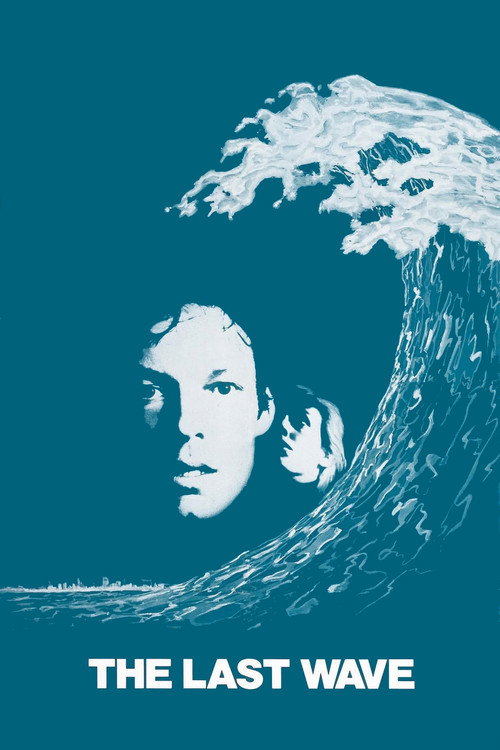
The Last Wave1977
Peter Weir's Australian supernatural thriller follows a lawyer pulled into Aboriginal mysticism and premonitions of apocalypse. Beautifully shot, genuinely strange, and built on the same sense that ancient forces operate beyond rational understanding.
But Slow and digressive, more interested in mood than plot momentum. The film keeps its secrets; if you need everything explained, you'll leave frustrated.
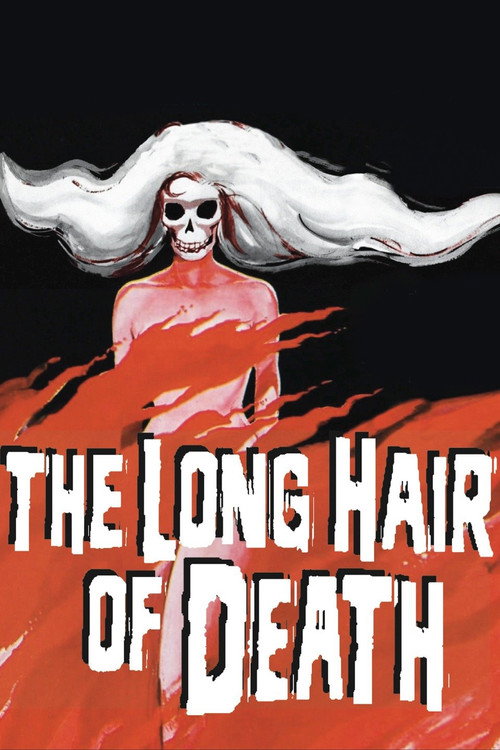
The Long Hair of Death1964
Another Italian gothic from the same era: a woman falsely executed for witchcraft returns as a vengeful ghost. Sumptuous color cinematography, baroque settings, and a narrative built on cycles of cruelty and supernatural payback.
But Dubbed and occasionally stilted. The pacing is deliberate to the point of tedium for viewers expecting contemporary editing rhythms.
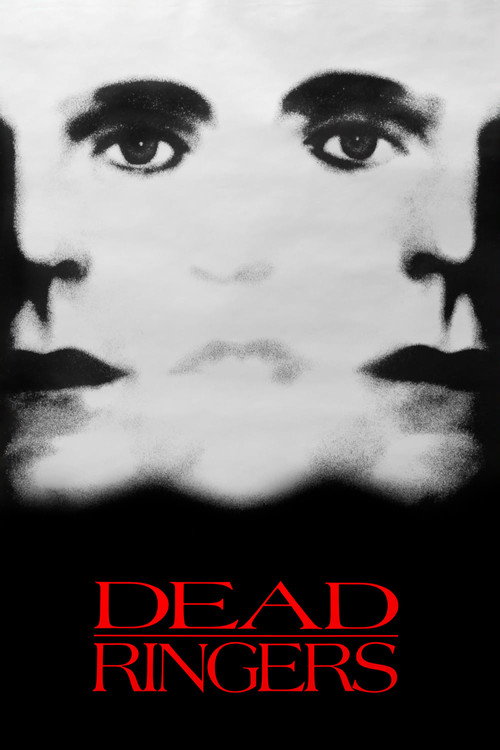
Dead Ringers1988
*Black Sabbath*'s narratives trace obsession and violation corrupting those involved; *Dead Ringers* does the same through psychiatric rather than supernatural means. Both understand that the real horror is how transgression echoes through the perpetrator's consciousness. Same engine, no ghosts required.
David Cronenberg's film about gynecologist twins descending into mutual codependency and madness is psychologically horror—no ghosts, no superstition, but genuine dread born from psychological symbiosis and the violation of boundaries. Jeremy Irons in a dual role that's simultaneously magnetic and nauseating.
But Clinically gynecological, with body-horror elements that are genuinely revolting. The film offers no redemption, only careful documentation of collapse. It's austere and difficult, not cathartic or fun.
People
Cast
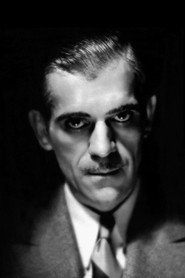 Boris KarloffGorca (segment "The Wurdalak")
 Mark DamonVladimire d'Urfe (segment "The Wurdalak")
 Michèle MercierRosy (segment "The Telephone")
 Susy AndersenSdenka (segment "The Wurdalak")
 Lidia AlfonsiMary (segment "The Telephone")
 Jacqueline PierreuxHelen Chester (segment "A Drop Of Water")
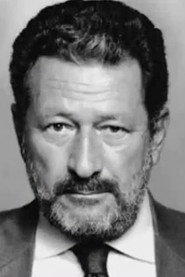 Glauco OnoratoGiorgio (segment "The Wurdalak")
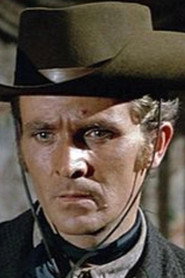 Massimo RighiPietro (segment "The Wurdalak")
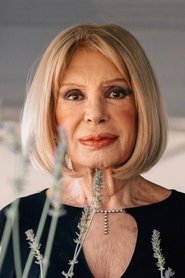 Rika DialynaMaria (segment "The Wurdalak")
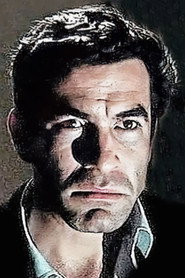 Milo QuesadaFrank Rainer (segment "The Telephone")
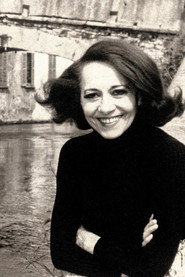 MillyThe Maid (segment "A Drop Of Water")
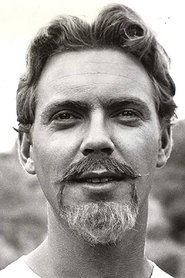 Gustavo De NardoPolice Inspector (segment "A Drop Of Water")
Directing
- Mario BavaDirector
- Priscilla ContardiScript Supervisor
Writing
- Aleksey TolstoyNovel
- Anton ChekhovNovel
- Guy de MaupassantNovel
- Alberto BevilacquaScreenplay
- Marcello FondatoScreenplay
- Mario BavaScreenplay
Production
- Franco GrifeoAdministration
- Lionello SantiProducer
- Paolo MercuriProduction Manager
- Armando GovoniUnit Manager